Dave Grohl and Norah Jones’ Kennedy Center Tribute to Paul McCartney Still Resonates
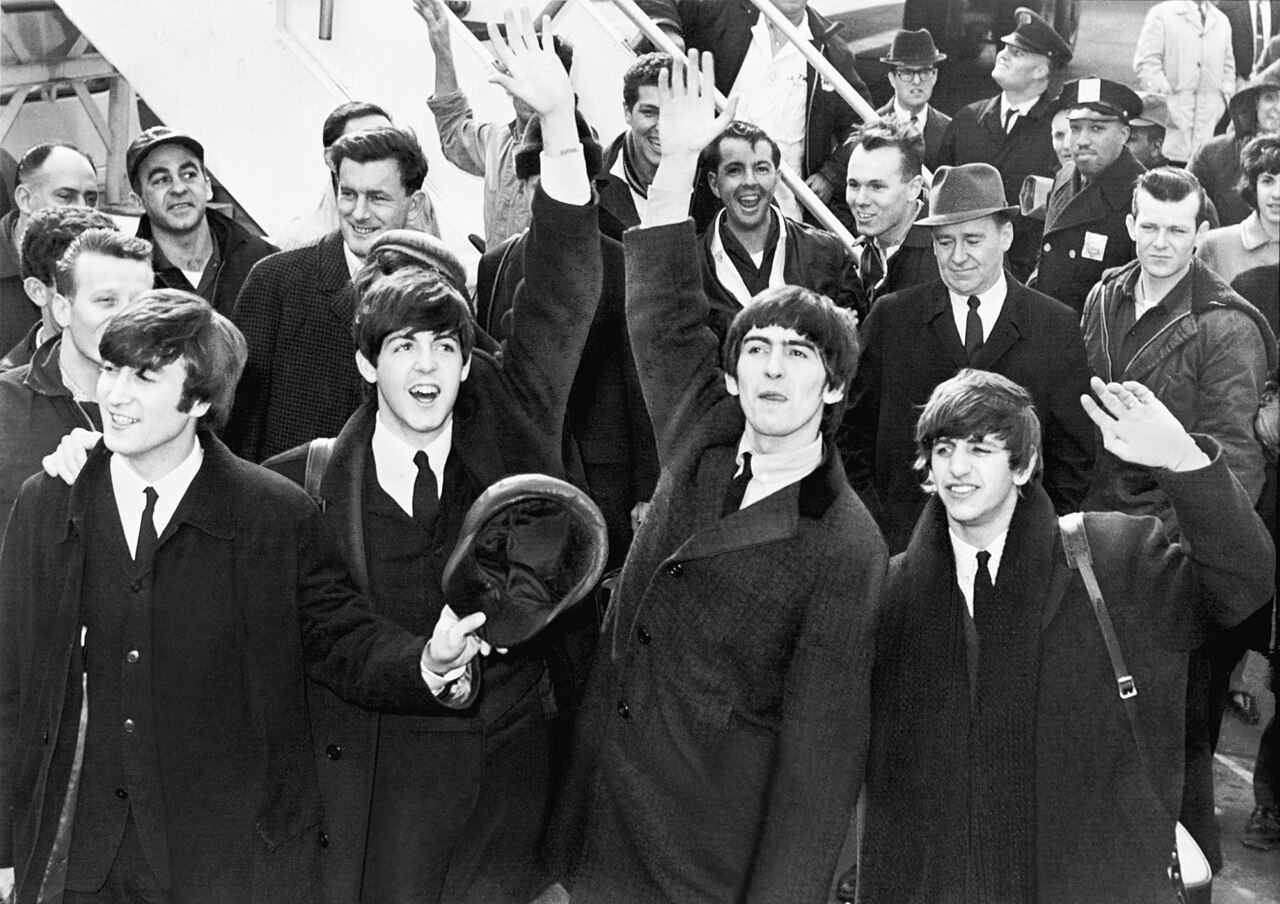
An unexpected pairing that made immediate sense
Tribute concerts often lean on the obvious: artists who sound alike, performers who share a genre, familiar combinations designed to recreate a classic record as closely as possible. What made this Kennedy Center moment so striking was that it did the opposite. Dave Grohl, best known for his full-throttle rock presence, and Norah Jones, long associated with intimate, jazz-tinged phrasing and quiet emotional precision, seemed on paper like an unusual match.
But once they began singing “Maybe I’m Amazed,” the logic of the pairing revealed itself. Grohl brought grit, urgency and the kind of open-hearted force that can make a live room feel suddenly smaller. Jones answered with restraint, warmth and a softness that gave the song space to breathe. Instead of competing, their differences sharpened the emotional outline of McCartney’s ballad.
Why “Maybe I’m Amazed” remains such a powerful choice
“Maybe I’m Amazed” has endured because it contains two things that are difficult to fake: vulnerability and lift. Paul McCartney wrote it as a love song with a raw, almost conversational tenderness, yet it rises into a chorus built for release. That balance makes it especially attractive for tribute performances, but it also makes the song easy to overplay. Push too hard and it becomes bombast; hold back too much and it loses its heartbeat.
Grohl and Jones approached it with clear respect for that tension. The song’s emotional architecture stayed intact: the intimacy of the verses, the gathering momentum, the cathartic chorus. Rather than mimic McCartney, they focused on the feeling inside the composition. That decision is often what separates a dutiful cover from a genuinely memorable tribute.
The best tribute performances do not try to replace the original; they remind listeners why the original mattered in the first place.
Dave Grohl’s rock conviction met Norah Jones’ elegance
Grohl has long shown a deep reverence for the history of popular music, and he has a particular gift for making admiration feel physical. When he sings a song he loves, there is usually no trace of distance or irony. In a tribute setting, that quality can be invaluable. It tells the audience that the performance is not just ceremonial but personal.
Jones brought a very different strength. Her voice is often most effective when it feels almost private, as though she is singing from just a few feet away. In this rendition, that intimacy softened the song’s edges without weakening it. The result was a duet with shape and contrast: rock weight on one side, understated elegance on the other, each performer making the other sound more complete.
A Kennedy Center stage built for reverence
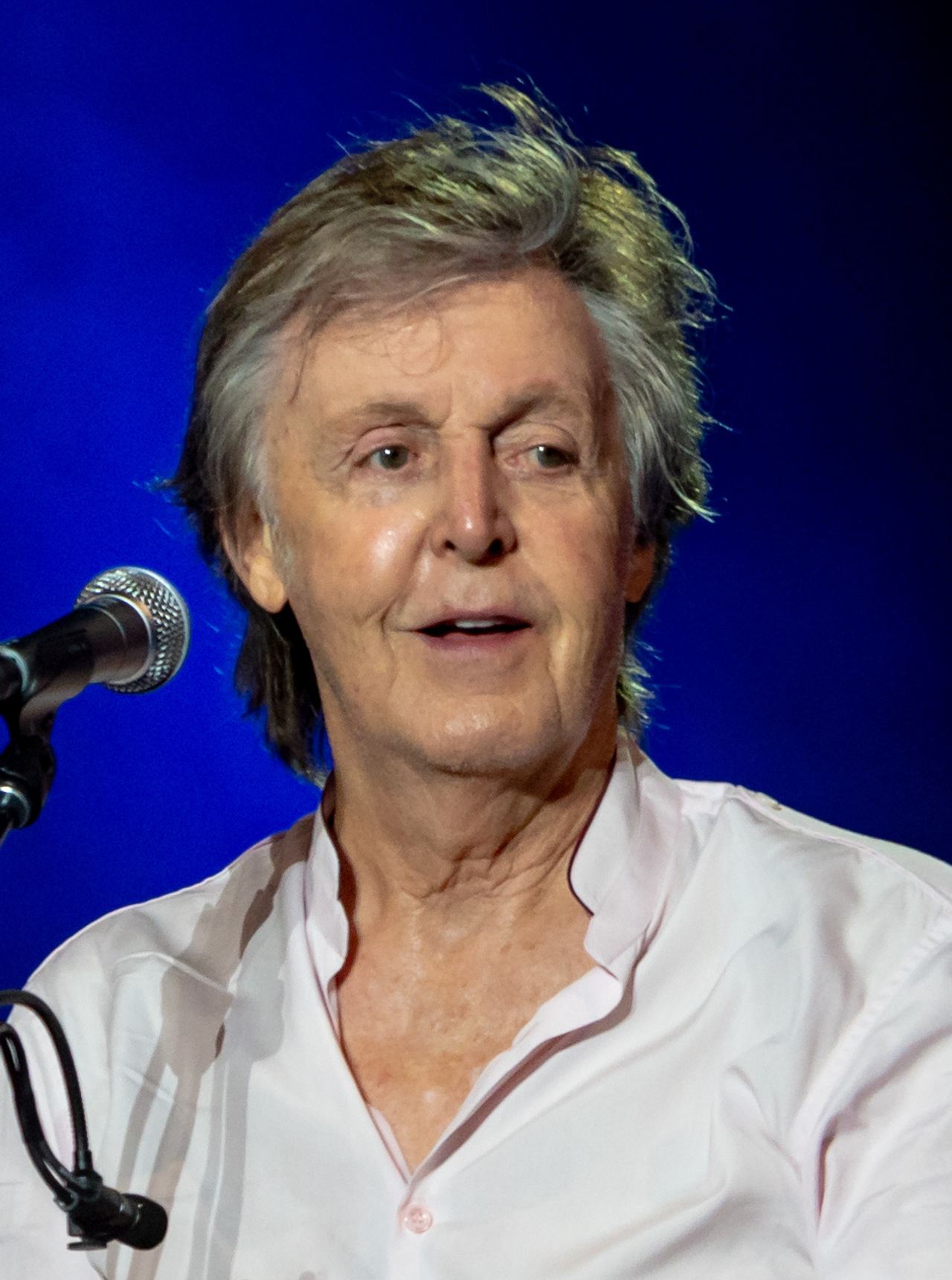
The Kennedy Center Honors has a particular atmosphere, one that asks performers to do more than simply entertain. It is a room structured around recognition, legacy and gratitude. Artists who take that stage in tribute are performing not only for a television audience or a live crowd, but for the honoree seated nearby, listening as peers reinterpret a body of work that helped define modern music.
That setting gave the performance an added charge. A song like “Maybe I’m Amazed” already carries emotional weight, but heard as a salute to McCartney, it became something more than a cover. It turned into a living acknowledgment of songwriting craft, melodic instinct and the sheer durability of a catalog that can be filtered through radically different voices and still emerge unmistakably itself.
What made the performance linger
Some tribute numbers are impressive in the moment and then fade, remembered mainly as part of a larger event. This one has lingered because it offered surprise along with sincerity. Viewers did not just hear a beloved McCartney song; they watched two musicians from different corners of popular music discover a shared emotional language inside it.
That is often the mark of a performance people return to. It does not rely solely on nostalgia, though nostalgia is present. It creates a fresh point of access to a familiar song. For longtime McCartney fans, it reaffirmed the depth of the writing. For audiences drawn in by Grohl, Jones or both, it showed how a classic can be honored without being fossilized.
A reminder of McCartney’s reach
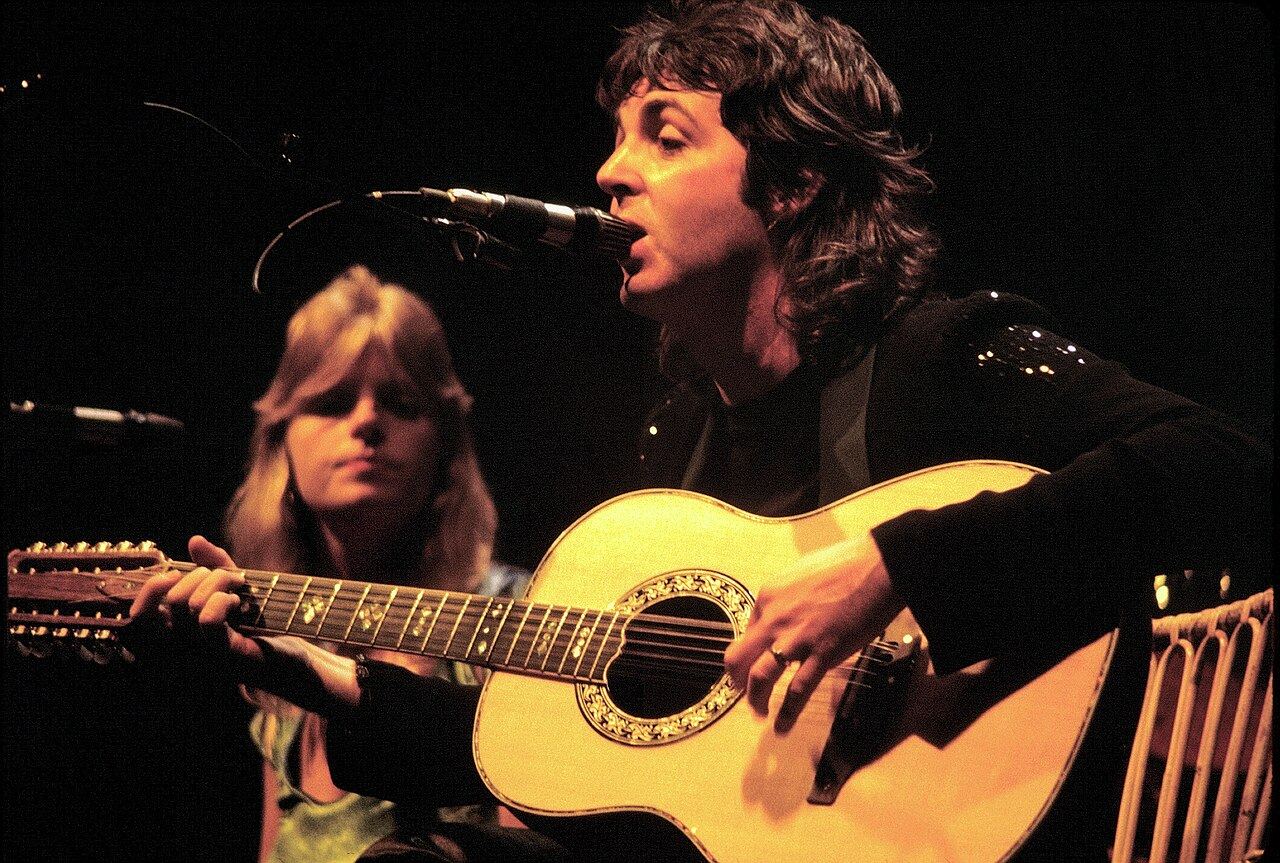
More than anything, the duet underscored something central to Paul McCartney’s legacy: his songs can travel. They can move from Beatles and Wings history into contemporary stages and still feel alive, flexible and emotionally immediate. That is a rare kind of durability, one that belongs not just to famous songs but to deeply built ones.
Grohl and Jones did not need matching styles to make the tribute work. In fact, their distance from one another was the point. McCartney’s music was expansive enough to hold both artists at once. Their rendition of “Maybe I’m Amazed” became, in the end, a tribute not only to the man being honored but to the enduring generosity of the song itself.
Quick Facts
- Honoree: Paul McCartney
- Song performed: Maybe I’m Amazed
- Performers: Dave Grohl and Norah Jones
- Event setting: Kennedy Center tribute performance
- Performance quality: Live duet tribute
Image credits: United Press International, photographer unknown / Wikimedia Commons / Public domain; Jim Summaria / Wikimedia Commons / CC BY-SA 3.0; Raph_PH / Wikimedia Commons / CC BY 2.0.