The Marvin Gaye Masterpiece Berry Gordy First Dismissed as a Flop
A collision inside Hitsville
In the mythology of popular music, few scenes are as charged as Marvin Gaye walking into Motown with “What’s Going On.” The label had been built on precision: immaculate hooks, elegant arrangements, and songs engineered to cross over from Black radio to the broadest possible audience. Berry Gordy, Motown’s founder, had spent years refining that formula into a machine that turned young singers into stars and Detroit into an unlikely capital of American pop.
paras
Why the song sounded so different
“What’s Going On” did not arrive as another polished love song. Its mood was looser, more searching, and more humane. The record opened with party chatter and saxophone, then drifted into a plea rather than a command. Gaye’s voice, layered and conversational, sounded as if he were thinking aloud in public. That alone marked a break from the clean, direct style Motown had perfected through the 1960s.
The song also widened the emotional range of mainstream soul. Instead of romance alone, it carried anguish over war, poverty, and unrest, while refusing to surrender tenderness. Gaye did not shout his concerns; he sang them with empathy. That choice gave the record its strange power: it felt intimate and expansive at once, less like a performance than a witness statement wrapped in beauty.
“What’s Going On” sounded like an artist refusing to separate the world’s pain from the music people danced to.
Berry Gordy’s instinct for hits—and his skepticism
Gordy’s reported dismissal of the song has endured because it captures a genuine tension. He was not merely a villain in the story. He was a businessman and producer whose instincts had helped shape an era. To his ear, a song like “What’s Going On” may well have sounded commercially risky: too jazzy, too unstructured, too political, too far from the tested Motown blueprint.
That skepticism makes sense within the culture Gordy built. Motown prized discipline, consistency, and broad appeal. It sanded rough edges and translated local talent into national language. Gaye’s song challenged that process. It asked the company to trust ambiguity, atmosphere, and social commentary. In effect, it asked Motown to believe that the public could handle complexity from one of its smoothest stars.
Marvin Gaye’s turning point
For Gaye, the song represented more than a stylistic experiment. It was part of a larger artistic awakening. By the turn of the 1970s, he was no longer content to be only an interpreter of expertly crafted singles. He wanted authorship, emotional control, and the freedom to address the turbulence around him. “What’s Going On” became the vehicle for that transformation.
That shift mattered because Gaye’s voice was uniquely suited to it. He had always possessed technical grace, but now he brought a deeper vulnerability to the microphone. The performance is gentle yet insistent, wounded yet hopeful. It suggested that sophistication in soul music did not have to mean distance; it could also mean moral urgency. In that sense, the song was both a personal breakthrough and a public challenge.
From risk to revelation
The enduring irony of the story is that the song Gordy is said to have doubted became one of the defining statements of its era. Its reputation rests not just on popularity, but on how decisively it expanded the possibilities of mainstream Black music. It showed that a major soul star could confront national anxiety without losing melodic richness or commercial pull.
Just as important, the single opened the door to the album that followed, allowing Gaye to work on a broader canvas. The success of “What’s Going On” helped legitimize the idea that Motown artists could pursue cohesive, personal, socially aware projects rather than only standalone hits. What once looked like a dangerous departure came to seem like a necessary evolution.
Why the moment still matters
The story survives because it dramatizes a timeless conflict in pop culture: the clash between market logic and artistic instinct. Every era has gatekeepers convinced they know what audiences want, and every era produces artists who hear a future those gatekeepers cannot yet recognize. In this case, the gap between those two visions produced one of the most revered recordings in American music.
More than half a century later, “What’s Going On” still feels startlingly current. Not because it belongs to one crisis, but because it speaks in the language of shared concern. Its genius is not only that it asks a question; it is that it asks it softly, sorrowfully, and with enough compassion that generations keep answering. The legend of Gordy calling it a flop only sharpens the lesson: masterpieces do not always sound safe when they first enter the room.
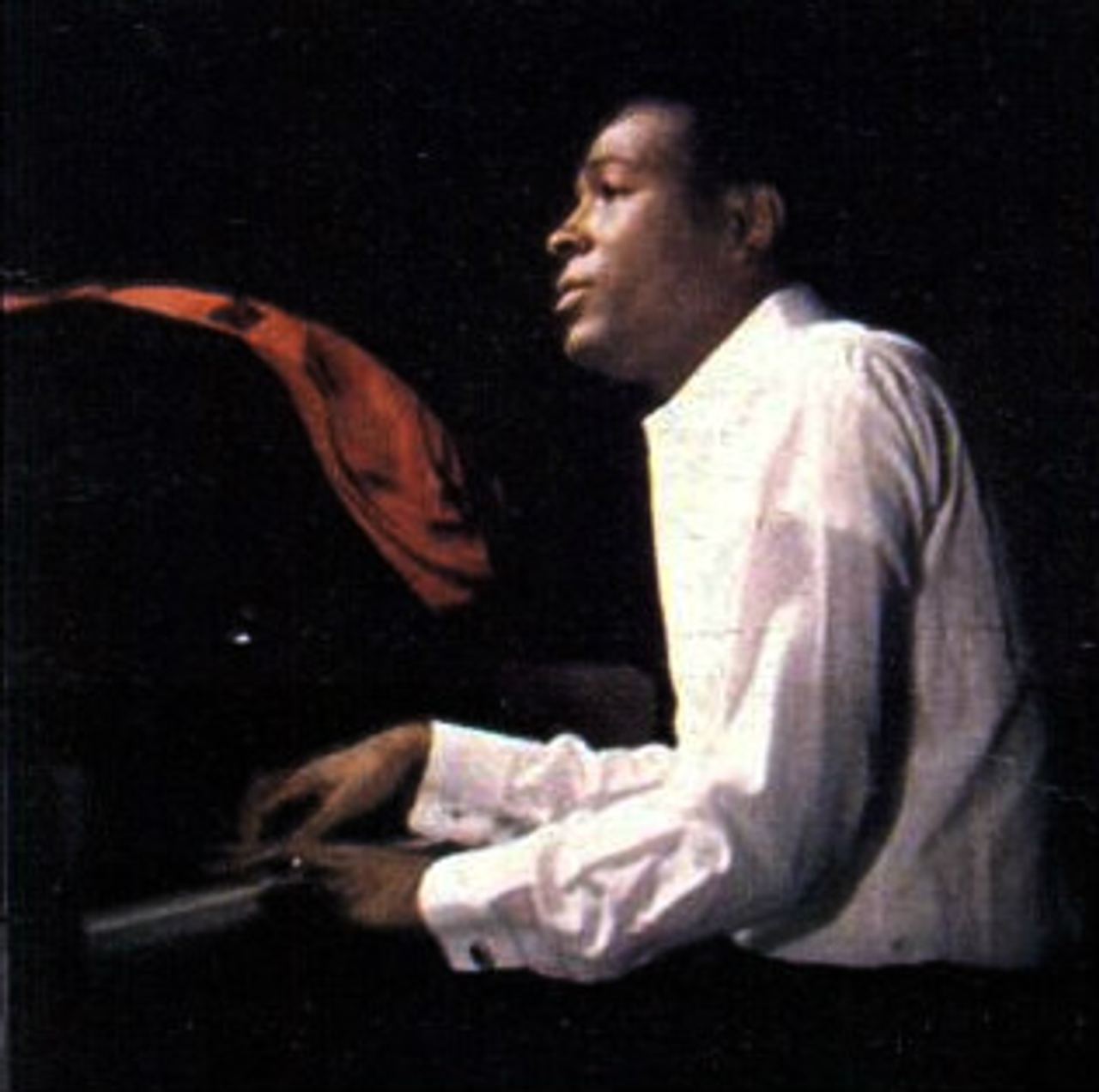
Quick Facts
- Song: “What’s Going On”
- Artist: Marvin Gaye
- Label: Motown
- Motown founder: Berry Gordy
- Setting in the story: Hitsville U.S.A., Detroit
- Core theme: Artistic risk versus hit-making formula
Image credits: Tamla / Wikimedia Commons / Public domain; Tamla / Wikimedia Commons / Public domain; Tamla Records / Wikimedia Commons / Public domain.