1976 – The Doobie Brothers Needed Help When Tom Johnston Fell Ill. How Did Michael McDonald’s Piano and Voice Rebuild the Band From Inside?
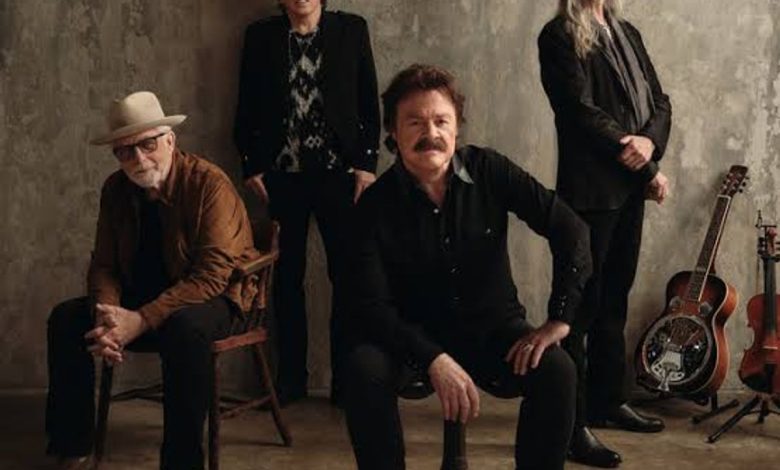
Michael McDonald was not hired to reinvent the Doobie Brothers.
He was hired because the band had a problem.
Tom Johnston, one of the group’s central singers and songwriters, was suffering serious health issues while the band was touring.
Shows had to be cancelled.
The Doobies needed a keyboard player and vocalist who could help them continue.
Jeff “Skunk” Baxter knew McDonald from Steely Dan and suggested him.
Then the temporary solution brought songs.
One of them was “Takin’ It to the Streets.”
The piano chords, soul harmony and McDonald’s smoky voice sounded unlike the guitar-driven Doobie Brothers who had made “Listen to the Music,” “Long Train Runnin'” and “China Grove.”
The band recorded it anyway.
Released in 1976, the single reached the American Top 20 and introduced a new version of the Doobies that would eventually produce some of their biggest successes.
A personnel emergency became an artistic turn.
The Old Doobie Sound Had Been Built on Guitars and Motion
The early Doobie Brothers had a specific physical identity.
Twin guitars.
Boogie rhythms.
Road-song momentum.
Tom Johnston’s voice had grain and power.
Pat Simmons supplied another writing personality with folk and roots influences.
The group could sound relaxed and muscular at the same time.
Their hits felt built for driving.
That formula had made them one of America’s most dependable rock bands of the early 1970s.
Then touring began to damage Johnston’s health.
The group faced a question many successful bands eventually meet.
Can the sound survive when one of its central architects cannot continue at full strength?
Michael McDonald Arrived From a Different Musical World
McDonald had worked with Steely Dan, contributing keyboards and backing vocals.
His musical vocabulary leaned toward sophisticated soul, jazz harmony and keyboard-centered writing.
His voice was immediately identifiable.
Low.
Smoky.
Almost conversational in one register, then unexpectedly powerful when he pushed upward.
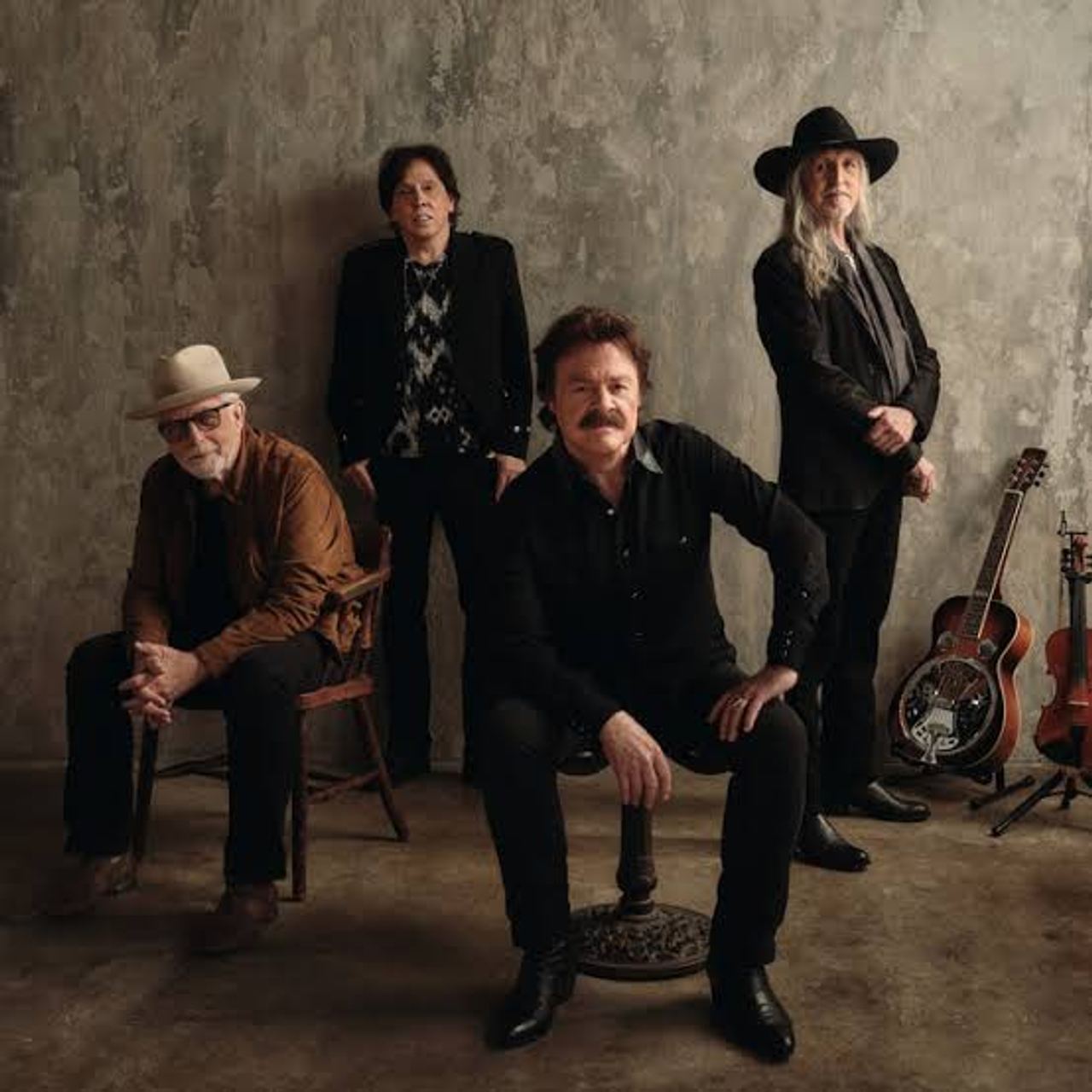
When he joined the Doobie Brothers, he did not sound like a substitute Tom Johnston.
That was the advantage.
Trying to copy Johnston would have created a weaker version of the old band.
McDonald brought a new center.
“Takin’ It to the Streets” Announced the Change in Its First Chords
The song begins from piano rather than a signature guitar riff.
That single choice changes the architecture.
The groove is soulful.
The harmony moves with more R&B complexity.
Guitars remain present, but they no longer define the entire frame.
McDonald’s voice immediately tells the listener that the Doobie Brothers have entered different territory.
The lyric carries a social dimension as well.
It addresses people denied power and recognition.
Take the message outside.
Make private frustration public.
The title sounds communal because the arrangement behaves communally.
The Band Did Not Simply Become Michael McDonald’s Backup Group
The transition is often oversimplified.
The Doobie Brothers still contained Pat Simmons, Baxter, Tiran Porter, drummers and percussionists with long histories inside the band.
The new sound emerged from collision rather than replacement.
Simmons’ roots sensibility remained.
Baxter’s guitar intelligence remained.
The rhythm section remained flexible.
McDonald added harmonic options the group had not previously emphasized.
The result was a hybrid.
Rock band becoming soul-pop machine without completely erasing either side.
Producer Ted Templeman Helped the New Version Make Sense
Ted Templeman had already guided the Doobies through their earlier successes.
That continuity mattered.
A new songwriter and vocalist could have made the band sound like a different project overnight.
Templeman understood how to preserve recognizable weight while allowing keyboards and layered vocals to expand.
The production on Takin’ It to the Streets feels polished but still physical.
The drums matter.
Bass matters.
Guitars matter.
The piano simply changes the hierarchy.
The First McDonald Single Reached the Top 20
“Takin’ It to the Streets” peaked at No. 13 on the Billboard Hot 100.
That was strong enough to validate the experiment.
The band could survive change.
More importantly, the public did not demand that the Doobie Brothers freeze in their early-1970s identity.
The new voice created curiosity rather than rejection.
The album became the foundation for a second commercial life.
“It Keeps You Runnin'” deepened the McDonald sound.
Then later albums would move further toward sophisticated R&B and pop.
The Change Created Tension Because Change Always Does
Fans often divide the Doobie Brothers into eras.
The Johnston years.
The McDonald years.
Guitar rock versus yacht rock.
That division can become caricature.
The real transition was messier.
Johnston still appeared during parts of the period.
Older musical elements remained.
The band evolved in public.
Some listeners preferred the rougher sound.
Others embraced the polish.
The disagreement proves the change was meaningful.
Nobody argues intensely about a shift that makes no difference.
McDonald’s Voice Became an Instrumental Color
His voice is so distinctive that it functions almost like another keyboard timbre.
When McDonald enters a harmony, the track changes temperature.
This would become central not only to the Doobie Brothers but to late-1970s and early-1980s studio pop.
His session work spread everywhere.
Yet “Takin’ It to the Streets” is the moment a major band reorganized itself around that color.
The voice did not merely sing the new songs.
It made the songs require different chords, different spaces and different arrangements.
The Path Led to “What a Fool Believes”
The full consequence arrived a few years later.
On Minute by Minute, the McDonald-era Doobies achieved enormous success with “What a Fool Believes,” co-written by McDonald and Kenny Loggins.
That record won major Grammy Awards and became a No. 1 pop hit.
The sophistication listeners heard there did not appear overnight.
“Takin’ It to the Streets” had opened the door.
Once the band learned it could survive the change, it could move further.
An Emergency Became Evolution
This is what makes the story valuable beyond one song.
Bands often treat personnel crises as threats to identity.
The Doobie Brothers discovered that identity can expand.
McDonald was not the obvious replacement for Johnston because he was not a replacement at all.
He was another writer with another musical vocabulary.
The band survived by allowing the difference to be audible.
The new sound was not continuity disguised.
It was change accepted.
The Piano Did Not Kill the Guitars. It Gave Them Another Context.
Listen to the song closely and the old Doobies have not vanished.
The rhythmic confidence remains.
The ensemble remains.
What changes is the center of gravity.
Piano and soul harmony pull the band inward.
The group becomes less about the highway and more about the pocket.
That shift would help define an entire branch of late-1970s American rock and R&B crossover.
The New Harmony Changed How the Rhythm Section Could Move
McDonald’s arrival did more than place piano in front of guitars. His chords changed what everyone else could play. More extended soul and jazz harmony gave the bass different destinations, gave backing vocals new internal notes and allowed guitarists to become colorists instead of constant riff providers. A personnel change became a harmonic change, which is why the shift sounds deeper than simply replacing one lead singer with another.
The rhythm section adapted surprisingly well. The Doobies had always been strong groove players; early hits simply aimed that groove toward boogie and road rock. McDonald’s songs redirected the same physical discipline toward a tighter R&B pocket. The continuity is easier to hear when focusing on drums and bass rather than comparing only lead voices. The band changed language without forgetting how to move.
Return to the First New Voice
Hear “Takin’ It to the Streets” as the moment the Doobie Brothers stopped trying to protect one version of themselves.
Then follow McDonald into “It Keeps You Runnin’,” where the new harmonic language became even more unmistakable:
May you like
The Paul McCartney Production That Made Mary Hopkin an Apple Records Sta…
Mary Hopkin, whose music changed dramatically around one defining moment.Music history often turns on a moment that looks small at…
The Jewish Songwriter Behind Rock’s Most Unlikely Gospel Hit
Norman Greenbaum, whose music changed dramatically around one defining moment.Music history often turns on a moment that looks sma…
The Motorcycle Lyric That Gave Heavy Metal Its Name
Steppenwolf, whose music changed dramatically around one defining moment.Music history often turns on a moment that looks small at…
▶ The Doobie Brothers – Takin’ It To The Streets (Official Audio)
▶ The Doobie Brothers – It Keeps You Runnin’
Share
X
Telegram
Other posts
Draft
The David Bowie Song That Stopped Mott the Hoople From Breaking Up
Draft
The Farewell Tour Cream Announced While They Were Still on Top
Draft
The Few Studio Minutes That Made “Wild Thing” Sound Eternal
Draft
The 15-Minute Session That Captured “House of the Rising Sun”
Draft
The Studio Sideman Who Wrote a Song for Everyone
Draft
The Song Townes Van Zandt Waited 11 Years to Hear at No. 1
Draft
The Mail Route That Quietly Produced John Prine’s First Great Songs
Draft
The Monterey “Disaster” That Laura Nyro’s Recording Proves Never Happened
↑