1985 – Simple Minds Did Not Want Someone Else’s Song. How Did One Afternoon in the Studio Become Their American No. 1?
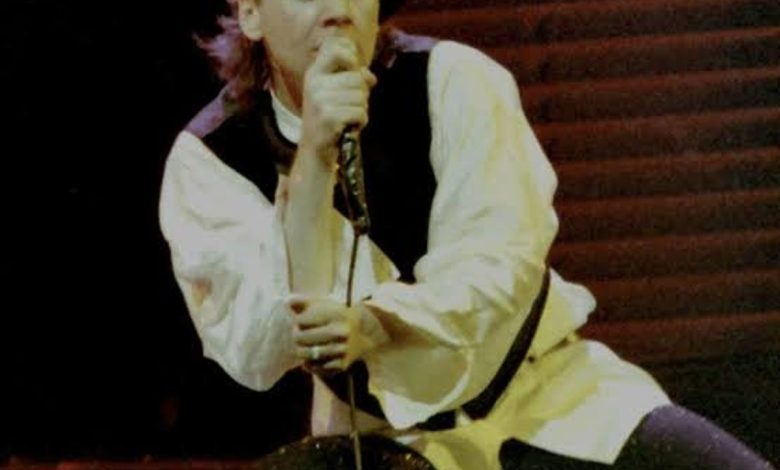
Simple Minds were not waiting for a rescue.
That was part of the problem.
By late 1984, the Scottish band had already built a serious audience with records such as New Gold Dream and Sparkle in the Rain. Jim Kerr and Charlie Burchill were writing new material. The group had its own identity.
Then Keith Forsey arrived with a song written for a film.
“Don’t You (Forget About Me).”
The band had not written it.
They were not impressed enough by the demo to change their plans.
They initially turned it down.
Forsey kept pushing.
He liked Simple Minds and believed the song could fit them if they reshaped it.
Eventually, Kerr agreed to try it.
The group went into a studio for what Kerr later remembered as essentially an afternoon.
They changed the arrangement.
Kerr added the famous “la-la-la” ending because he did not have finished words for that section.
Forsey insisted they keep it.
The song went into The Breakfast Club.
Then it went to No. 1 in America.
The song Simple Minds almost treated as a side assignment became the record much of the world still uses to define them.
The Band’s Resistance Was About Identity
It is easy to retell the story as arrogance.
The band did not like a hit.
That misses the real concern.
Simple Minds wrote their own songs.
Accepting an outside composition felt like giving up part of the artistic identity they had spent years building.
Jim Kerr later explained that the group was enthusiastic about its own developing material.
Why stop writing your future to record somebody else’s song?
The hesitation made sense.
Artists often fear that one external success will become the public’s definition of them.
In this case, that fear came true.
The song became enormous.
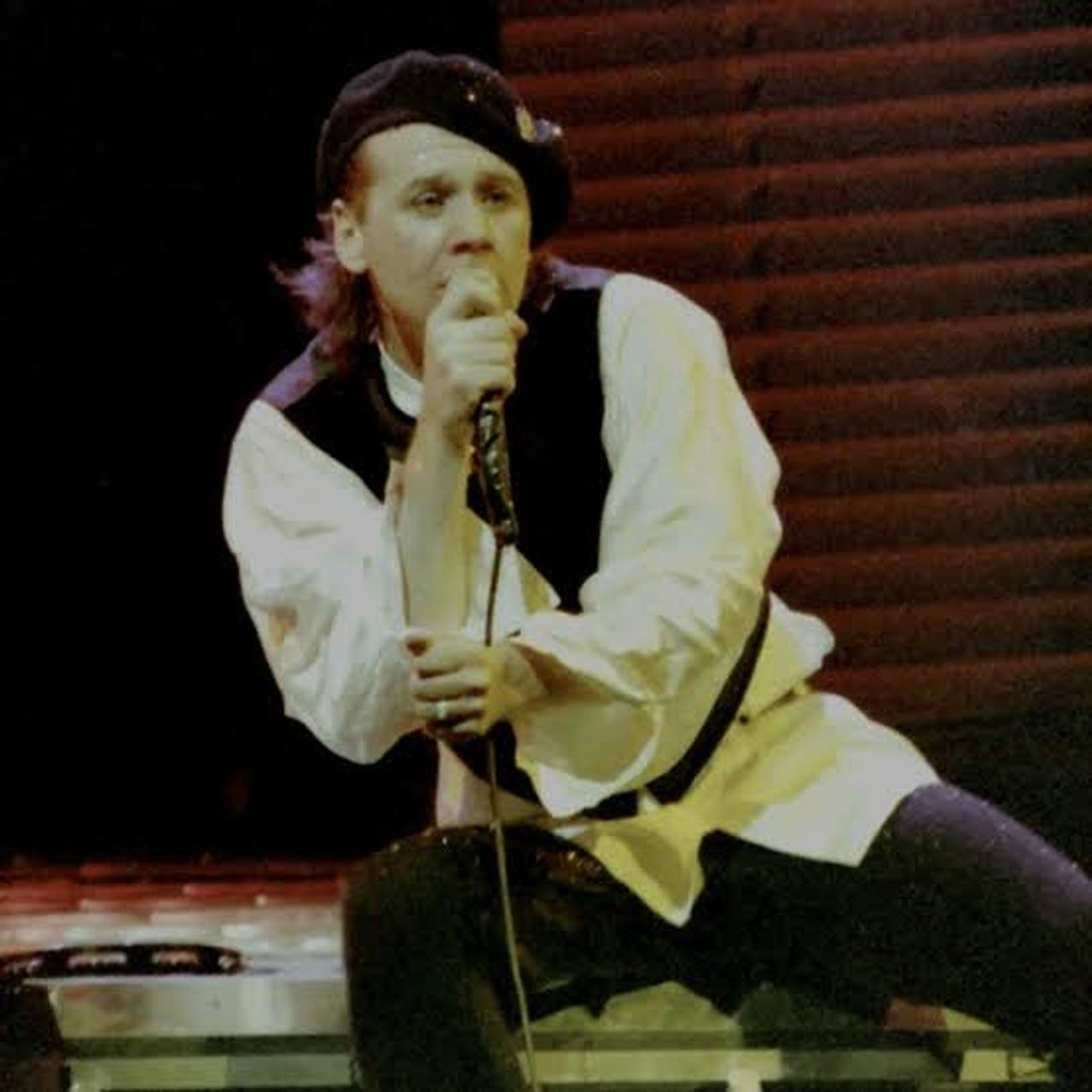
It also opened doors the band had been trying to reach.
Keith Forsey Needed the Right Band More Than the Band Needed the Song
Forsey had written the song with Steve Schiff for The Breakfast Club soundtrack.
The film needed an anthem.
Other artists were considered or approached in the mythology around the project, but Forsey became persistent about Simple Minds.
He did not simply mail the demo and move on.
He met them.
They went to the pub.
They liked him.
Personal connection softened artistic resistance.
That is a crucial part of the story.
A song can be rejected as material and accepted through trust.
The band still did not love the demo.
They believed they could make the composition sound more like themselves.
That became the compromise.
The Arrangement Turned the Demo Into Simple Minds
The recorded version has the scale the band had been developing in its own work.
Large drums.
Atmospheric guitar.
Keyboards.
A sense of open space.
Jim Kerr’s voice carries both distance and intimacy.
The song becomes less like a soundtrack assignment and more like a Simple Minds record.
That transformation justified the decision.
The band did not surrender its style to the song.
It forced the song into its style.
This is why the hit did not sound like an awkward cover.
The authorship changed at the level of arrangement.
The “La-La-La” Ending Came From Incompletion
One of the strangest details is the ending.

Kerr had not finished writing words for that section.
He filled the space with vocal syllables.
La-la-la-la-la.
He planned to replace them.
Forsey refused.
The temporary solution had become the hook.
This is the same principle Maurice White understood with “September.”
Words do not always need literal meaning.
A vowel can create participation.
The ending gives the audience something everyone can sing.
No memory required.
No lyric sheet.
The song about not being forgotten ends with a sound nobody forgets.
The Breakfast Club Gave the Song a Face
Then John Hughes’s film created the visual memory.
Five teenagers.
Detention.
Different social identities.
One day of forced proximity.
The song plays over the ending as Judd Nelson’s character walks away and raises his fist.
That image fused with the record.
The lyric’s plea not to be forgotten suddenly belonged to adolescence itself.
The song did not need to describe the film’s plot.
It captured its emotional aftertaste.
People leave school.
Groups separate.
Identity changes.
Will you remember me?
The Movie Made the Song Personal to Millions
This is why the soundtrack placement mattered more than ordinary promotion.
The audience had already spent the film learning the characters.
When the song arrived, emotion had been prepared.
Radio then separated the song from the movie.
MTV reinforced the band’s image.
The record became usable outside cinema while retaining the feeling of the final scene.
That is soundtrack success at its highest level.
The film makes the song larger.
The song makes the film larger.
Neither fully owns the memory afterward.
America Finally Opened
Simple Minds had wanted greater success in the United States.
Their previous efforts had not fully connected.
“Don’t You (Forget About Me)” changed that.
The single reached No. 1 on the Billboard Hot 100 in May 1985.
Suddenly the group had the American breakthrough that years of its own music had not delivered.
The irony was obvious to Kerr.
The song that “kicked the door wide open” was not one the band had written.
That success accelerated everything.
Bigger audiences.
MTV visibility.
The Once Upon a Time era.
Stadium scale.
The Hit Created a Problem Inside the Triumph
Some earlier fans disliked the new mass popularity.
The band had emerged from post-punk and European art-rock culture.
Now one song placed them inside mainstream American movie culture.
Success changes how people hear the past.
A band once perceived as adventurous can suddenly be treated as commercial.
Simple Minds had to live inside that contradiction.
The song opened the world.
It also simplified the band’s public story.
That is the price of a defining hit.
The Song Was Not Even Put on the Next Studio Album
Another revealing detail:
“Don’t You (Forget About Me)” did not become part of the standard track list of Once Upon a Time.
The band still treated it as something slightly separate.
A soundtrack single.
A strange visitor.
That separation could not control the audience.
For listeners, the song belonged completely to Simple Minds.
Public ownership is stronger than album sequencing.
Eventually, the band embraced the song as part of the live ritual.
It became unavoidable.
The Record They Did Not Write Became Something Only They Could Have Made
This is the final paradox.
Composition and recording are not the same thing.
Keith Forsey and Steve Schiff wrote the song.
Simple Minds created the version the world remembers.
The drums.
The atmosphere.
Kerr’s vocal.
The unfinished “la-la-la.”
The scale.
The performance transformed authorship into identity.
That is why the record remains theirs emotionally even though it was never theirs on paper.
The Success Arrived Just Before the Band’s Own Songs Went Stadium-Sized
The timing created another irony. Simple Minds were already moving toward the sound that would make Once Upon a Time enormous. Songs such as “Alive and Kicking,” “Sanctify Yourself” and “All the Things She Said” were not evidence of a band waiting to be saved by an outsider. The soundtrack single simply reached America first and gave those songs a larger platform when they arrived.
That sequence helps explain why Jim Kerr has been able to discuss the song with both gratitude and distance. It changed the band’s life, but it did not create the band’s artistic evolution. The group’s own writing was developing toward arena scale anyway. “Don’t You” accelerated the public recognition of something already happening internally.
The record therefore sits in a strange position: an external composition that accurately predicted where the band’s own music was heading. That may be why it worked so naturally once Simple Minds reshaped it. Forsey had written a song that sounded as if it belonged to a future version of the group. The band’s task was to catch up with that reflection without losing itself.
Call the Name Again
Hear the global breakthrough first.
Then move into “Alive and Kicking,” where Simple Minds proved their own songwriting could carry the stadium-sized audience that the soundtrack hit had suddenly delivered:
▶ Simple Minds – “Don’t You (Forget About Me)” (Official Video)
Read more stories
- Inside Dolly Parton’s Modest Log Cabin Childhood Home Where She Sang Into a Tin Can and Dreamed of Stardom — Photos
- Billy Ray Cyrus Reveals Dolly Parton’s Last Message to Him — Miley Recalls One of Her Final Conversations with ‘Aunt Dolly’
- “Oh my gosh!! I made these for my son’s birthday party and apparently didn’t make enough.
- Dispatch Call Reveals Where Tim Curry Was Found — 14 Years Earlier, a 911 Call He Initially Objected to Ended Up Saving His Life