The 1971 No. 1 That Became Her Defining Farewell
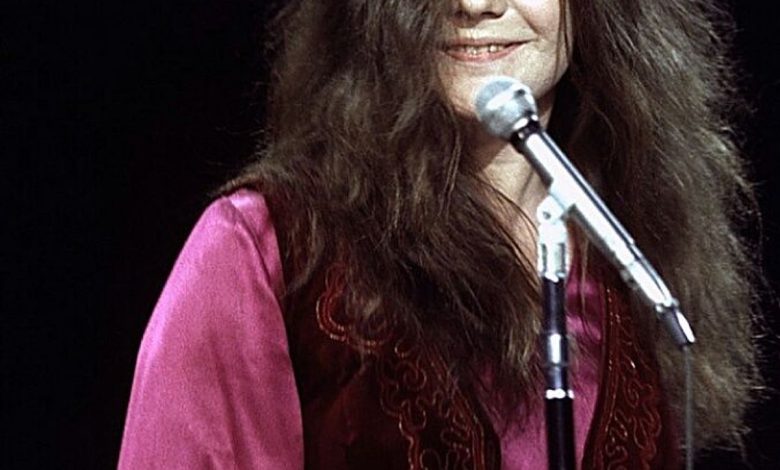
Janis Joplin’s “Me and Bobby McGee”: The 1971 No. 1 That Became Her Defining Farewell
A Song Recorded Near the End of Janis Joplin’s Life
“Me and Bobby McGee” was written by Kris Kristofferson and Fred Foster. Joplin recorded her interpretation during the sessions for Pearl in 1970. She died on October 4, 1970, at 27, before the album was released.
Pearl arrived posthumously in January 1971. Joplin’s version transformed an already-recorded country song through her blues-rock phrasing, moving from an intimate opening into a raw, exuberant vocal performance.
Janis Joplin – Me and Bobby McGee (Official Audio)
Continue reading
The Detroit Singer Who Became a Superstar Without Knowing It
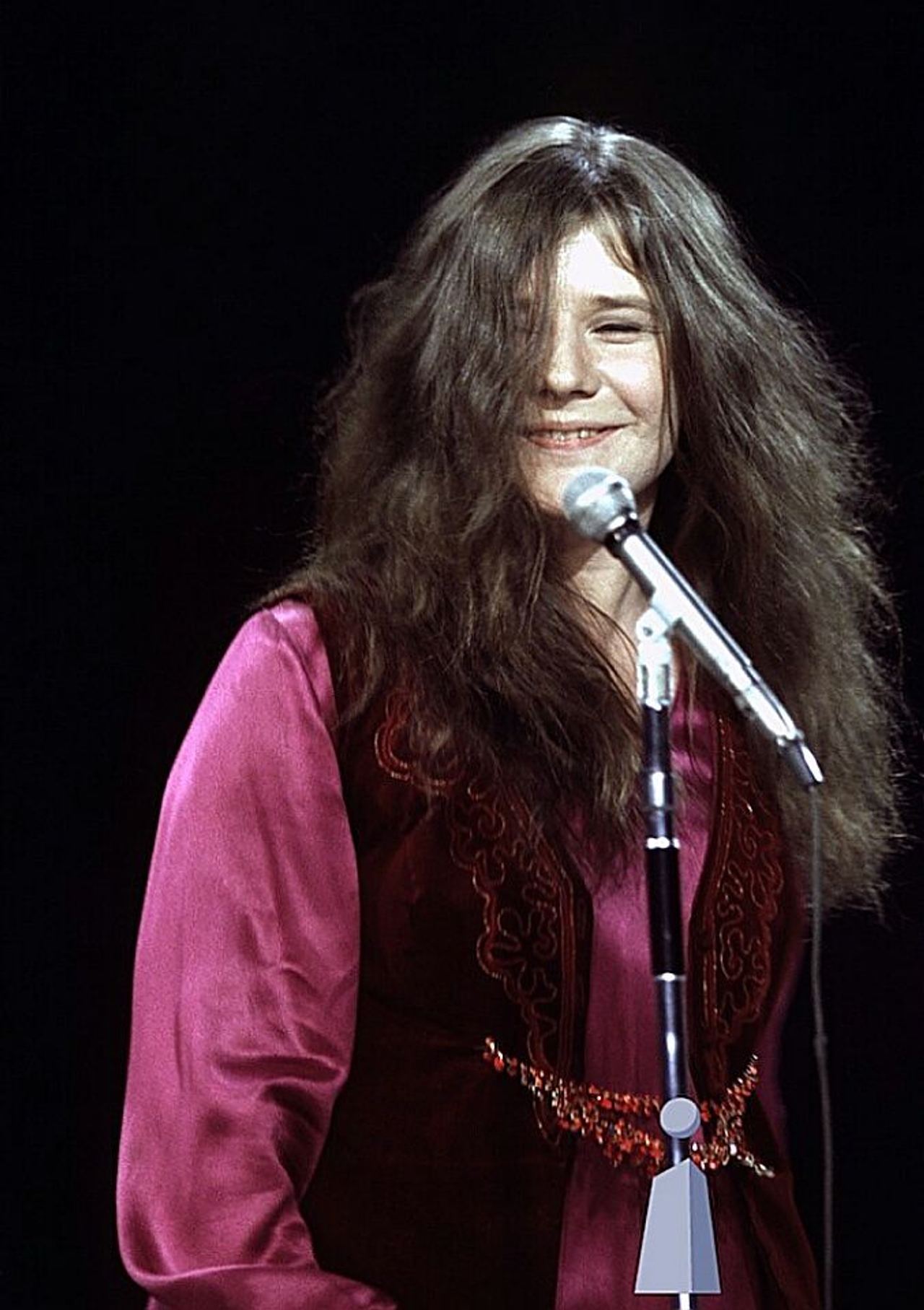
Rodriguez disappeared after his records failed in America, unaware that Cold Fact had made him a mysterious superstar in South Africa.
Sixto Rodriguez — the artist behind “Sugar Man.”
Popular memory can make a classic recording seem inevitable, as though the right singer, song and moment were always destined to meet. The story of Sixto Rodriguez shows a less orderly process. Around 1970–1998, one decision, interruption or unexpected opportunity changed how the public heard the artist—and how the earlier music would be remembered.
Detroit singer-songwriter Sixto Rodriguez recorded Cold Fact with local studio musicians and released it in 1970. Songs such as “Sugar Man” and “I Wonder” combined street-level observation with elegant arrangements, but the album attracted little attention in the United States. A second album also failed, and Rodriguez returned to construction work, education and community life.
A copy of Cold Fact reached South Africa, where the music spread through imports, bootlegs and home tapes during apartheid. Rodriguez became a countercultural icon, yet almost no reliable information accompanied the records. Fans developed elaborate rumors that he had died onstage, while the living artist in Detroit knew little about the scale of his overseas audience.
That turning point did not wipe away the work that came before it. Instead, it changed the meaning of the next performance. The experience carried into the timing, restraint or urgency listeners heard afterward, even when the record itself never explained the circumstances. The biography remained outside the studio, but its emotional pressure entered the music.
In the late 1990s, South African fans Stephen Segerman and Craig Bartholomew Strydom traced him through lyrics, producers and the early internet. They discovered Rodriguez alive in Detroit and brought him to South Africa in 1998, where he walked onstage before thousands who had assumed they would never see their hero.
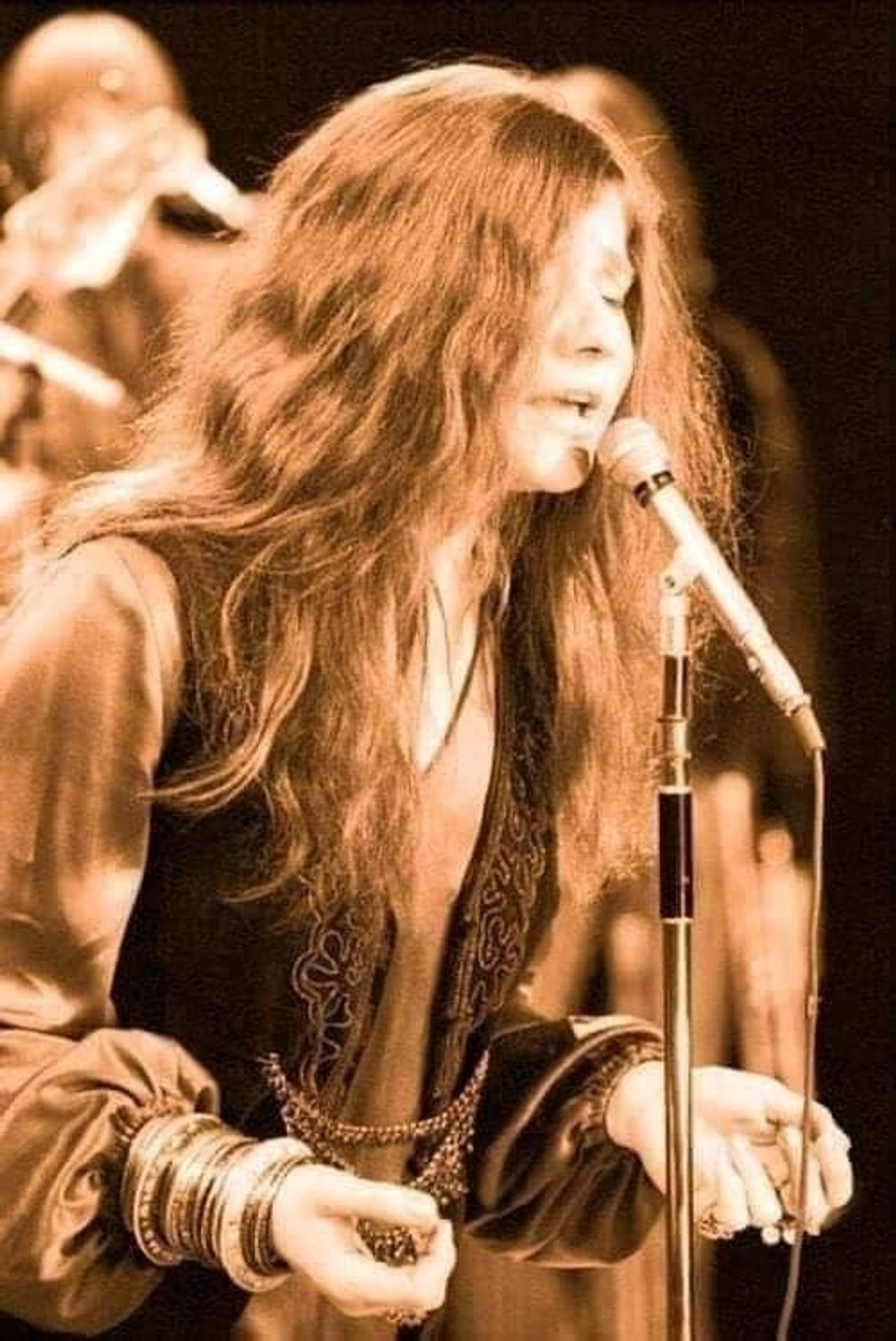
The story later reached the world through the documentary Searching for Sugar Man, but the central reversal was already complete. Commercial failure and superstardom had existed simultaneously on different continents. “Sugar Man” did not need rediscovery; its singer did. Rodriguez finally entered the history his listeners had been building without him.
Following the sequence matters. It restores risk to a familiar record and separates later legend from what the artist actually knew at the time. “Sugar Man” survives as entertainment, but the events surrounding it reveal something equally durable: careers are often defined by the response to disruption, not by a smooth climb toward success.
Discover more unforgettable stories behind the songs and artists who shaped music history on TreeIQ.
Listen: Sixto Rodriguez — “Sugar Man.”
The Lost Masterpiece Brian Wilson Finished 37 Years Later
Brian Wilson abandoned the Beach Boys’ ambitious SMiLE project in 1967, then returned to complete and perform it in 2004.
Brian Wilson — the artist behind “SMiLE.”
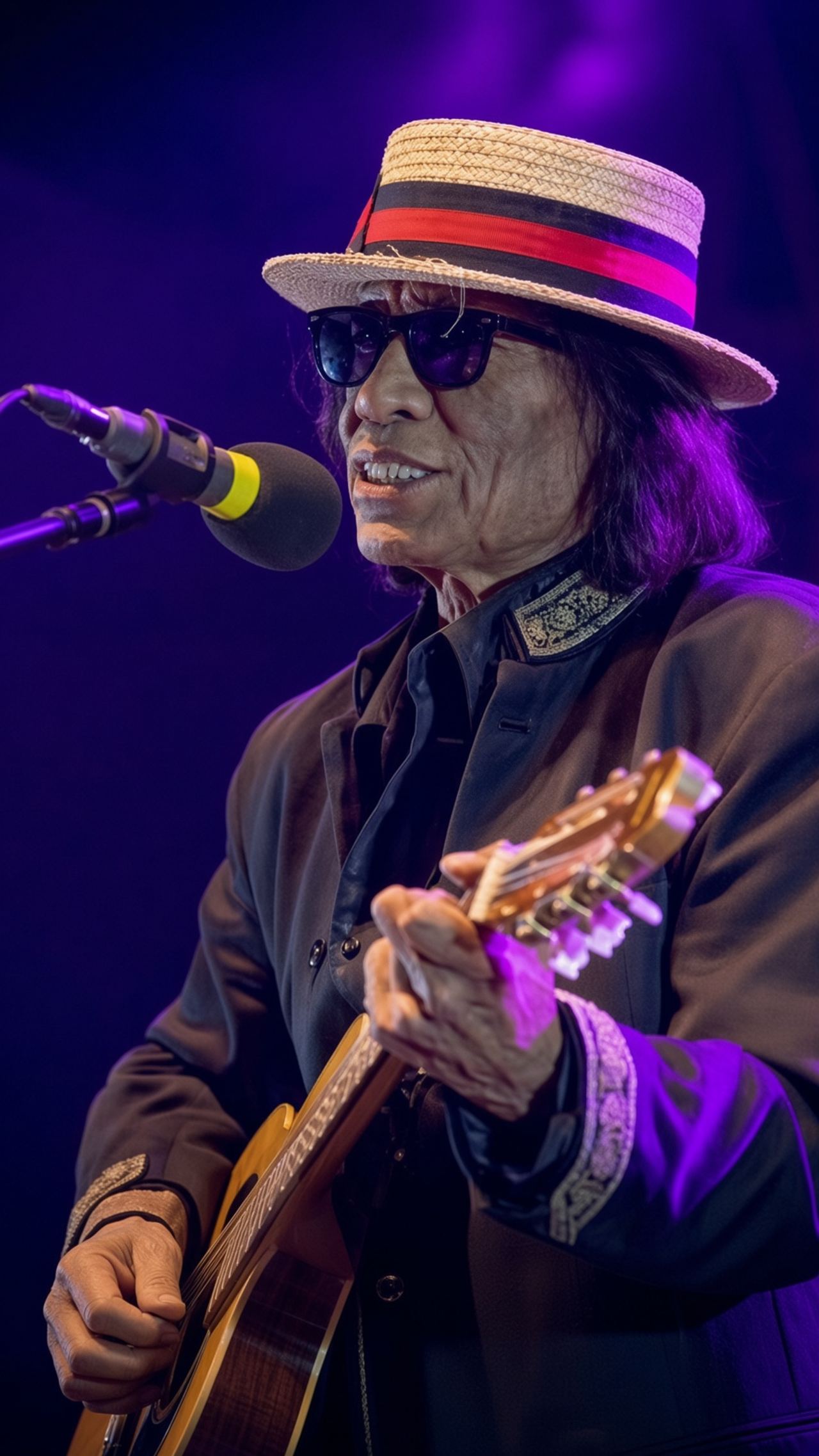
Popular memory can make a classic recording seem inevitable, as though the right singer, song and moment were always destined to meet. The story of Brian Wilson shows a less orderly process. Around 1966–2004, one decision, interruption or unexpected opportunity changed how the public heard the artist—and how the earlier music would be remembered.
After Pet Sounds and the extraordinary single “Good Vibrations,” Brian Wilson attempted something even larger with lyricist Van Dyke Parks. SMiLE was conceived as a modular journey through American history, humor and elemental sound, assembled from fragments recorded across numerous sessions rather than conventional complete songs.
Competition, internal resistance, shifting concepts and Wilson’s deteriorating mental health overwhelmed the project. In 1967, the Beach Boys abandoned the planned album and issued the stripped-down Smiley Smile instead. Fragments such as “Heroes and Villains” and “Surf’s Up” appeared over time, turning SMiLE into rock’s most famous unfinished record.
That turning point did not wipe away the work that came before it. Instead, it changed the meaning of the next performance. The experience carried into the timing, restraint or urgency listeners heard afterward, even when the record itself never explained the circumstances. The biography remained outside the studio, but its emotional pressure entered the music.
Decades later, Wilson’s touring band the Wondermints helped him organize the material as a coherent live suite. Brian Wilson Presents SMiLE premiered in London in February 2004 and became a newly recorded solo album that September. The work received the kind of celebration its twenty-four-year-old creator had been unable to reach.
The 2004 version cannot prove exactly what the Beach Boys would have released in 1967, and original sessions were later assembled separately. Its achievement is more personal: Wilson returned to music associated with fear and failure, stood before an audience and completed a shape. The lost masterpiece became a living comeback.
Following the sequence matters. It restores risk to a familiar record and separates later legend from what the artist actually knew at the time. “SMiLE” survives as entertainment, but the events surrounding it reveal something equally durable: careers are often defined by the response to disruption, not by a smooth climb toward success.
Discover more unforgettable stories behind the songs and artists who shaped music history on TreeIQ.
Listen: Brian Wilson — “SMiLE.”
The Psychedelic Pioneer Who Fought His Way Back to the Stage
Roky Erickson helped invent psychedelic rock, endured mental illness and institutionalization, then returned with one of his strongest albums.
Roky Erickson — the artist behind “You’re Gonna Miss Me.”
Popular memory can make a classic recording seem inevitable, as though the right singer, song and moment were always destined to meet. The story of Roky Erickson shows a less orderly process. Around 1966–2010, one decision, interruption or unexpected opportunity changed how the public heard the artist—and how the earlier music would be remembered.
Roky Erickson’s explosive voice drove the 13th Floor Elevators’ 1966 single “You’re Gonna Miss Me,” while Tommy Hall’s amplified jug helped make the band’s sound unlike any other garage group. Their debut openly used the word psychedelic and placed Austin at the beginning of a musical movement.
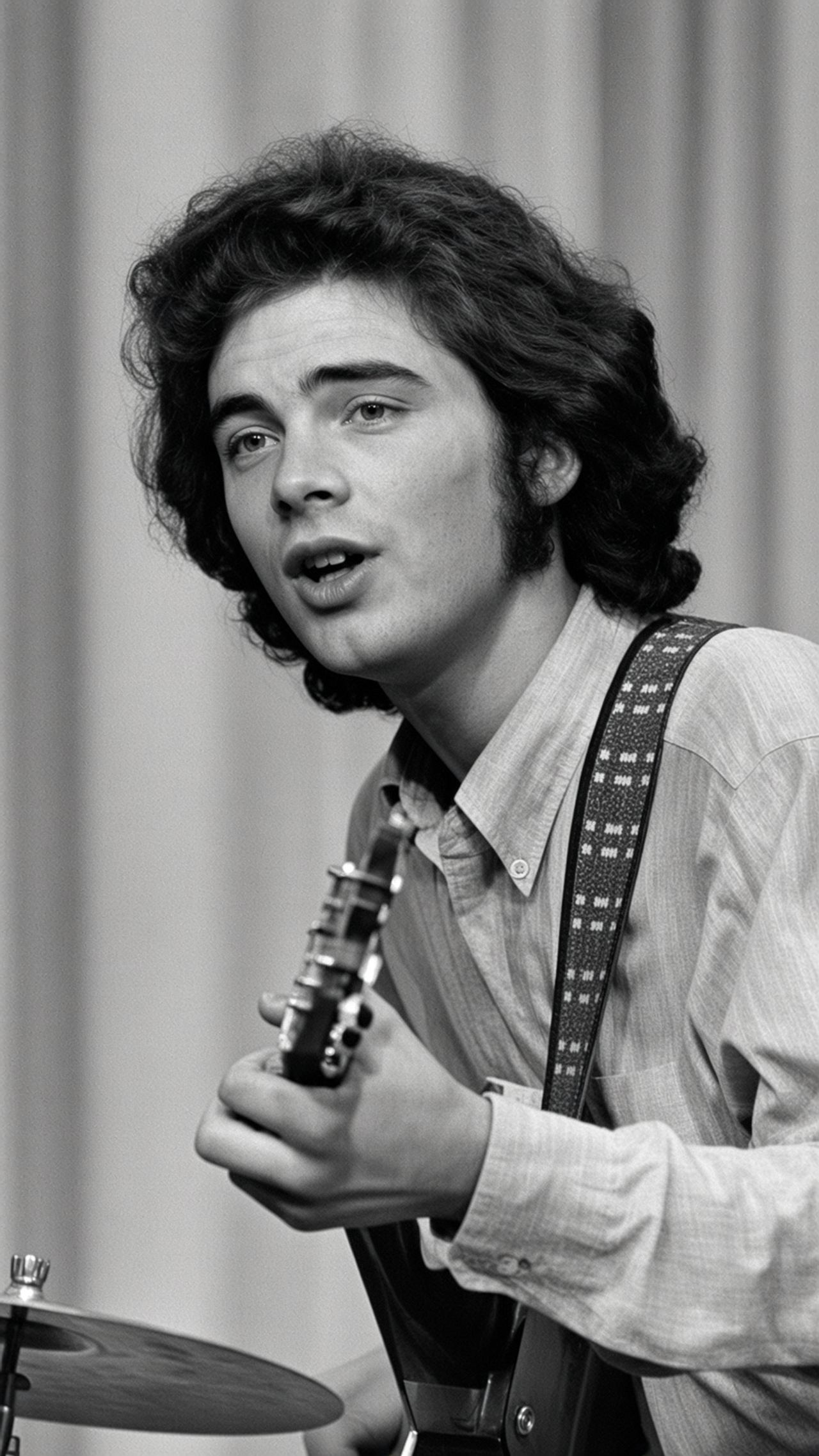
A 1969 marijuana arrest intersected disastrously with Erickson’s worsening mental health. After pleading not guilty by reason of insanity, he spent years in state institutions, including Rusk State Hospital. Treatment, isolation and instability interrupted the career just as the Elevators’ influence was spreading through music made by others.
That turning point did not wipe away the work that came before it. Instead, it changed the meaning of the next performance. The experience carried into the timing, restraint or urgency listeners heard afterward, even when the record itself never explained the circumstances. The biography remained outside the studio, but its emotional pressure entered the music.
Erickson recorded intermittently after release, developing a cult catalog of horror-themed rock while family and friends struggled to secure stable care. Improved support in the 2000s brought him back to regular performance. In 2010, working with Okkervil River, he released the acclaimed album True Love Cast Out All Evil.
The comeback did not erase what institutions and illness had taken. It allowed Erickson to appear as a working artist rather than only a tragic legend. “You’re Gonna Miss Me” once sounded like youthful defiance; heard after his return, its title also describes the decades in which rock music absorbed his ideas while its pioneer remained largely absent.
Following the sequence matters. It restores risk to a familiar record and separates later legend from what the artist actually knew at the time. “You’re Gonna Miss Me” survives as entertainment, but the events surrounding it reveal something equally durable: careers are often defined by the response to disruption, not by a smooth climb toward success.
Discover more unforgettable stories behind the songs and artists who shaped music history on TreeIQ.
Listen: Roky Erickson — “You’re Gonna Miss Me.”
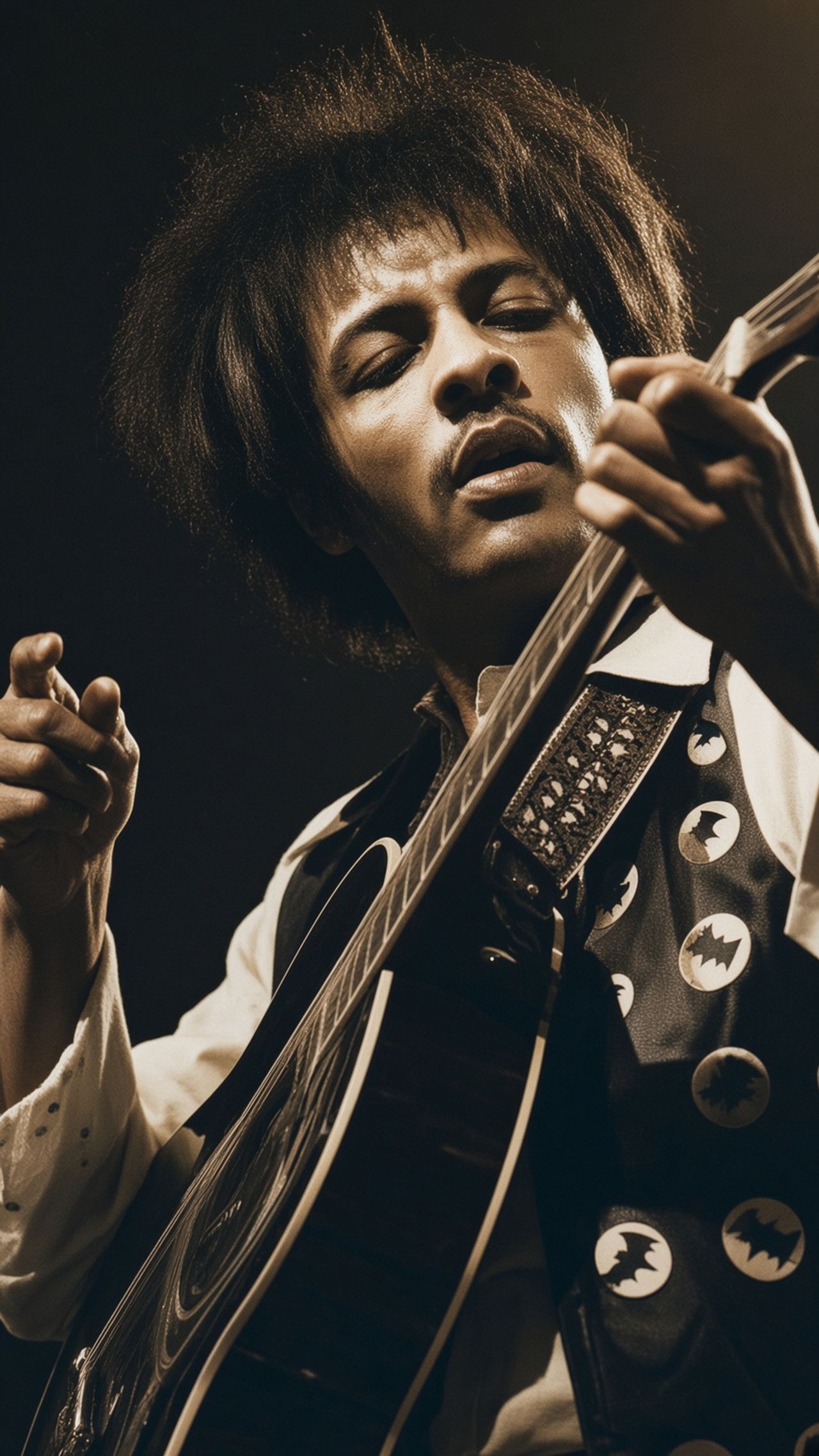
The Forgotten Album Arthur Lee Waited 35 Years to Perform
Love’s Forever Changes drew limited attention in 1967, then became a classic Arthur Lee finally performed with an orchestra decades later.
Arthur Lee and Love — the artist behind “Alone Again Or.”
Popular memory can make a classic recording seem inevitable, as though the right singer, song and moment were always destined to meet. The story of Arthur Lee and Love shows a less orderly process. Around 1967–2003, one decision, interruption or unexpected opportunity changed how the public heard the artist—and how the earlier music would be remembered.
Arthur Lee made Love one of the first major interracial rock bands on the Sunset Strip, combining garage attack with folk, jazz and orchestral ideas. The group enjoyed regional power with “My Little Red Book” and “7 and 7 Is,” but avoided extensive touring just as other California bands were building national audiences.
Recorded during internal instability, Forever Changes paired Lee’s uneasy songs with David Angel’s string and horn arrangements. The 1967 album achieved only modest commercial results in the United States and the original lineup soon dissolved. “Alone Again Or,” written by Bryan MacLean, became its best-known doorway while the full work slowly gathered critical stature.
That turning point did not wipe away the work that came before it. Instead, it changed the meaning of the next performance. The experience carried into the timing, restraint or urgency listeners heard afterward, even when the record itself never explained the circumstances. The biography remained outside the studio, but its emotional pressure entered the music.
Lee’s later decades included erratic work, legal trouble and years away from steady performance. After his release from prison, he returned to the stage. In 2003, backed by a new version of Love and an orchestral ensemble, he finally performed Forever Changes in full before sold-out audiences.
The concerts completed a recognition cycle the original band never enjoyed. Music once considered too strange or poorly promoted had become canonical enough to demand faithful reconstruction. Lee did not change the 1967 album; he lived long enough to enter the audience that had finally learned how to hear it.
Following the sequence matters. It restores risk to a familiar record and separates later legend from what the artist actually knew at the time. “Alone Again Or” survives as entertainment, but the events surrounding it reveal something equally durable: careers are often defined by the response to disruption, not by a smooth climb toward success.
Discover more unforgettable stories behind the songs and artists who shaped music history on TreeIQ.
Listen: Arthur Lee and Love — “Alone Again Or.”