How The Zombies’ “Time of the Season” Became a Late-Blooming Global Hit
A song that sounded like a mood
Released in 1968, “Time of the Season” arrived at a moment when pop music was stretching in every direction at once. The song did not crash into that landscape with brute force. Instead, it drifted in: cool, mysterious, and self-possessed. Its slow-burning groove, breathy lead vocal, and instantly recognizable call-and-response gave it a haunted intimacy that stood apart from louder, flashier records of the day.
What made the track memorable was not just its melody, but its atmosphere. The clipped bass line, the airy harmonies, the almost whispered sensuality of the performance all worked together to create something that felt suspended in time. In a period shaped by upheaval, experimentation, and generational change, “Time of the Season” captured the era’s dreamlike side without sounding dated or overdecorated.
It didn’t announce itself as a smash; it lingered, and that lingering quality became its power.
The Zombies at a turning point
By the time “Time of the Season” was released, The Zombies were already known for their distinctive sophistication. Unlike many beat-era contemporaries, the group had a refined melodic sensibility and a gift for arrangements that could be both elegant and adventurous. That musical intelligence ran through their work, and it reached a high point on the material surrounding this song.
Yet commercial success was not guaranteed. The late 1960s were crowded with new sounds and rapidly shifting tastes, and even strong singles could slip through the cracks. “Time of the Season” emerged from a band operating at a high creative level, but it initially failed to make a major impact in the UK and did not immediately catch fire in the United States either. That disconnect between artistic confidence and public response is part of what makes the song’s later ascent so compelling.
Why it didn’t hit right away
The record’s first reception was muted, in part because its strengths were subtle. “Time of the Season” did not rely on a big, obvious chorus or a hard-driving arrangement. It moved with patience, asking listeners to lean in rather than jump up. In a marketplace where immediate hooks often mattered most, that kind of slow seduction could be easy to miss on first release.
Its eventual success suggests that the song may simply have been a little ahead of its moment. As listeners and radio programmers caught up to its unusual texture and hypnotic appeal, the very elements that once made it seem elusive began to feel irresistible. What had sounded understated started to sound timeless.
The American breakthrough
Although the song underwhelmed at first in the U.S., it later climbed the American charts and became a surprise Top 10 hit in 1969. That delayed breakthrough transformed the record’s story. Rather than disappearing as a cult favorite or a missed opportunity, “Time of the Season” suddenly found the mass audience its mood and craftsmanship deserved.
Its rise in America also helped cement the song’s identity beyond its original release context. Once it became a hit, it was no longer simply another late-’60s single. It became a cultural marker: a track listeners associated with the psychedelic era’s sensuality, ambiguity, and inward-looking cool. The delay only deepened the mythology. It was as if the wider public needed time to hear what had been there all along.
The sound of psychedelic pop at its most elegant
Part of the song’s endurance comes from how precisely it evokes a certain corner of the late 1960s. Psychedelia is often remembered through extremes: distortion, flamboyance, extended improvisation, visual overload. “Time of the Season” offered another version of that sensibility. It was dreamy rather than chaotic, seductive rather than confrontational, and tightly constructed rather than sprawling.
That balance is why the record continues to resonate. It preserves the optimism and experimentation of its era, but it also carries a fragile, almost melancholy undertow. The performance suggests intimacy and uncertainty at the same time. That emotional duality gives the track depth, allowing it to function as more than just a period piece. It feels like a mood listeners can still enter decades later.
From sleeper single to permanent classic
Over time, “Time of the Season” evolved into a quintessential psychedelic anthem. Its reputation no longer depends only on its chart journey, impressive as that delayed rise was. The song has endured because it remains instantly recognizable and emotionally distinctive: a record that can conjure an entire atmosphere within seconds.
Its legacy rests on that rare combination of specificity and openness. It sounds unmistakably of 1968, yet it does not stay trapped there. New listeners continue to hear in it the shimmer of possibility, the tension of transition, and the cool mystery that made it unusual from the start. For a song that bloomed late, its afterlife has been remarkably long.
Quick Facts
- Song: “Time of the Season”
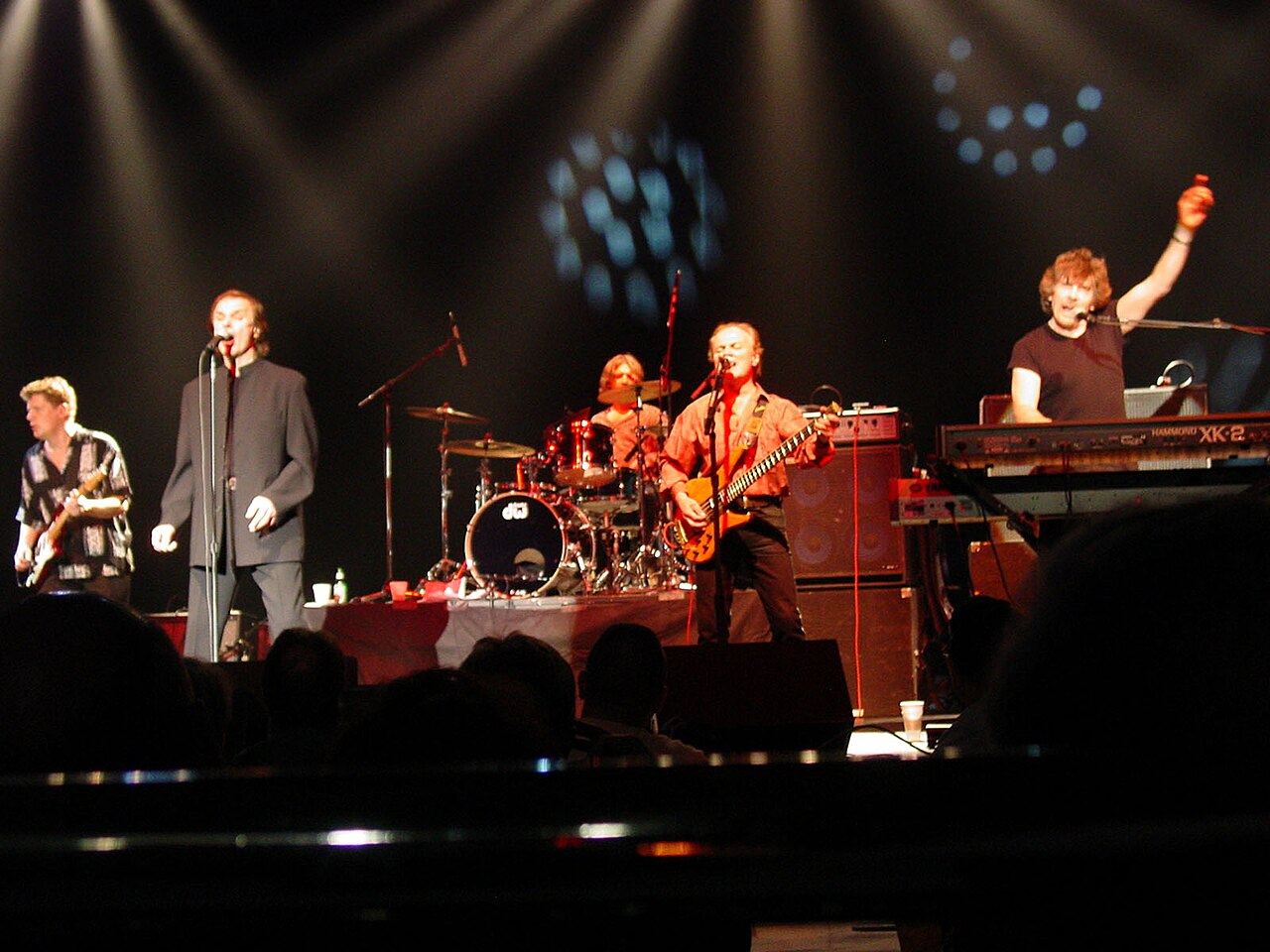
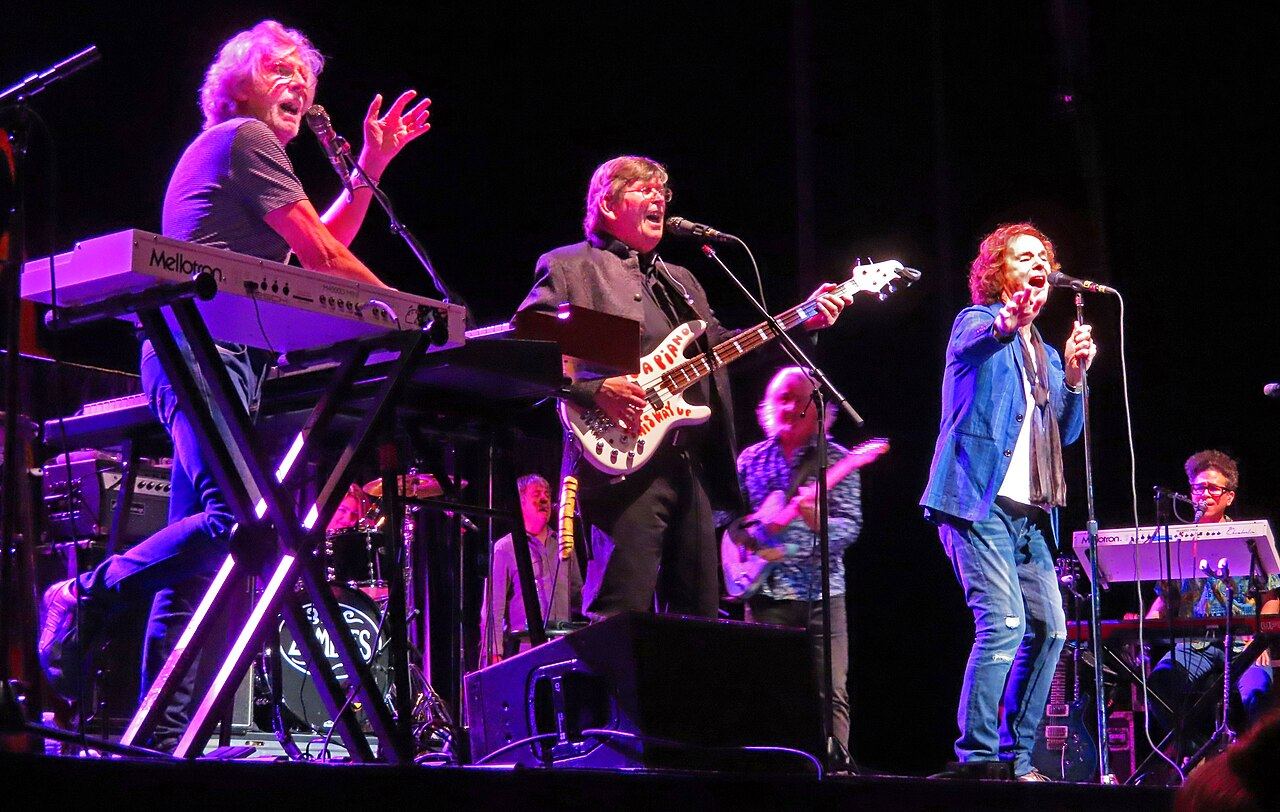
- Artist: The Zombies
- Released: 1968
- Breakthrough: Became a surprise Top 10 hit in the U.S. in 1969
- Known for: Hypnotic rhythm, hushed vocals, and call-and-response structure
- Legacy: Widely regarded as a quintessential psychedelic anthem
Image credits: JNL (Jean-noël Lafargue) delinavit et uploadit) / Wikimedia Commons / FAL; Peter Grad / Wikimedia Commons / CC BY-SA 1.0; J-Ham2000 / Wikimedia Commons / CC BY-SA 4.0.