The 1955 Love Song That Refused to Disappear — The Story Behind “Unchained Melody”
Some songs become hits.
Others become part of history.
First written in 1955, “Unchained Melody” began its journey as a song connected to the little-known prison film Unchained. The music was written by Alex North, with lyrics by Hy Zaret, and the original film performance was sung by Todd Duncan.
But that was only the beginning.
Over the decades, “Unchained Melody” was recorded by more than 670 artists in multiple languages, with more than 1,500 recordings attributed to the song. Few songs from the 1950s have traveled across generations quite like this one.
Then came The Righteous Brothers.
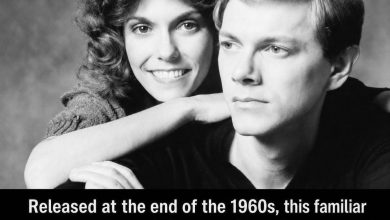
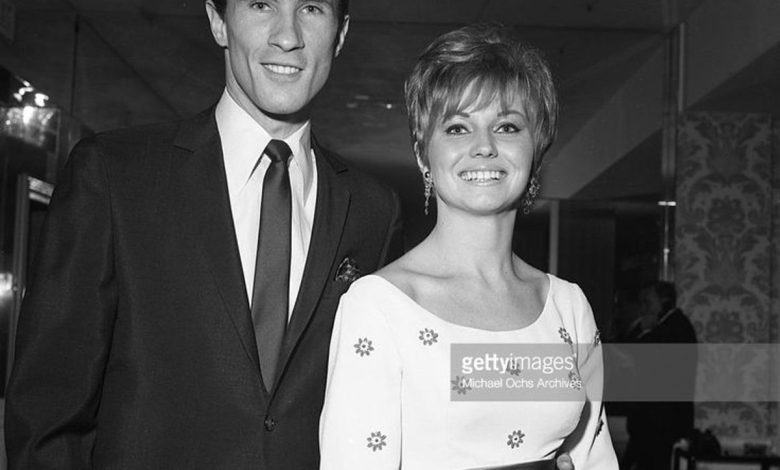
Their 1965 recording, featuring Bobby Hatfield on the lead vocal, gave the song an entirely new identity. Hatfield’s soaring delivery and emotional interpretation became so influential that many later versions followed elements of his approach.
There was something about that performance that made the song feel almost timeless.
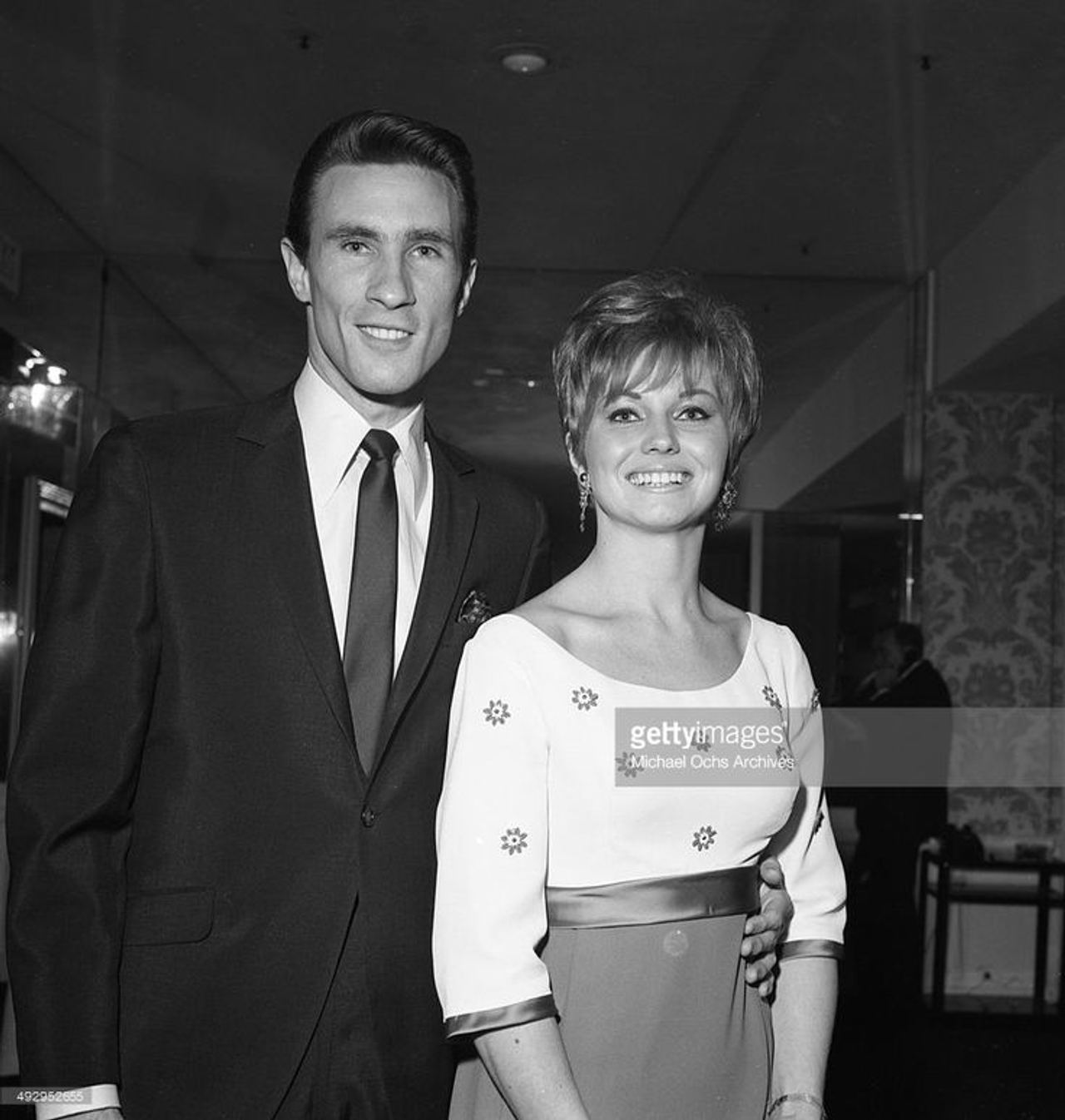
The melody was simple, but the emotion was enormous. The longing in the lyrics, combined with Hatfield’s extraordinary high notes, turned an old standard into something deeply personal.
And decades later, the song found an entirely new generation of listeners when The Righteous Brothers’ version appeared in the 1990 film Ghost. That moment helped transform the recording into one of the most recognizable romantic songs in popular culture.
But the story didn’t end there.
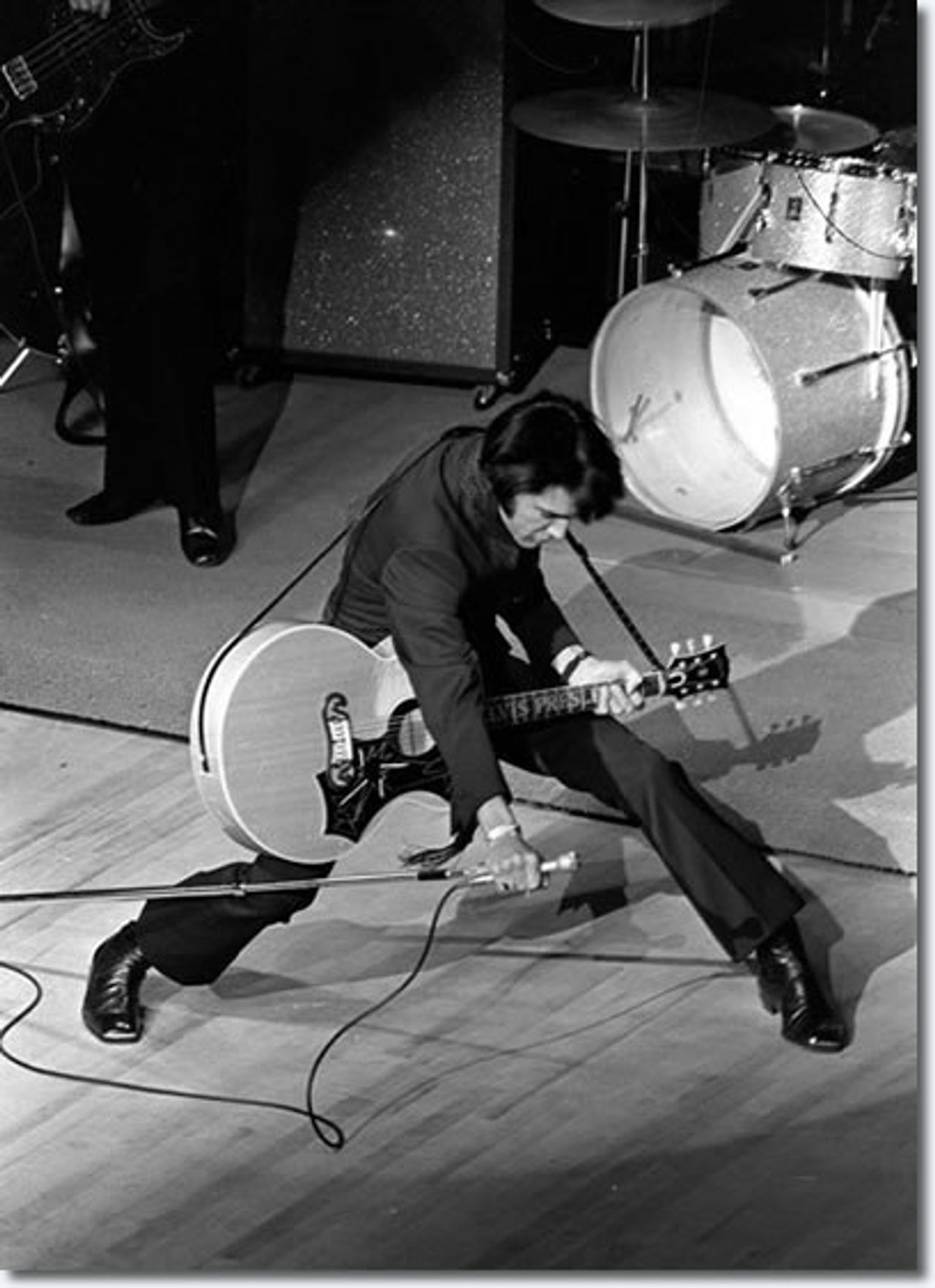
Elvis Presley also recorded and performed “Unchained Melody,” bringing his own unmistakable voice and stage presence to the song. His later performances added another chapter to an already remarkable musical legacy.
More than seven decades after its original creation, “Unchained Melody” still sounds strangely familiar.
Maybe that’s why it refuses to disappear.
It has been sung by different artists, recorded in different styles, and discovered by completely different generations — yet the feeling at its center remains the same.
Longing. Love. Distance. Hope.
Those emotions never really go out of style.
🎵 Listen to the classic
The Righteous Brothers — “Unchained Melody”
Do you remember the first time you heard this song? ❤️
The Heartbreaking Truth Behind Janis Joplin’s Iconic Piece of My Heart
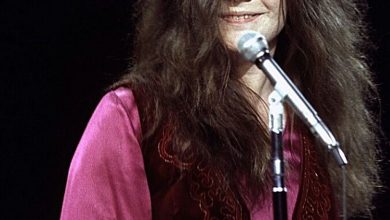
The year was 1968, a time when the flower power movement was beginning to wilt under the weight of political unrest, yet the airwaves were still crackling with the raw energy of the counterculture. Amidst this backdrop of change, a voice emerged from the smoky, subterranean clubs of the era to shatter the silence. When Janis Joplin belted out the opening lines of Piece of My Heart, she wasn’t just performing for a crowded venue; she was baring a soul that had been weathered by relentless expectation and the crushing isolation of sudden, meteoric fame. To the millions listening on their home stereos, she was a rock goddess, but behind the curtain, Janis Joplin was a woman drowning in a reality that her music could no longer soothe.
Most fans remember the screams and the unbridled passion that defined her presence, but the history of Janis Joplin is a tragedy draped in velvet and cigarette smoke. As the psychedelic era peaked and the promise of Woodstock loomed on the horizon, the pressure to maintain an untouchable persona became a suffocating shroud. While the world saw an unstoppable force of nature, those in her inner circle witnessed a lonely soul constantly searching for validation in all the wrong places. Her performance of Piece of My Heart remains a haunting testament to this internal dissonance, where every crack in her voice felt like a plea to be truly seen beyond the stage lights.
The irony of her legacy is that Janis Joplin provided a soundtrack for freedom while feeling increasingly imprisoned by the very stardom she had chased. Whether she was clutching a bottle of Southern Comfort or channeling her blues-drenched pain into a microphone, she lived in a cycle of highs and lows that mirrored the volatility of the sixties themselves. The recording studio, often a place of artistic refuge for many, became a mirror reflecting her desperate need for connection. She didn’t just sing the lyrics about giving her heart away; she was actively pouring the last reserves of her identity into a culture that consumed her talent while ignoring her fragility.

Even decades later, the sonic impact of that era remains tethered to her signature wail. For those who grew up in the shadow of the Vietnam War and found solace in the warmth of a vinyl record, Janis Joplin serves as a visceral reminder of what we lost. Her music acts as a time capsule, transporting us back to a world of fuzz pedals, bell-bottoms, and the lingering scent of incense in a crowded apartment. The tragedy of her short life is not just a footnote in rock history, but a profound human story that continues to resonate with anyone who has ever felt too much in a world that asks us to hide our scars.
As we look back at the icons who defined the late 1960s, the name Janis Joplin stands alone as the embodiment of authentic, unpolished emotion. She was a bridge between the blues of the past and the rock revolution of the future, yet she could never quite find a bridge back to herself. Her songs remain a vital part of our collective memory, preserved in the grooves of our oldest albums, still vibrating with the ghost of a woman who gave her everything to a world that was simply not prepared to handle the intensity of her heart.
The Secret Story Behind Elvis Presley’s 1969 Comeback Masterpiece – DailyFeed
In the winter of 1969, the American music landscape was shifting beneath our feet. While the youth were lost in the psychedelic haze of Woodstock and the rising tide of protest rock, the King of Rock ‘n’ Roll seemed to be fading into the archives of the fifties. Elvis Presley was arguably at the lowest point of his artistic life, buried under a mountain of formulaic B-grade movies and pop soundtracks that failed to capture his true spirit. The world had moved on, or so the record executives thought. Yet, tucked away in an American Sound Studio, Elvis was about to do the impossible, breathing fire back into a career that everyone had written off as a relic of the Jukebox era.
He was handed a song that was raw, aching, and deeply personal—a narrative about the cyclical nature of poverty and the desperate longing for change. At first, Elvis Presley hesitated. The lyrics touched a nerve that hit too close to home, stirring memories of his own harsh, impoverished upbringing in Tupelo, Mississippi. For a man who had become a symbol of glitz and excess, the song demanded a vulnerability he hadn’t shown in years. He didn’t want to play the persona of the King; he wanted to be the man who remembered the dirt roads and the hunger. When he finally stepped up to the microphone, the air in the room reportedly went cold, then suddenly electric.
That single recording session became a turning point in music history. Elvis Presley delivered a vocal take that was stripped of the theatrical bravado and replaced with a gritty, soul-searching intensity that hadn’t been heard since his Sun Records days. It wasn’t just a comeback; it was a resurrection. By channeling his own trauma and suppressed history into those lyrics, he proved that his voice was not merely an instrument of entertainment, but a vessel for the collective struggles of a generation that grew up alongside him. The industry was stunned, and the public quickly realized that the King had reclaimed his throne with a newfound, matured gravitas.
Looking back at that era, it is easy to forget how fragile fame truly is. Elvis Presley navigated a cultural revolution that threatened to make him irrelevant, yet he survived by digging deeper into his own shadow. The song became a beacon for his fans, a bridge between the nostalgia of the fifties and the turbulent reality of the late sixties. It wasn’t about the glamour of the stage or the flashing lights of the media; it was about the raw human connection that only a voice like his could manifest. Even decades later, that recording serves as a powerful reminder of how art can pull a legend from the brink of obscurity.
Today, we look back at the 1969 session as a masterclass in artistic reinvention. It remains a haunting, beautiful testament to a man who, despite the weight of global fame, chose to look into his past to find his future. If you listen closely to the crackle of the vinyl, you can still hear the tremble of a man discovering his truth all over again. Elvis Presley wasn’t just singing; he was reclaiming his legacy, one honest note at a time. The next time you find yourself lost in the echoes of the past, remember that even the brightest stars have to walk through the dark to find their way back home.
admin Content published under this byline is prepared by our editorial team, drawing on a mix of original reporting, research, and AI-assisted drafting, with each piece reviewed before publication. Our focus is on delivering clear, accurate, and engaging coverage across the topics our readers care about most.
Read more stories
- I Did My 70-Year-Old Grandma’s Makeup for Her First Date in 40 Years – My Stepmom Laughed at Us Both, but My Dad Taught Her a Lesson She’d Never Forget
- Barbara Mandrell’s ‘Sleeping Single in a Double Bed’ Turned Heartbreak Into a Country-Pop Breakthrough
- I Spent My Children’s Inheritance on a Luxury Car – Their Reaction Left Me Speechless
- I Married a 78-Year-Old Wealthy Man – During Our Wedding Vows, He Grabbed the Mic and Said, ‘My Bride Doesn’t Know One Important Detail About Me’