The Night Susan Boyle Silenced the Room
An entrance greeted with doubt
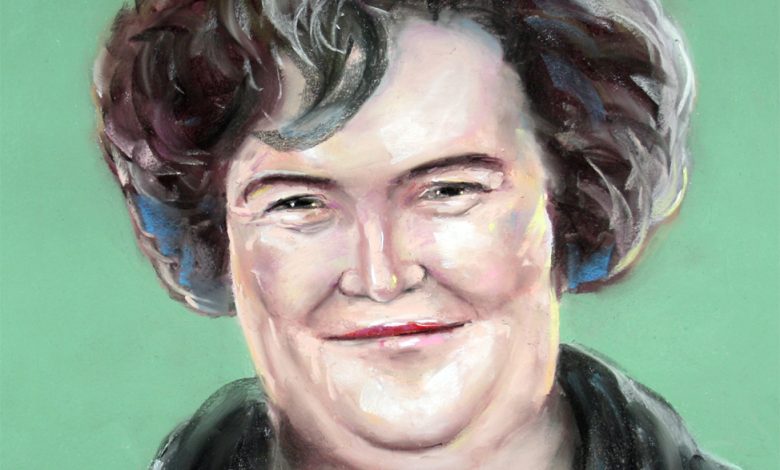
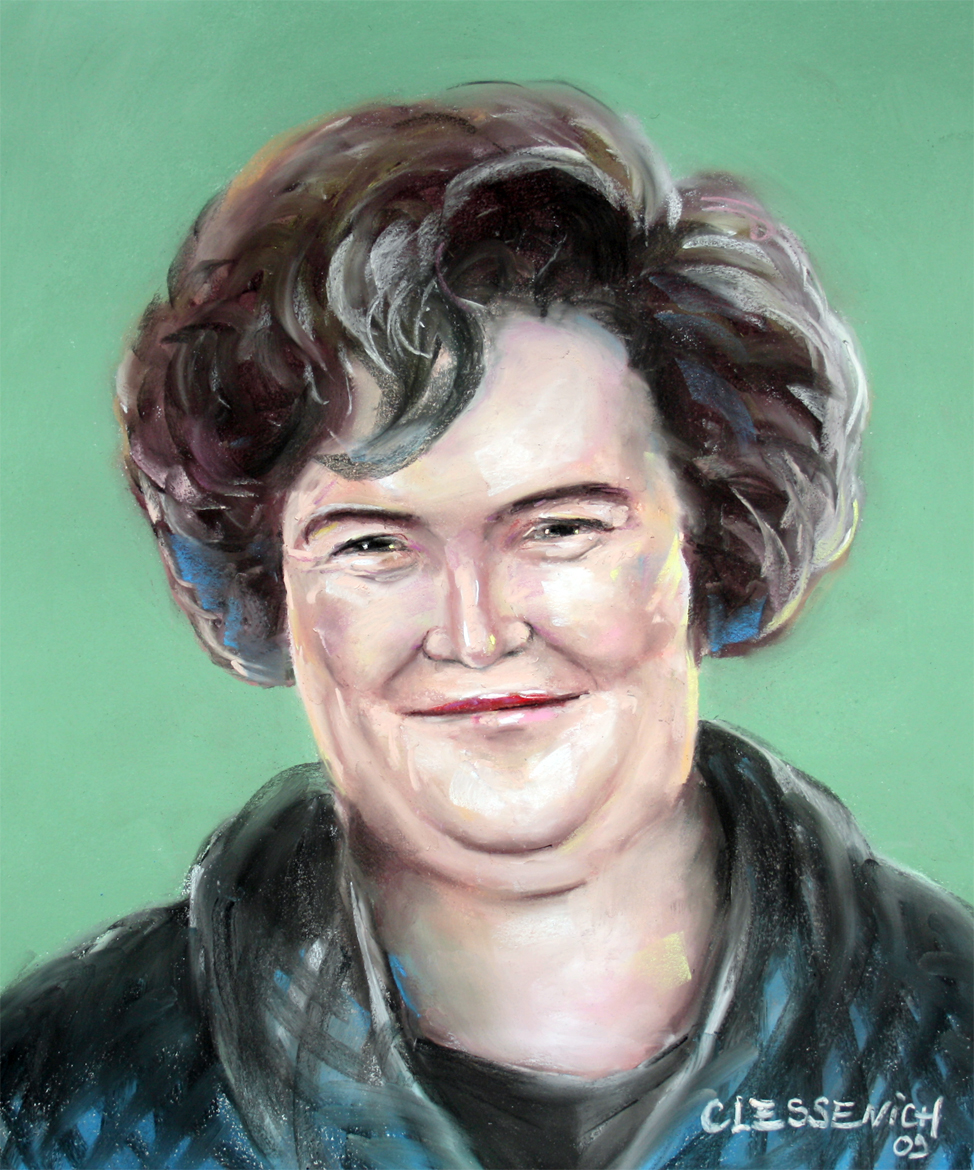
When Susan Boyle walked onto the Britain’s Got Talent stage in 2009, the atmosphere was easy to read. She did not arrive with the polished image of a pop hopeful or the swagger of a seasoned performer. Instead, she appeared modest, slightly awkward, and entirely herself — a woman from a small Scottish village stepping into one of television’s brightest spotlights.
That contrast became the tension of the moment. Before she sang a note, there were raised eyebrows, smirks, and a sense that the room had already made up its mind. The scene has endured because viewers could see the snap judgments forming in real time, and they could also see how quickly those judgments would be dismantled.
“I Dreamed a Dream” did more than showcase a voice; it exposed how often audiences confuse appearance with ability.
The song that changed everything
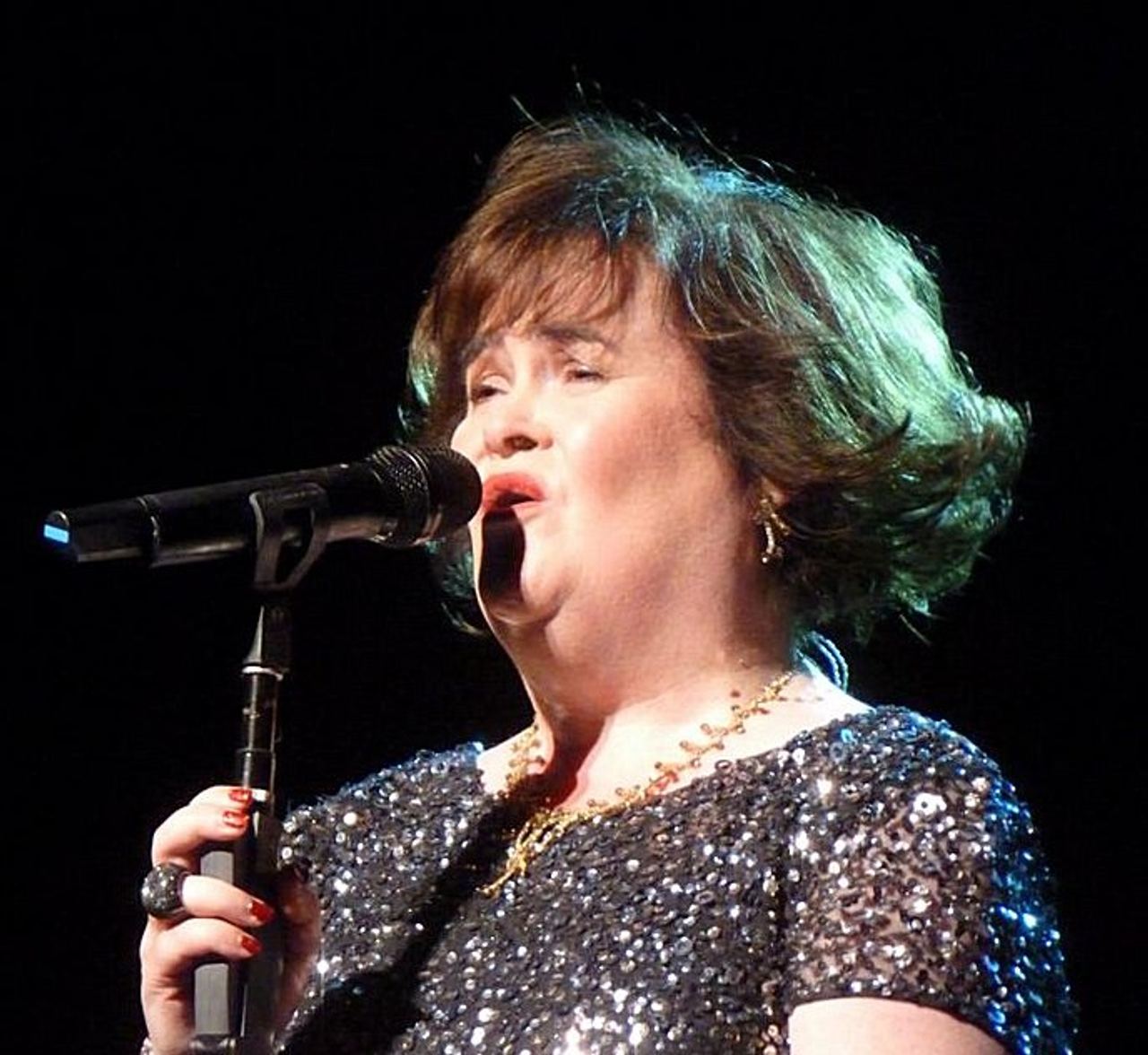
Then Boyle began singing “I Dreamed a Dream” from Les Misérables, and the tone in the theater shifted almost instantly. The performance was controlled yet emotional, with a clarity and force that startled both the judges and the crowd. What had felt like a setup for ridicule suddenly became a moment of stunned attention.
That reversal is the heart of why the audition still resonates. It was not only that she sang well. It was the scale of the surprise, the way the room moved from skepticism to admiration within seconds. By the time she reached the song’s emotional peaks, the audience that had doubted her was fully with her.
A television moment that traveled far beyond television
Talent-show auditions rarely remain confined to the stage where they happen, but Boyle’s spread with unusual speed and force. The clip became one of those rare broadcast moments that crossed borders, generations, and media formats. People who never watched Britain’s Got Talent still knew the outline of the story: woman underestimated, woman sings, room transformed.
Part of its power came from timing. The internet was already turning standout clips into global events, and Boyle’s audition was perfectly built for sharing: a clear setup, a dramatic reversal, and a payoff that felt emotional even to first-time viewers. It worked as television, but it also worked as a universal short story about surprise and dignity.
Why audiences connected so deeply
Boyle’s appeal was never just technical. Her voice carried feeling, and that feeling was central to the reaction. “I Dreamed a Dream” is a song loaded with longing, disappointment, and hope, and she delivered it in a way that sounded lived-in rather than merely performed. Viewers were not simply impressed; many felt moved.
There was also something larger at work. The audition confronted familiar cultural habits: the tendency to rank people by age, glamour, polish, or confidence before giving them a chance. Boyle became a symbol of the hidden talent that exists outside celebrity culture’s usual frame. Her performance offered a simple but potent corrective: listen first.
From contestant to global figure
In the years since that audition, Boyle has remained inseparable from that first astonishing appearance, but the moment did more than create a viral clip. It introduced a singer whose story reached far beyond one episode of television. Her name became shorthand for the kind of underdog breakthrough that feels genuinely earned.
Even now, revisiting the performance means revisiting the audience’s reaction as much as the song itself. The cutaways matter — the judges’ faces, the crowd rising, the energy visibly changing. It is a reminder that great public performances are often remembered not only for the artist’s talent, but for the exact instant everyone else realizes what they are hearing.
Why the audition still endures
Many reality-TV sensations fade because they depend on novelty alone. Boyle’s audition has lasted because it contains more than surprise. It is a compact drama about prejudice, patience, and the shock of being wrong. Each replay invites viewers to watch the same lesson unfold: assumptions collapse, talent remains.
That is why the clip still circulates years later. It offers emotional satisfaction without cynicism. A woman walks onstage, people underestimate her, and she answers not with anger or spectacle, but with a song. In an era crowded with fleeting viral moments, that kind of clarity is rare — and it helps explain why Susan Boyle’s performance is still remembered as one of television’s most iconic reveals.

Quick Facts
- Subject: Susan Boyle
- Breakthrough moment: Her 2009 audition on Britain’s Got Talent
- Song performed: I Dreamed a Dream
- Why it stands out: The performance overturned visible skepticism from judges and audience
- Setting: Britain’s Got Talent stage
- Legacy: Widely remembered as one of television’s most iconic audition moments
Image credits: Christian Lessenich / Wikimedia Commons / CC BY-SA 3.0; Deborah Wilbanks / Wikimedia Commons / CC BY-SA 3.0; Wasforgas / Wikimedia Commons / CC BY-SA 3.0.