Patsy Montana’s Sharp Turn: From Cowboy Sweetheart to Country’s Oddest Murder Ballad
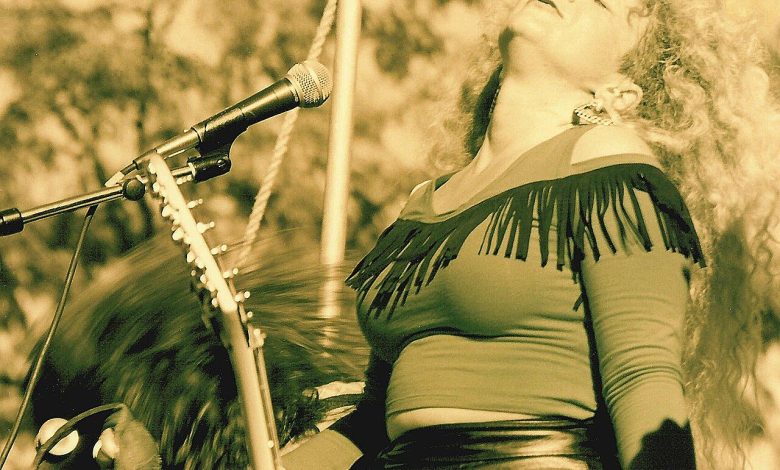
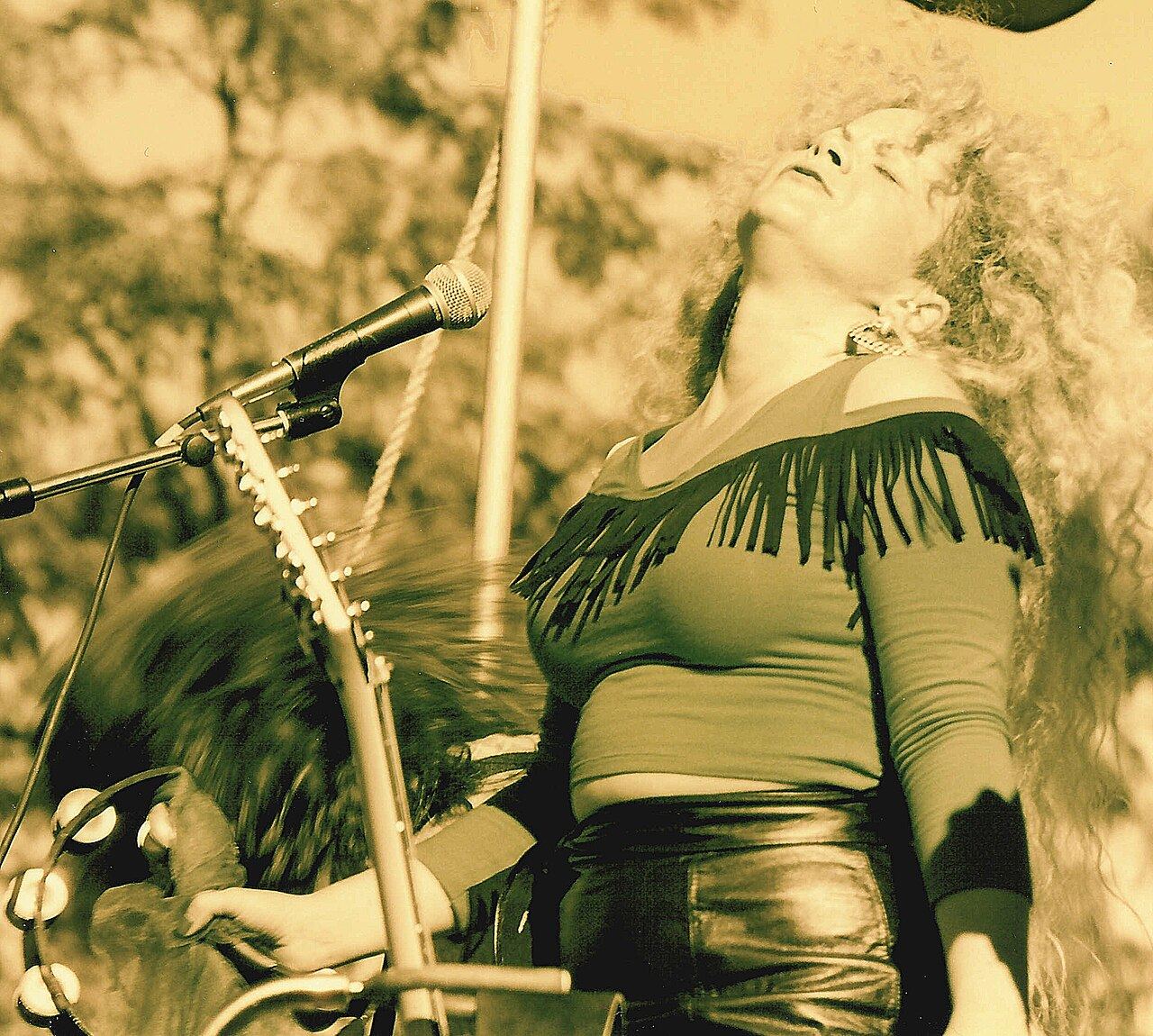
A pioneer with a yodel and a cowboy hat
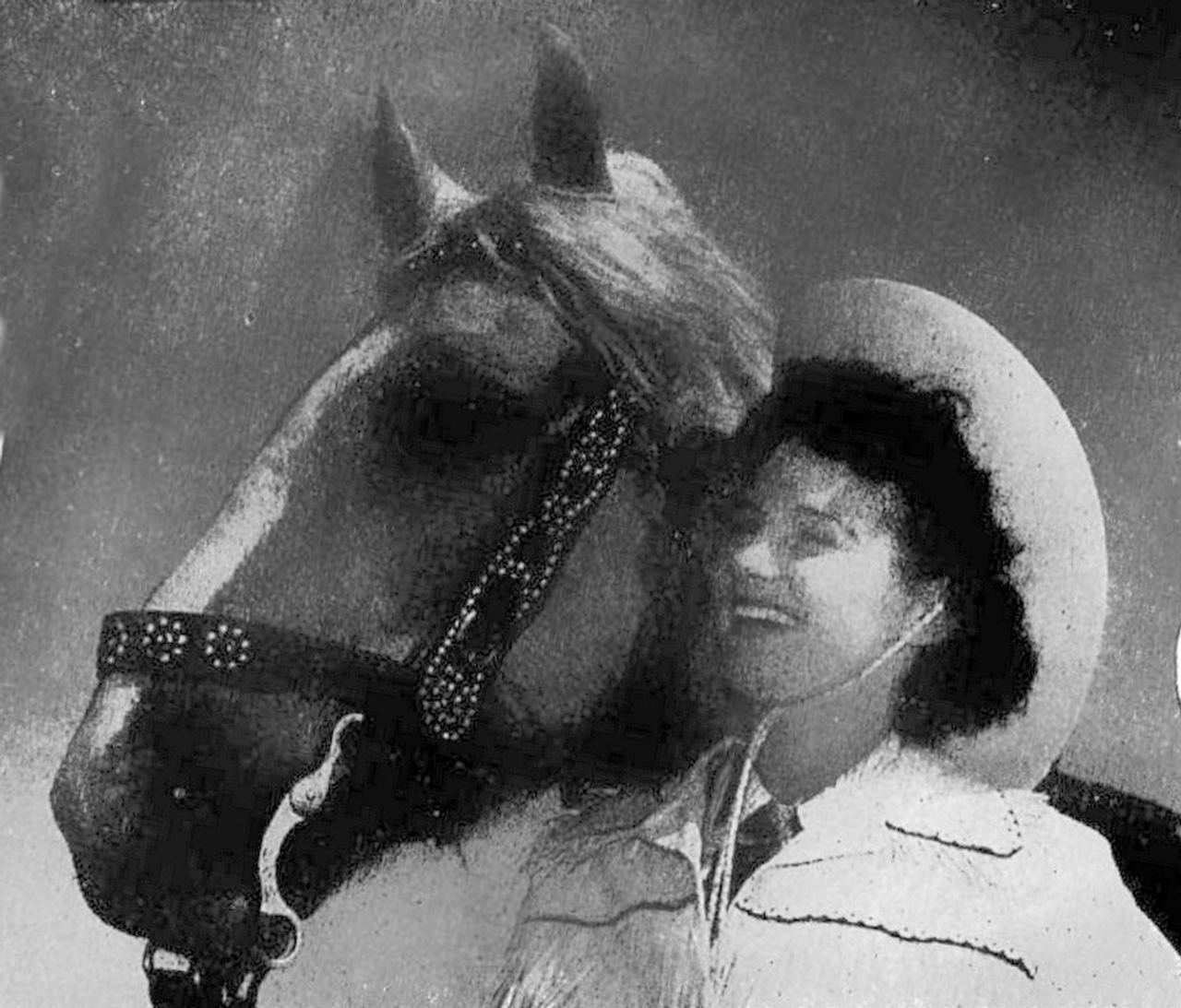
By 1949, Patsy Montana was already a landmark figure in country music. Long before many women were given equal billing in the genre, she had cut through with “I Wanna Be a Cowboy’s Sweetheart,” a record that became the first million seller by a female country performer. Her image was distinctive and durable: Western clothes, a clear, nimble voice, and a yodel that helped define her sound.
That breakthrough made Montana more than a successful singer. It made her a symbol of an early country ideal: self-reliance, frontier romance and the freedom of the open range. Her songs often carried a breezy independence, and her public persona fit neatly with the mythology of the American West that country music loved to borrow and reshape.
She had already made history as country music’s first female million seller, which made what came next feel even more unexpected.
The song title that hides a darker story
Then came “I Didn’t Know the Gun Was Loaded,” a title that almost sounds like a joke told too casually. At first glance it suggests slapstick, a punchline, maybe a misunderstanding. But murder songs have long been woven into country, folk and old-time music, and this one slides into that tradition from an unusually offbeat angle.
Written by Hank Fort and Herb Leighton, the song centers on a woman named Miss Effie. The setup is plainspoken, almost conversational, which makes the premise more unsettling. What begins as a simple narrative quickly reveals itself as a grim comic tale, the kind of song that depends on the listener recognizing that country music has always had room for the macabre as well as the sentimental.
Why the recording felt so strange for Patsy Montana
The surprise was not simply that Montana recorded a murder song. Country music had plenty of jealousy, death and revenge in its lyrics. The real jolt was tonal. Montana was closely associated with bright Western imagery and an easygoing, can-do persona, so a song built around a fatal refrain landed differently in her catalog.
That contrast is what gives the recording its afterlife. Heard beside “I Wanna Be a Cowboy’s Sweetheart,” it sounds like an artist stepping sideways into material that exposed another side of the genre: its fondness for black humor, cautionary tales and deadpan storytelling. The same voice that once sold romantic freedom on the range could also deliver a line that left a chill behind the smile.
Country music’s old appetite for violence and wit
To modern ears, early country can seem divided into familiar bins: heartbreak songs, fiddle tunes, cowboy songs, gospel. But the music was always messier than that. It absorbed ballad traditions where death was common, where crime and disaster became entertainment as well as warning, and where the singer’s tone could make the difference between tragedy and grim comedy.
“I Didn’t Know the Gun Was Loaded” sits in that peculiar lane. Its notoriety comes from the friction between matter-of-fact delivery and violent subject matter. That tension was part of country music’s storytelling DNA. A song could be moralistic and mischievous at once, funny on the surface while carrying something far more disturbing underneath.
Miss Effie and the appeal of a dangerous refrain
What makes the song memorable is the bluntness of its central excuse. “I didn’t know the gun was loaded” is the kind of phrase that immediately sounds inadequate, even absurd. As a lyric hook, it works because it invites disbelief. The listener is pulled in by the gap between the supposed innocence of the statement and the severity of what has happened.
That kind of refrain gives a murder ballad a second life. It turns narrative into character study. Whether heard as denial, panic or dark comedy, the line defines Miss Effie before the song has to explain much else. It also helps explain why the recording still stands out: the phrase is catchy enough to hum and unsettling enough not to forget.
A reminder that early country was never as simple as nostalgia suggests
Patsy Montana’s detour into “I Didn’t Know the Gun Was Loaded” is a useful corrective to the polished nostalgia that often flattens early country history. The era was not only about sweethearts, prairie skies and radio-friendly charm. It was also full of eccentric story songs, oddball characters and lyrical turns that could be genuinely unnerving.
That is part of Montana’s fascination as a historical figure. She was not frozen inside a single image, even if the cowboy sweetheart remains the one most listeners remember first. Her recording of this strange murder song underscores how broad country music could be in its formative years, and how even its brightest stars sometimes wandered into the shadows.
Quick Facts
- Artist: Patsy Montana
- Best-known milestone: First million-selling record by a female country performer for “I Wanna Be a Cowboy’s Sweetheart”
- Later song: “I Didn’t Know the Gun Was Loaded”
- Songwriters: Hank Fort and Herb Leighton
- Era referenced: By 1949
Image credits: Joe Mabel / Wikimedia Commons / CC BY-SA 3.0; Internet Archive Book Images / Wikimedia Commons / No restrictions; Unknown authorUnknown author / Wikimedia Commons / Public domain.