Released in 1971… this gentle song somehow still feels like peace itself whenever the world becomes too loud.
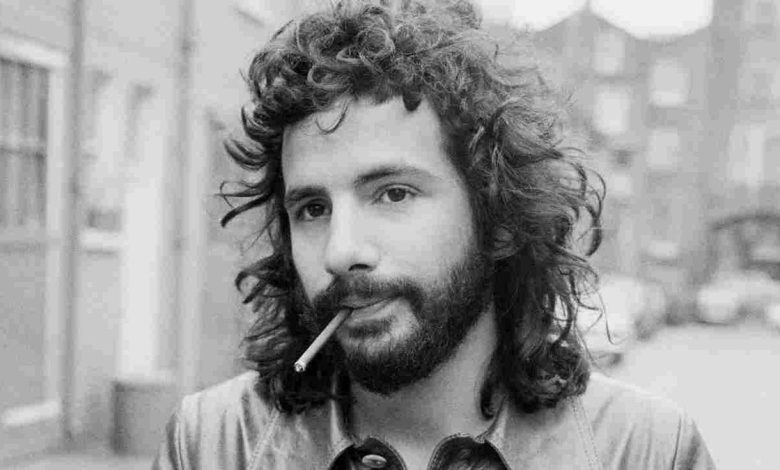
When Cat Stevens released “Morning Has Broken,” the world was already becoming louder, faster, and far more complicated than many people could emotionally keep up with.
By the early 1970s, music had started reflecting chaos, rebellion, heartbreak, and political unrest across nearly every corner of popular culture.
Yet somehow this gentle piano-driven song arrived like sunlight quietly slipping through an open bedroom window at dawn.
It did not scream for attention.
It did not rely on dramatic production or overwhelming emotion to leave its mark on listeners.
Instead, “Morning Has Broken” felt calm in a world that had forgotten how to slow down.
That peacefulness became the very thing that made the song unforgettable.
The opening piano alone carries a strange emotional warmth that instantly transports listeners somewhere softer and simpler.
Long before Cat Stevens even begins singing, the melody already feels nostalgic.
It sounds like the memory of a peaceful morning people wish they could return to forever.
What many listeners never realized is that the song itself was actually based on a much older Christian hymn first published decades earlier.
The lyrics were written by English author Eleanor Farjeon in 1931, inspired by the beauty of creation and the quiet miracle of a new day beginning.
But when Cat Stevens recorded the song for his 1971 album “Teaser and the Firecat,” he transformed it into something entirely his own.
He removed the distance often associated with traditional hymns and replaced it with warmth, intimacy, and humanity.
Suddenly the song no longer sounded tied to churches or formal worship services alone.
It sounded personal.
It sounded like gratitude whispered softly by someone rediscovering hope after emotional exhaustion.
That emotional honesty became one of Cat Stevens’ greatest strengths as a songwriter and performer throughout his career.
Unlike many artists chasing fame during the era, Stevens often sounded more interested in understanding life than conquering the charts.
His songs carried questions about peace, happiness, spirituality, loneliness, and the search for meaning beneath ordinary existence.
Listeners connected deeply with that vulnerability because it never felt artificial.
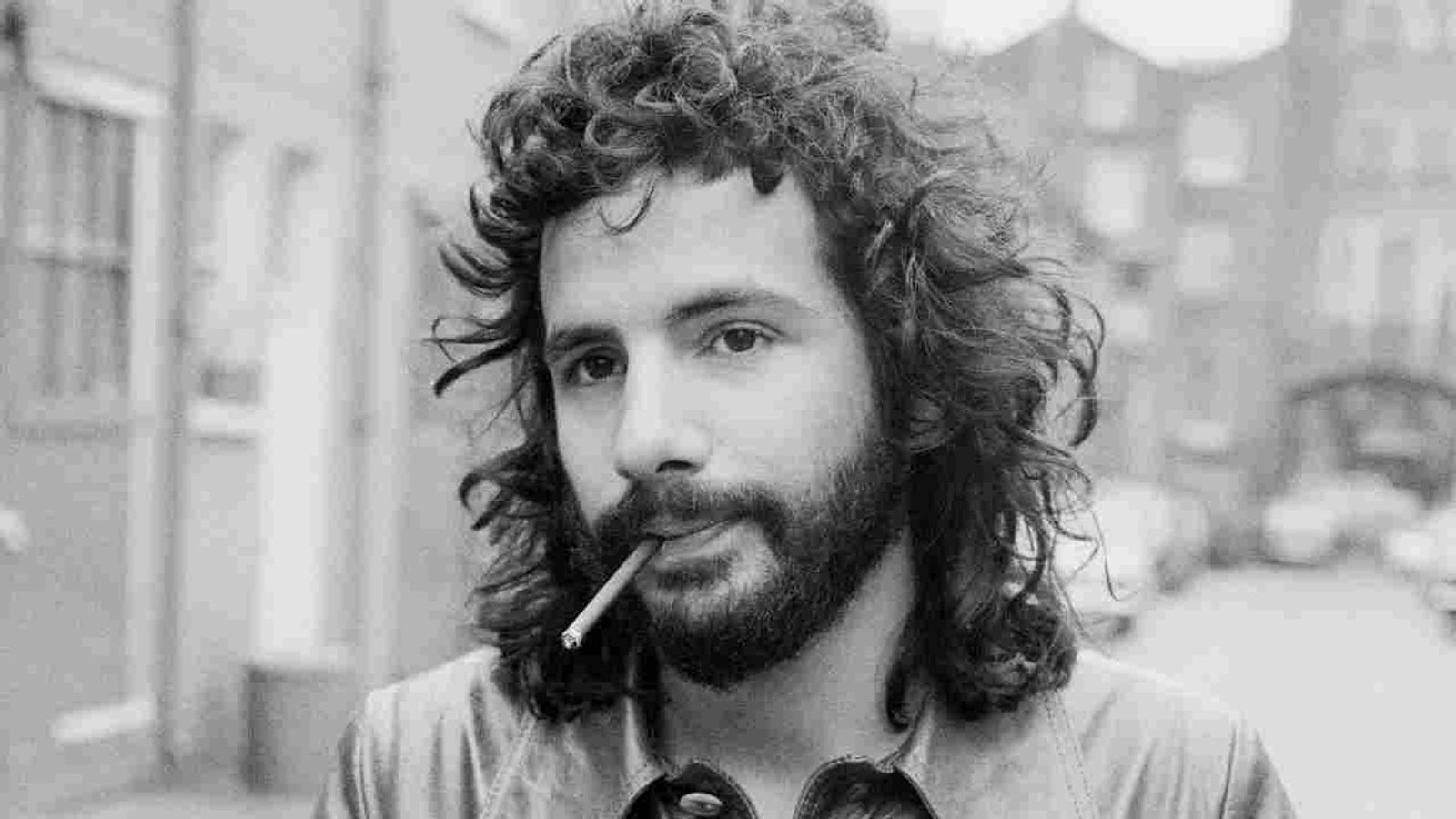
He sang like a man genuinely searching for something beyond money, celebrity, and applause.
And perhaps nowhere was that sincerity more visible than in “Morning Has Broken.”
The recording itself feels remarkably delicate even today.
Nothing about it sounds rushed or overproduced despite being released more than fifty years ago.
The piano performance by Rick Wakeman adds an almost dreamlike quality to the song without overwhelming its emotional simplicity.
Each note seems to float gently beside Stevens’ voice rather than compete against it.
That balance gave the song a timeless atmosphere many modern recordings struggle to achieve.
There is space inside the music.
Space to breathe.
Space to think.
Space to remember forgotten parts of ourselves hidden beneath everyday stress and noise.
Perhaps that is why so many listeners continue returning to “Morning Has Broken” during quiet moments in their lives.
People rarely play the song during celebrations or crowded parties overflowing with energy.
Instead, it often appears during peaceful mornings, long drives, reflective evenings, or deeply personal moments nobody else sees.
The song feels almost sacred in its ability to slow time for a few minutes.
And in a world obsessed with speed, that emotional stillness becomes increasingly powerful with age.
Cat Stevens himself was going through a deeply transformative period when the song became successful worldwide.
Despite enormous fame, he often struggled internally with questions surrounding identity, purpose, and spiritual fulfillment.
Success had brought recognition and wealth, but it had not completely answered the emotional emptiness he sometimes felt inside.
That quiet searching eventually led Stevens toward major personal and spiritual changes later in life.
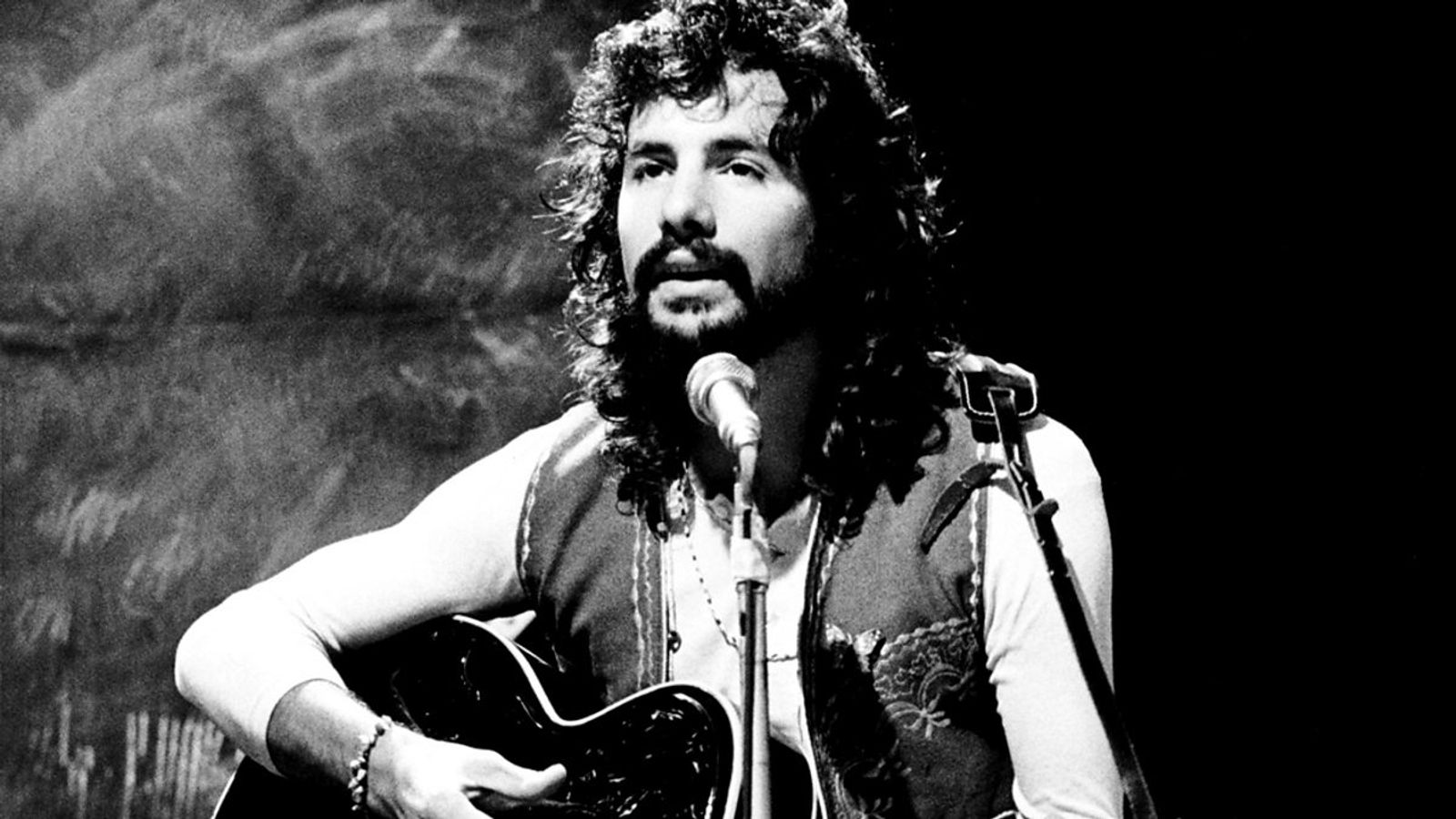
Looking back now, many listeners hear traces of that inner journey hidden throughout “Morning Has Broken.”
The song feels less like entertainment and more like someone standing quietly in nature trying to reconnect with something eternal.
Even the simplest lyrics carry emotional weight because Stevens sings them with complete sincerity rather than theatrical intensity.
He does not sound like a performer attempting to impress the audience with vocal power.
He sounds like a man genuinely overwhelmed by the beauty of existence itself.
That sincerity is becoming increasingly rare in modern music.
Many songs today aim to shock listeners immediately or demand attention within seconds before audiences scroll away toward something else.
But “Morning Has Broken” asks listeners to slow down instead.
It invites people to sit quietly with their thoughts for a moment and notice the fragile beauty surrounding ordinary life.
That invitation may explain why the song continues surviving generation after generation while countless bigger hits slowly fade away.
Its emotional power does not depend on trends, technology, or nostalgia for a particular decade.
The song works because human beings never stop longing for peace no matter how much the world changes around them.
Even younger listeners discovering Cat Stevens for the first time often describe feeling strangely comforted by the recording.
The warmth inside the music feels deeply human in a way that modern production sometimes struggles to recreate.
Nothing feels cynical inside the song.
Nothing feels angry, sarcastic, or emotionally guarded.
Instead, “Morning Has Broken” embraces innocence without sounding naive.
It reminds listeners that wonder still exists even after disappointment, heartbreak, and years of emotional exhaustion.
And perhaps that is the true reason the song has endured for so long across multiple generations.
People are not simply listening to a beautiful melody from the seventies.
A feeling that life, despite all its pain and uncertainty, can still begin again with quiet beauty each new morning.
Read more stories
- KSI Freaks Out as a Britain’s Got Talent Performance Pushes the Limits
- The McCoys’ “Hang On Sloopy” Rockets to No. 1 and Grows into Ohio’s Unofficial Anthem in 1965
- Jackie DeShannon’s Timeless Classic “What the World Needs Now Is Love” Still Uplifts and Inspires Generations
- Released in 1971, this heartbreaking ballad changed how people heard breakup songs forever… because it wasn’t about anger or betrayal, but the quiet moment two people realize love is already gone.