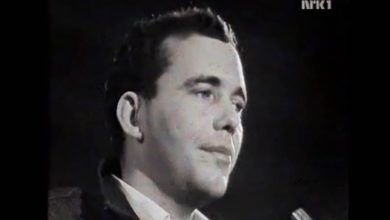
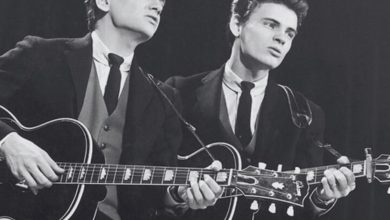
Roy Orbison’s ‘Only the Lonely’ Redefined Pop Music in 1960
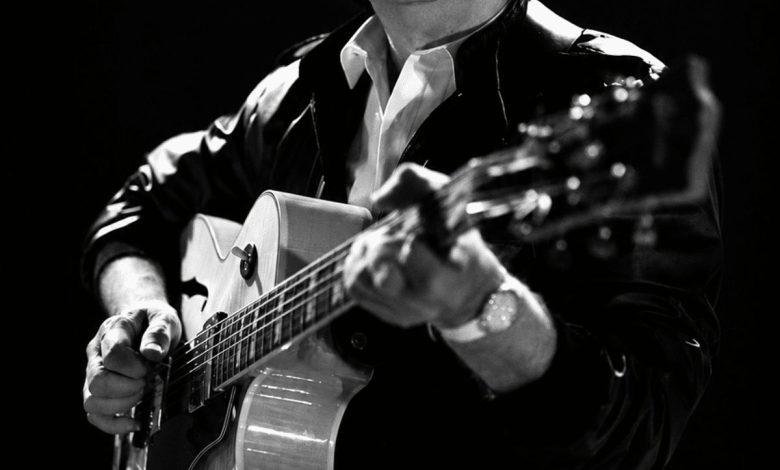
The Song That Redefined Heartbreak
When Roy Orbison released “Only the Lonely” in 1960, it didn’t just introduce a hit—it reshaped how emotion could exist in popular music. At a time when rock and roll thrived on energy and rebellion, Orbison chose vulnerability, delivering a ballad that felt deeply personal yet universally understood.
“Only the lonely know the way I feel tonight…”
From its haunting opening to its soaring, almost operatic climax, the song stood apart. Orbison’s voice—fragile yet powerful—carried a sense of longing that few artists could replicate. Backed by producer Fred Foster and songwriter Joe Melson, the track built its emotional weight through subtle instrumentation and layered intensity rather than excess.
Originally offered to artists like Elvis Presley, the song ultimately found its true identity in Orbison’s own delivery. His daring use of falsetto added a new dimension to pop music, proving that heartbreak could be both delicate and dramatic.
The success was immediate—climbing charts in both the U.S. and U.K.—but its deeper impact went far beyond numbers. It opened the door for more introspective songwriting, influencing generations of artists who followed.
Decades later, the song still resonates, not because of nostalgia, but because its emotion remains untouched by time.
Roy Orbison’s ‘Only the Lonely’ is a song that not only defined a moment in pop music history but also showcased the emotional depth and complexity that could be conveyed through popular music. Released in 1960, the song quickly became a defining hit for Orbison, establishing him as a major force in the music industry.
The song’s haunting melody and poignant lyrics resonated with listeners, capturing the essence of loneliness and heartache. Orbison’s unique vocal style, characterized by his powerful range and emotive delivery, brought a new level of artistry to pop music. Unlike many of his contemporaries, Orbison was able to convey deep emotional experiences through his music, making ‘Only the Lonely’ a standout track.
In addition to its emotional impact, ‘Only the Lonely’ also marked a shift in the production of pop music. The song featured lush orchestration and innovative arrangements that set it apart from the more straightforward rock and roll sounds of the time. This blend of pop and orchestral elements paved the way for future artists to explore more complex musical landscapes.
Orbison’s influence extended beyond his own recordings; he inspired a generation of musicians who sought to emulate his style and emotional depth. Artists such as Bruce Springsteen and Jeff Lynne have cited Orbison as a significant influence on their work, demonstrating the lasting impact of ‘Only the Lonely’ on the music industry.
Ultimately, Roy Orbison’s ‘Only the Lonely’ redefined what pop music could be, pushing the boundaries of the genre and setting a new standard for emotional expression in music. Its legacy continues to be felt today, as new generations of artists draw inspiration from Orbison’s groundbreaking work.
Read more stories
- KSI Freaks Out as a Britain’s Got Talent Performance Pushes the Limits
- The McCoys’ “Hang On Sloopy” Rockets to No. 1 and Grows into Ohio’s Unofficial Anthem in 1965
- Jackie DeShannon’s Timeless Classic “What the World Needs Now Is Love” Still Uplifts and Inspires Generations
- Released in 1971, this heartbreaking ballad changed how people heard breakup songs forever… because it wasn’t about anger or betrayal, but the quiet moment two people realize love is already gone.