Gene Pitney’s “Only Love Can Break a Heart” Becomes a Signature Ballad of 1962
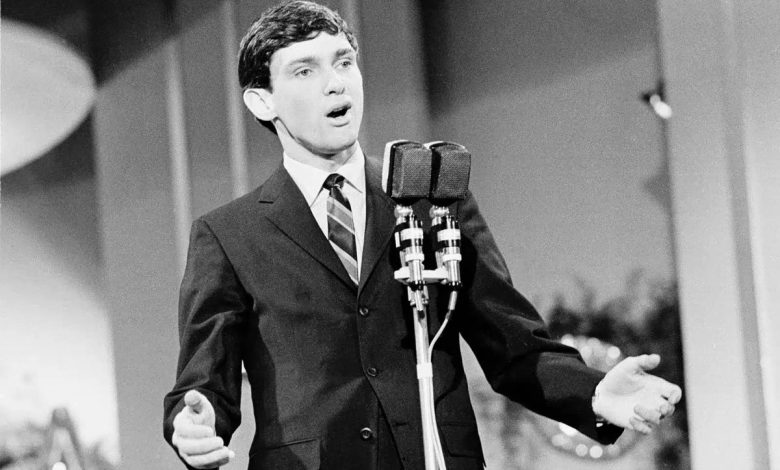
When Gene Pitney released Only Love Can Break a Heart in 1962, he delivered one of the most emotionally powerful songs of the era. Written by the iconic duo Burt Bacharach and Hal David, the track combined lush orchestration with deeply reflective lyrics about love and loss. It climbed to No. 2 on the Billboard Hot 100, just behind He’s a Rebel by The Crystals, becoming Pitney’s biggest U.S. success.
“Only love can break a heart… only love can mend it again.”
Pitney’s vocal delivery—fragile yet controlled—set the song apart in a time dominated by louder rock sounds. Recorded under Bacharach’s careful direction, the arrangement featured sweeping strings and subtle rhythms that allowed emotion to take center stage. The result was a ballad that felt intimate yet grand, bridging the gap between 1950s crooners and the evolving sophistication of 1960s pop.
The success of the song elevated Pitney from songwriter to global star. Known for penning hits like “Hello Mary Lou,” he now stood firmly in the spotlight, captivating audiences with his expressive voice. “Only Love Can Break a Heart” also helped redefine pop ballads, influencing artists like Dusty Springfield and Dionne Warwick, who would later embrace the Bacharach-David style.
“It wasn’t just a song—it was a feeling wrapped in melody.”
Over time, the track proved its versatility, with covers spanning pop and country, including a hit version by Sonny James. Yet Pitney’s original remains unmatched, its emotional depth still resonating decades later. Even today, it stands as a timeless reminder that simplicity, sincerity, and a powerful voice can leave a lasting mark on music history.
Read more stories
- KSI Freaks Out as a Britain’s Got Talent Performance Pushes the Limits
- The McCoys’ “Hang On Sloopy” Rockets to No. 1 and Grows into Ohio’s Unofficial Anthem in 1965
- Jackie DeShannon’s Timeless Classic “What the World Needs Now Is Love” Still Uplifts and Inspires Generations
- Released in 1971, this heartbreaking ballad changed how people heard breakup songs forever… because it wasn’t about anger or betrayal, but the quiet moment two people realize love is already gone.