The Heartbreak Behind Dolly Parton and Porter Wagoner’s Final Goodbye
A partnership built in rhinestones and routine
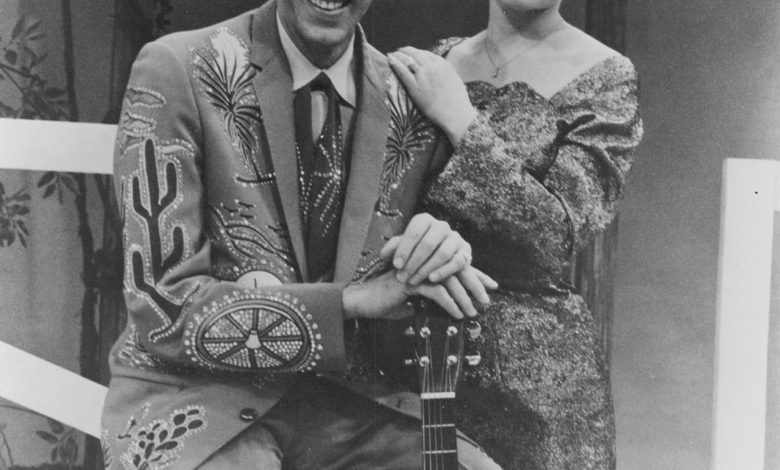
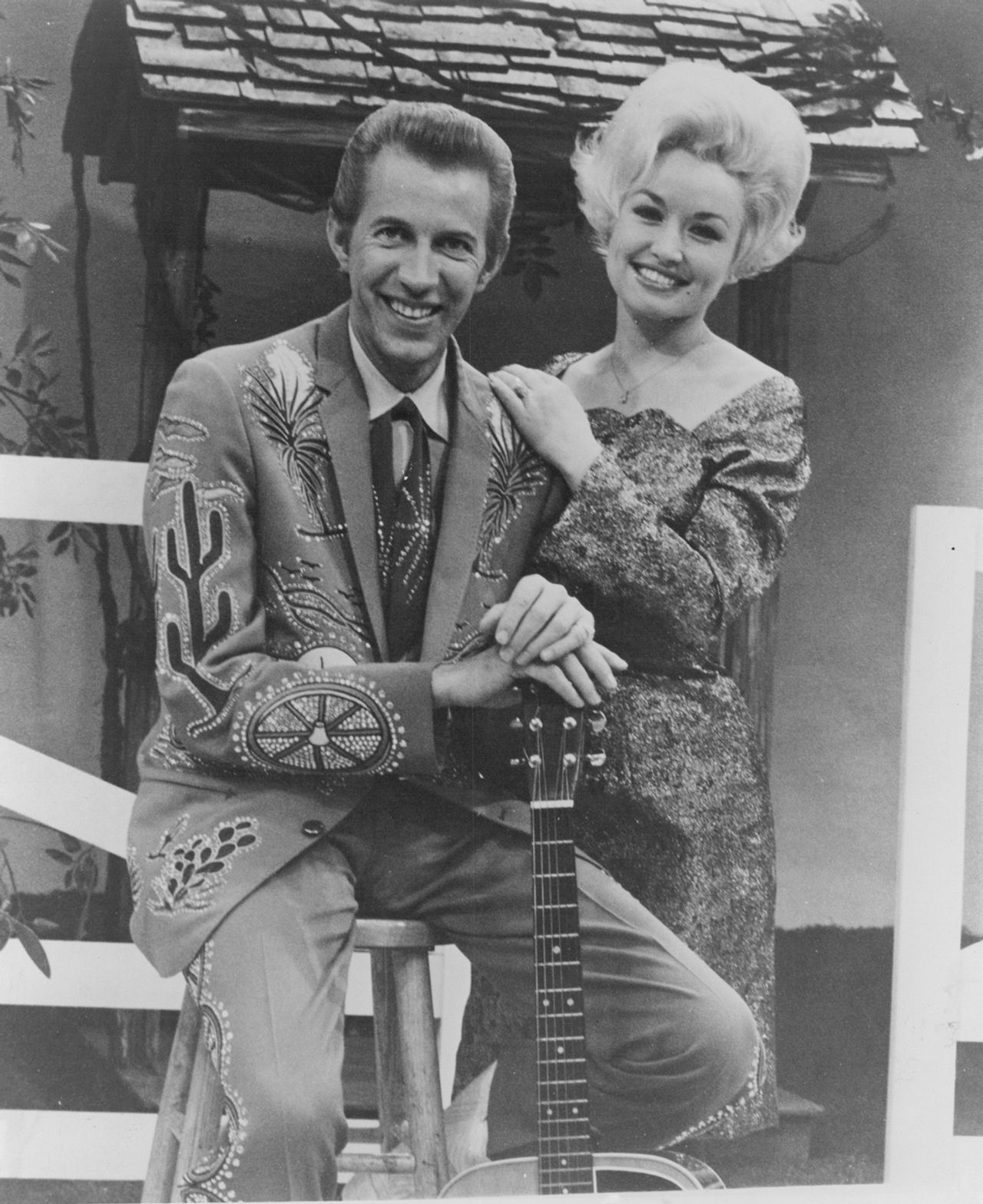
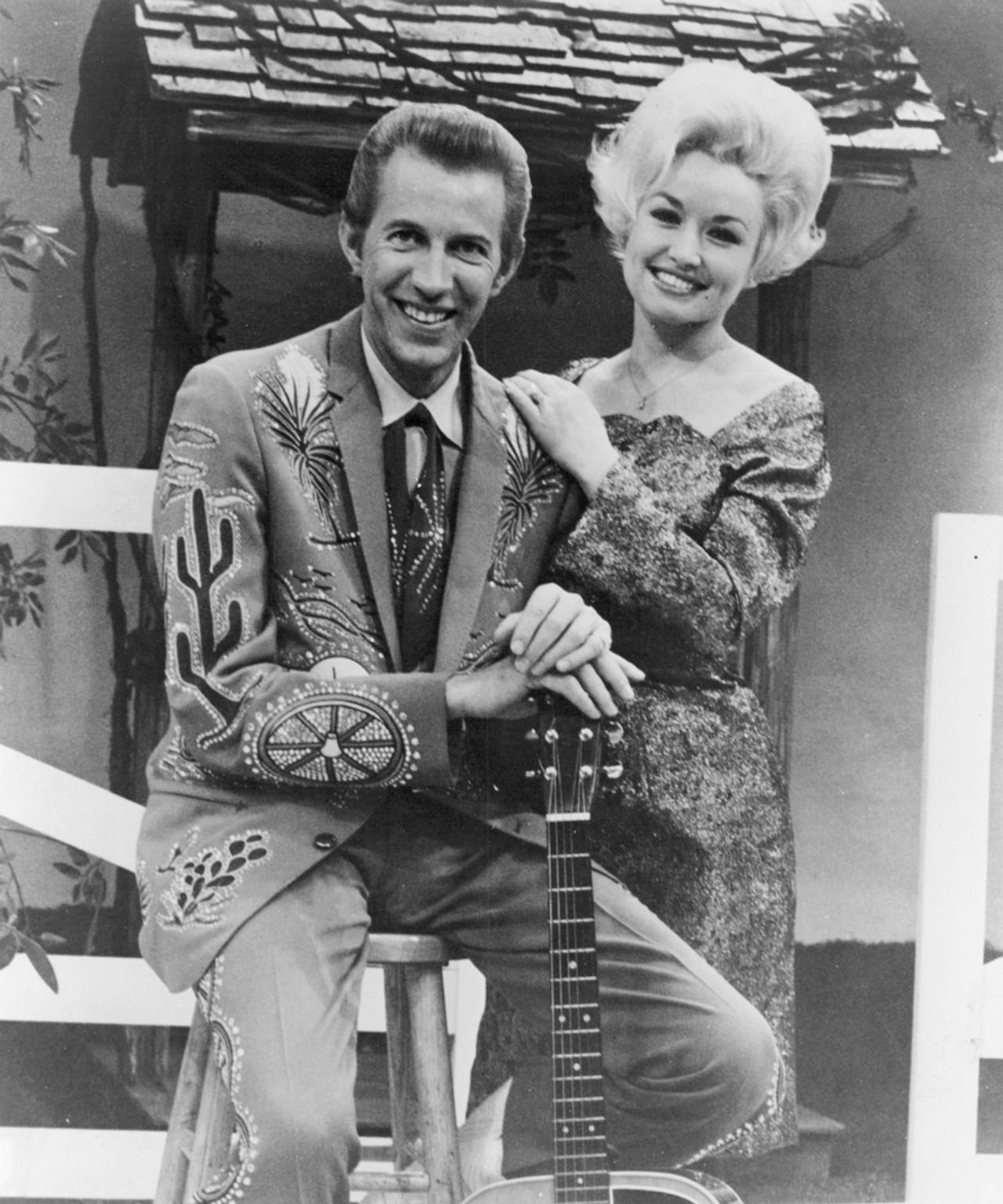
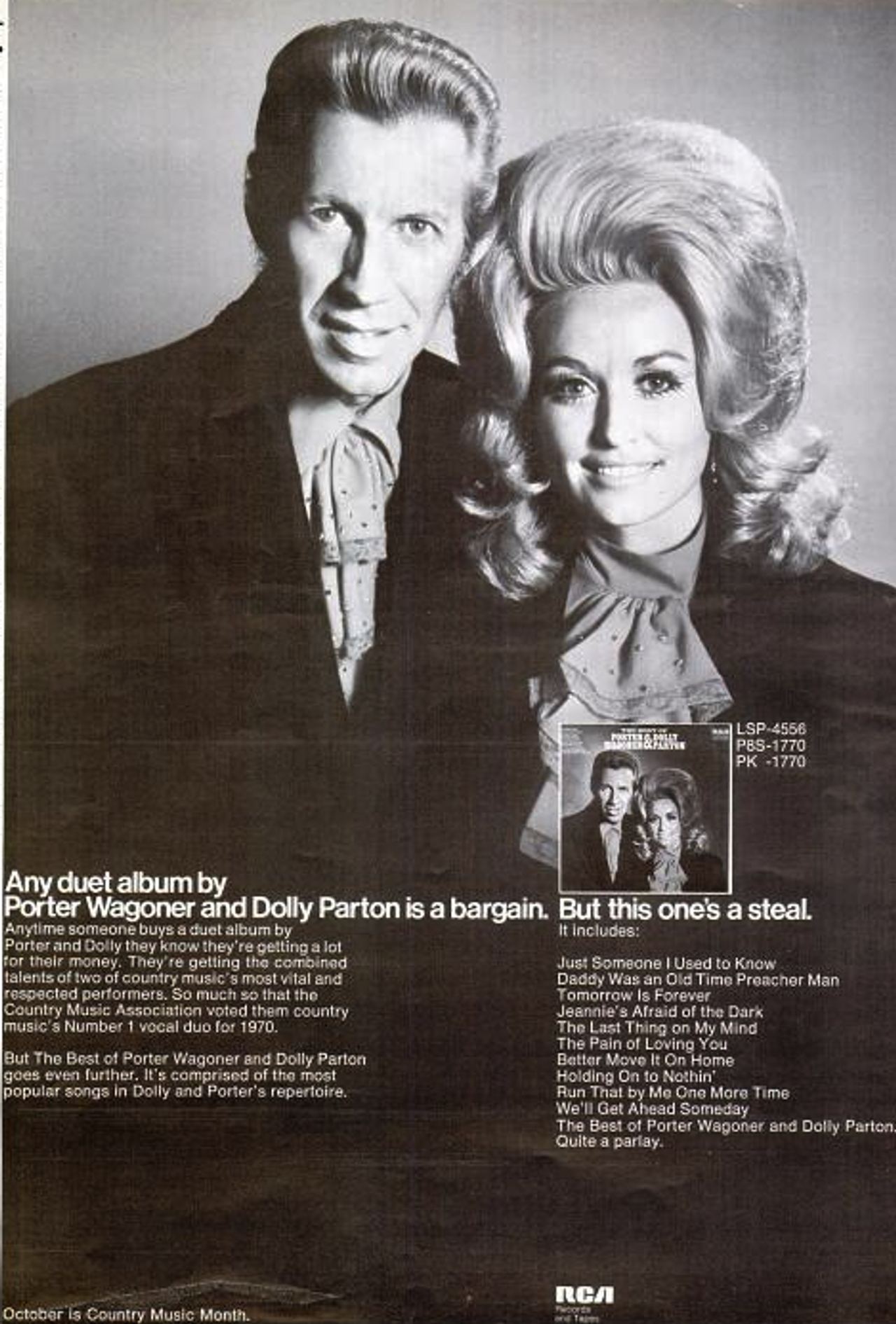
By the early 1970s, Dolly Parton and Porter Wagoner had become one of country music’s most recognizable pairings. On television and onstage, they looked effortless together: Wagoner the flamboyant host and established star, Parton the quick-witted singer-songwriter whose voice and presence steadily grew impossible to ignore. Their chemistry helped define The Porter Wagoner Show, where polished harmonies and sparkling stagewear masked the intense personal and professional stakes beneath the surface.
For years, the arrangement worked for both of them. Wagoner gave Parton a national platform and a crucial career opening, while Parton brought freshness, charisma and songwriting talent that drew audiences in. Mentor and protégée, business partners and duet partners, they created a public image of country harmony that seemed sturdy enough to last indefinitely.
Why leaving became unavoidable
But success can sharpen tensions as much as it creates opportunity. As Parton’s confidence and artistic identity deepened, so did her need for independence. She was no longer simply the gifted young singer introduced to viewers as part of Wagoner’s world; she was becoming a star in her own right, with songs, instincts and ambitions that pointed beyond the limits of the partnership.
That made the decision to leave emotionally devastating. Parton has often spoken about loving Porter Wagoner while also knowing she could not stay if she wanted to become fully herself. The conflict was not merely contractual or logistical. It was a deeply human dilemma: how to break away from the person who helped build your career without feeling as if you are betraying them.
Dolly Parton’s split from Porter Wagoner became one of country music’s defining stories of gratitude colliding with independence.
The tension in the room
By 1973, that strain had become impossible to ignore. What audiences saw as a seamless act was, behind the scenes, a relationship under pressure. Parton knew she needed to step out from Wagoner’s shadow. Wagoner, who had invested heavily in her career and image, was not ready to accept that the partnership had reached its natural end.
That is what makes their final goodbye so enduringly painful in country music lore. It was not a neat, celebratory transition from one chapter to the next. It was a rupture filled with hurt feelings, frustration and the sadness of two people who had once depended on each other artistically, suddenly finding themselves on opposite sides of the future.
A mentor, a star and the price of loyalty
The emotional power of this story lies in its imbalance of feeling. Wagoner was more than a colleague; he was the mentor who brought Parton into millions of homes. For him, her departure could feel personal, even if it was professionally inevitable. For Parton, the gratitude was real, but so was the suffocating sense that staying would cost her the life and career she was meant to build.
That mix of affection and resentment is why their breakup still resonates. In creative partnerships, loyalty can become entangled with control, and generosity can harden into expectation. Parton’s decision to leave was not a rejection of what Wagoner had done for her. It was an insistence that mentorship cannot become permanent ownership.
The aftermath that became legend
Their split did not instantly erase the bond or the wounds. The story lived on because it carried so many familiar emotions: heartbreak, pride, dependence and the terror of change. Fans who loved them as a duo had to reckon with the fact that what sounded beautiful in harmony could be deeply strained in private.
Yet the ending also clarified both artists’ places in country music history. Wagoner remained a towering figure of the genre and a vital force in Parton’s early rise. Parton, once free to move on her own terms, continued the ascent that would make her one of the most beloved and influential performers in American music. The goodbye hurt precisely because the partnership had mattered so much.
Why the story still speaks to audiences
The final farewell between Dolly Parton and Porter Wagoner endures because it is larger than show business gossip. It is a story about growing beyond the role someone else imagined for you. It is about the pain that can accompany ambition, especially when ambition threatens a relationship rooted in genuine affection.
For audiences, that is the real heartbreak behind their parting. Not that success tore them apart in some dramatic, glamorous way, but that two people who helped define each other’s lives had to pass through disappointment in order to become fully themselves. In that sense, their goodbye remains one of country music’s most poignant lessons in love, gratitude and letting go.
Quick Facts
- Subject: Dolly Parton and Porter Wagoner
- Setting: Country music partnership on The Porter Wagoner Show
- Turning point: Parton’s decision to leave and pursue a solo career
- Core tension: Gratitude to a mentor versus the need for independence
- Why it matters: Their split became one of country music’s most remembered creative breakups
Image credits: Moeller Talent, Inc. Nashville (management) / Wikimedia Commons / Public domain; Moeller Talent, Inc. Nashville (management) / Wikimedia Commons / Public domain; RCA Victor / Wikimedia Commons / Public domain.