Released in the late 1960s, this song didn’t try to stand out—it simply carried a message that felt heavier than words… Yet today, only a few still remember how deeply it once resonated.
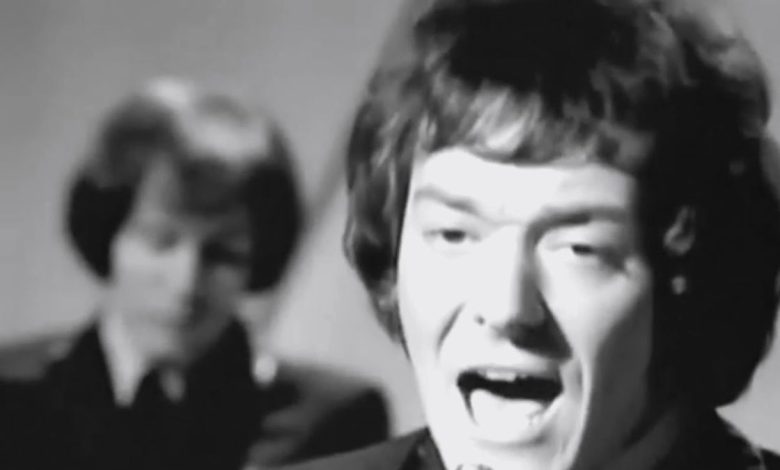
When The Hollies released “He Ain’t Heavy, He’s My Brother” in 1969, it didn’t feel like just another song—it felt like a quiet statement about what it means to carry someone through life.
At a time when music was becoming louder, more experimental, and often more self-focused, this ballad chose a different path, one rooted in empathy and shared human experience.
It didn’t rush to impress but instead unfolded slowly, inviting the listener into something deeper than melody alone.
From its opening piano chords, there is a sense of gravity, as if each note carries weight before a single word is sung.
That weight is not overwhelming, but deliberate, setting the tone for a story that speaks in quiet conviction rather than dramatic flourish.
When the vocal begins, there is a calm assurance in the delivery, a steadiness that mirrors the song’s central message.
The voice doesn’t plead or demand—it simply states, as if the truth it carries needs no embellishment.
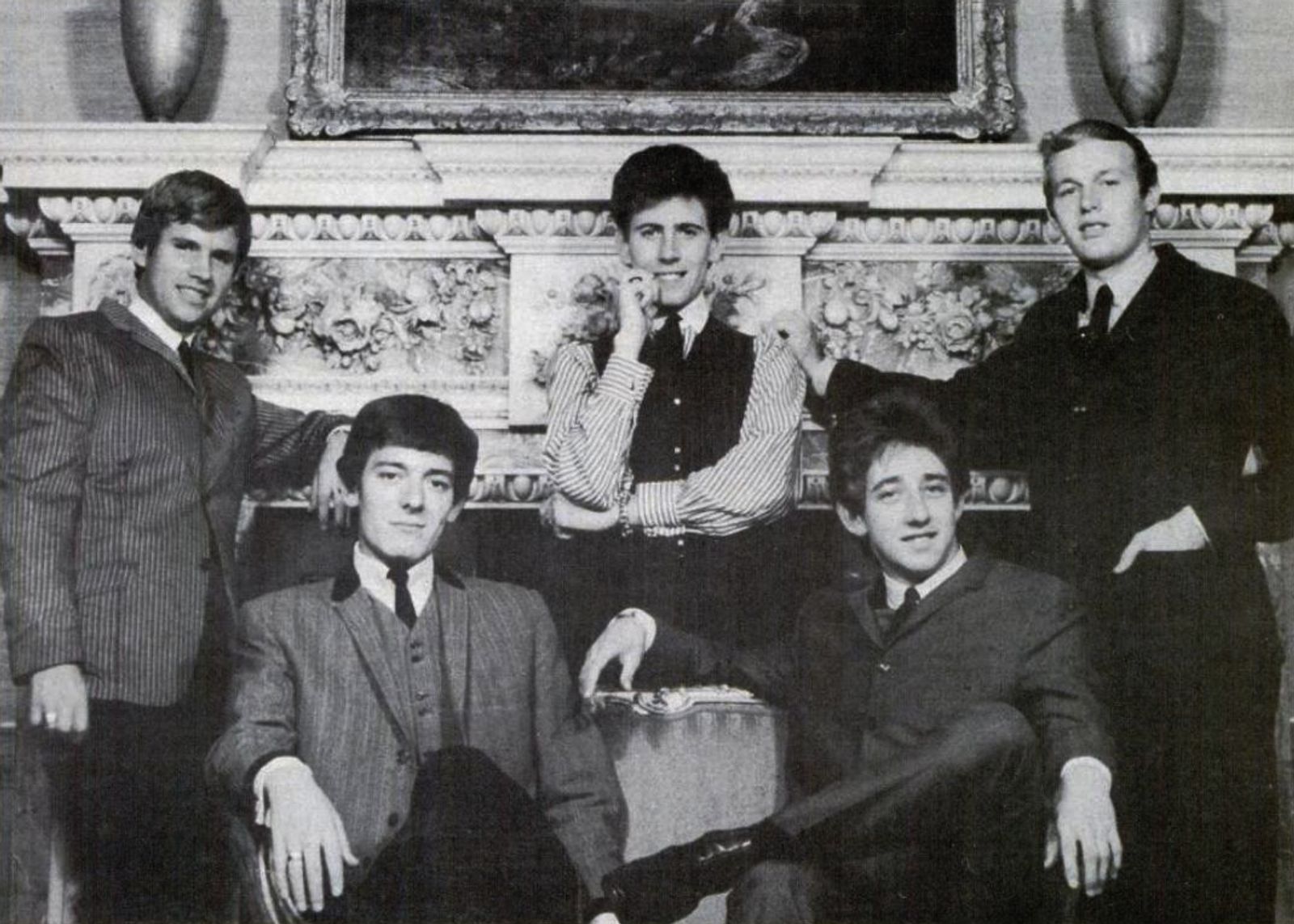
Lyrically, the song is built on a simple yet profound idea: that the burden of another person is not a burden at all when carried with love.
That idea resonates instantly, not because it is new, but because it is so deeply understood yet rarely expressed with such clarity.
Each line feels like a reflection rather than a declaration, allowing the listener to absorb its meaning at their own pace.
The repetition within the song serves not as a hook, but as a reinforcement, grounding its message in something almost meditative.
It’s a song that doesn’t just ask to be heard—it asks to be felt.
The composition itself has a hymn-like quality, blending elements of pop and gospel into a structure that feels timeless.
The orchestration builds gradually, adding layers of strings and harmonies that expand the emotional space without overwhelming it.
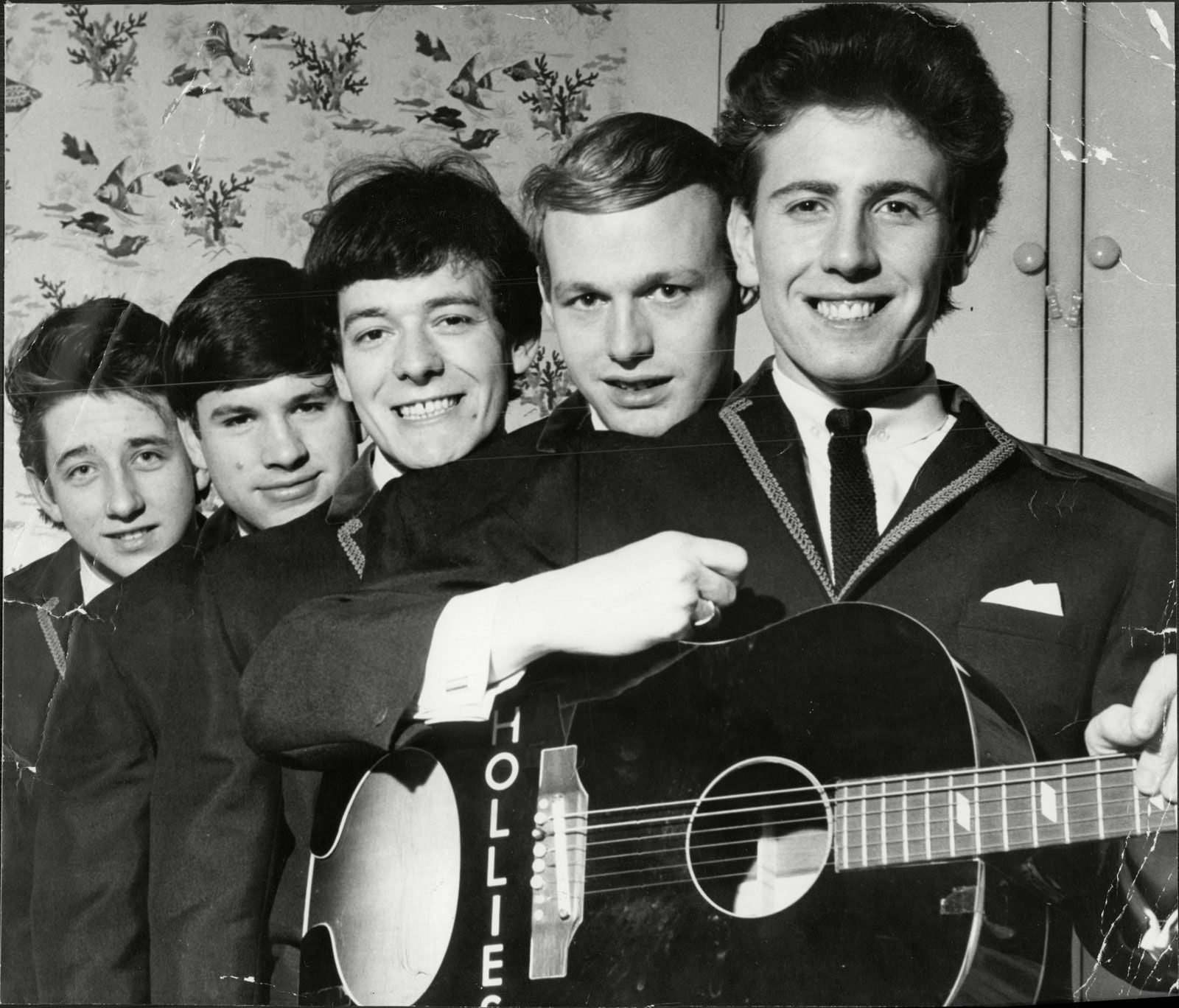
This careful balance between simplicity and richness is what gives the song its enduring power.
One of the most notable aspects of the recording is the piano performance, played by Elton John early in his career, though uncredited at the time.
His playing adds a subtle depth, anchoring the arrangement while allowing the vocals to remain at the forefront.
The production, handled with restraint, avoids unnecessary embellishments, letting the song’s message remain clear and unobstructed.
Upon its release, “He Ain’t Heavy, He’s My Brother” achieved significant chart success, reaching the Top 10 in the UK and gaining international recognition.
But beyond its commercial performance, the song found a deeper place in the hearts of listeners.
It became associated with themes of solidarity, compassion, and quiet strength.
For many, it was more than a song—it was a reminder of a responsibility shared between people.
In a world often defined by division and individual struggle, its message felt both grounding and necessary.
The late 1960s were marked by social upheaval, political tension, and cultural change.
Against that backdrop, the song offered a moment of reflection, focusing not on conflict but on connection.
It didn’t ignore the weight of the world, but instead reframed it, suggesting that carrying that weight together made it lighter.
That perspective gave the song a sense of hope without ever feeling naïve.
Over time, “He Ain’t Heavy, He’s My Brother” has been covered by numerous artists, each bringing their own interpretation.
Yet the essence of the song remains unchanged, rooted in its original sincerity.
Its message is not tied to a specific era, allowing it to resonate across generations.
Listeners continue to find meaning in its words, often connecting them to their own experiences of care and sacrifice.
There is something quietly powerful about a song that speaks so directly without raising its voice.
That restraint is part of what makes it so memorable.
It doesn’t rely on spectacle or intensity, but on a steady emotional presence that lingers long after it ends.
Within The Hollies’ broader catalog, the track stands as one of their most meaningful and enduring works.
It represents a moment where music transcends entertainment and becomes something closer to a shared understanding.
The song’s legacy has only grown with time, often being used in moments that call for unity and reflection.
Its message has been invoked in times of crisis and remembrance, reinforcing its place as more than just a recording.
Even today, it carries a relevance that feels almost unchanged from the moment it was first heard.
The simplicity of its message continues to cut through complexity, offering clarity in uncertain times.
It reminds us that strength is not always found in independence, but often in connection.
That carrying someone else does not diminish us, but defines us.
In the end, “He Ain’t Heavy, He’s My Brother” is not just a song about compassion—it is an embodiment of it.
Read more stories
- KSI Freaks Out as a Britain’s Got Talent Performance Pushes the Limits
- The McCoys’ “Hang On Sloopy” Rockets to No. 1 and Grows into Ohio’s Unofficial Anthem in 1965
- Jackie DeShannon’s Timeless Classic “What the World Needs Now Is Love” Still Uplifts and Inspires Generations
- Released in 1971, this heartbreaking ballad changed how people heard breakup songs forever… because it wasn’t about anger or betrayal, but the quiet moment two people realize love is already gone.