Released in 1971, it asked a simple question that no generation has ever stopped trying to answer. More than fifty years later, its meaning feels even more powerful than the day it was first recorded.
There are songs that become popular because they capture a moment, and then there are songs that seem to follow us through every stage of life, revealing new meanings each time we return to them.
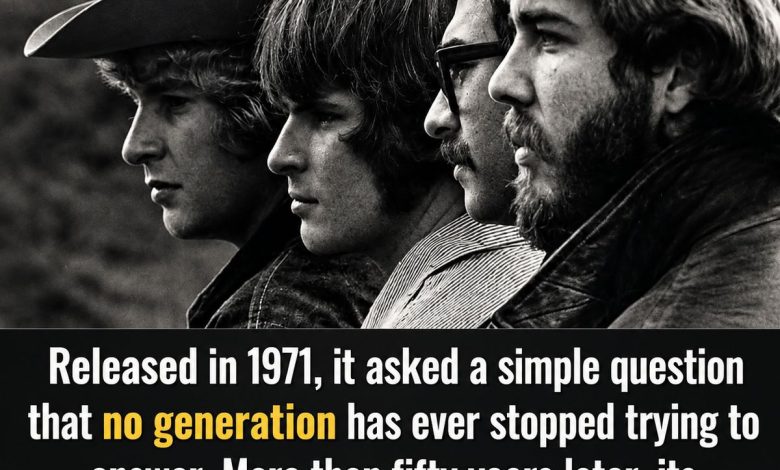
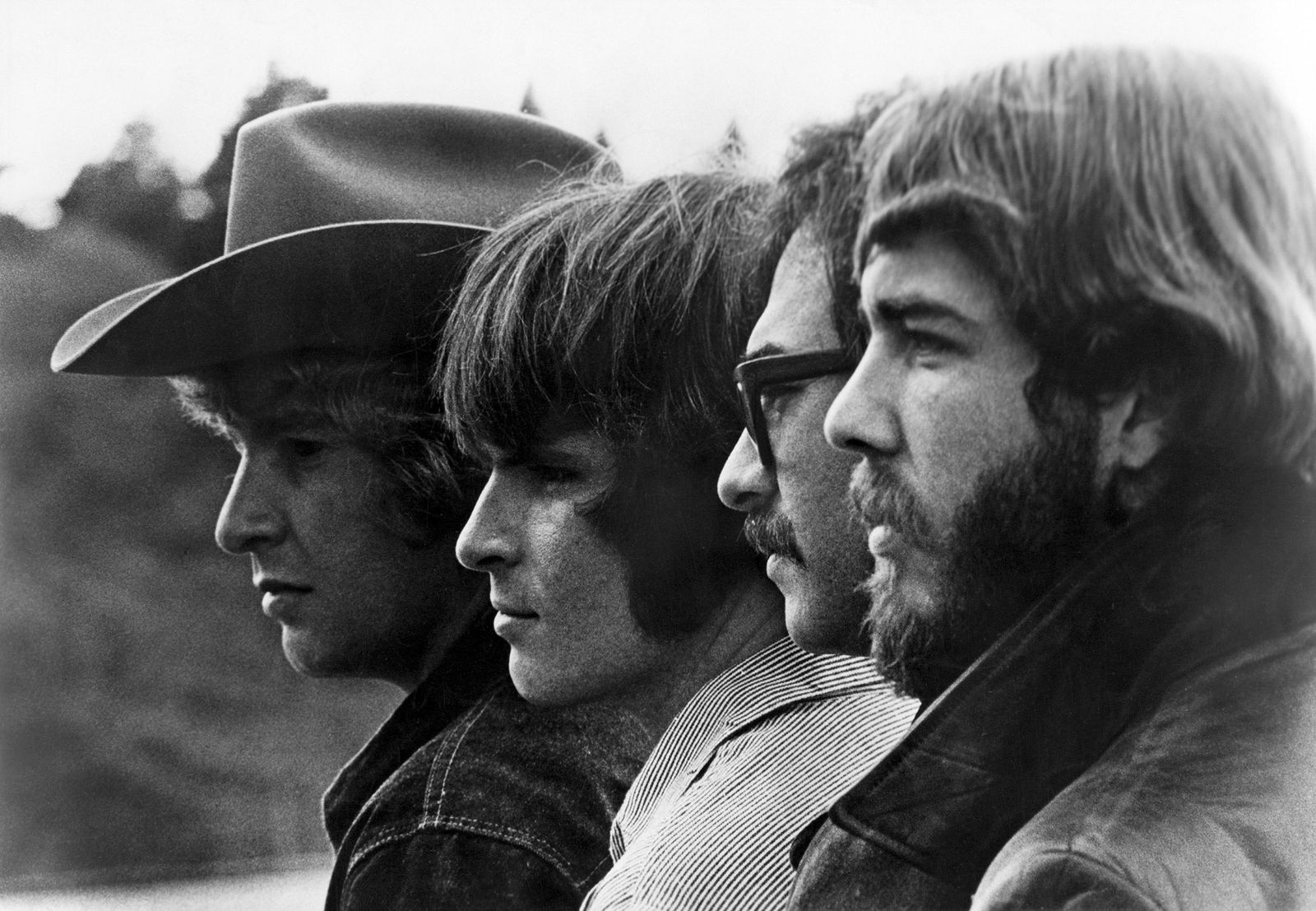
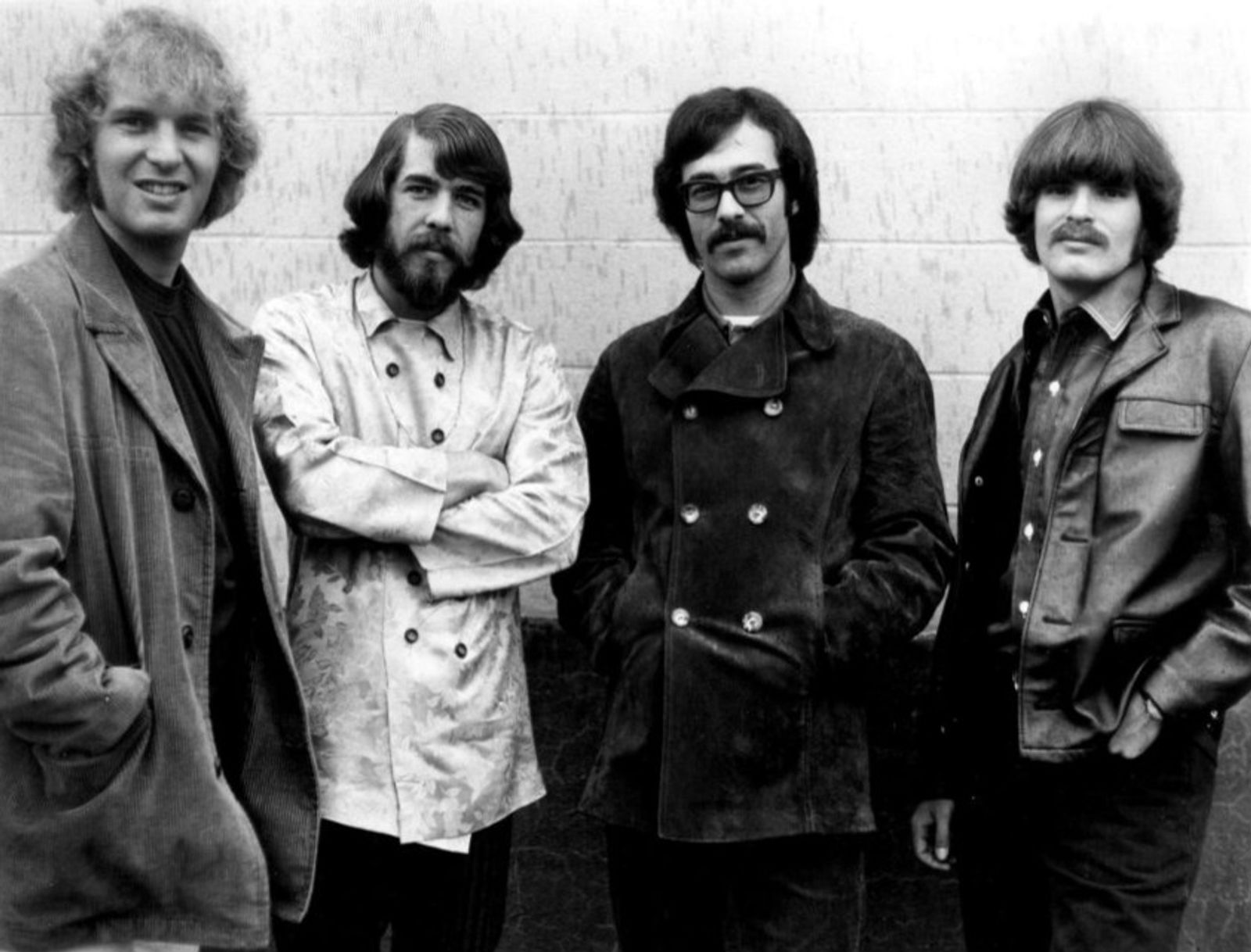
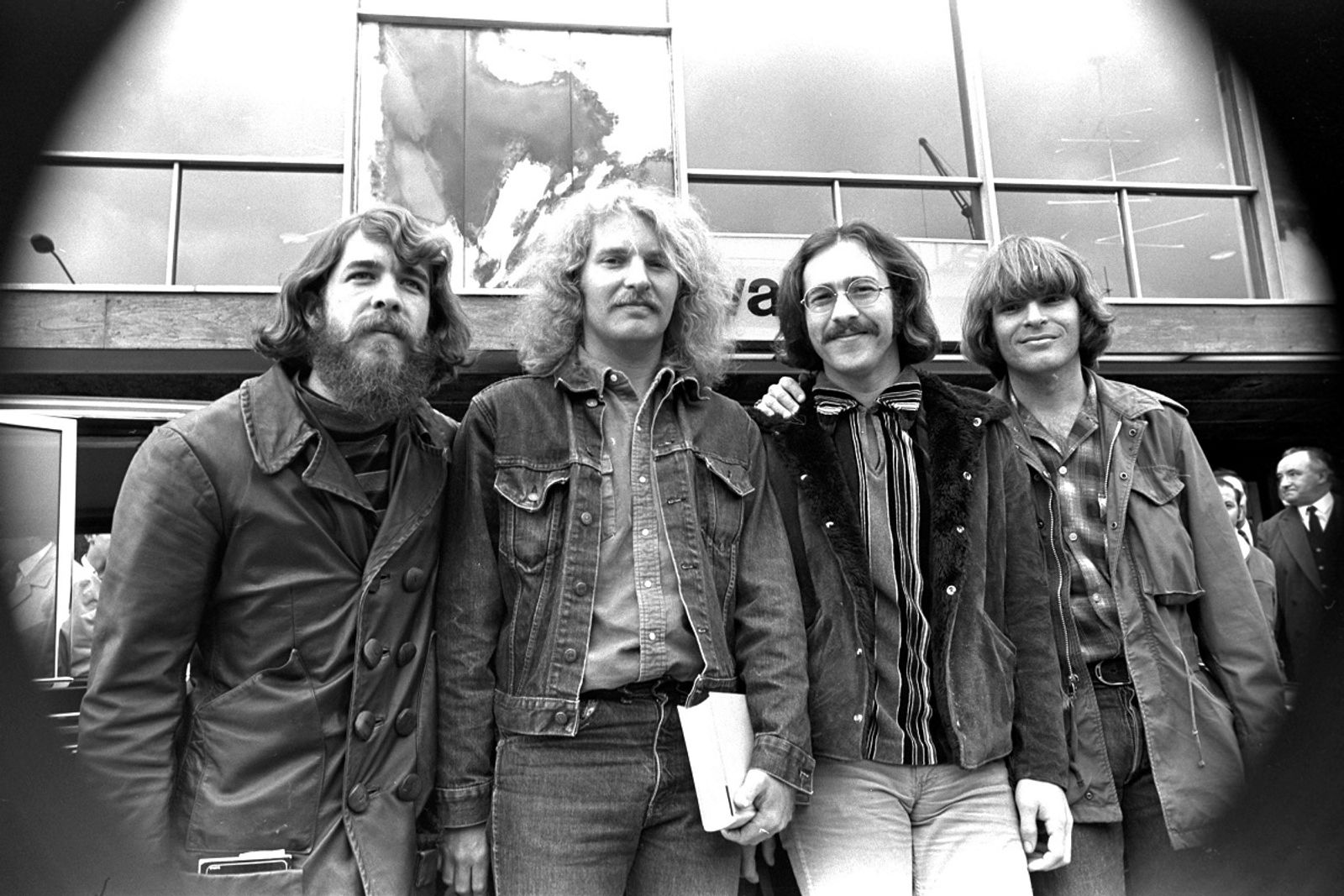
When Creedence Clearwater Revival released “Have You Ever Seen The Rain” in 1971, few could have predicted that this gentle rock ballad would become one of the most emotionally enduring songs ever recorded.
Its melody feels comforting from the very first note, yet beneath that familiar warmth lies a quiet sadness that has fascinated listeners for more than half a century.
The title itself asks an unusual question, one that sounds simple enough on the surface but grows more mysterious every time we hear it.
How can rain fall while the sun is still shining?
Nature occasionally offers that beautiful contradiction, but the song suggests something much deeper than changing weather.
Sometimes life looks bright to everyone around us while hidden storms quietly gather inside our hearts.
We smile for photographs, celebrate achievements, and continue moving forward even as disappointment slowly settles beneath the surface.
That emotional contradiction is something almost everyone eventually understands.
It explains why listeners from completely different generations continue finding pieces of their own lives inside this timeless recording.
John Fogerty never relied on elaborate lyrics to communicate profound emotions.
Instead, he chose simple words that quietly invited listeners to complete the story with their own experiences.
That remarkable simplicity has become one of the song’s greatest strengths.
The fewer answers it provides, the more personal its meaning becomes for every individual who hears it.
Some believe the song reflects the growing tensions within Creedence Clearwater Revival as enormous success began giving way to uncertainty and separation.
Whether listeners know that history or not, the emotional truth of the performance remains impossible to ignore.
Fogerty sings with the calm acceptance of someone who already understands that certain endings cannot be avoided.
There is no dramatic anger or desperate pleading.
Instead, there is quiet recognition that even wonderful seasons eventually come to an end.
That honesty gives the recording an emotional maturity rarely found in popular music.
The melody itself never overwhelms the listener.
Its steady rhythm feels almost like taking a slow walk through familiar streets while remembering people who once walked beside us.
Every guitar chord seems carefully placed, allowing silence to carry as much meaning as the music itself.
The result is a recording that feels remarkably intimate despite its worldwide popularity.

Few songs manage to sound equally at home on a lonely midnight drive, an old vinyl record spinning in the living room, or a quiet afternoon spent reflecting on years gone by.
That versatility explains why the song continues appearing in countless playlists across generations.
Parents introduced it to their children, who eventually shared it with families of their own.
Each generation hears something slightly different.
Young listeners often hear hope wrapped inside melancholy.
Older listeners recognize gratitude quietly mixed with acceptance.

The rain gradually becomes whatever challenge life has placed before each individual listener.
Loss, change, growing older, leaving home, saying goodbye, or simply realizing that nothing beautiful lasts forever.
Yet despite those deeply emotional themes, the song never leaves us feeling hopeless.
Instead, it gently reminds us that sadness and beauty often exist side by side.
Life rarely offers only sunshine or only storms.
Most meaningful moments arrive carrying both at the very same time.

Perhaps that is why the image of rain falling beneath a bright sky continues feeling so unforgettable.
It perfectly captures the complicated emotions that words alone often struggle to describe.
Musically, Creedence Clearwater Revival built their reputation on straightforward rock rooted in blues, country, and American tradition.
They never depended on elaborate studio effects or fashionable trends.
Instead, they trusted timeless songwriting, honest performances, and melodies capable of surviving long after musical styles changed.
“Have You Ever Seen The Rain” stands as one of the finest examples of that philosophy.
More than fifty years later, it continues sounding fresh not because it chases modern production, but because genuine emotions never become outdated.
Every return to the song feels like reconnecting with an old friend who somehow understands exactly what we have been carrying without asking a single question.
Its familiar melody welcomes us back, while its lyrics quietly reveal new meanings shaped by the lives we have lived since the last time we listened.
Perhaps that is the true magic of timeless music.
It does not remain frozen in the year it was recorded.
Read more stories
- Released in 1971, this cheerful pop hit sounded bright and carefree on the surface… But hidden inside the lyrics was a surprisingly sad story most listeners never noticed.
- Shelley Winters: A Voice That Refused to Be Silenced
- Ed Harris’s Journey from Frustration to Acceptance in Dutton Ranch
- The Last Ride: John Wayne’s Moving Farewell in The Shootist