Released in 1970, this song doesn’t overwhelm you at first — it quietly slips into your emotions and stays there for a long time.
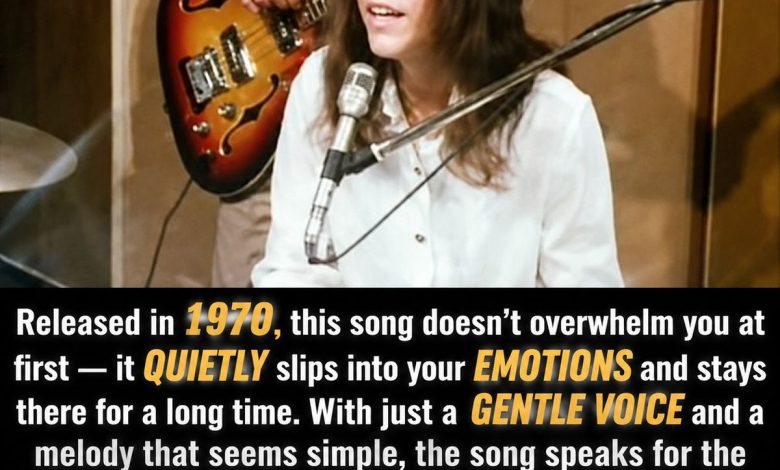
Released in 1970, this song doesn’t overwhelm you at first — it quietly slips into your emotions and stays there for a long time. With just a gentle voice and a melody that seems simple, the song speaks for the longing to be close to someone… a feeling many people hear all their lives without ever finding the right words for it.
When The Carpenters released “(They Long to Be) Close to You” in 1970, it felt less like a song arriving on the radio and more like a quiet moment slipping into people’s lives.
In an era marked by loud guitars, social unrest, and rapidly changing musical trends, this gentle, intimate ballad stood out by doing the opposite of what was expected.
It didn’t shout for attention.
It simply existed—soft, sincere, and emotionally precise—and listeners leaned in.
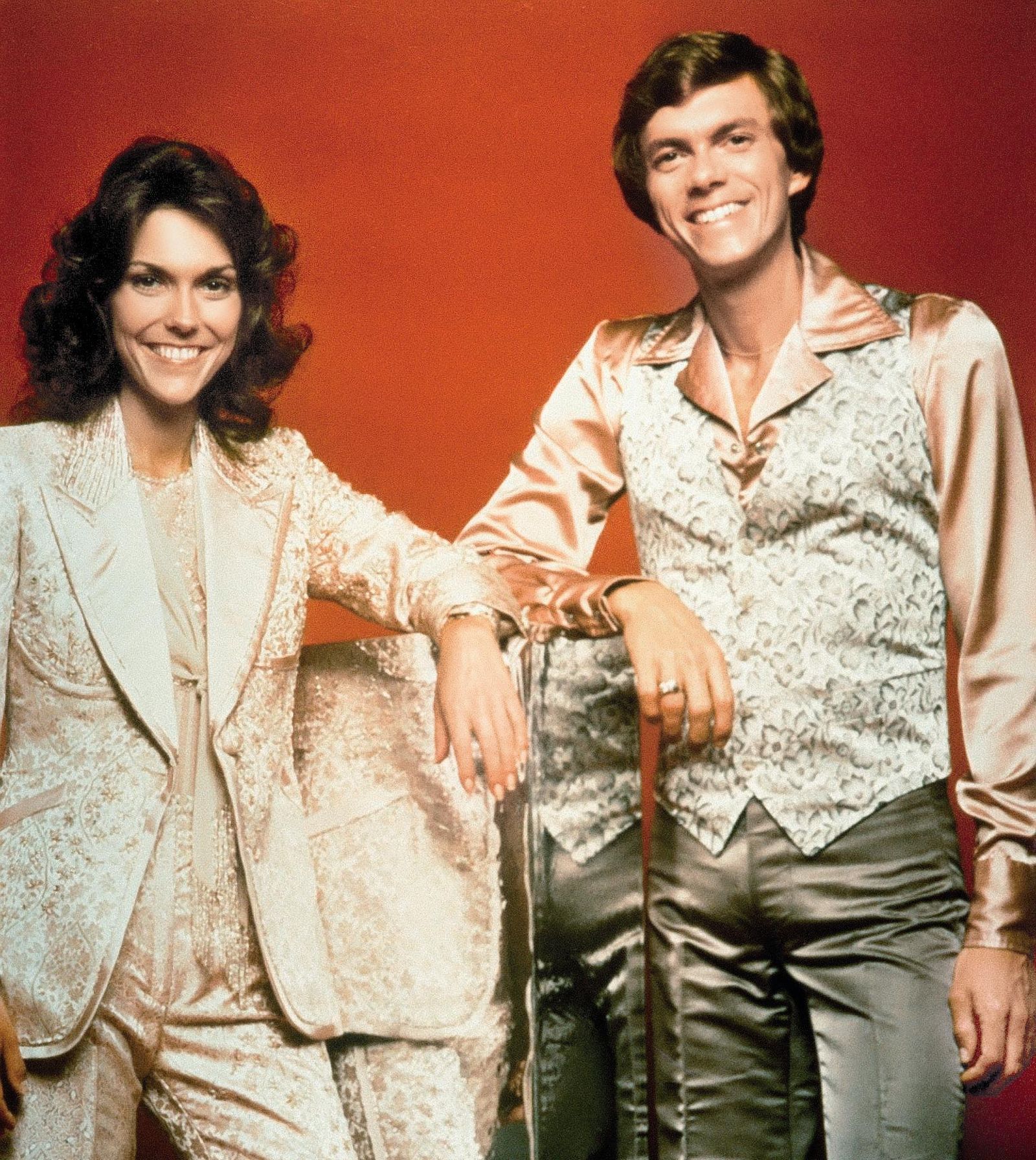
The Carpenters were siblings Karen and Richard Carpenter, raised in New Haven, Connecticut, before settling in Downey, California.
Richard was a classically trained pianist and arranger with a keen ear for melody and structure.
Karen possessed one of the most distinctive voices of her generation: a warm, contralto tone that felt both vulnerable and reassuring.
Together, they created a sound that was polished but never cold, emotional without being dramatic.
By the late 1960s, they were still searching for the song that would truly define them.
“(They Long to Be) Close to You” had existed long before The Carpenters touched it.
Written by Burt Bacharach and Hal David, the song was originally recorded by actor Richard Chamberlain in 1963, but it failed to make an impact.
Other artists passed on it, and for years it lingered as an overlooked composition.
Everything changed when Herb Alpert, head of A&M Records, suggested that The Carpenters record it after their modest success with “Ticket to Ride.”
What followed was a turning point not only for the duo, but for pop music itself.
Richard Carpenter stripped the arrangement down, focusing on simplicity and emotional clarity.
The now-iconic opening—those soft, fluttering notes meant to mimic birds appearing whenever the subject of the song walks by—was playful without being cute.
It set the tone for what followed: a song built on tenderness rather than tension.
Karen Carpenter’s vocal performance is the heart of the recording.
She doesn’t oversell a single line.
Instead, she delivers the lyrics with a calm intimacy that makes them feel deeply personal, as though she’s confiding in the listener rather than performing for an audience.
There’s no distance between emotion and sound.
Every phrase feels deliberate, unforced, and real.
It’s that restraint that gives the song its power.
Lyrically, “Close to You” speaks to a universal feeling—the quiet wonder of loving someone so deeply that the world seems to respond to their presence.
Birds suddenly appear.
Stars fall from the sky.
These images are whimsical, almost surreal, yet grounded in a very human longing.
The song doesn’t describe grand gestures or dramatic romance.
It captures the simplicity of wanting to be near someone, and how that closeness can make ordinary moments feel extraordinary.
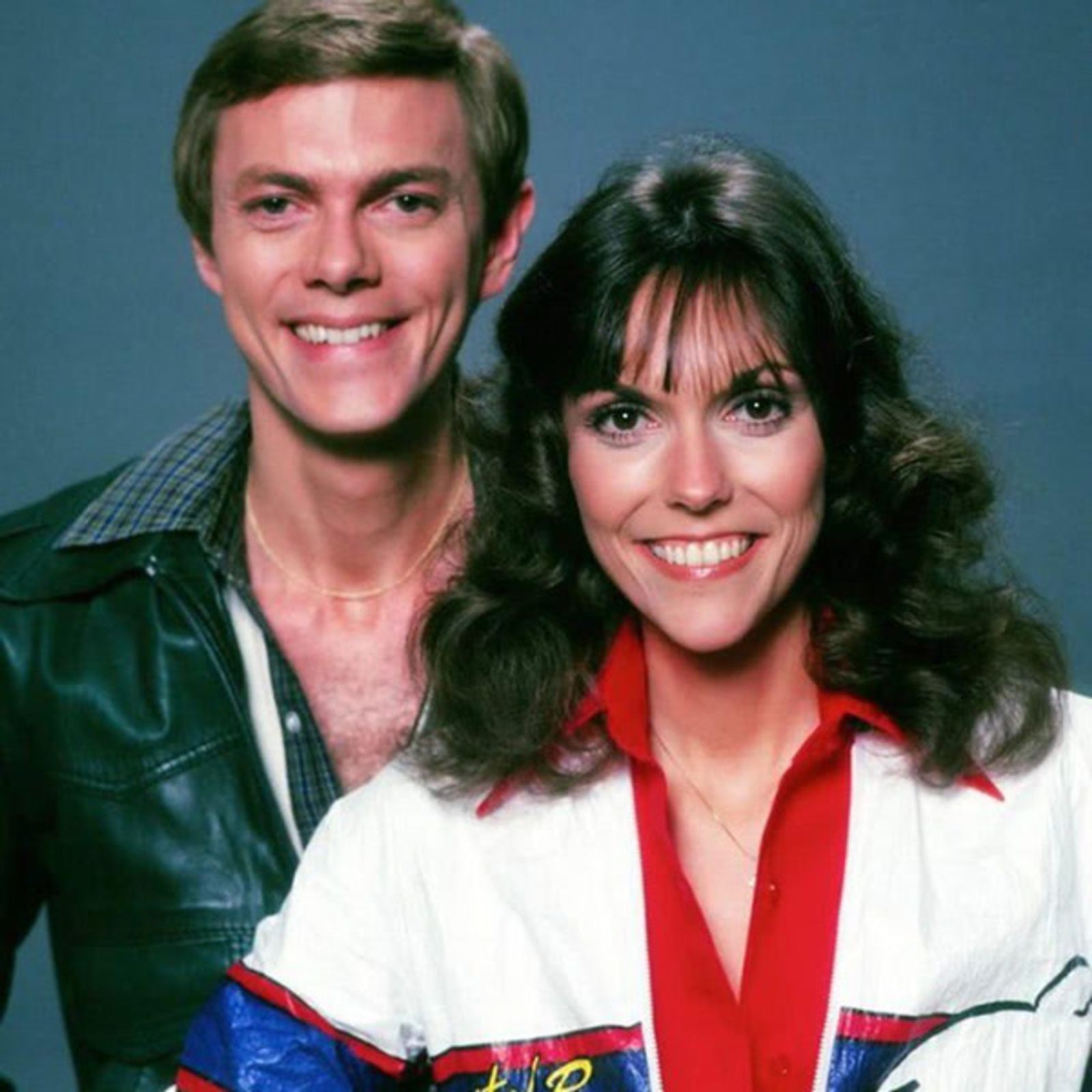
When the song was released in May 1970, its impact was immediate.
It climbed to No. 1 on the Billboard Hot 100, becoming The Carpenters’ first chart-topping hit.
More importantly, it established their identity.
At a time when pop music was becoming increasingly experimental or politically charged, The Carpenters offered something timeless—music rooted in melody, harmony, and emotional honesty.
The success of “Close to You” also marked a shift in what mainstream audiences were ready to embrace.
It proved that softness could be powerful, that subtlety could compete with spectacle.
Radio stations played it endlessly, and it became a staple at weddings, quiet evenings, and reflective moments.
The song didn’t demand attention—it earned it through sincerity.
Culturally, the track helped define the sound of the early 1970s.
It paved the way for a wave of softer pop and adult contemporary music that prioritized emotional connection over trendiness.
The Carpenters soon followed with hits like “We’ve Only Just Begun,” “Rainy Days and Mondays,” and “Superstar.”
But “Close to You” remained their emotional cornerstone—the song that introduced the world to Karen’s voice and the duo’s unmistakable style.
Yet behind the song’s warmth and success, there was a growing contrast between the music and the reality of the artists who made it.
Karen Carpenter’s struggles with health and self-image would later cast a shadow over the band’s story.
In hindsight, her voice on “Close to You” carries an added layer of poignancy.
There is a fragility in her tone that feels almost prophetic, making the song resonate even more deeply decades later.
Over the years, “(They Long to Be) Close to You” has been covered by countless artists across genres, from jazz to R&B to indie pop.
Each version highlights a different aspect of the song.
But few can replicate the quiet magic of the original.
Karen Carpenter’s voice remains inseparable from it, as if the song was always meant to sound exactly that way.
The song’s longevity speaks to its emotional truth.
Even listeners who encounter it for the first time today—removed from its original cultural context—understand it immediately.
The feeling it captures doesn’t age.
Wanting closeness, noticing how love changes the way the world looks, holding onto gentle moments—these are experiences that transcend decades.
In the end, “(They Long to Be) Close to You” endures because it trusts simplicity.
It doesn’t chase trends or rely on dramatic flourishes.
It allows melody, voice, and emotion to do the work.
The Carpenters didn’t just record a hit—they created a moment of stillness in popular music, one that continues to invite listeners in.
More than half a century later, the song still feels like a quiet conversation between the artist and the listener.
Read more stories
- Released in 1971, this cheerful pop hit sounded bright and carefree on the surface… But hidden inside the lyrics was a surprisingly sad story most listeners never noticed.
- Shelley Winters: A Voice That Refused to Be Silenced
- Ed Harris’s Journey from Frustration to Acceptance in Dutton Ranch
- The Last Ride: John Wayne’s Moving Farewell in The Shootist