They Didn’t Know They Were Creating a Timeless Classic
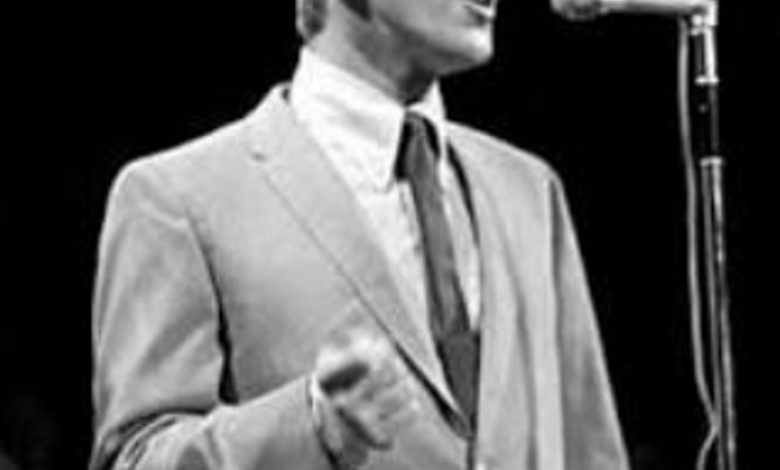
In 1964, two songwriters were given a simple assignment: write something for a new singing duo Phil Spector wanted to record.
What they created didn’t sound like an ordinary pop song.
It was slow. Dramatic. Unusually long for the time.
And when the singers first heard it, they weren’t completely convinced.
But Phil Spector heard something different.
He heard a record that could change everything.
It Started With Two Songwriters
Barry Mann and Cynthia Weil were one of the great songwriting teams of the 1960s.
They were working in New York when Spector asked them to come to Los Angeles and write something for two singers he had recently signed: the Righteous Brothers. Spector played Mann and Weil recordings by the duo and asked them to come up with something interesting for their voices.
The two writers began working on the song.
Mann came up with the opening musical idea, while Weil began developing the lyrics.
The opening phrase came surprisingly naturally.
Then they reached the chorus.
The words “you’ve lost that lovin’ feelin’” were initially just a temporary lyric—a placeholder they used while developing the song.
They weren’t even sure it would become the title.
Then they played what they had written for Spector.
He immediately disagreed.
Those weren’t temporary words anymore.
That was the title.
And the song was going to be built around them.
Spector Wanted Something Different
The songwriters had been inspired by the emotional intensity of soul music, particularly the Four Tops.
They wanted to create something passionate and dramatic for the Righteous Brothers.
But Spector took the idea even further.
He suggested a new middle section for the song, and Mann and Weil continued developing the piece with him.
Spector also envisioned a massive production.
This was the beginning of what would become one of the most famous examples of his Wall of Sound technique.
Instead of keeping the arrangement small, Spector surrounded the singers with layers of musicians and instruments.
Piano.
Guitars.
Bass.
Drums.
Saxophone.
Strings and other orchestral textures.
Everything was recorded and blended together to create an enormous sound.
The goal wasn’t simply to accompany the singers.
The production itself became part of the emotion.
Then There Was a Problem
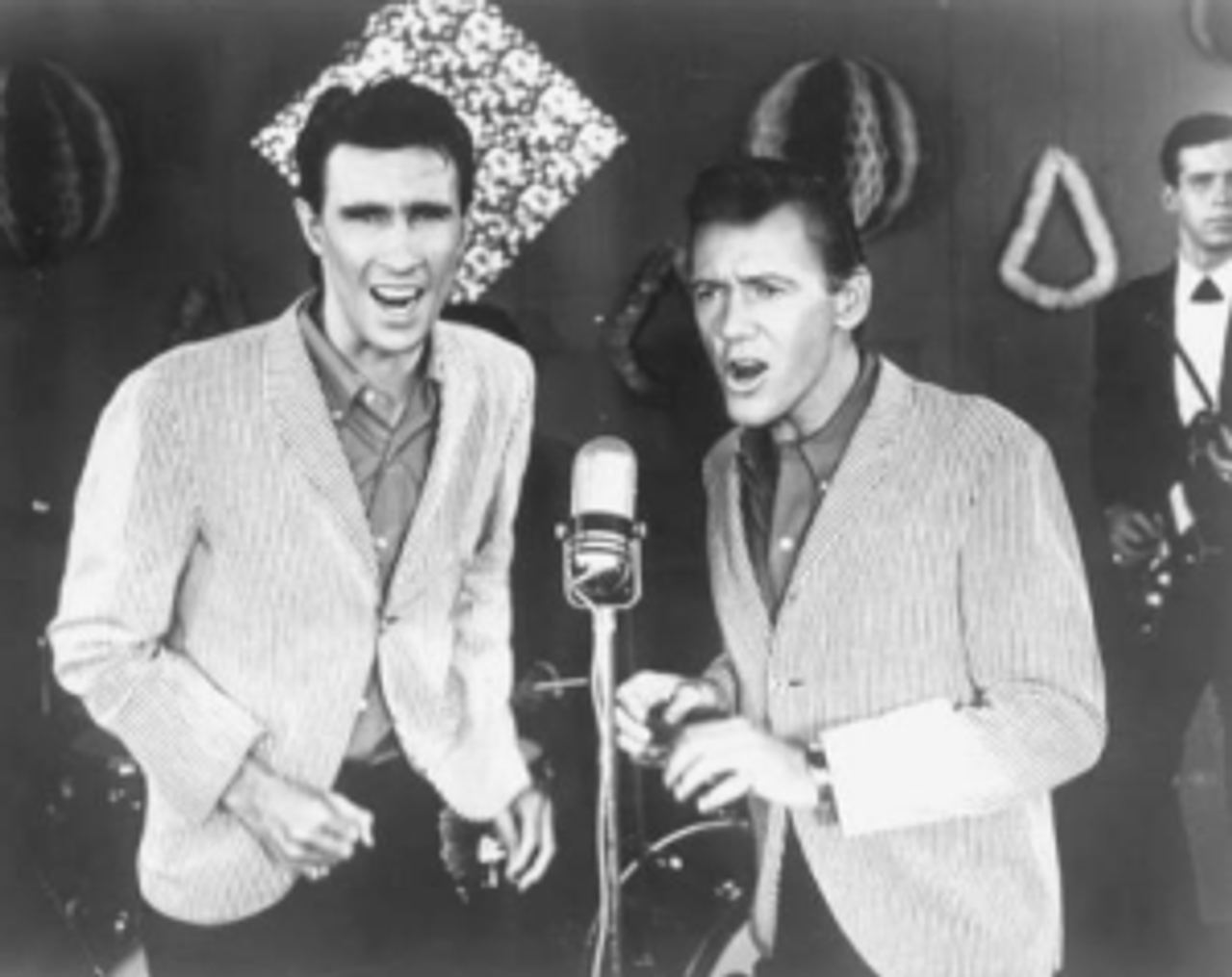
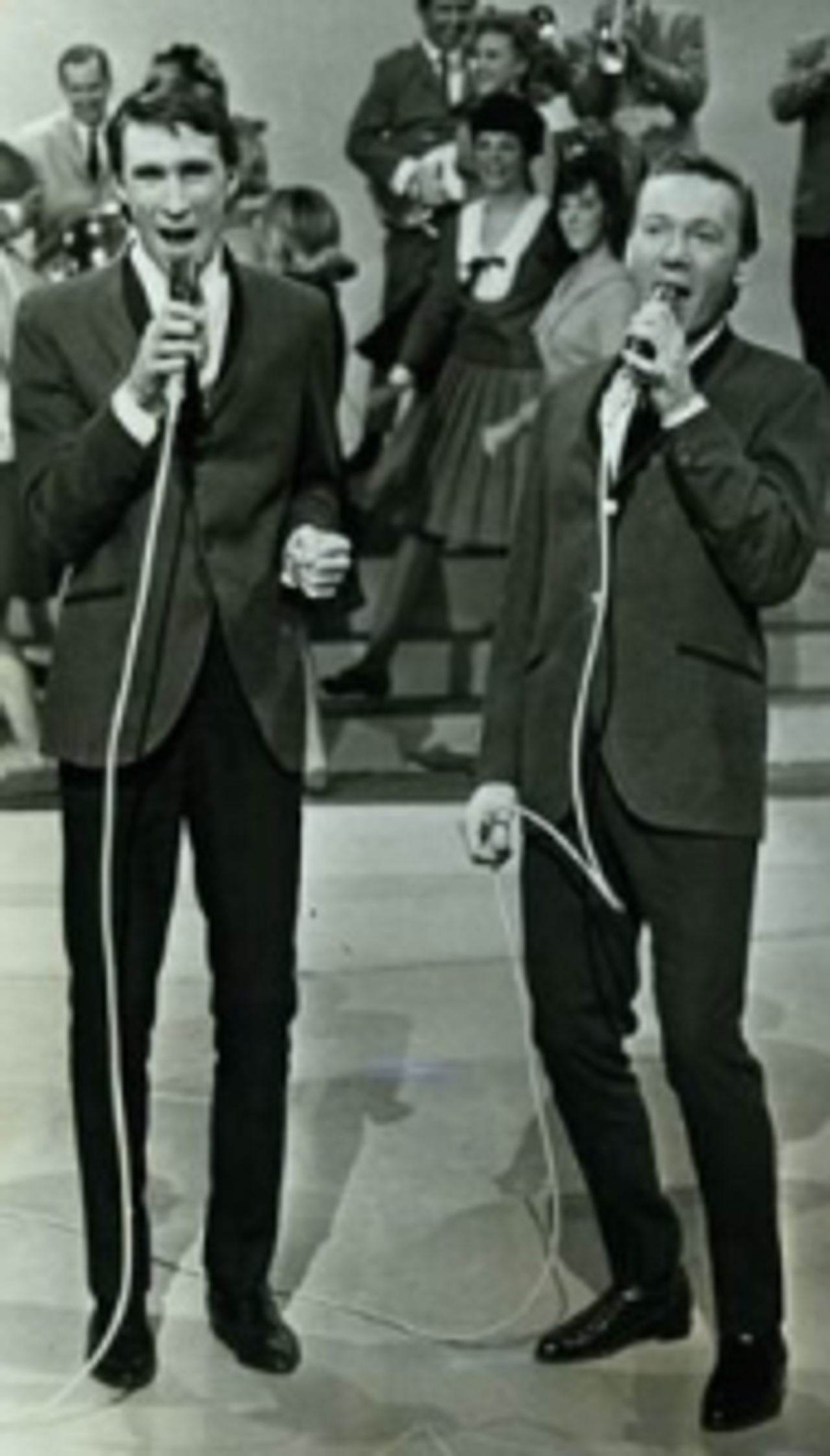
The Righteous Brothers were Bill Medley and Bobby Hatfield.
Medley had the unusually deep voice that immediately gave the group its distinctive sound.
For the opening part of the song, however, Hatfield wasn’t singing much.
According to Cynthia Weil, Hatfield wondered what he was supposed to do while Medley handled the first verse.
Spector apparently wasn’t worried.
He knew exactly what he wanted.
And eventually, Hatfield’s entrance became one of the most important moments in the recording.
The contrast between Medley’s low opening vocal and Hatfield’s higher voice helped make the record feel enormous.
It wasn’t just two singers performing a breakup song.
It sounded like an emotional conversation.
The Recording Was Anything But Simple
The instrumental track was recorded at Gold Star Studios in Hollywood.
Spector brought together some of Los Angeles’ finest session musicians, including members of the legendary Wrecking Crew.
The recording was built layer by layer.
The musicians created the instrumental foundation.
Additional parts were overdubbed.
Then the Righteous Brothers came in to record their vocals.
Medley had to sing the opening sections repeatedly until Spector was satisfied.
The vocal recording alone reportedly took dozens of takes and many hours over two days.
Spector was chasing something very specific.
He wanted the performance to feel enormous.
And he wanted the listener to feel the emotion before even thinking about the lyrics.
The Song Was Too Long for Radio
There was another problem.
The finished recording was longer than the usual pop single of the era.
Today, a song running slightly over three minutes wouldn’t seem unusual.
In 1964, it was different.
Mann later recalled that the record actually ran around 3:10, while Spector put 2:58 on the label so radio DJs would be more willing to play it.
It was another gamble.
But Spector wasn’t interested in making the song smaller just to fit a formula.
He wanted the record to feel the way he imagined it.
Huge.
Dramatic.
Almost overwhelming.
And somehow, it worked.
Then America Heard It
“You’ve Lost That Lovin’ Feelin’” was released in late 1964.
The reaction grew quickly.
By February 1965, the song had reached No. 1 in both the United States and the United Kingdom.
It became the Righteous Brothers’ first No. 1 hit.
And the unusual recording that had seemed too long and too dramatic for conventional pop radio had become an international smash.
The song’s influence didn’t stop there.
Its combination of pop songwriting, soul vocals, and Spector’s huge production became a model for countless recordings that followed.
Then Something Even Bigger Happened
Decades after its release, the song was still being played constantly.
In 1999, BMI recognized it as the most performed song of the 20th century in its catalog, reflecting its extraordinary radio and television exposure.
The Library of Congress later selected the recording for preservation in the National Recording Registry, recognizing its cultural and historical significance.
And the song never really disappeared.
New generations kept discovering it.
Movies introduced it to younger audiences.
Other artists recorded their own versions.
And the original remained instantly recognizable.
A Song That Changed What a Pop Record Could Sound Like
What makes the story so fascinating is that nothing about the record was particularly safe.
The song was unusually long.
The arrangement was enormous.
The production was complicated.
The singers weren’t initially sure how their parts would work.
And Spector even had to disguise the actual running time for radio.
Yet all those decisions became part of what made the recording unforgettable.
Barry Mann and Cynthia Weil had started with an emotional idea.
Phil Spector turned it into a massive production.
Bill Medley and Bobby Hatfield gave it the voices.
And together, they created a record that would outlive the era in which it was made.
More than 60 years later, those opening words still hit immediately.
You don’t need to know the year.
You don’t need to know the story.
You hear that voice.
Then the second voice comes in.
And suddenly, you’re back in 1965.
Sometimes a song becomes timeless because it follows the rules perfectly.
This one became timeless because almost everything about it was bigger than the rules.
Read more stories
- The Heartbreaking Story Behind One of the Greatest Breakup Songs Ever Written
- The Song He Almost Wrote Just to Make His Friend Laugh
- Creamy Pineapple Fluff
- By 1972, Waylon Jennings was a rising star in a rhinestone suit. To find his true sound, he had to risk burning his entire career to the ground.