The Shadows’ 1960 Classic “Apache”: The Instrumental Anthem That Shaped a Musical Era
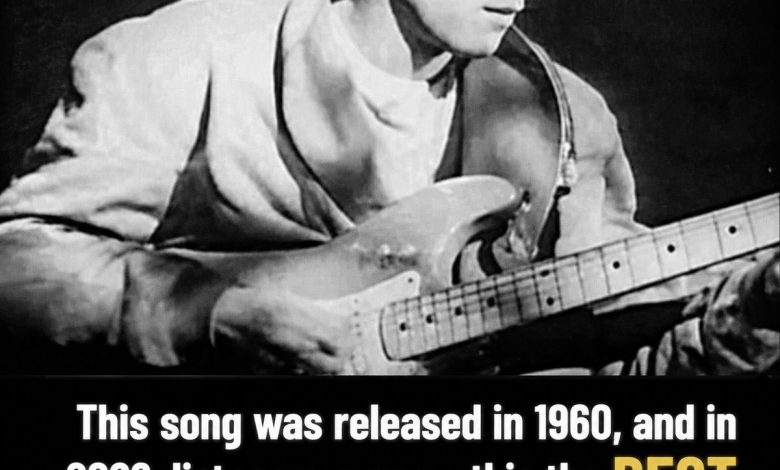
Among the most iconic instrumentals in rock history, few tracks have matched the cultural impact of Apache by The Shadows.
Released in 1960, the song held the number one spot on the UK charts for five weeks and became a defining anthem of its era.
With its piercing lead guitar and entrancing rhythm, Apache wasn’t merely a chart success—it was a bold declaration.
It established the electric guitar as a central voice in popular music and helped carve out a space for instrumental rock at the top of the charts.
Though The Shadows were known as Cliff Richard’s backing band, this track proved they were trailblazers in their own right.

The band’s roots go back to 1958 when they started as The Drifters, later changing their name to avoid legal conflicts with the American R&B group of the same name.
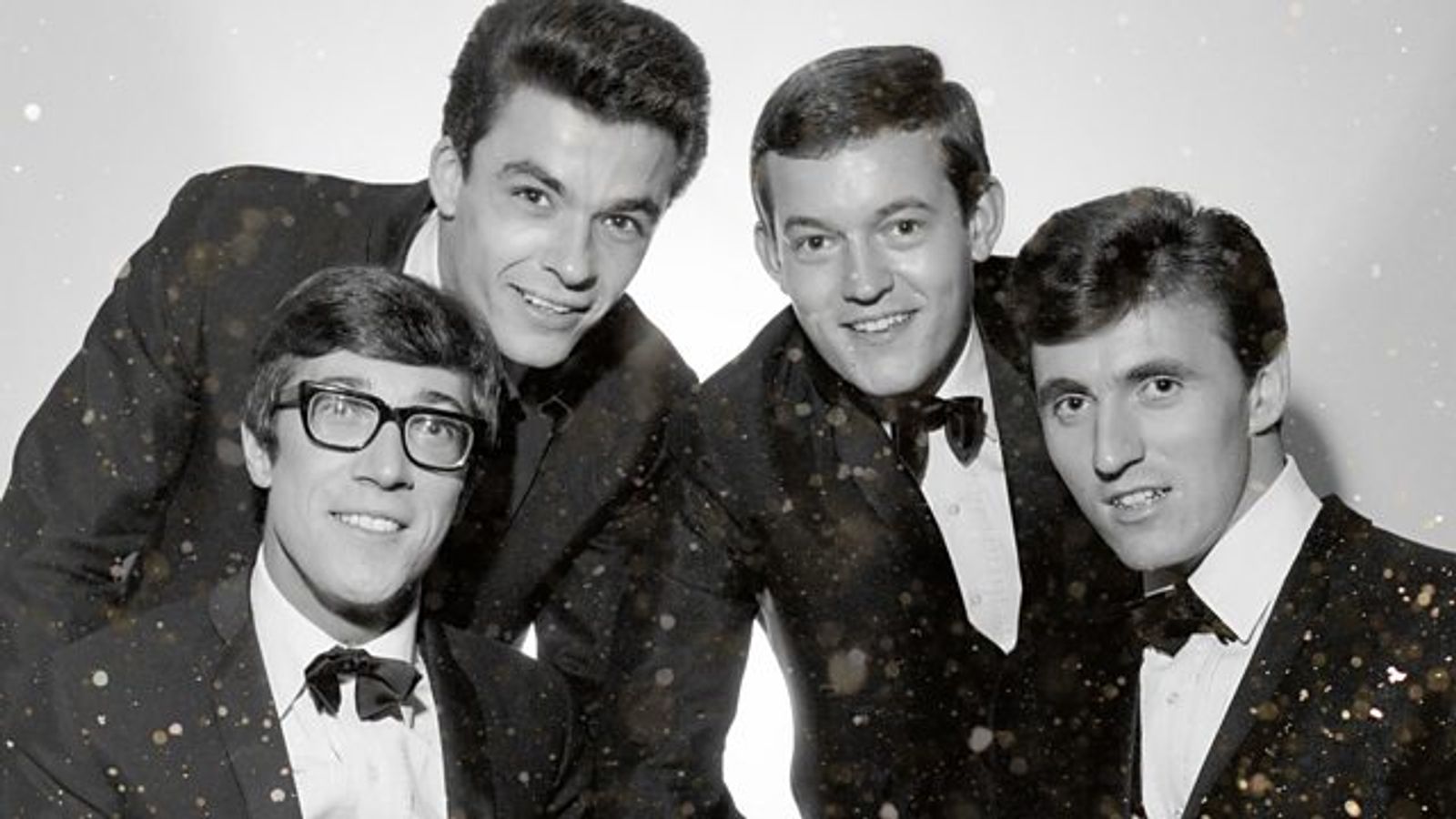
Led by Hank Marvin’s standout guitar work, joined by Bruce Welch on rhythm guitar, Jet Harris on bass, and Tony Meehan on drums, The Shadows swiftly earned a following for their crisp and inventive musical style.
Their collaborations with Cliff Richard gave them early exposure, but it was Apache that elevated them from supporting act to headline pioneers.
Interestingly, The Shadows were not the originators of Apache.
British songwriter Jerry Lordan penned the tune after being inspired by the 1954 Western film of the same name, which starred Burt Lancaster.
Seeking to merge cinematic grandeur with a modern twist, Lordan first gave the track to guitarist Bert Weedon, whose version failed to chart.
But when The Shadows interpreted the song, it was transformed.
Hank Marvin’s echo-heavy Stratocaster infused the melody with a spectral depth, giving it an instantly recognizable sound and breathing new life into Lordan’s vision.
The studio session that birthed Apache was a turning point.
Recorded at Abbey Road Studios and produced by Norrie Paramor, the track highlighted Marvin’s distinctive tone, achieved with a Fender Stratocaster, a Vox amplifier, and a Meazzi Echomatic echo unit.
The interplay between Welch’s crisp rhythm guitar and Meehan’s creative drumming lent the song a cinematic richness.
Rather than feeling like a studio piece, the recording had an expansive, almost atmospheric quality that set it apart from anything else on the airwaves.
When Apache debuted in July 1960, it quickly overtook the charts, even toppling Cliff Richard’s own hit, Please Don’t Tease, from the number one position.
It stayed at the summit of the UK Singles Chart for five consecutive weeks.
Though it didn’t chart in the U.S., partly due to a competing version by Danish guitarist Jørgen Ingmann, the track was a sensation throughout Europe, as well as in Australia and South Africa.
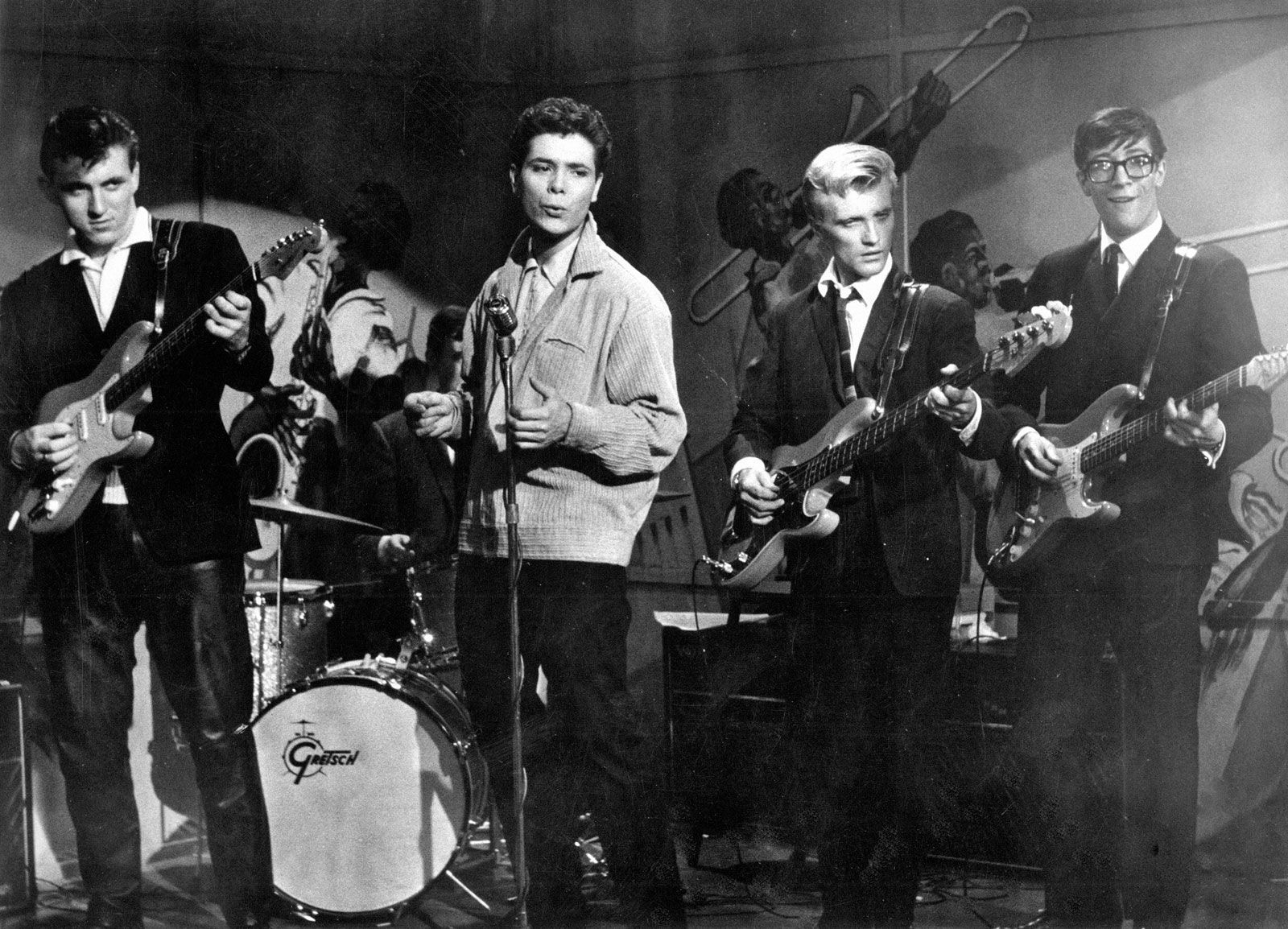
Its widespread acclaim helped separate The Shadows from their association with Richard and solidified their identity as a leading instrumental act.
Apache didn’t just resonate with fans, it fundamentally altered how the electric guitar was perceived in popular music.
In an era dominated by vocal groups and pop ballads, The Shadows demonstrated that a melody-driven instrumental could reach the top of the charts.
The track had a monumental influence on budding musicians in the UK.
Aspiring guitarists, including a young Eric Clapton and David Gilmour, found inspiration in Hank Marvin’s polished and emotive playing style.
For The Shadows, the song marked the beginning of an unparalleled run of success.
In the years that followed, they released a string of hit instrumentals such as Wonderful Land, Atlantis, and FBI, becoming a dominant force in the UK music charts well into the 1960s.
At a time when the British music scene was rapidly evolving, The Shadows held their ground as one of the most consistent and influential groups before the rise of The Beatles.
The ripple effects of Apache extended far beyond Britain.
The track served as a blueprint for the instrumental surf rock movement that flourished in America with bands like The Ventures and artists such as Dick Dale.

Even early material from The Beatles and Rolling Stones bore traces of The Shadows’ clean guitar work and melodic discipline.
The band’s influence became a quiet undercurrent in the development of British and American rock alike.
Apache also enjoyed a remarkable second life through reinterpretations across genres and decades.
The Ventures released a version in 1961 that became popular in the United States, while the Sugarhill Gang’s 1981 track Apache (Jump On It) transformed the melody into a cornerstone of hip-hop.
Countless samples and electronic remixes since then have continued to reintroduce the track to new audiences, reinforcing its timeless quality and cross-generational appeal.
At the time of its release, Apache became the defining statement of The Shadows’ musical identity.
It was the moment they broke free from their supporting role and announced themselves as creative leaders.
Though their sound would evolve over time, this track remained at the heart of their legacy, an enduring example of their technical skill and imaginative vision.
Decades after its release, Apache still resonates as a milestone in music history.
Frequently featured on lists of the greatest instrumental tracks ever recorded, it continues to influence guitar players and producers around the globe.
Its signature riff has become a rite of passage for many learning the instrument, serving as both a technical challenge and a bridge to the golden era of British rock.
What truly elevates Apache is its ability to tell a story without a single lyric.
Read more stories
- Released in 1971, this cheerful pop hit sounded bright and carefree on the surface… But hidden inside the lyrics was a surprisingly sad story most listeners never noticed.
- Shelley Winters: A Voice That Refused to Be Silenced
- Ed Harris’s Journey from Frustration to Acceptance in Dutton Ranch
- The Last Ride: John Wayne’s Moving Farewell in The Shootist