More than just a folk song, this timeless recording became a tribute to twenty-nine lives that deserved to be remembered forever.

Some songs entertain us for a few minutes, while others quietly preserve history in ways that books alone never could.
The Wreck of the Edmund Fitzgerald belongs to that rare second category, transforming a real-life tragedy into one of the most unforgettable ballads ever written.
From its opening lines, the song carries a quiet sense of respect rather than spectacle.
It never chases drama because the truth behind the story is already powerful enough.
Released in 1976, the song tells the story of the SS Edmund Fitzgerald, a massive Great Lakes freighter that disappeared during a violent storm on Lake Superior the previous November.
All twenty-nine crew members were lost.
No one survived to describe the ship’s final moments.

That silence became part of the song itself.
Rather than imagining details that could never be known, Gordon Lightfoot filled the spaces with dignity, compassion, and quiet reflection.
His lyrics read less like fiction and more like a memorial.
Every verse honors the people behind the headlines.
The sailors are never reduced to statistics.
Instead, they become fathers, sons, husbands, and friends whose lives ended far too soon.
That humanity is what gives the song its lasting emotional power.
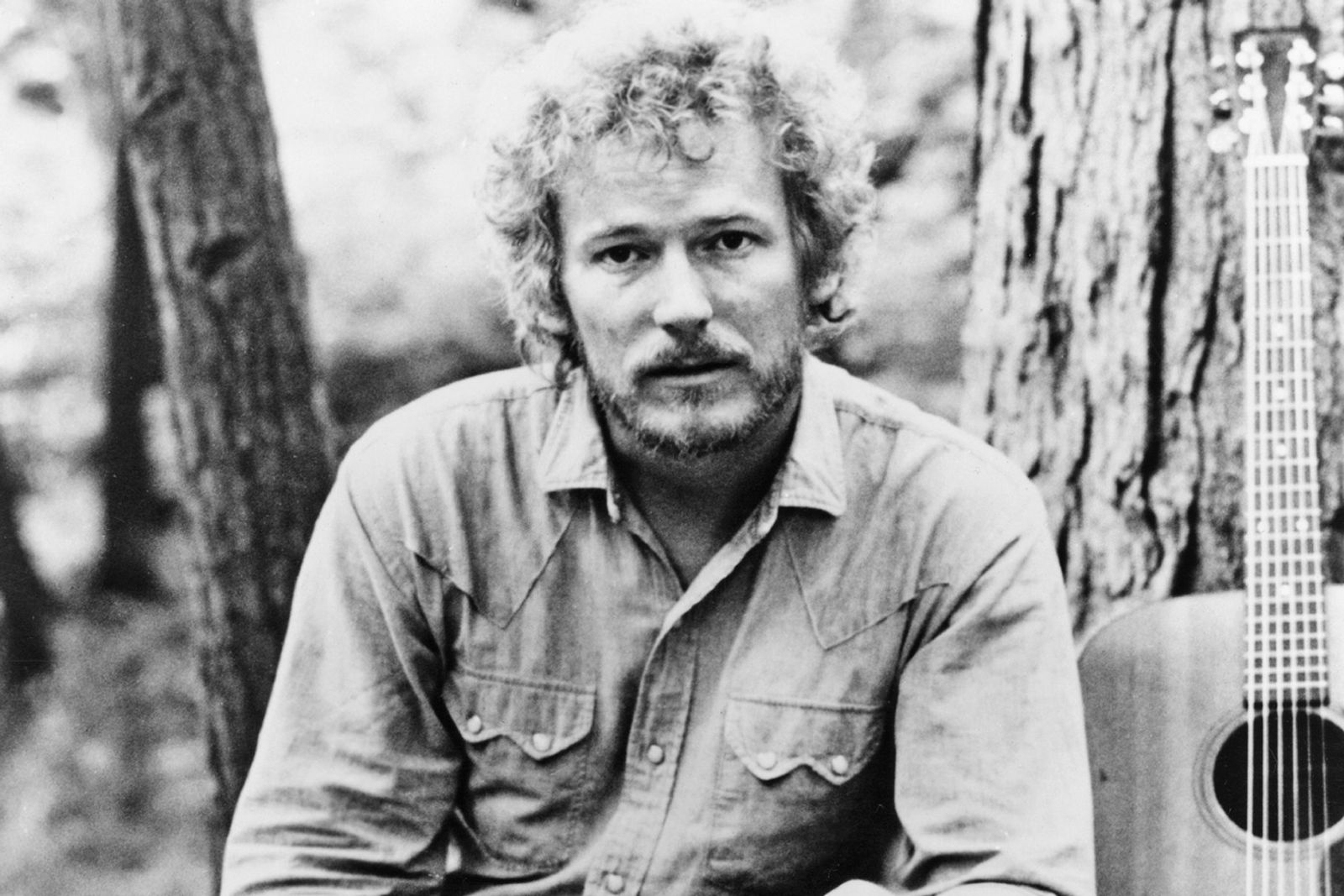
Lightfoot understood that the greatest tragedies are measured not by numbers but by the empty chairs left behind.
His gentle voice never sounds theatrical.
There are no dramatic outbursts or exaggerated emotions.
Instead, he sings with remarkable restraint, allowing the weight of the story to unfold naturally.
That quiet delivery makes every word feel even more meaningful.
The melody moves steadily like the waters of Lake Superior itself.
Its gentle rhythm mirrors the endless motion of waves that continue long after human lives have passed.
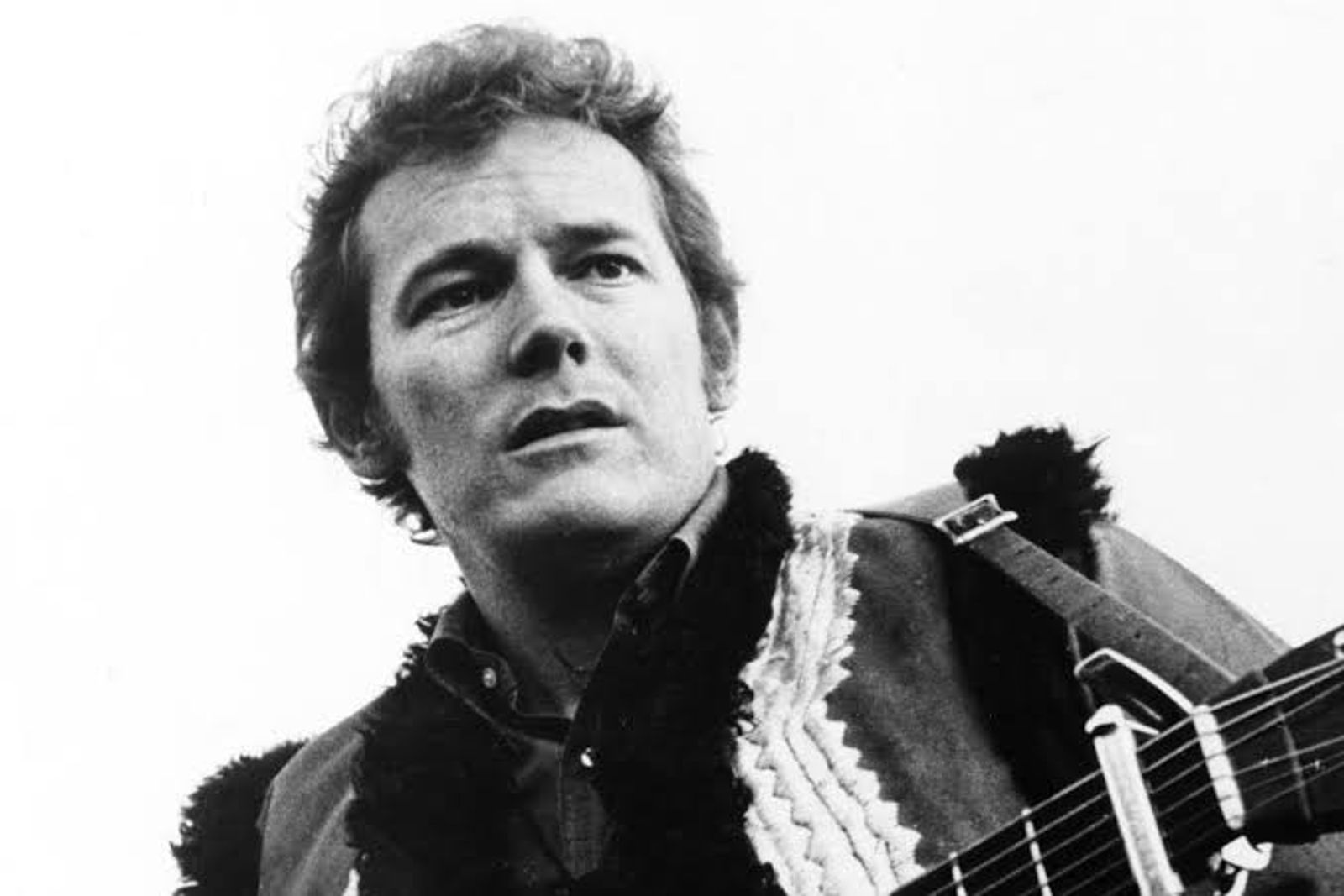
The arrangement remains beautifully simple.
Acoustic guitars, subtle percussion, and delicate instrumentation create an atmosphere of quiet reflection rather than grand performance.
Nothing distracts from the story.
Every musical choice serves the memory of those who never returned home.
Perhaps that explains why listeners often describe the song as haunting rather than merely sad.
It never asks for tears.
Instead, it invites remembrance.
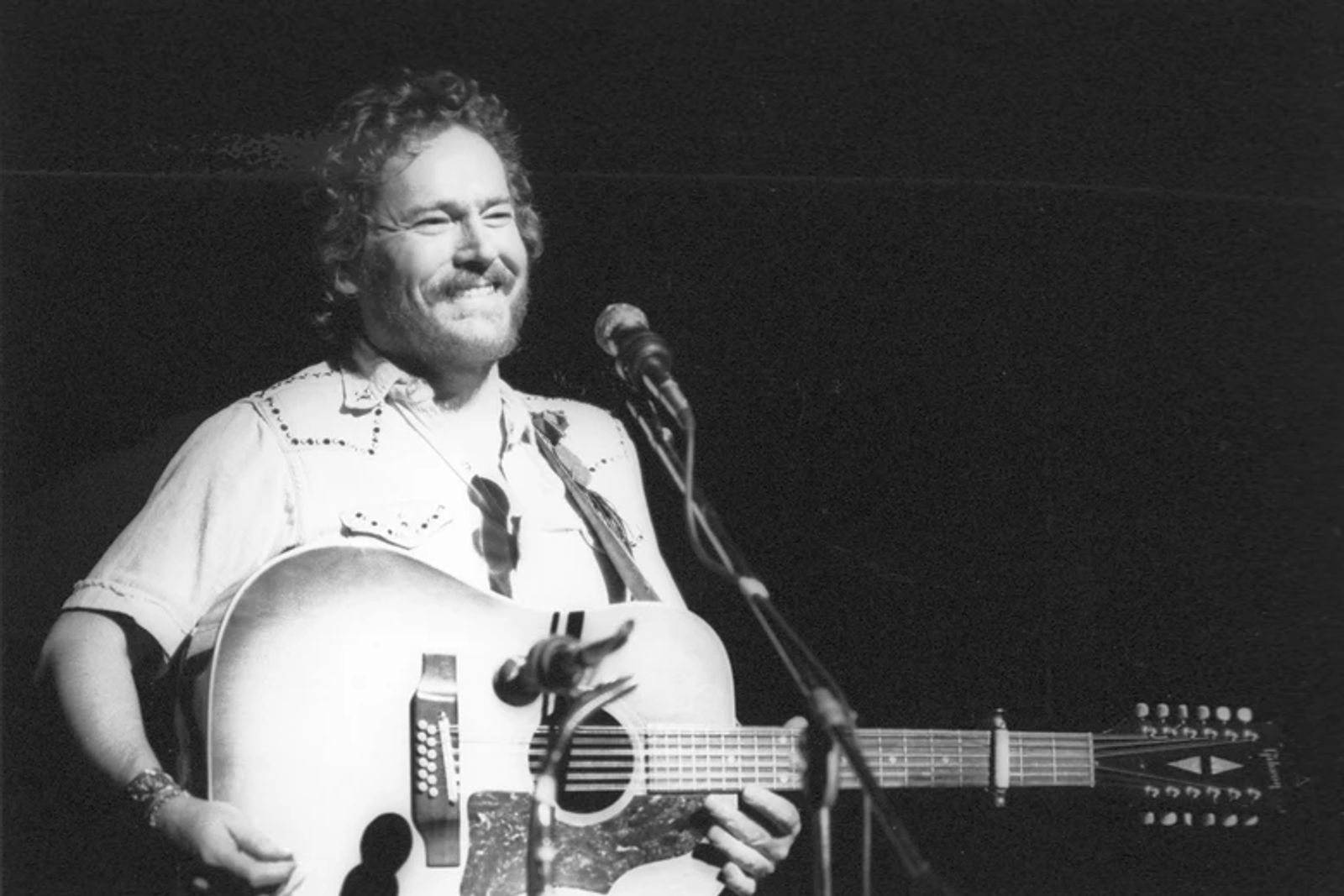
The lyrics also reveal Lightfoot’s remarkable gift for storytelling.
He paints vivid pictures without overwhelming the listener with unnecessary detail.
A few carefully chosen images become unforgettable.
Dark skies, rising waves, lonely church bells, and cold November winds linger long after the music ends.
Those images allow every listener to imagine the story personally.
Even people who have never seen Lake Superior can almost feel its immense power through the song.
The recording also introduced countless listeners to an event many had never heard about.

For many people around the world, Gordon Lightfoot became the bridge between history and memory.
His song ensured that the crew of the Edmund Fitzgerald would never simply disappear into forgotten newspaper archives.
That may be one of music’s greatest gifts.
A song can preserve compassion long after headlines fade away.
Over the decades, The Wreck of the Edmund Fitzgerald has become more than a classic folk recording.
It has become an annual tradition for many listeners as November returns and colder weather settles across the Great Lakes.
Each year, the song quietly reminds new generations of lives that should never be forgotten.

Very few recordings carry such lasting responsibility with such grace.
Its emotional impact has never depended upon changing musical trends.
Instead, it rests entirely upon honesty.
That honesty continues reaching listeners nearly fifty years after its release.
Perhaps the song also resonates because it speaks to something universal.
Every family has known loss.
Every community remembers people whose stories deserve to be told.

Lightfoot understood that remembrance itself is an act of love.
As long as names continue being spoken, people are never truly gone.
That quiet belief echoes through every verse.
The recording never promises easy answers.
It never explains why tragedy happens.
Instead, it gently reminds us that some questions remain forever beyond our understanding.
Yet memory remains within our control.
We choose whether stories continue to be told.
That is precisely what Gordon Lightfoot accomplished with extraordinary compassion.
As the final verse slowly fades into silence, listeners are left with something deeper than sadness.
They leave with gratitude for lives remembered, respect for courage shown in impossible circumstances, and a renewed appreciation for music’s remarkable ability to preserve history through human emotion.
That is why The Wreck of the Edmund Fitzgerald continues standing as one of the greatest storytelling songs ever written, proving that when music is guided by empathy instead of spectacle, it becomes far more than entertainment—it becomes a living memorial that time itself cannot erase.