Leonard Cohen – “So Long, Marianne” (1968): A Haunting Farewell to a Real Love Story That Continues to Echo Across Generations and Refuses to Fade With Time

Released in 1968 as part of his debut album Songs of Leonard Cohen, “So Long, Marianne” stands as one of Leonard Cohen’s most enduring and beloved works. Known for his poetic lyricism and deeply introspective style, Cohen introduced a song that would go on to resonate with listeners across generations, blending personal storytelling with universal emotion.
The song was inspired by Cohen’s real-life relationship with Marianne Ihlen, a woman who played a significant role in his early life and artistic journey. Their time together, marked by both intimacy and eventual separation, became the emotional foundation of this piece. Rather than presenting a dramatic or overly sentimental narrative, Cohen approached the subject with honesty and subtlety, allowing the emotions to unfold naturally through his words.
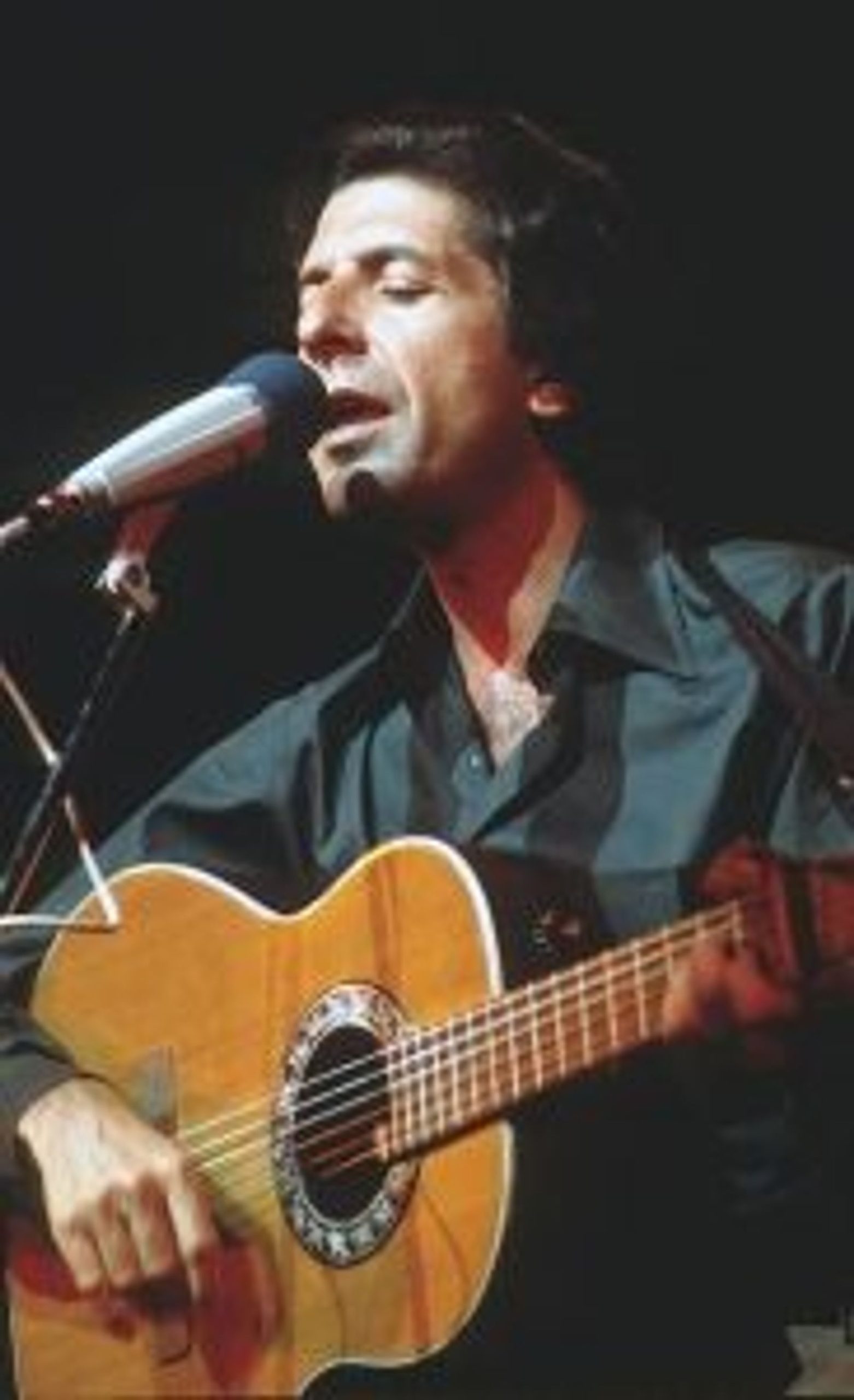
Musically, “So Long, Marianne” features a simple yet memorable melody, supported by gentle instrumentation that complements Cohen’s distinctive, understated vocal delivery. The arrangement allows the lyrics to remain at the forefront, highlighting his ability to turn personal experiences into poetic reflections. Lines from the song evoke a sense of longing, acceptance, and quiet farewell, capturing the complexity of love that does not necessarily end in bitterness, but in understanding.

Over the decades, the song has maintained its relevance, continuing to find new audiences while remaining a favorite among longtime fans. Its lasting appeal lies in its authenticity—Cohen does not attempt to dramatize love or loss, but instead presents it as something deeply human, imperfect, and meaningful.

“So Long, Marianne” is more than just a song about a relationship; it is a reflection on memory, connection, and the passage of time. It represents a defining moment in Cohen’s early career and showcases the artistic voice that would later establish him as one of the most influential singer-songwriters of his era.
Even today, the song remains a powerful reminder of how music can preserve moments, emotions, and relationships long after they have passed, continuing to speak to listeners in a quiet yet profound way.