She May Be Smiling But This Girl Grew Up To Become One Of History’s Most Evil Women
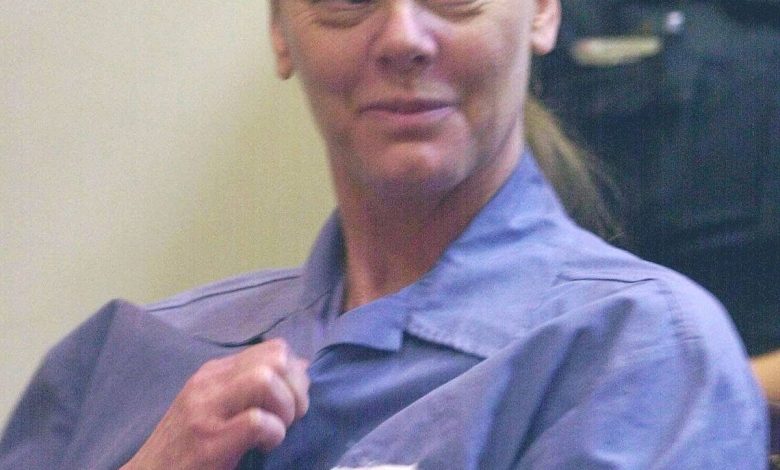
More than twenty years after her execution, Aileen Wuornos — one of America’s most infamous female serial killers — is once again at the center of national attention. Netflix is rolling out a new documentary, Aileen: Queen of the Serial Killers, which promises an unfiltered look at her life, her crimes, and the disturbing path that led her from a troubled childhood to death row.
Wuornos terrorized central and northern Florida in 1989 and 1990, killing seven men while working along the state’s highways. Her murders triggered a massive, multi-state investigation that eventually ended with her arrest in early 1991 and a string of first-degree murder convictions the following year. She would ultimately receive six death sentences.
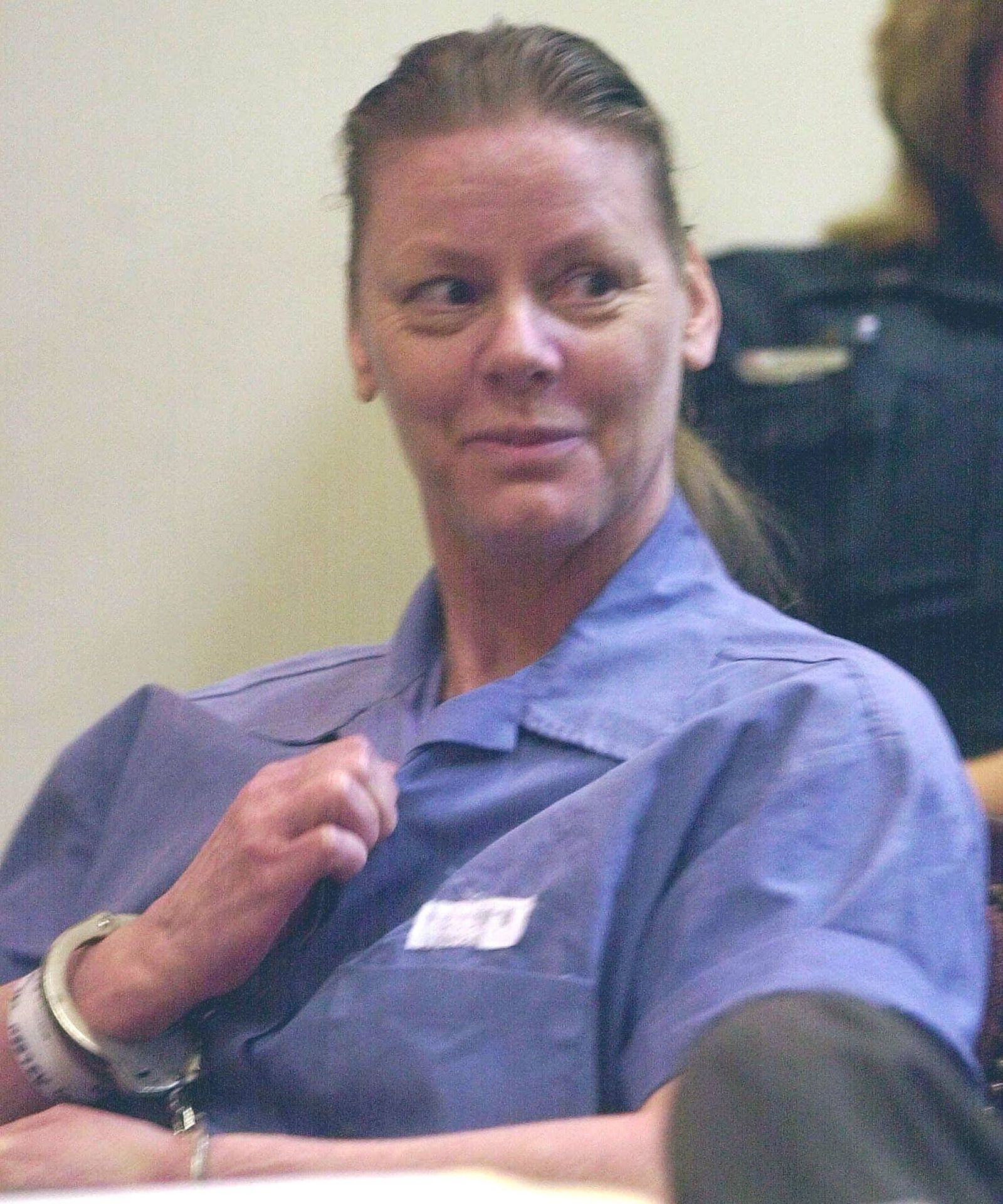
The documentary features rare, previously unreleased interviews from death row, capturing Wuornos in her own words as she shifted from insisting she acted in self-defense to bluntly admitting she killed without hesitation. Her emotional state changed repeatedly over the years, at times expressing rage, at other times showing no remorse whatsoever.
Netflix also digs into the long, painful history that shaped her. Wuornos grew up in Michigan under chaotic and abusive conditions, learning at just 10 years old that the people she believed were her parents were actually her grandparents. Her biological father had already landed in prison for child rape and later killed himself behind bars. As a young girl, Wuornos reported beatings, sexual abuse, and emotional torment — experiences that left her isolated, volatile, and often homeless.

By her early teens, she was trading sex for money or cigarettes and eventually drifted into full-time prostitution. She hitchhiked across the country, racked up arrests for theft, assault, and armed robbery, and burned through a brief marriage to an older yachtsman before resettling in Florida. There, she entered a long relationship with Tyria Moore — a partnership that collapsed when Moore cooperated with investigators after the murders began.
Between late 1989 and fall 1990, the bodies of middle-aged men appeared near rural highways across Florida. Each had been shot multiple times. Wuornos pawned items linked to her victims under false names, drove their vehicles, and eventually confessed on videotape.

After a decade of appeals and repeated court battles over her mental state, Wuornos was executed in October 2002 at the age of 46.
Despite her death, Hollywood and the media have kept her story alive — from Charlize Theron’s Oscar-winning portrayal in Monster to numerous documentaries. Now, Netflix’s latest project aims to reexamine her legacy through a modern lens.

This Innocent Looking Boy Grew Up To Become One Of The Most Evil Men In The World
At first glance, he looked like any other child — small, wide-eyed, and harmless. But behind that innocent face was a life already unraveling, shaped by instability, neglect, and a growing hunger for control that would one day shock the nation.

Few could have imagined that the boy born in Cincinnati, Ohio, in November 1934 would become one of the darkest figures in American criminal history.
His life began in turmoil. Raised by a teenage mother who struggled to survive and abandoned by a father who disappeared before his birth, the child never experienced stability. When he was still in preschool, his mother was sent to prison after a violent robbery, leaving him to be raised by relatives in rural West Virginia.

Although she eventually returned, the reunion was short-lived. Alcohol soon took over her life, and the boy was left to fend for himself as she vanished for days at a time. Discipline turned into displacement, and by elementary school he was already bouncing between caretakers, institutions, and reform schools.
By his own later accounts, fire-setting, theft, and skipping school had become routine before he even reached double digits. Authority figures struggled to contain him — and when he was sent to a strict Catholic boys’ school in Indiana, the harsh punishments only fueled his defiance. He ran away repeatedly, sleeping outdoors and surviving through burglary and deception.
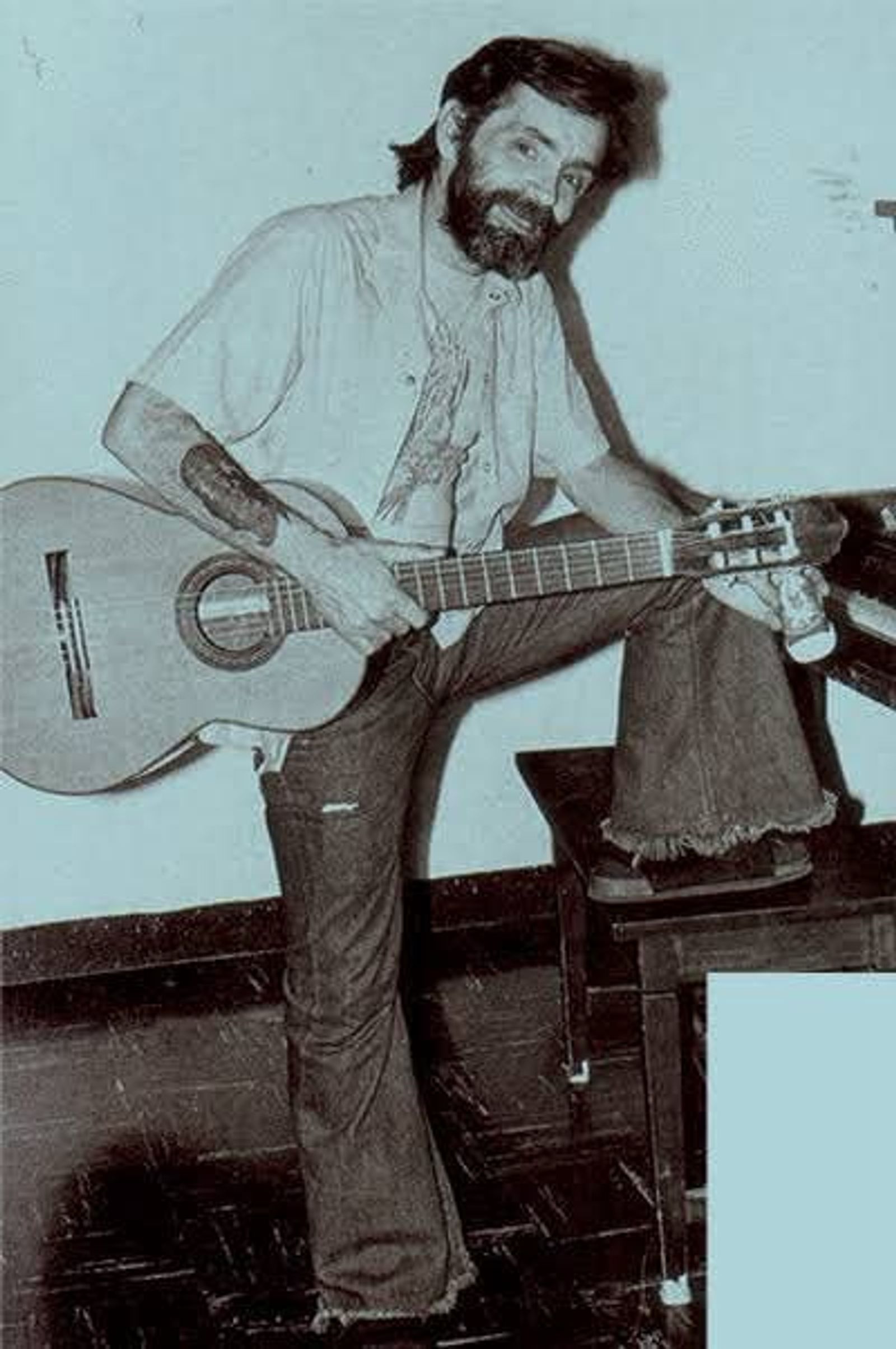
The pattern continued into adolescence. Arrests piled up. Detention centers came and went. In Nebraska, he escaped within days and committed armed robberies during his flight. Psychological evaluations described him as deeply antisocial, someone who rejected rules and manipulated people instinctively.
As he grew older, his crimes became more disturbing. While incarcerated in federal facilities, he engaged in violent and sexual offenses against fellow inmates, prompting transfers to higher-security prisons. Each release only brought another descent — stolen vehicles, fraudulent schemes, and attempts to exploit young women followed him wherever he went.
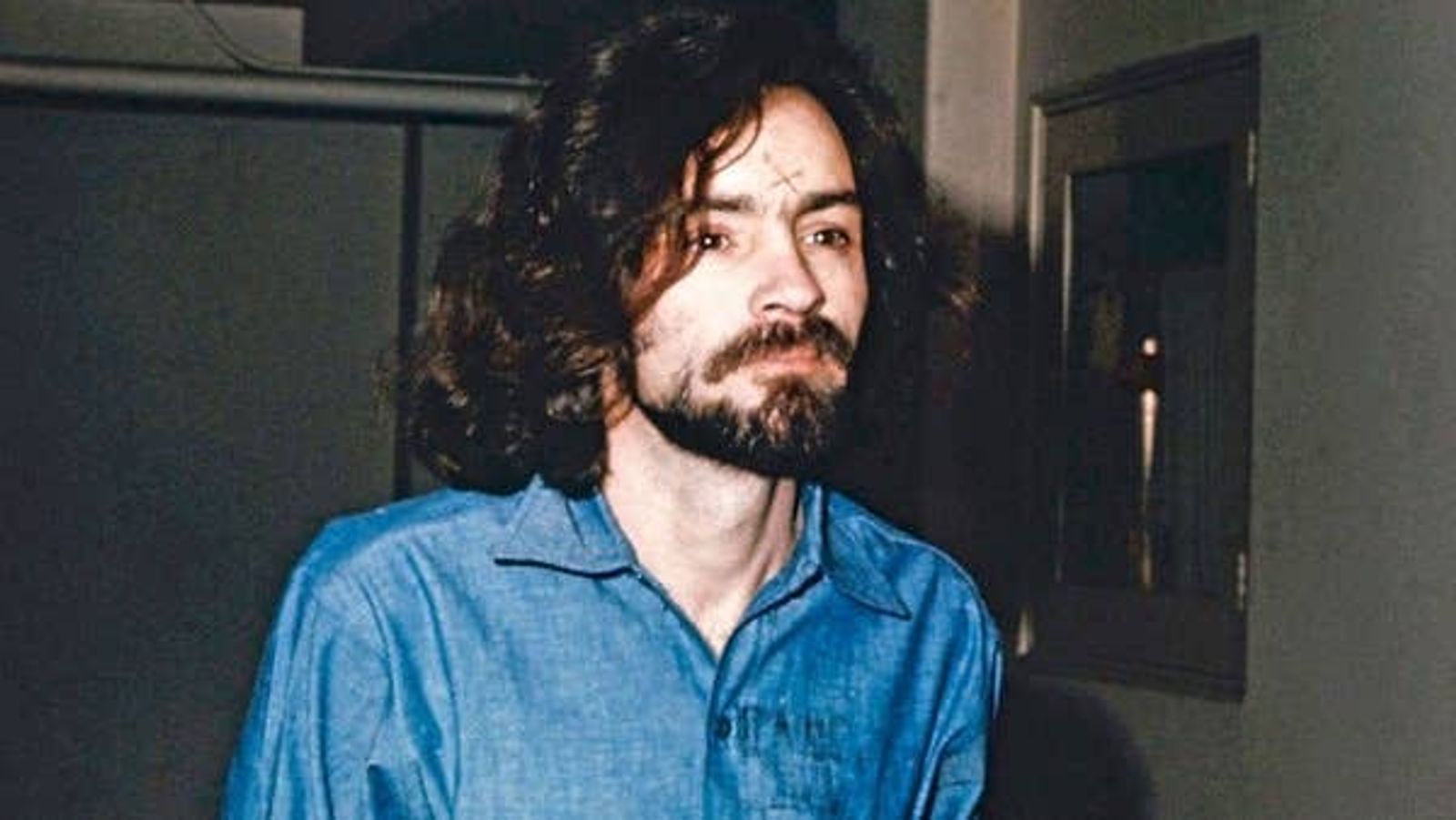
Yet even then, he possessed a chilling ability to charm. He spoke convincingly. He listened intently. And he learned how to control people.
During one prison sentence in Washington state, he became fascinated with hypnosis and psychological influence — skills he would later weaponize. After his release, he drifted through California’s counterculture scene, presenting himself as a misunderstood philosopher and spiritual guide.

Music briefly became his obsession. He tried to break into the industry and even crossed paths with famous musicians. But rejection hardened into rage.
By the late 1960s, his grip on reality had collapsed entirely. He preached apocalyptic fantasies, convinced his followers that popular songs carried secret messages meant only for him. From those delusions emerged a terrifying vision of chaos — a so-called race war he believed would elevate him to power.

Then came the murders.
In August 1969, members of his group brutally killed actress Sharon Tate — who was eight months pregnant — along with several others in her Los Angeles home. The following night, another couple was slaughtered in a similar fashion.

Though he never wielded the knife himself, prosecutors argued he orchestrated everything through manipulation and indoctrination.
The man once known as a troubled child was now infamous nationwide.

Convicted of multiple murders, Charles Manson was initially sentenced to death before the penalty was overturned, leaving him behind bars for life. Despite repeated parole hearings, he never walked free again.
He died in prison in 2017 at the age of 83.

Today, his name remains a grim symbol — a reminder of how chaos, neglect, and unchecked manipulation can twist a damaged childhood into something unimaginably dangerous.
What began as a troubled boy’s story became one of America’s most chilling cautionary tales.
Her Parents Struggled With Poverty And She Moved Over 30 Times But Today She’s A Hollywood Icon
Demi Moore has revealed disturbing allegations from her past, saying she was sexual assaulted at just 15 years old inside her own home by a man she claims told her he had paid her mother $500 for access to her.
The Hollywood actress, now 56, shared the account during a wide-ranging interview on Good Morning America while promoting her memoir Inside Out, speaking with journalist Diane Sawyer. In the discussion, Moore described returning home as a teenager and encountering an older man she says was known to her mother.
According to Moore, the situation quickly escalated into sexual assault. She further claims the man later confronted her with a chilling statement suggesting her mother had essentially traded her for money. The allegation is also detailed in her book, where she frames the experience as both violence and betrayal within her family environment.
Moore has long spoken about a turbulent upbringing. She has described her mother as struggling with alcoholism and, at times, bringing her into adult social settings during her youth. Moore’s mother died in 1998.
When asked in the interview whether she believed the man’s claim that a transaction had taken place, Moore said she did not fully accept that version of events. However, she also acknowledged that her mother’s actions placed her in unsafe circumstances, creating lasting damage and confusion about what truly happened.
The actress rose to fame in the 1980s with films like Blame It On Rio and St. Elmo’s Fire before becoming one of Hollywood’s biggest stars in the 1990s. Her roles in major hits such as Ghost, A Few Good Men, and Indecent Proposal helped cement her status as one of the most recognizable actresses of her generation.
Moore also reflected on her mother’s mental health struggles, revealing in her memoir that she once intervened during a suicide attempt when she was only 12 years old. She described pulling pills from her mother’s mouth in a desperate attempt to save her life, an experience she said was repeated multiple times throughout her childhood.
In addition to her early trauma, Moore has been open about later struggles with substance abuse and personal setbacks. She previously attended rehab in the 1980s and described another difficult period around 2012, when her marriage to actor Ashton Kutcher ended, she became estranged from her children, and her health deteriorated significantly.
Despite her challenges, Moore ultimately rebuilt her career and public life. She was once dubbed “Gimme Moore” by critics during a period when she became the highest-paid actress in Hollywood, a label she has said never bothered her. She has argued that pay should reflect performance, regardless of gender, emphasizing equality in compensation rather than controversy over her earnings.
Read more stories
- Released in 1971, this cheerful pop hit sounded bright and carefree on the surface… But hidden inside the lyrics was a surprisingly sad story most listeners never noticed.
- Shelley Winters: A Voice That Refused to Be Silenced
- Ed Harris’s Journey from Frustration to Acceptance in Dutton Ranch
- The Last Ride: John Wayne’s Moving Farewell in The Shootist