George Jones Sang He Stopped Loving Her Today in 1981 — The Heartbreaking Song That Revived His Career
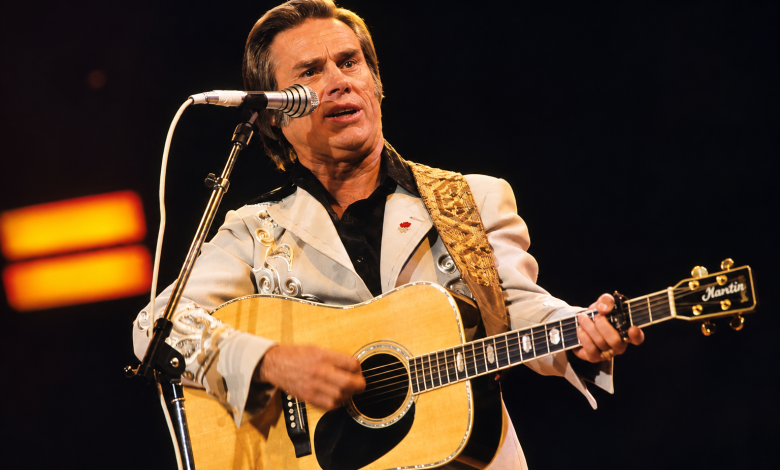
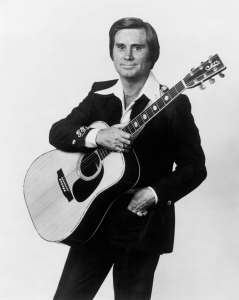
In 1980, George Jones released a recording that many country fans still regard as one of the genre’s most powerful performances. He Stopped Loving Her Today told an unusually devastating story, yet listeners embraced it and helped return Jones to the top of the country charts. A year later, television cameras captured him singing the ballad during an HBO music special. That surviving performance offers a chance to watch the singer deliver a song that changed the final decades of his career.
The Voice Behind the Heartbreak
George Jones had already spent more than twenty years recording country music before this remarkable comeback. Born in Texas in 1931, he grew up listening to gospel and country sounds. His early hits included Why Baby Why, White Lightning, and She Thinks I Still Care. His voice could move from playful energy to genuine sorrow within a few lines, and audiences began calling him one of the greatest vocal interpreters in country music.
His career also carried difficult chapters. Personal struggles sometimes interrupted performances and complicated his relationships with the people around him. He married fellow country star Tammy Wynette in 1969, and the two recorded successful duets before their divorce in 1975. Their shared history gave the public another reason to connect Jones with songs about love and loss, although He Stopped Loving Her Today tells a fictional story rather than a documented episode from their marriage.
Two Songwriters Created an Unforgettable Story
Songwriters Bobby Braddock and Curly Putman wrote He Stopped Loving Her Today. Instead of offering the usual promise of a broken heart eventually healing, the song follows a man who holds onto an old love until the end of his life. Its final turn changes the meaning of the title and gives the listener a heartbreaking realization. Braddock and Putman built the story carefully, letting small details carry the emotion.
Producer Billy Sherrill helped Jones shape the recording. The singer initially questioned whether such a sorrowful number could succeed commercially. The slow, deliberate arrangement also demanded patience. Jones had to let the words tell their story without rushing toward the ending. What seemed like a risky choice became the recording’s greatest strength.
The 1980 Hit That Changed Everything
Epic Records released the song in April 1980 on the album I Am What I Am. It reached No. 1 on Billboard’s country chart, and the recording drew extraordinary attention from musicians, radio listeners, and critics. Jones won the Grammy Award for Best Male Country Vocal Performance, while the Country Music Association honored the recording as Song of the Year in both 1980 and 1981.
The success mattered because it introduced Jones to listeners who knew his reputation but had not followed his earlier hits. His voice sounded older than it had in the 1950s, yet that maturity helped the song. He did not need theatrical gestures to make its story believable. His phrasing, pauses, and emotional control carried the weight.
A Rare Performance from an HBO Music Special
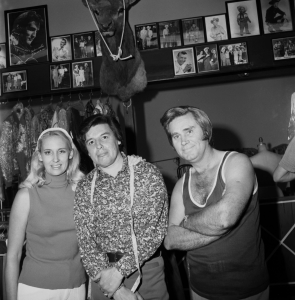
On April 28, 1981, cameras recorded Jones during a music special at the Reseda Country Club in Los Angeles. HBO broadcast George Jones: With a Little Help From His Friends that July. The program brought together Jones and several fellow performers, but his version of He Stopped Loving Her Today remained a defining moment.
The video linked below comes from that 1981 program. It does not show the original 1980 studio session, and it should not be confused with later Grand Ole Opry recordings. What it does preserve is the singer performing his great comeback hit close to the time when the record first captured America’s attention.
Why People Still Remember the Song
The lyrics describe a particular kind of loyalty, but different listeners hear different things in the story. Some hear devotion, others hear the pain of being unable to move forward. Jones never forces a single interpretation. He simply sings with a voice that makes every detail seem personal.
That approach explains why the ballad continues to appear in discussions of the greatest country recordings. New generations discover it through family record collections and concert clips; longtime fans return to the sound they first heard on the radio in 1980. The 1981 footage adds something a record alone cannot provide: the expression and presence of the man whose voice made the song famous.