The Gentle Revolution of Fred Rogers and Children’s Television
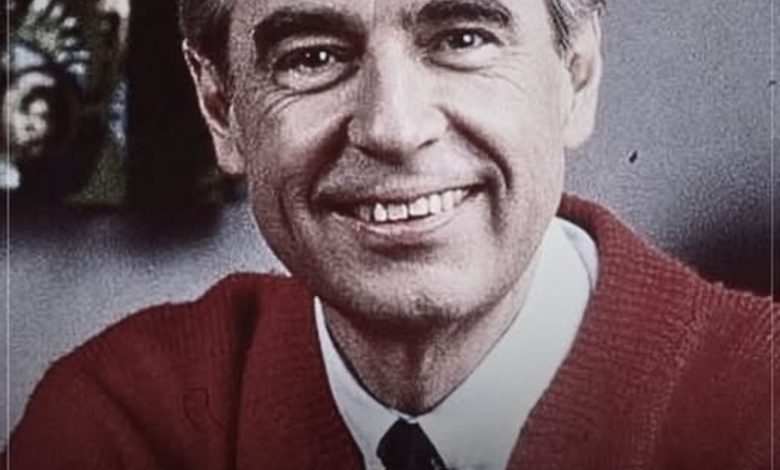
In the early 1960s, a young seminary graduate named Fred Rogers found himself on the brink of a groundbreaking journey. Newly ordained as a minister, Fred had the heart of a pastor but the vision of an innovator. Instead of stepping into a pulpit, he stepped into a television studio—much to the dismay of his peers, who viewed such a move as a misstep for someone with a calling as noble as ministry.
Fred’s heart sank when he first caught a glimpse of children’s programming on television. Instead of meaningful content, he was met with chaos: adults screaming, pies hurled for laughs, and an unrestrained frenzy that seemed to mock the very essence of childhood. Where he hoped to find joy, he only saw noise. This was not the kind of world he wanted to present to young minds. He realized that instead of offering comfort and guidance, television was instead drowning children in confusion and anxiety.
With resolute determination, Fred made an unconventional choice. He decided to create a show that would treat children not as passive viewers but as active participants deserving of respect and care. His vision clashed with the executives’ belief that children needed fast-paced entertainment, vivid colors, and constant stimulation to stay engaged. But Fred was undeterred by their skepticism. He understood that true connection wasn’t about flashy graphics or loud sounds—it was about genuine dialogue.
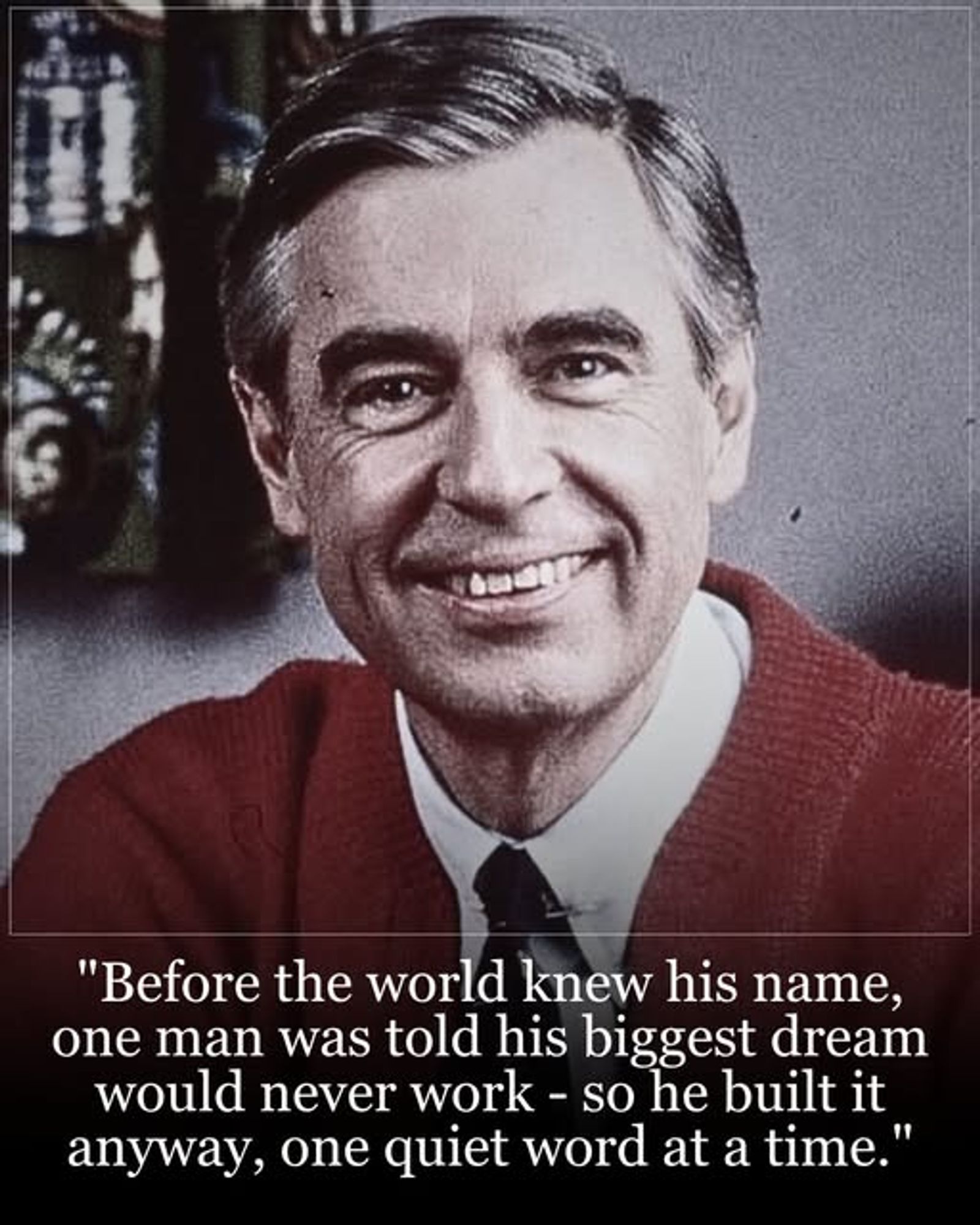
He spoke directly to children, looking into the camera as if he were having a heartfelt conversation with a single child, making each one feel like the most important person in the world. He tackled topics that most adults shied away from, addressing fears, losses, and disappointments with kindness and sincerity. Fred trusted children with their emotions, telling them it was okay to feel sad or scared, and in doing so, he created a sanctuary where vulnerability was met with understanding.
As the years rolled on, Fred Rogers transformed not just a television program, but the very fabric of children’s programming. His calm demeanor and gentle words resonated with millions, creating a safe haven where children learned that they were enough, just as they were. He never raised his voice; he didn’t need to. His soft approach spoke volumes, fostering a nurturing environment where feelings could be explored without judgment.
In a world that increasingly demands louder voices and faster rhythms, Fred’s legacy feels like a poignant reminder of what we have lost. Decades later, as we navigate a society filled with clamor, many are beginning to realize just how valuable his message was. Fred Rogers taught us that compassion, understanding, and a gentle touch can change lives—lessons that echo long after the television has gone dark. Today, as we reflect on his groundbreaking influence, we are reminded that perhaps we need to adopt his quiet strength now more than ever.
Read more stories
- Released in 1971, this cheerful pop hit sounded bright and carefree on the surface… But hidden inside the lyrics was a surprisingly sad story most listeners never noticed.
- Shelley Winters: A Voice That Refused to Be Silenced
- Ed Harris’s Journey from Frustration to Acceptance in Dutton Ranch
- The Last Ride: John Wayne’s Moving Farewell in The Shootist