The Untold Struggle of the Original Tin Man in The Wizard of Oz
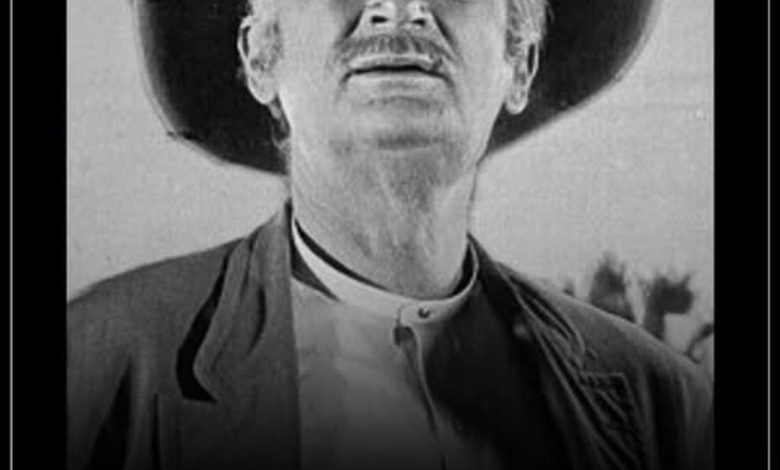
Buddy Ebsen was no stranger to hard work. Raised in a small-town dance studio run by his father, he learned early on about the dedication required to pursue a dream. With a talent for dance that seemed to flow effortlessly, he caught the attention of Hollywood by the mid-1930s, sharing the screen with stars like Shirley Temple. He was a vibrant spirit, known for his unique movement that brought joy to many, yet the glimmer of fame came with an unexpected shadow.
When Ebsen was cast as the Tin Man in The Wizard of Oz, it felt like a significant step in his burgeoning career. The bright lights of MGM Studios shone on him as he arrived each day, ready to embody the character who was not only iconic but also deeply metaphorical. However, the makeup process was grueling. Layer upon layer of pure aluminum dust was applied to his skin, designed to create the perfect metallic sheen that would dazzle audiences. What was visually stunning soon proved to be a silent danger.
As filming progressed, Buddy experienced troubling symptoms. At first, he brushed them off as the result of long days under hot studio lights. But as the days turned into weeks, he began to feel something deeper, something more insidious. Breathing became a struggle—what once felt natural was now a panic-inducing challenge. He described the sensation of air escaping him as if his lungs had been coated in glue. This realization was terrifying, yet it unfolded quietly behind the scenes, away from the cameras and the glitz.
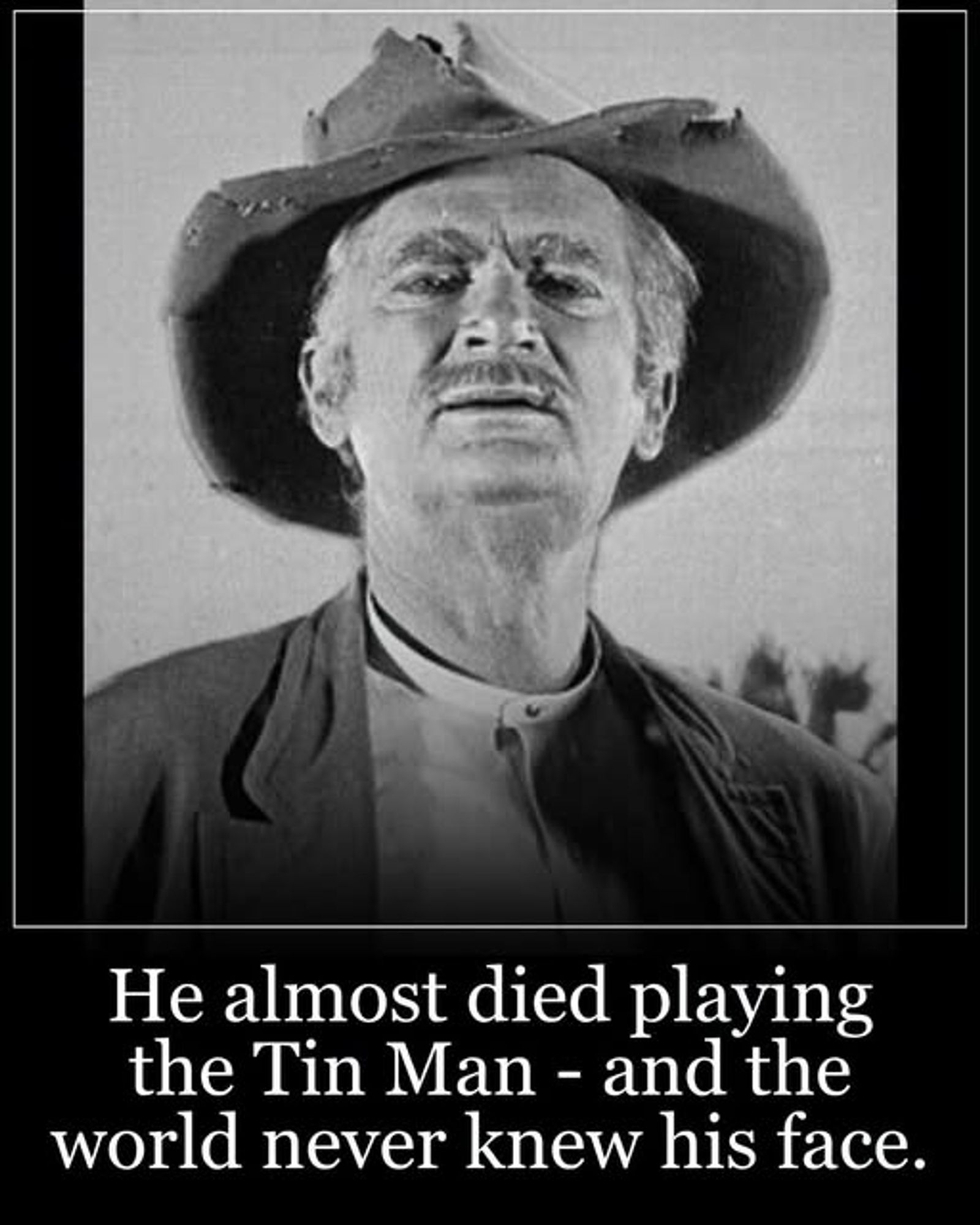
The moment everything changed came on a day that seemed all too ordinary. He awoke, heart racing, unable to take a full breath. The world narrowed around him as panic surged; he could feel the weight of fear pressing down. An ambulance was called, and as he lay on a stretcher, he couldn’t help but wonder if he was crossing the threshold into something irreversible. The harsh reality hit him—his lungs were coated in aluminum dust, and he was fighting for his life.
He spent two weeks under an oxygen tent, a stark contrast to the bright lights of Hollywood he was used to, followed by a grueling month of recovery away from the set. Meanwhile, MGM had already shifted gears, casting Jack Haley as the new Tin Man and altering the harmful makeup formula. It was a swift decision made in the name of production, while Ebsen’s world had come crashing down.
Ebsen’s rebound was nothing short of miraculous. He returned to health, but the experience left a shadow on his spirit. He became an advocate for safety in the film industry, sharing his story to prevent others from facing similar fates. Reflecting on that harrowing chapter of his life, he learned the value of health and safety over fame—a lesson that resonated deeply within him.
In a twist of fate, the role of the Tin Man, although initially denied to him, became a significant piece of his legacy, not for the performance he gave, but for the awareness he raised. Buddy Ebsen didn’t just dance in the spotlight; he emerged as a symbol of resilience, reminding us that behind every story of success lies a journey of hardship and courage.
Read more stories
- Released in 1971, this cheerful pop hit sounded bright and carefree on the surface… But hidden inside the lyrics was a surprisingly sad story most listeners never noticed.
- Shelley Winters: A Voice That Refused to Be Silenced
- Ed Harris’s Journey from Frustration to Acceptance in Dutton Ranch
- The Last Ride: John Wayne’s Moving Farewell in The Shootist