How a Single Letter Became Pittsburgh’s Symbol of Identity
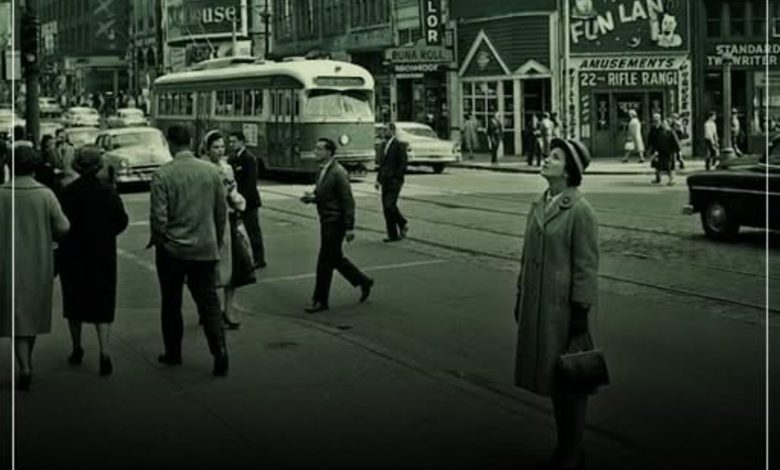
In the late 19th century, a sweeping change began to unfold across America, spearheaded by a new federal agency tasked with standardizing geographical names to streamline postal routes and government paperwork. It was 1891 when the United States Board on Geographic Names initiated a campaign to tidy up the nation’s maps. Among the many towns caught in the crosshairs of this bureaucratic overhaul was Pittsburgh, a city rich with history and pride. The federal mandate was simple: towns ending in “-burgh” were to drop the final H, a seemingly trivial adjustment that would have profound implications for the residents of Pittsburgh.
As news of the ruling swept through the city, it was met with a sense of disbelief and outrage. The letter H was not just a letter; it symbolized the city’s roots and identity. Pittsburgh had carried that letter since its founding in 1758, when General John Forbes named the settlement after the British statesman William Pitt, infusing a touch of Scottish heritage into the very fabric of its name. To the people of Pittsburgh, losing that H was akin to severing a vital link to their past.
The local newspaper stood firm, defiantly keeping “Pittsburgh” emblazoned across its masthead, while the stock exchange and the University of Pittsburgh also resisted the federal decree. This newfound sense of civic pride was palpable in the air as residents continued to write their city’s name with the beloved H, ignoring the government’s insistence. Day by day, street signs and documents bore witness to this quiet act of rebellion. Mismatched signage became a common sight, a visual testament to the city’s unyielding spirit.
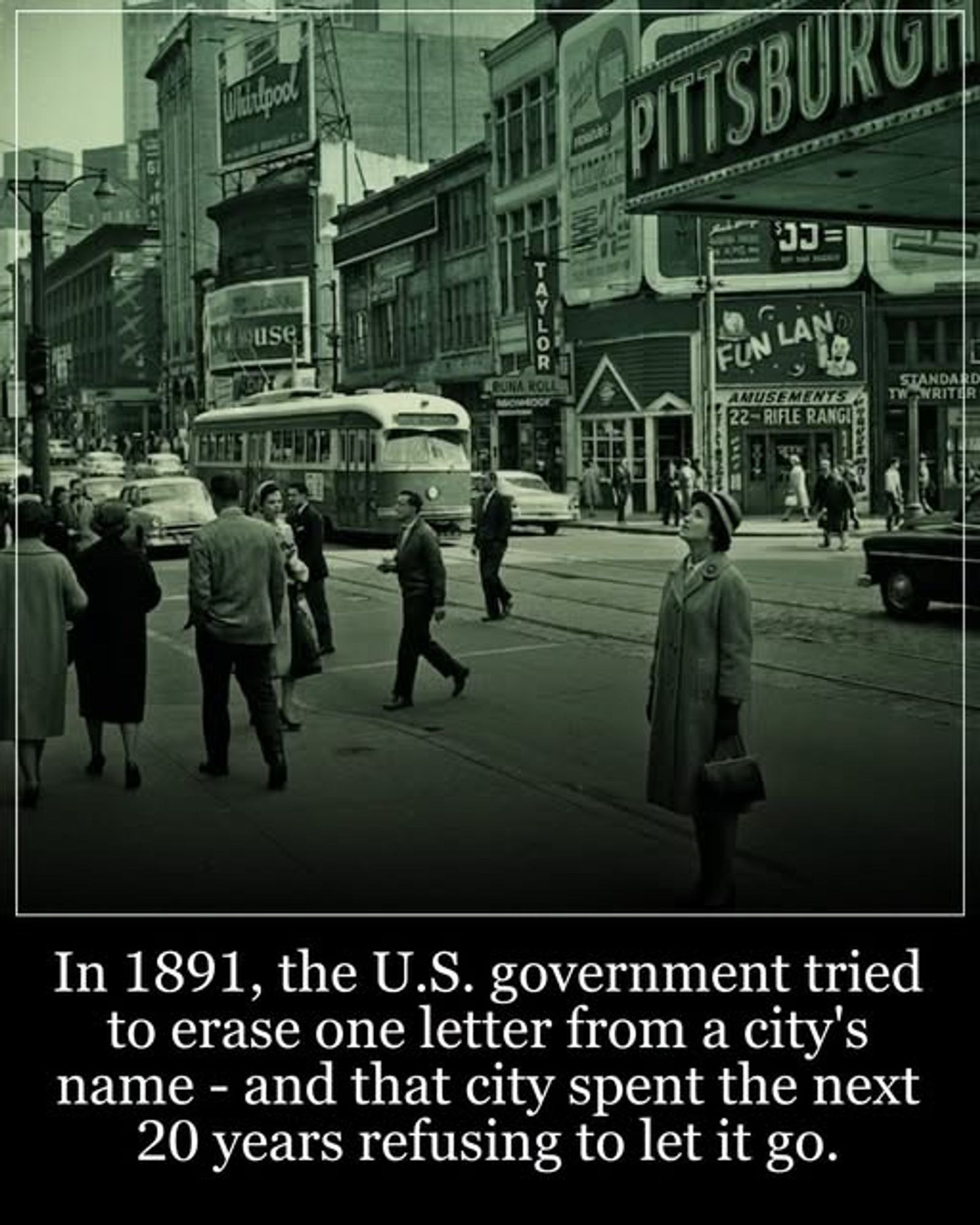
Years turned into decades, and as the federal government pressed on with its campaign, the citizens of Pittsburgh grew increasingly resolute. Twenty years passed with little change, yet the heart of the city beat strong under the weight of bureaucracy. The struggle was not merely about a spelling; it was about autonomy and the right to define one’s own identity. Pittsburgh was not going to let a distant authority dictate how it would be known.
Finally, in 1911, after relentless advocacy from local leaders and an unbreakable community resolve, the United States Board on Geographic Names reversed its decision. The H was restored, and the city breathed a collective sigh of relief and triumph. Pittsburgh had triumphed, not just over a spelling dispute, but in a broader sense of self-determination.
This small yet significant victory is a compelling reminder of how identity can be sculpted from the minutiae of everyday life. It illustrates that even the quietest forms of resistance can yield powerful outcomes. Pittsburgh didn’t merely fight for a letter; it fought for the right to define who they are, a lesson that resonates deeply in a world where the smallest details often carry the heaviest weight.