The Village That Rose From Monastic Ruins in Northumberland
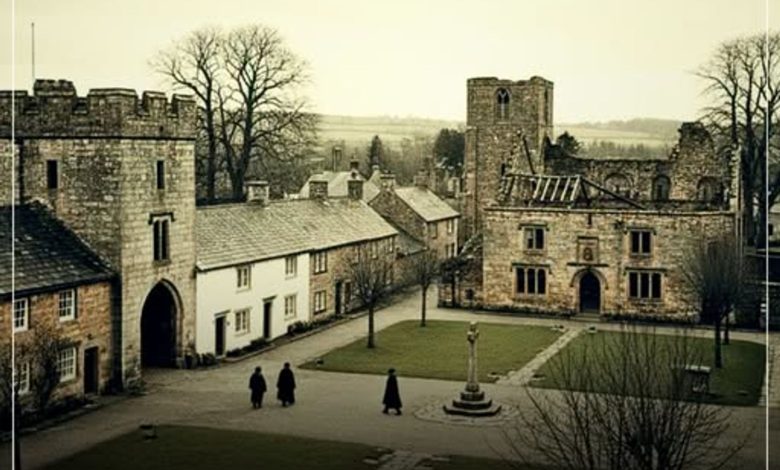
In the heart of Northumberland, a small village known as Blanchland stands as a poignant reminder of history’s unpredictable twists. Nestled in a serene river valley, this enchanting settlement is home to a 500-year-old gatehouse, a town square that once echoed with the prayers of monks, and a grand house that still whispers tales of abbots. What makes Blanchland remarkable is not just its picturesque charm, but the quiet irony of its survival amid the turbulent tides of change.
The saga of Blanchland began in 1539 when a group of royal commissioners rode into town under the orders of Henry VIII. The king’s decree to dissolve monasteries across England had sent ripples of uncertainty through communities reliant on these sacred establishments. Blanchland had once thrived under the watchful eyes of its canons, who wore pale robes as they prayed, farmed the land, and offered shelter to weary travelers. However, by the time the commissioners arrived, the community had dwindled to a handful of monks, their centuries-old legacy hanging precariously in the balance.
When the commissioners completed their grim task, dissolving the monastic community and ordering the canons to leave, it seemed as though the end was nigh for Blanchland. Yet, in a turn of events that few could have predicted, the ordinary villagers who had lived and labored around the monastery chose to stay. They were not merely bound by the stones of their homes but tied to the memories and lives woven into the very fabric of the village.
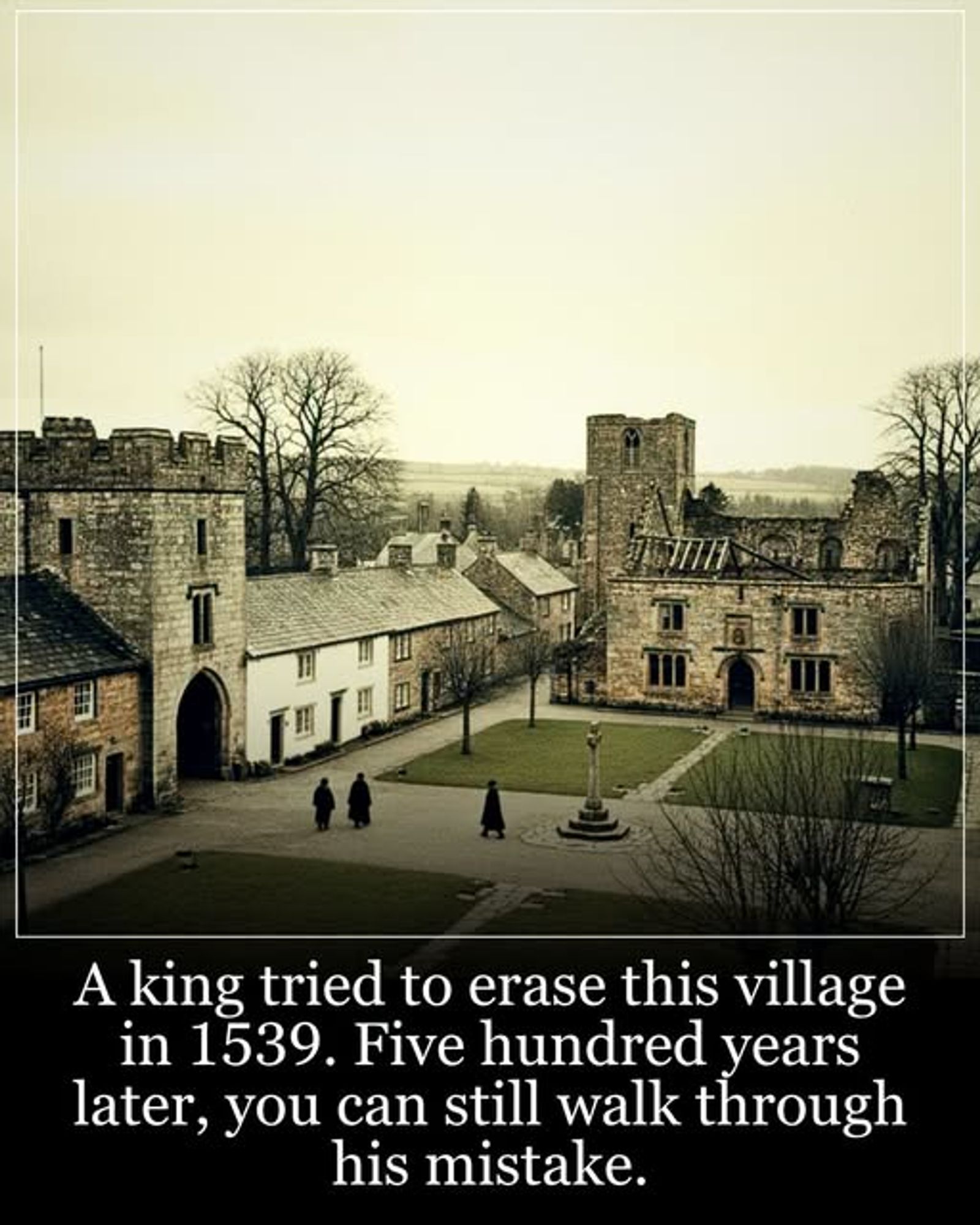
These resilient families, lacking any alternative, began to reclaim the structures left behind. The former monks’ courtyard, once a sacred space for prayer and contemplation, transformed into the vibrant heart of the village—a bustling town square filled with laughter and life. The abbot’s residence found new purpose as the manor house, where families gathered for meals and celebrations. Even the gatehouse, initially built to regulate the flow of monastic life, metamorphosed into a post office, a place where neighbors exchanged letters and stories, grounding their past in the present.
For nearly two hundred years, this organic transformation unfolded without any formal oversight. The villagers, bound by necessity and a sense of belonging, continued to live, work, and thrive within the remnants of a bygone era. Brick by brick, they erected a new identity, one that honored the past while embracing the realities of their lives. The story of Blanchland became a tapestry of human resilience, woven together through shared experiences and a collective will to endure.
Today, as visitors stroll through its quaint streets, they are met not just with remnants of history, but with a living community that has redefined what it means to be home. The echoes of the past linger in the air, yet they intermingle with the vibrant pulse of life that characterizes this village. In Blanchland, the legacy of the monks is not merely a memory; it is a testament to the strength of community and the enduring spirit of those who refused to let their home fade into obscurity.