From Port-au-Prince to Argentina: the rise of Kiki Ramos
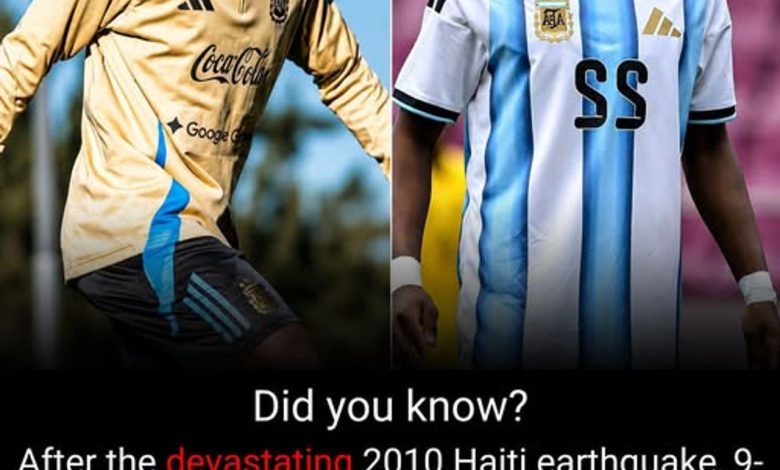
Stephen “Kiki” Ramos was born in Port-au-Prince, Haiti, on April 3, 2009, and his path to football greatness began far from the spotlight. When he was only 8 months old, after the devastating earthquake that struck Haiti in January 2010, he was adopted by an Argentine family. He grew up in Argentina, embraced his new home, and eventually became an Argentine citizen, carrying with him a life story shaped by distance, resilience, and belonging.
Like many children, Ramos first fell in love with football in the street, in neighborhood games where talent often appears before anyone has a name for it. He was only 6 when a neighbor who supported Vélez Sarsfield noticed something special in the way he played. That simple act of encouragement changed everything. Ramos joined the club’s famous youth academy, known as “La Fábrica,” and began the long, demanding climb that so many young players dream about and only a few complete.
At Vélez, the boy from Port-au-Prince kept growing into his game. Now playing in the club’s Sixth Division under coach Héctor Manfredi, he has already scored 12 goals in 2026 alone, a sign of both confidence and consistency. For a teenager, those numbers are more than statistics; they are proof of how far persistence and patience can take a player who has learned to keep going through setbacks.
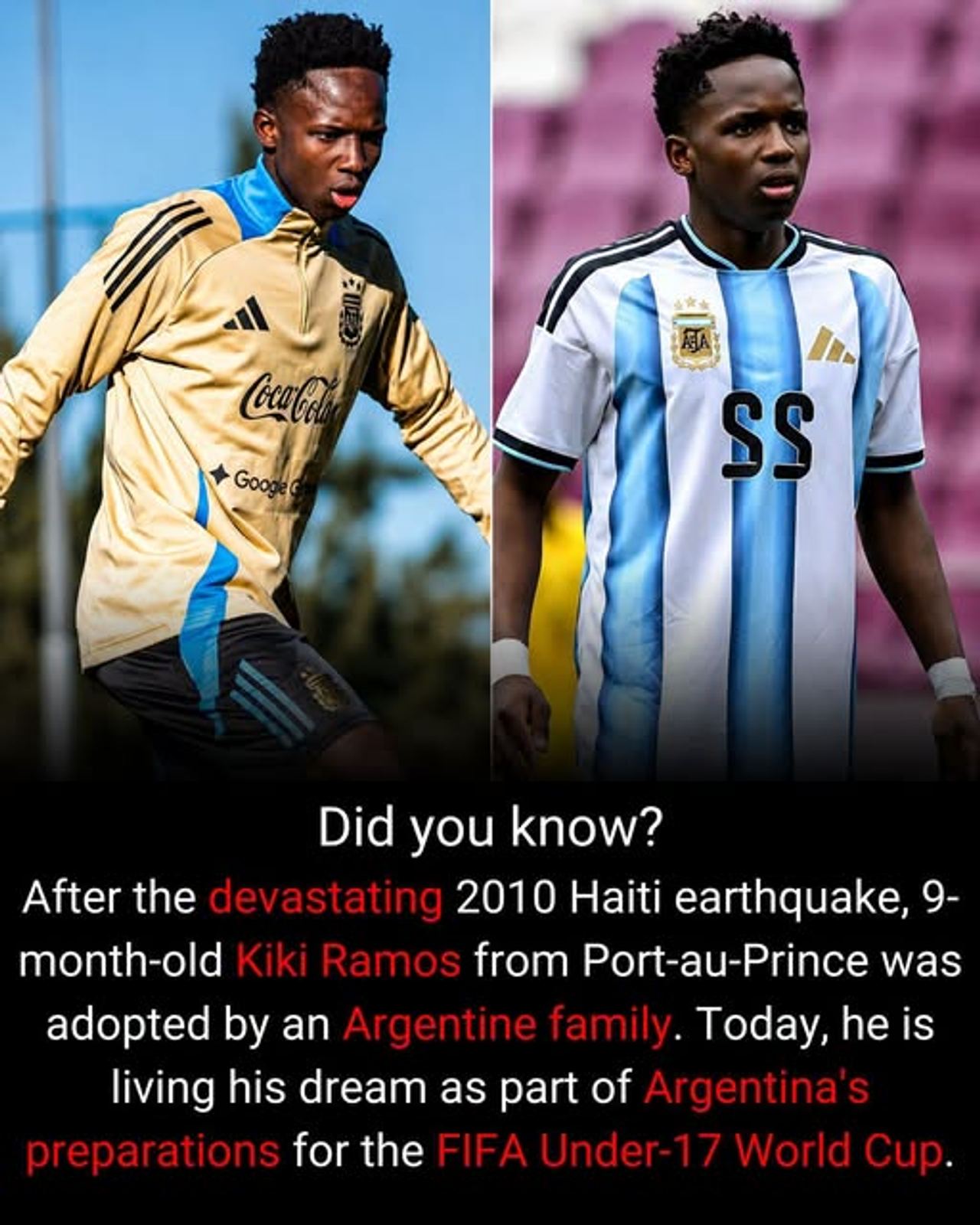
That journey took on a new meaning on July 28-29, 2026, when Diego Placente handed Ramos his first call-up to Argentina’s Under-17 national team. He entered in the second half of a friendly against Ecuador at Lanús Stadium, helping Argentina secure a 2-1 victory. For any young footballer, a debut for the national team is unforgettable. For Ramos, it was something even larger: a moment that wrote him into the country’s football history.
According to Argentine media, Ramos became the first player born in Haiti to be called up to any Argentina national team at any level. He is also said to be only one of a very small number of players to represent Argentina in more than 100 years of international football, following Alejandro de los Santos and goalkeeper Héctor Baley. It is a rare distinction, and one that reflects how unusual and meaningful his journey has been.
Now 17, Ramos has already lived through difficult periods, including several injuries that kept him out for months in 2025. He returned stronger in 2026, showing the kind of resilience that often defines a player’s future as much as talent does. As Argentina prepares for the FIFA Under-17 World Cup in Qatar in November 2026, Ramos stands at the edge of something bigger than himself: a young life once moved by tragedy, now carried forward by hope.