The office worker who talked a gunman into surrendering
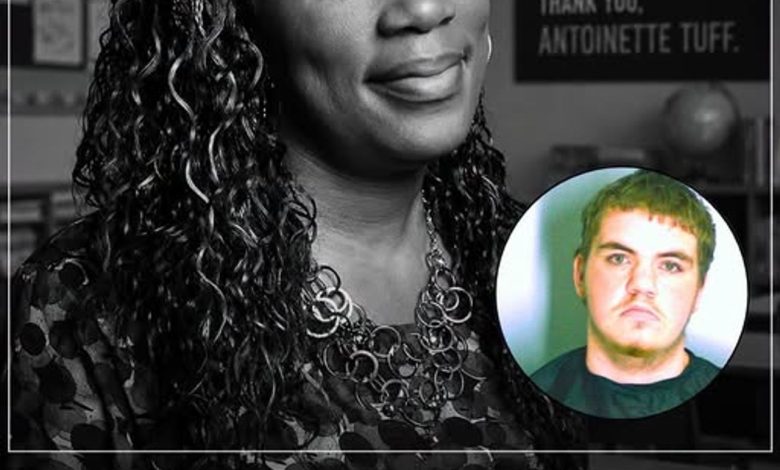
On the morning of August 20, 2013, Ronald E. McNair Discovery Learning Academy outside Atlanta seemed to be moving through an ordinary school day. Children were in class, pencils scratched across paper, backpacks dropped near desks, and the hallways carried the small, familiar sounds of an elementary school at work. Nothing about the morning suggested it would become a story remembered for years. Then a twenty-year-old man walked through the front doors carrying an AK-47-style rifle and hundreds of rounds of ammunition, and the building changed in an instant.
Antoinette Tuff was not supposed to be at the front desk that day. A bookkeeper by trade, she was filling in for office staff, doing the kind of quiet work that rarely draws attention. But when the gunman entered, teachers and staff reacted on instinct, rushing children into locked classrooms or fleeing when they could. Fear spread quickly through the school, and the air filled with the kind of panic that leaves no room for hesitation. In the middle of it all, Antoinette stayed where she was.
She would later say she was terrified. “I’ve never been so scared in all the days of my life,” she admitted afterward. Still, she kept her phone in hand and began speaking to the man who had turned the school into a crisis scene. She did not talk to him as a threat or a monster. She spoke to him as a person. The gunman told her he had not been taking his medication, that he had nothing left to live for, and that he expected to die that day. Antoinette answered with honesty of her own, telling him about the hardships in her life, including a marriage that had ended and the financial strain she knew well. She offered something he may not have expected in that moment: recognition, empathy, and a reason to pause.
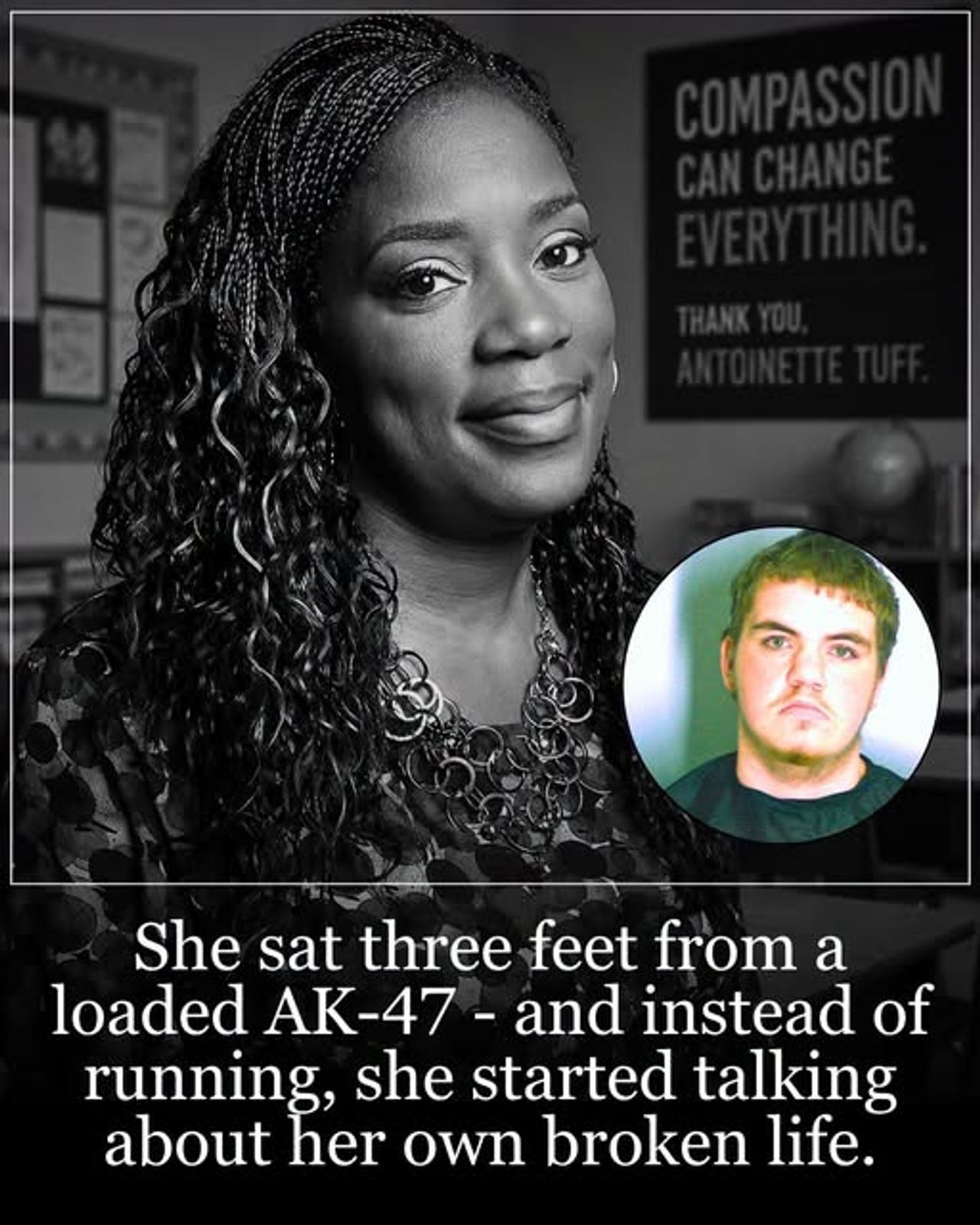
For nearly an hour, she remained on the line with him and with a police dispatcher, listening, relaying his words, and trying to keep the situation from tipping into disaster. Even when shots were fired and the sound of gunfire cracked through the office, she did not hang up. She did not run. She kept talking, holding the moment together with a calm that was built not from fearlessness, but from resolve.
Slowly, the room began to change. The anger in the gunman’s voice softened. The urgency drained out of the confrontation. Antoinette told him it was going to be alright, that whatever he had done or was facing did not have to end there. She asked him to put his weapons down and empty his pockets onto the table. He did. By the time police entered the building, he had surrendered without firing on a single child or teacher.
In a crisis measured in seconds, Antoinette Tuff gave the school nearly an hour of something rarer than bravery: time. Time for fear to settle, for violence to lose its momentum, for a desperate man to choose surrender instead of catastrophe. Her voice became the bridge between chaos and survival, and the memory of that day endures as a reminder that even in the darkest moments, compassion can still change the ending.
Read more stories
- Maya Gebala’s quiet bravery in the Tumbler Ridge school shooting
- The bookkeeper who talked a gunman down at a Georgia school
- Five days after the tragic death of Chris Cornell, Norah Jones paid tribute to the Soundgarden legend with a spine-tingling live solo piano rendition of “Black Hole Sun” that 13 million viewers can’t stop replaying
- The late, great Johnny Cash’s final concert was a triumph of the spirit