A school bus driver was fired for dropping children at their homes
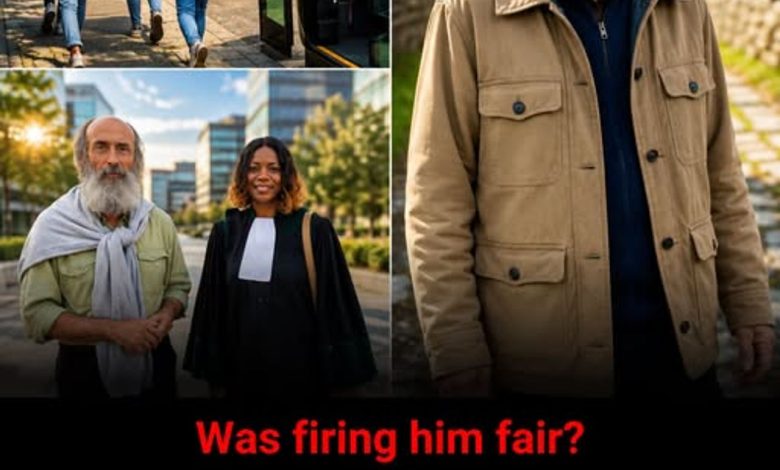
For 17 years, Damien Tabard was the familiar face at the wheel of a school bus in rural Haute-Vienne, France, quietly carrying children to class and back again. At 72, he had spent years making the same routes feel safe and ordinary, a steady presence in the daily rhythm of families who trusted him with their children.
That long routine came to an abrupt end in 2022, when his employer, the transport company Europ Voyages, dismissed him. The company accused Tabard of making “wild stops” and refusing to follow instructions because he had repeatedly dropped students directly at their homes instead of leaving them at the official bus stops.
Tabard said he had not been trying to challenge the rules. He insisted that his choices were driven by concern, not defiance. In his telling, he looked at the roads the children would have to walk and saw danger where others saw procedure. One case, he said, weighed especially heavily on him: a 12-year-old girl who would have had to make her way home along a dark road with no streetlights and no sidewalk if he had left her at the designated stop.
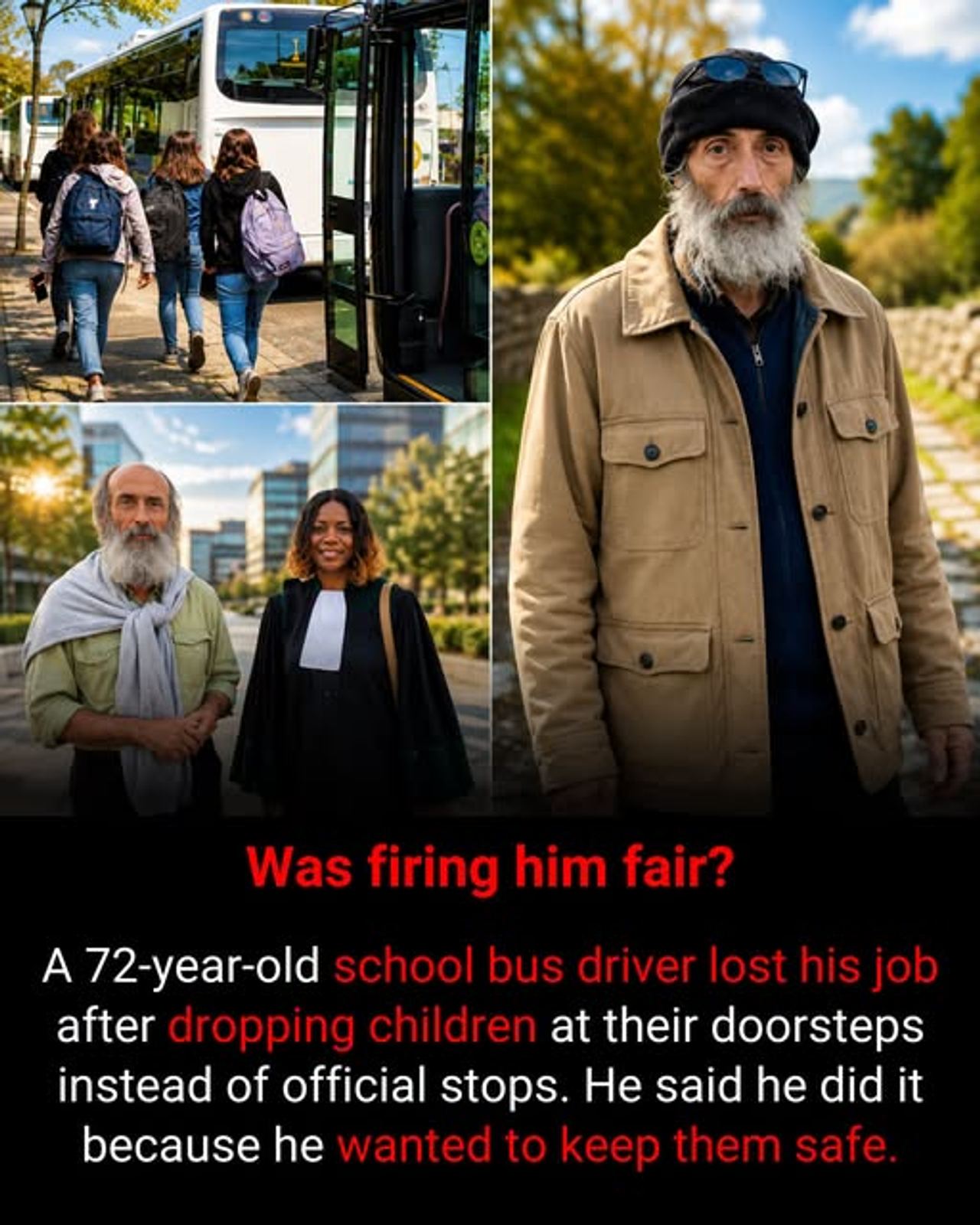
Believing he had done the right thing, Tabard took the matter to court. His case drew quiet but visible support from the community around him. Around 20 parents gathered outside the tribunal to stand beside the driver they believed had been protecting their children rather than ignoring instructions.
On May 20, 2026, the Limoges labor court, known as the conseil de prud’hommes, ruled against him. The judges decided that his dismissal was valid and considered his actions serious misconduct, declining to overturn the company’s decision. The court also ordered Tabard to pay €500 to his former employer.
After the ruling, Tabard chose not to appeal. Yet the debate around his case did not end with the judgment. The very stops that had led to his dismissal were later officially added, a detail that many saw as an acknowledgment of the concerns he had raised from the start.
For supporters, the story of Damien Tabard became less about insubordination than about a man who believed a child’s safe arrival mattered more than strict routine. In a rural landscape where distance and darkness can shape everyday life, his case left behind an uneasy question that lingers beyond the courtroom: what happens when the rules say one thing, and a driver’s conscience says another?