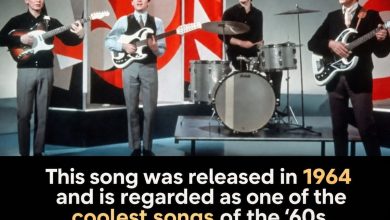
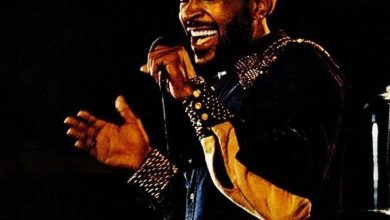
Gene Pitney’s “Only Love Can Break a Heart” in 1962
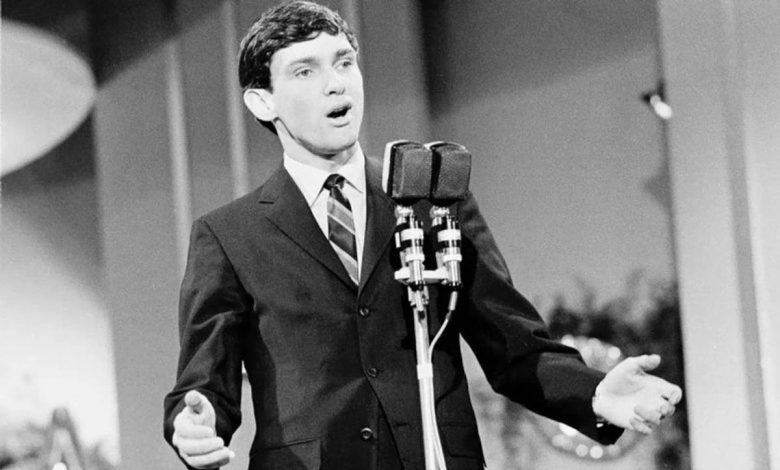
When Gene Pitney released Only Love Can Break a Heart in 1962, he delivered one of the most emotionally powerful songs of the era. Written by the iconic duo Burt Bacharach and Hal David, the track combined lush orchestration with deeply reflective lyrics about love and loss. It climbed to No. 2 on the Billboard Hot 100, just behind He’s a Rebel by The Crystals, becoming Pitney’s biggest U.S. success.
“Only love can break a heart… only love can mend it again.”
Pitney’s vocal delivery—fragile yet controlled—set the song apart in a time dominated by louder rock sounds. Recorded under Bacharach’s careful direction, the arrangement featured sweeping strings and subtle rhythms that allowed emotion to take center stage. The result was a ballad that felt intimate yet grand, bridging the gap between 1950s crooners and the evolving sophistication of 1960s pop.
The success of the song elevated Pitney from songwriter to global star. Known for penning hits like “Hello Mary Lou,” he now stood firmly in the spotlight, captivating audiences with his expressive voice. “Only Love Can Break a Heart” also helped redefine pop ballads, influencing artists like Dusty Springfield and Dionne Warwick, who would later embrace the Bacharach-David style.
“It wasn’t just a song—it was a feeling wrapped in melody.”
Over time, the track proved its versatility, with covers spanning pop and country, including a hit version by Sonny James. Yet Pitney’s original remains unmatched, its emotional depth still resonating decades later. Even today, it stands as a timeless reminder that simplicity, sincerity, and a powerful voice can leave a lasting mark on music history.
Read more stories
KSI Freaks Out as a Britain’s Got Talent Performance Pushes the Limits
The McCoys’ “Hang On Sloopy” Rockets to No. 1 and Grows into Ohio’s Unofficial Anthem in 1965
Jackie DeShannon’s Timeless Classic “What the World Needs Now Is Love” Still Uplifts and Inspires Generations
Released in 1971, this heartbreaking ballad changed how people heard breakup songs forever… because it wasn’t about anger or betrayal, but the quiet moment two people realize love is already gone.
1 minute read
Continue reading
This 1973 Classic Reminded Millions That Time Is Life’s Most Precious Gift Its heartfelt melody and unforgettable message continue to touch hearts more than fifty years later.
Some songs become popular. Others become part of people’s lives.
Released in 1973, “Time in a Bottle” is one of those rare songs that has comforted generations through love, loss, and the passing of time. With its gentle melody and deeply personal lyrics, it remains one of the most emotional recordings ever made.
The story behind the song began with a life-changing moment.
In 1970, Jim Croce learned that he and his wife, Ingrid, were expecting their first child. Filled with excitement and hope, Jim sat down with his guitar and began writing a song unlike anything he had written before.
He imagined what it would be like if time could simply stop.
If only there were enough hours to love the people who mattered most.
That thought became the heart of “Time in a Bottle.”
Instead of writing about fame or success, Jim wrote about something everyone understands—the wish to spend just a little more time with the people we love. His lyrics reflected a simple truth: no matter how much time we’re given, it never feels like enough.
When Jim recorded the song, he kept the arrangement beautifully understated. Gentle acoustic guitar, soft piano, delicate strings, and his warm, unmistakable voice created an atmosphere that felt intimate, almost like a personal conversation. There were no dramatic moments or flashy performances—just honesty.
Interestingly, the song wasn’t originally intended to be the album’s biggest hit.
Everything changed on September 20, 1973.
Jim Croce was just 30 years old when he was killed in a tragic plane crash after a concert in Louisiana. The news shocked fans across America. As people searched for comfort, they discovered “Time in a Bottle” in a completely different light.
The lyrics suddenly carried a heartbreaking meaning that no one could have predicted.
Listeners heard a man singing about wishing for more time, only to realize his own life had ended far too soon.
Soon afterward, the song was released as a single and climbed to No. 1 on the Billboard Hot 100. It became Jim Croce’s greatest success and introduced millions of people to his remarkable gift for storytelling.
[EMBED:
Over the decades, “Time in a Bottle” has appeared in films, television shows, and countless special moments shared between families and friends. It has been played at weddings, memorials, anniversaries, and quiet evenings when words alone weren’t enough. Few songs have managed to remain so deeply personal while speaking to nearly everyone who hears them.
Today, more than fifty years later, “Time in a Bottle” continues to remind us of something we often forget: time is life’s greatest gift. The song isn’t just about wishing for more days—it’s about making every moment count while we still can. That timeless message is why Jim Croce’s masterpiece continues to touch hearts and why its beautiful melody never truly fades.
Related Topics:
Click to comment
Cancel reply
Shelley Fabares’ “Johnny Angel” and The Donna Reed Show
In the early 1960s, the American music scene was graced by a charming tune that captured countless hearts: “Johnny Angel.”
Performed by Shelley Fabares, the song tells the story of a teenage girl’s unrequited love—a theme that resonated deeply with the youth of the era.
Its catchy melody and relatable lyrics made it an instant favorite, securing its place in pop culture history.
Shelley Fabares, born Michele Ann Marie Fabares on January 19, 1944, in Santa Monica, California, was no stranger to the entertainment industry.
Before her musical debut, she had already gained fame as an actress, most notably portraying Mary Stone on the popular television series “The Donna Reed Show.”
Her role as the wholesome daughter endeared her to audiences nationwide.
The transition from actress to singer was a natural progression for Fabares.
Capitalizing on her television popularity, she ventured into the music world.
“Johnny Angel” was released in 1962, marking her debut as a recording artist.
The song’s success was unprecedented, especially given that Fabares had not previously pursued a singing career.
“Johnny Angel” quickly climbed the charts, reaching the coveted number one spot on the Billboard Hot 100 in April 1962.
Its 15-week stay on the chart was a testament to its widespread appeal.
The song’s success was not confined to the United States—it also topped charts in Canada and New Zealand, showcasing its international reach.
The song’s narrative centers on a young girl’s infatuation with a boy named Johnny, who remains unaware of her feelings.
This storyline struck a chord with many teenagers of the time, reflecting the innocent crushes and unspoken affections common in adolescent life.
The relatable theme, combined with Fabares’ sincere delivery, made “Johnny Angel” a timeless classic.
Behind the scenes, the song benefited from the contributions of talented musicians.
Most notably, Darlene Love and her group, The Blossoms, provided the harmonious backup vocals that added depth to the track.
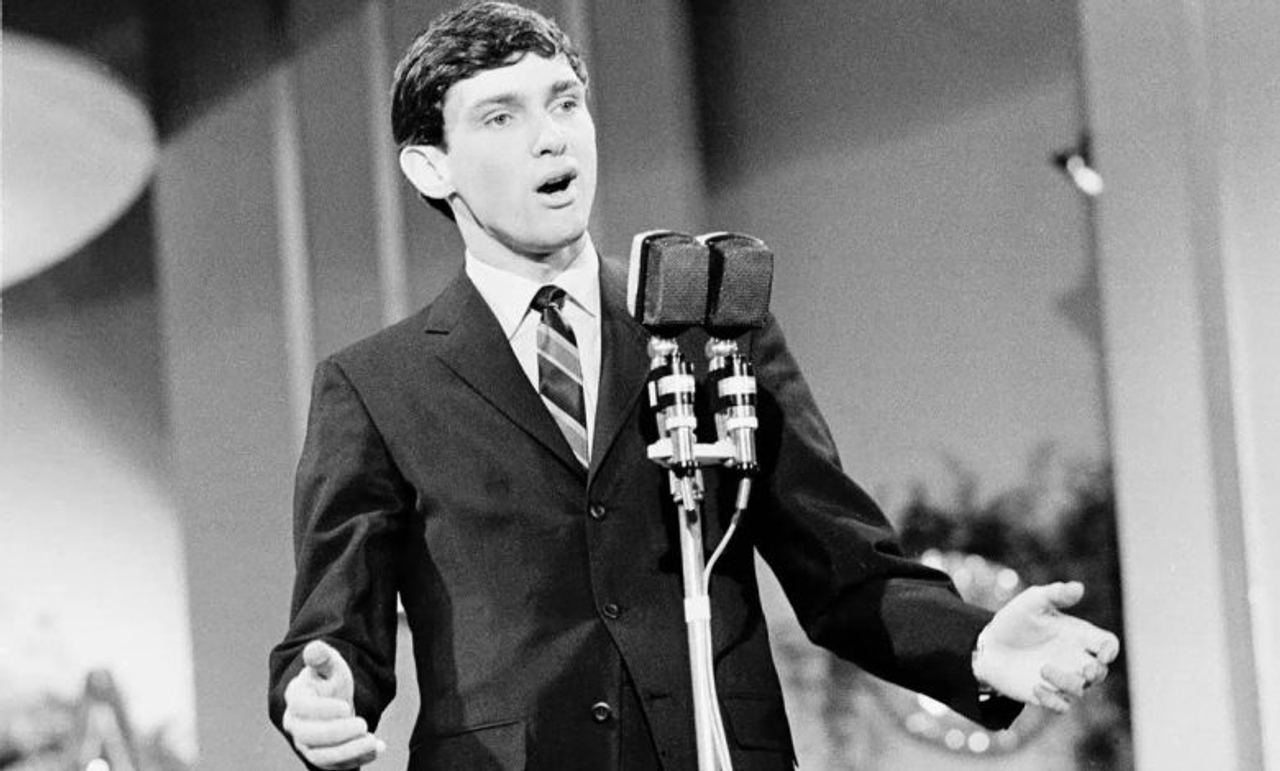
Their involvement elevated the song’s quality, giving it a rich, layered sound that perfectly complemented Fabares’ lead vocals.
Despite the monumental success of “Johnny Angel,” Fabares’ singing career was relatively brief.
She released a follow-up single, “Johnny Loves Me,” which served as a sequel and narrated how the protagonist eventually wins Johnny’s heart.
While it achieved moderate success, it never reached the same heights as its predecessor.
Fabares eventually returned to her acting roots, continuing to build an impressive portfolio.
She appeared in several films alongside Elvis Presley, including “Girl Happy” (1965), “Spinout” (1966), and “Clambake” (1967).
These roles further showcased her versatility and solidified her status in Hollywood.
The impact of “Johnny Angel” on the music industry was undeniable.
It exemplified the trend of television stars crossing over into music, a phenomenon that became increasingly common during that era.
The song’s success demonstrated the potential for actors to diversify their talents and achieve acclaim in multiple entertainment fields.
Over the decades, “Johnny Angel” has maintained its charm, continuing to be a staple on oldies radio stations.
Its enduring popularity speaks to its universal themes and the nostalgic feelings it evokes.
Even today, listeners are transported back to a simpler time, reminded of youthful innocence and the pangs of first love.
Shelley Fabares’ rendition of “Johnny Angel” remains a cultural touchstone.
It encapsulates the early 1960s spirit, blending heartfelt storytelling with melodic simplicity.
The song’s legacy endures, reminding us of the timeless nature of music and its ability to capture the essence of human emotion.
In retrospect, “Johnny Angel” was more than just a hit single; it was a cultural phenomenon that left an indelible mark on the music landscape.
Shelley Fabares’ heartfelt performance and the song’s relatable narrative continue to resonate, ensuring its place in the annals of pop music history.
As we listen to “Johnny Angel” today, we are reminded of its simplicity and sincerity.
It stands as a testament to an era when music told straightforward stories that touched the heart.
[EMBED:
[EMBED:
Read more stories
The doctor who learned to feel a heartbeat and save lives
Jan & Dean’s “Surf City” Brings West Coast Sound to the Top and Launches the Surf Rock Boom in 1963
The Dark, Haunting 1974 Hit That Became Gordon Lightfoot’s Only No.1 Song in America
Strange, Familiar, and Beautiful: Families Around the World
3 minutes read
Share
X
Telegram
Other posts
Jul 12, 2026
Seals & Crofts “Summer Breeze” 1972 Soft Rock Classic
Jun 24, 2026
This Song Taught Life Lessons Millions of Americans Never Forgot
May 31, 2026
Unchained Melody 1955: Alex North, Hy Zaret, Righteous Brothers
Jun 13, 2026
Gordon Lightfoot’s 1974 “Sundown” and Billboard No. 1
Jul 10, 2026
Jan & Dean’s Surf City Hits No. 1 in 1963
Apr 30, 2026
Released in 1979, this gentle ballad became more than a love song. For millions, it became…
Jul 09, 2026
Song About Staying True to Yourself
Jun 05, 2026
The Browns – The Three Bells (1959)
↑
Read more stories
- Released in 1967, this explosive two-minute classic raced through radio speakers with raw desperation, smoky vocals, and the feeling of someone willing to cross the country just to get back to the one they loved.
- Honey Brown Sugar Ham Glaze
- Brown Sugar Pork Chops
- The McCoys’ “Hang On Sloopy” Rockets to No. 1 and Grows into Ohio’s Unofficial Anthem in 1965