They Begged For The Song — And Ended Up Making One Of Motown’s Most Beloved Classics
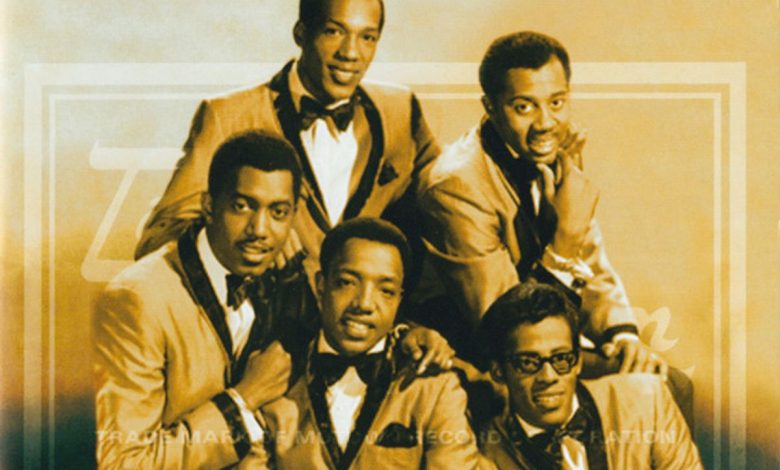
Some songs arrive already fully formed in the minds of their creators. Others change direction at the very last moment, shaped as much by chance as by intention. “My Girl” by The Temptations belongs to the second category — a song whose history could easily have belonged to someone else entirely.
At the center of its origin story is Motown’s most prolific songwriter-producer, Smokey Robinson, who originally intended the track for his own group, The Miracles. While sharing a bill with The Temptations at Harlem’s legendary Apollo Theater, Robinson worked on the song’s rhythm track, laying the foundation for what would become one of the defining records of the Motown era.
When The Temptations heard what Robinson had created, their reaction was immediate. They recognized something special in the arrangement — a warmth and simplicity that stood out even in Motown’s already rich catalog of hits. They began to push for the song to be handed over to them instead of Robinson’s original plan.
In a rare moment of concession, Robinson agreed. That decision would prove pivotal, not only for the song itself but for the direction of The Temptations’ career. It also led to another crucial change: selecting a new lead voice for the track.
For the first time, Robinson chose David Ruffin to sing lead. Ruffin’s voice carried a raw, soulful edge that contrasted with the smoother harmonies of the group. That choice gave “My Girl” its unmistakable emotional identity, grounding its sweetness in a deeper, more expressive tone.
The group spent that week rehearsing the song at the Apollo, refining its harmonies and performance until it felt completely natural. There was a sense that they were preparing something important, even if they could not yet know just how significant it would become.
When they returned to Detroit to record it on December 21, 1964, everything came together with remarkable clarity. The arrangement was simple, but every element felt perfectly placed. The rhythm section carried a gentle momentum, while the vocals layered warmth and precision over the top.
What makes “My Girl” so enduring is its emotional directness. It does not rely on complex storytelling or dramatic twists. Instead, it captures a single feeling — pure, uncomplicated devotion — and expands it into something universally relatable. It is a song that feels both intimate and expansive at the same time.
Behind the scenes, the collaboration between Robinson and The Temptations represented something larger than a single recording session. It reflected the Motown system at its peak — a place where writers, producers, and performers constantly reshaped material until it found its ideal voice. In this case, that ideal voice turned out not to be the one originally intended.
When “My Girl” was released, it quickly became a defining moment for The Temptations, marking their first Number One hit and establishing them as one of Motown’s premier vocal groups. Its success helped solidify the emotional and musical template they would continue to build on throughout the decade.
Over time, the song has become one of the most recognizable and beloved recordings in soul music history. Its opening bass line alone is enough to evoke instant recognition, even decades after its release. Yet beneath its simplicity lies a carefully crafted collaboration between some of the most important figures in American popular music.
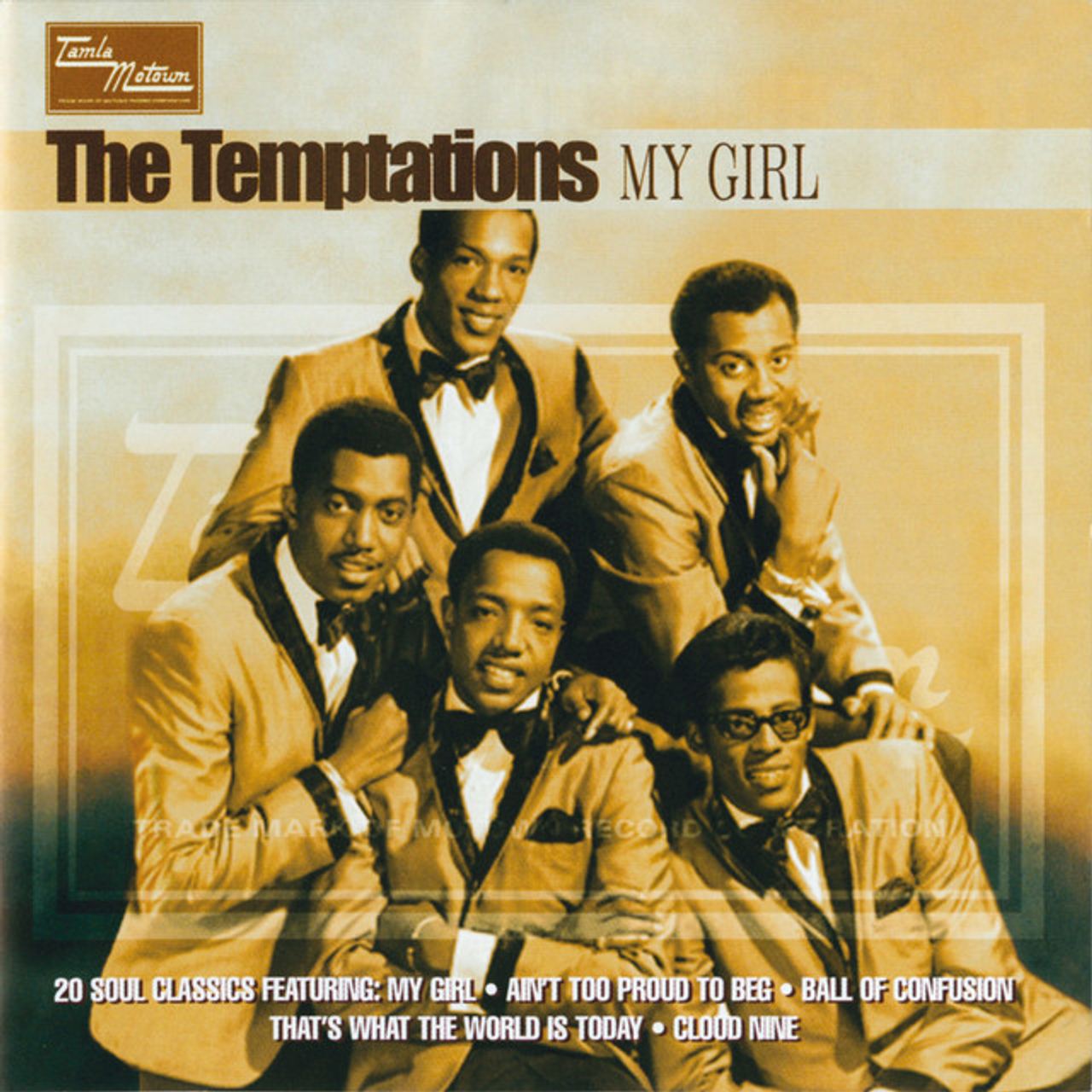
What makes “My Girl” endure is not just its melody, but the moment of recognition that changed its destiny — the instant The Temptations heard it and knew it belonged to them. Sometimes, greatness begins with a request. And sometimes, the right people simply refuse to let a song go.
Related Topics:
Click to comment
Continue reading
When David Bowie Radically Transformed The Rolling Stones’ Classic 1967 Hit
It was 1973, and the air was thick with the scent of hairspray, glitter, and the electric hum of a changing decade. The world was still reeling from the cultural tidal wave of the late sixties, yet here was a man who looked like he had just descended from a jagged, neon-lit starship. David Bowie, the chameleon of rock, was about to do the unthinkable: he decided to take a quintessential piece of history, The Rolling Stones’ 1967 hit Let’s Spend the Night Together, and dismantle it entirely. While traditionalists were still nursing their nostalgia for the raw blues-rock of the Jagger-Richards era, David Bowie was already living in the future, ready to inject it with a dose of futuristic glam-rock adrenaline.
The original track was a defiant, blues-soaked anthem that defined the rebellion of the sixties. But in the hands of David Bowie, the song underwent a radical metamorphosis. He didn’t just cover it; he haunted it. Stripping away the gritty warmth of the original, he infused the track with the cold, precise edge of the Aladdin Sane era. For those who considered The Rolling Stones the ultimate purveyors of rock and roll gospel, this was more than a musical experiment—it was an act of artistic blasphemy that sent shockwaves through the airwaves of the early seventies.
To understand the gravity of this moment, you have to imagine the environment of the era. The Jukeboxes in smokey London pubs were still playing the familiar rhythms of the Stones, providing the soundtrack to a generation that feared the impending decay of their cultural peak. Then came the era of MTV-anticipating spectacle, where visuals and fashion began to carry as much weight as the guitar solos. David Bowie understood that rock was no longer just about the sound; it was about the persona, the mask, and the shock. By reinterpreting such a sacred song, he challenged the boundaries of ownership in music, proving that a classic could be reborn as a space-age relic.
Many loyalists of The Rolling Stones were left bewildered, struggling to find the soul they knew within the angular, synth-heavy arrangement Bowie presented. Yet, this friction is exactly what made it legendary. It wasn’t meant to be a polite tribute; it was a confrontation. David Bowie utilized the tension between his alien aesthetic and the established legacy of The Rolling Stones to push his own narrative forward, firmly cementing his status as an artist who refused to be contained by the ghosts of the past.
Looking back today, this collision of titans reminds us of a time when music felt like a battlefield of ideas. Whether you were a disciple of the original bluesy swagger or you were captured by the hypnotic glare of the glam-rock revolution, there is no denying that the interaction between David Bowie and the legacy of The Rolling Stones created a cultural ripple effect that still defines the evolution of rock music. It was a beautiful, chaotic moment where the past finally gave way to the neon-soaked future, leaving us with a version of history that is as compelling today as it was in the summer of 1973.
Tommy Roe’s “Sweet Pea” and Bubblegum Pop in 1966
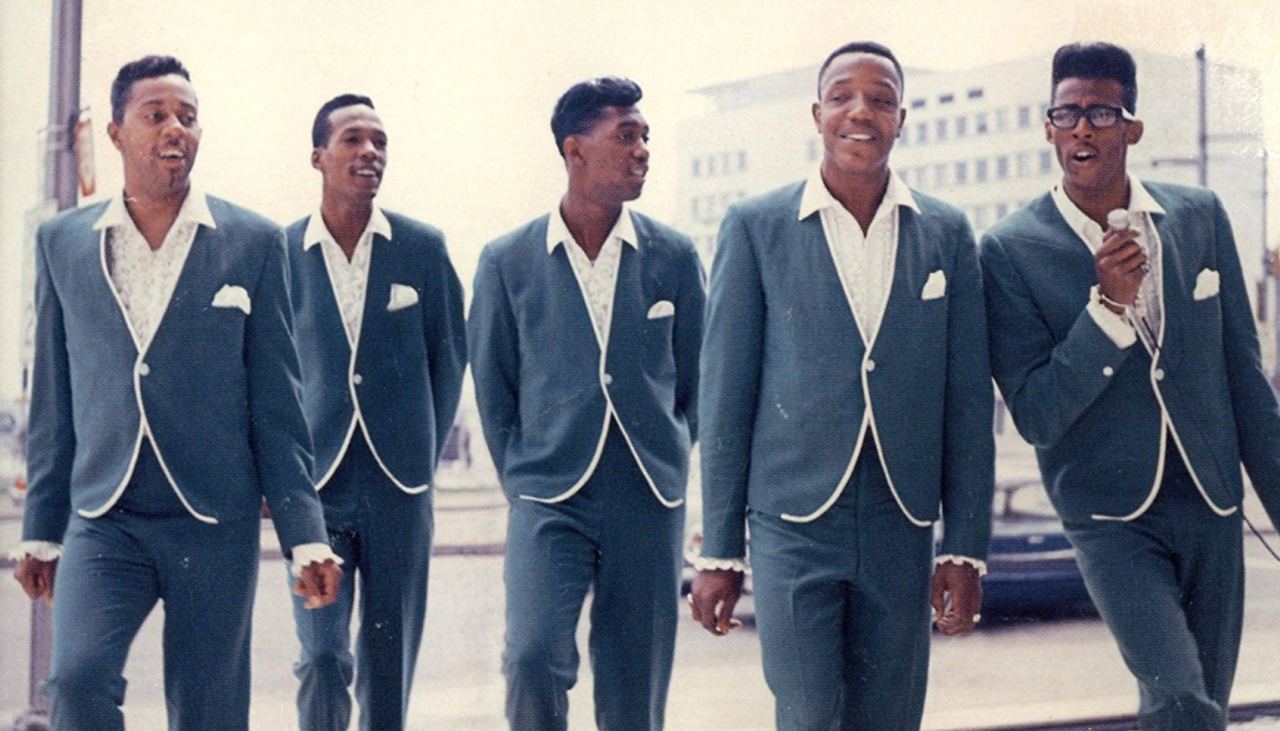
In the summer of 1966, a bright, bouncy tune titled “Sweet Pea” by Tommy Roe lit up radios across America and helped define a new musical niche: bubblegum pop.
With its irresistible hook, sunny melody, and cheeky innocence, “Sweet Pea” captured the carefree spirit of a generation coming of age in a rapidly changing world.
The song climbed swiftly to No. 8 on the Billboard Hot 100 and became one of Roe’s signature hits, reaffirming his knack for crafting catchy, radio-friendly singles.
In a decade dominated by British Invasion bands, folk-rock experimentation, and Motown’s rising power, Roe’s success with “Sweet Pea” stood out as a distinctly American phenomenon—unapologetically fun, light-hearted, and tailored for the youth market.
Tommy Roe hailed from Atlanta, Georgia, and came into the spotlight in the early 1960s with his debut hit “Sheila,” which bore a striking resemblance to Buddy Holly’s hiccupy vocal style.
That single had gone all the way to No. 1 in 1962, launching Roe into the national spotlight and earning him the nickname “the father of bubblegum pop,” though the term itself wouldn’t be coined until a few years later.
While many artists of the era were gravitating toward more serious lyrical content, Roe remained committed to creating danceable, upbeat tracks that spoke to young hearts and restless feet.
His Southern roots gave him a subtle rockabilly undercurrent, but it was his pop sensibility—clear melodies, charming vocals, and memorable refrains—that truly set him apart.
The story behind “Sweet Pea” begins in a space of personal nostalgia and lighthearted affection.
Roe wrote the song himself, inspired by a nickname he once gave to a girl he was fond of.
The term “Sweet Pea” was meant to evoke both innocence and flirtation—a pet name that could double as a pop hook.

Roe imagined the song not as a deep, emotional ballad but as a feel-good anthem that teenagers could sing along to while cruising with the top down or dancing at sock hops.
That sense of uncomplicated charm is embedded in the lyrics, where the narrator pleads with his beloved Sweet Pea to get back on the dance floor and “do the twist” with him again.
The recording process took place in Los Angeles and featured Roe on vocals as well as guitar.
It was produced by Steve Clark, who helped bring a clean, polished sound to the track that was in line with the pop sensibilities of the day.
The instrumentation is tight and efficient: a jaunty electric guitar line, playful organ flourishes, hand claps, and a buoyant rhythm section that propels the tune forward with an irresistible energy.
Roe’s vocals are relaxed yet enthusiastic, striking the perfect balance between teen cool and approachable warmth.
At just over two minutes, “Sweet Pea” was designed to hit hard and fast—a slice of pure pop joy.
Upon its release in June 1966, “Sweet Pea” was met with immediate enthusiasm from radio stations and record buyers alike.
The single began climbing the charts almost immediately and found a wide audience among younger listeners, particularly teenagers eager for a song that reflected their world more directly than the increasingly political or psychedelic turns in other musical genres.
It spent several weeks in the Top 10 and earned Roe another gold record, proving that his appeal had not dimmed with the arrival of newer acts.
In Canada, the song fared even better, reaching No. 1 on the RPM chart, underscoring its North American resonance.
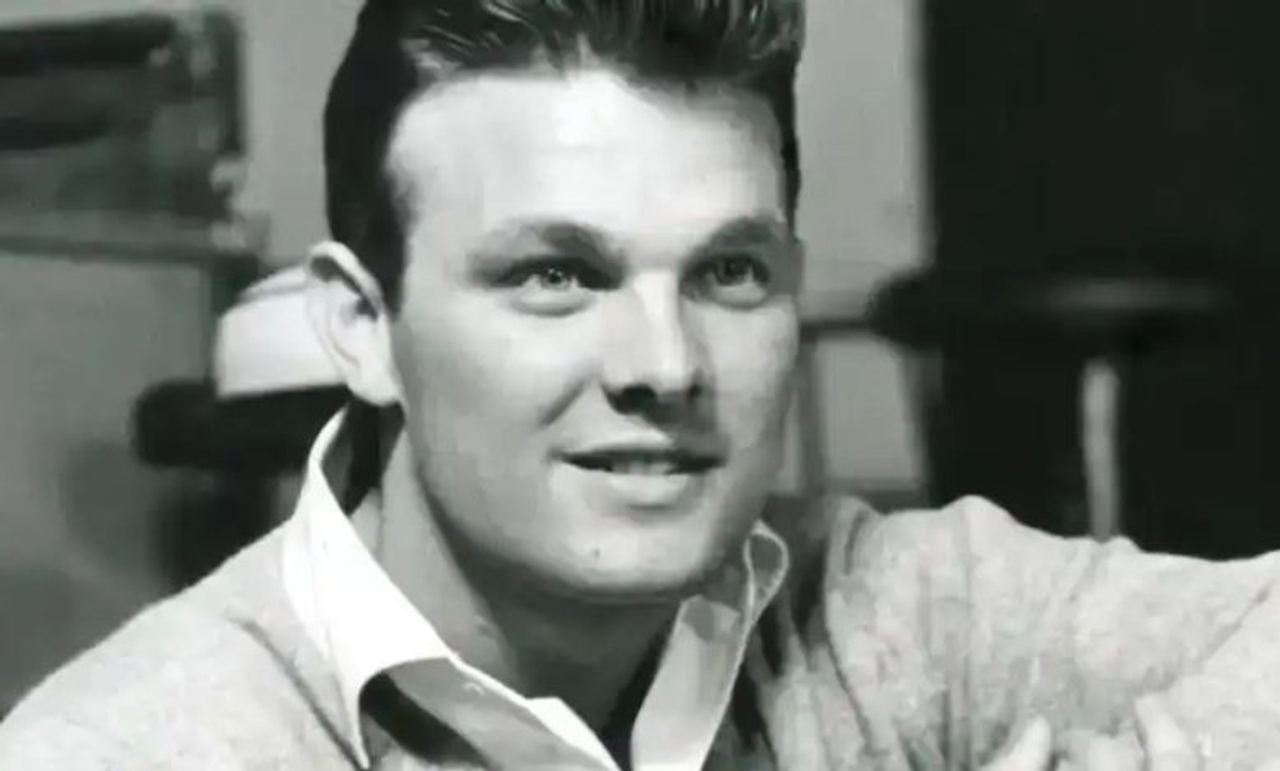
Culturally, “Sweet Pea” arrived at a moment when pop music was splintering into various directions—some artists moving toward hard rock, others toward soul and R&B, and many diving into experimental territory.
Roe’s song was a reminder that there was still a place for simplicity, for romance without angst, and for tunes that made you smile without needing interpretation.
“Sweet Pea” didn’t challenge the status quo; instead, it offered a sunny escape from it.
In doing so, it played a key role in solidifying bubblegum pop as a legitimate subgenre, paving the way for acts like The Archies and The 1910 Fruitgum Company.
For Roe himself, the success of “Sweet Pea” was more than just another chart hit—it reestablished his relevance in a fast-moving industry.
Following a few quieter years after “Sheila,” Roe now found himself in demand again, particularly among teen audiences.
He followed up “Sweet Pea” with another hit, “Hooray for Hazel,” which also broke into the Top 10 later that year.
These successes led to a string of television appearances, national tours, and a renewed presence in the American pop scene, ensuring that he wasn’t just a one-hit wonder from the early ’60s.
The song’s influence was felt across the evolving pop landscape.
It demonstrated that lightweight, infectious tunes still had strong commercial potential, especially when targeted at teen and preteen listeners.
This helped convince record labels to invest in more artists who specialized in this feel-good style.

Although the term “bubblegum pop” often carries a dismissive tone today, in 1966, “Sweet Pea” showcased how that sound could not only sell records but also carve out a joyful, danceable corner in an increasingly complex musical environment.
Over the years, “Sweet Pea” has been covered and referenced by various artists, though its particular charm often resists reinterpretation.
The most notable tribute may be its use in film and television, where the song’s retro feel instantly evokes a sense of 1960s innocence.
Whether in period pieces or nostalgic soundtracks, “Sweet Pea” often plays the role of mood-setter, capturing the breezy optimism of mid-’60s youth culture in just a few sunny bars.
In Roe’s personal and professional timeline, 1966 marked a creative high point.
While his career would continue into the 1970s with modest success, it was “Sweet Pea” that truly defined his musical identity.
During this period, he also enjoyed more control over his songwriting and image, working to blend his Southern roots with the changing tastes of a national audience.
His clean-cut image, friendly stage presence, and refusal to take himself too seriously endeared him to fans who found comfort in his consistency during a volatile decade.
Decades later, “Sweet Pea” remains one of the most recognizable songs of its era.
Its inclusion in numerous compilations and oldies playlists speaks to its enduring appeal, while its chart performance secures its place among the classics of 1960s pop.
The song remains a go-to reference point for discussions of bubblegum pop’s origins and is often cited by music historians as one of the genre’s first major hits.
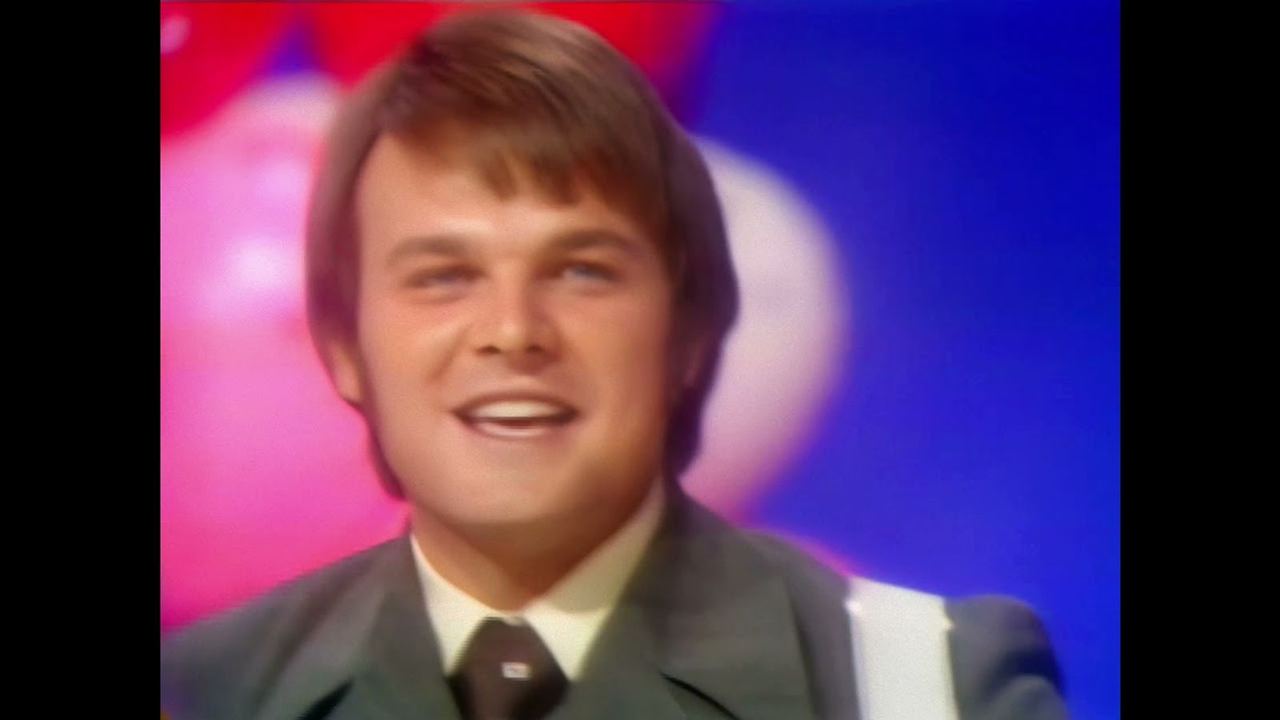
Beyond its musicality, “Sweet Pea” helped normalize the idea that not every pop song had to carry deep meaning or complex arrangements to be memorable.
Its success reaffirmed the power of melody, accessibility, and emotional simplicity—elements that continue to drive pop music today.
Roe’s work offered a different kind of contribution to the decade: not revolution, but joy.
Not rebellion, but affection.
And sometimes, that’s exactly what a generation needs.
Though Tommy Roe never reached the level of superstardom achieved by some of his contemporaries, his impact—especially through “Sweet Pea”—has been lasting.
His role in shaping the direction of pop music during a pivotal time earns him a place in the broader story of 20th-century American music.
In 2012, Roe was inducted into the Georgia Music Hall of Fame, a fitting honor for a hometown hero whose sound reached far beyond the South.
In the final measure, “Sweet Pea” endures because of its sincerity and charm.
Share
Other posts
Jun 07, 2026
Manfred Mann 'Doo Wah Diddy Diddy' and the 1964 British Invasion – 1208
Aug 03, 2026
The Night That Changed Everything: When The Eagles, Linda Ronstadt, and Jackson Browne Red…
Aug 12, 2026
The Song That Was Finished Last — And Changed Pop Music Overnight
Jul 04, 2026
Elvis Presley’s “If I Can Dream” Stands as His Enduring 1968 Message of Hope and Humanity
Jun 23, 2026
The Song That Let You Hear The Tears In Levi Stubbs’ Voice
Jul 12, 2026
Eight Minutes That Changed Rock Forever: The Story Of ‘Stairway To Heaven’
Jun 13, 2026
A moment that lasted only a few minutes on television in 1983… yet left viewers quietly ch…
Jul 03, 2026
A Song Too Dangerous For Its Time — How Billie Holiday Turned “Strange Fruit” Into One Of…
Read more stories
- John Goodman Looks Unrecognizable in His Most Recent Photo — and the Reason Behind His Weight Loss Is Not What Fans Expected
- John Goodman Looks Unrecognizable in His Most Recent Photo — and the Reason Behind His Weight Loss Is Not What Fans Expected
- I Took an Unplanned Day Off to Secretly Follow My Husband and Daughter – What I Found Made My Knees Go Weak
- My Late Grandmother’s Rotary Phone Rings Once a Year on the Same Date – The Caller Is Always Silent, but This Year, He Spoke