Gram Parsons & Emmylou Harris’ “Love Hurts”: The 1974 Duet That Became a Country-Rock Standard
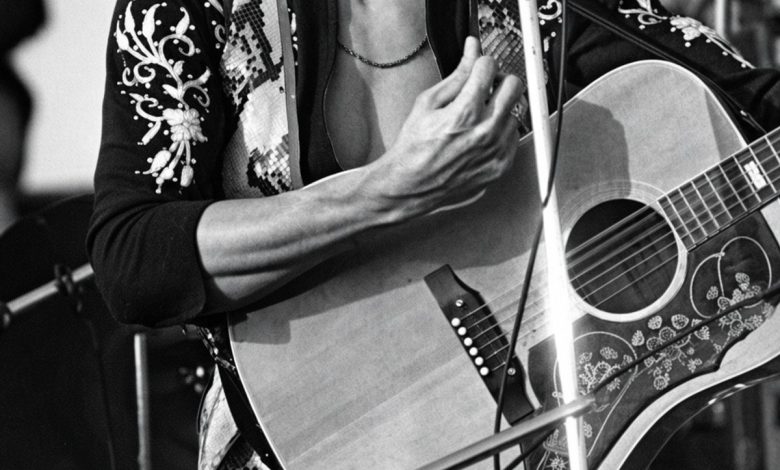
Recorded during Gram Parsons’ final sessions, this Boudleaux Bryant classic became one of the clearest demonstrations of the extraordinary vocal chemistry between Parsons and Emmylou Harris.
An Older Song Reborn in Parsons’ Final Sessions
“Love Hurts” was written by Boudleaux Bryant and first recorded by The Everly Brothers in 1960. By the time Gram Parsons approached it, the composition had already been interpreted by other artists, including Roy Orbison.
Parsons recorded the song with Emmylou Harris during the 1973 sessions for his second solo album, Grievous Angel. The sessions took place in Hollywood, with Parsons producing and musicians including James Burton, Al Perkins, Glen D. Hardin, Emory Gordy Jr. and Ron Tutt contributing.
Parsons died in September 1973, before the album appeared. Grievous Angel was released posthumously in January 1974, with “Love Hurts” presenting Harris not simply as a background singer but as a true duet partner.
What Does “Love Hurts” Mean?
The song rejects romantic idealism and describes love as something capable of leaving emotional wounds.
Its narrator has learned through experience that affection can bring pain, disappointment and disillusionment. The lyric deliberately contrasts conventional ideas of happiness and togetherness with a much darker conclusion about the emotional risks of love.
Parsons and Harris make that message especially powerful because neither voice dominates the performance. Their close harmonies turn a personal lament into something resembling a conversation between two people who understand the same hurt.
The restraint of the arrangement also matters. Acoustic guitar, pedal steel, piano and understated rhythm leave space around the singers, allowing the emotional tension to come primarily from their voices.
How Strongly Did Audiences Respond?
There is no trustworthy historical figure showing how many individual fans Parsons’ recording of “Love Hurts” attracted, and it was not a major standalone pop hit during his lifetime.
The album itself was commercially modest. Grievous Angel reached only No. 195 on the Billboard 200, meaning the song’s reputation developed largely through critical appreciation, reissues, radio play and Parsons’ growing posthumous influence rather than an explosive original chart run.
That distinction is important: “Love Hurts” became significant through longevity rather than immediate mass-market sales.
Its continuing audience can also be seen online. The official Rhino/Warner remaster on Gram Parsons’ YouTube Topic channel has accumulated hundreds of thousands of plays, while the recording remains widely available on major streaming services.
What Did the Song Do for Gram Parsons’ Career and Legacy?
Because Grievous Angel was released after Parsons’ death, “Love Hurts” could not advance his career in the conventional sense. Instead, it became part of the posthumous reputation that transformed him into one of country-rock’s most influential figures.
The recording is particularly important because it captures the musical partnership between Parsons and Emmylou Harris at full strength. Apple Music highlights “Love Hurts” and “Hearts on Fire” as performances that immortalised their rapport.
For Harris, working with Parsons was formative. In an interview preserved by the Country Music Hall of Fame and Museum, she described Parsons as a mentor who introduced her more deeply to classic country music and country harmony.
Parsons’ broader legacy rests on his work with the International Submarine Band, The Byrds, The Flying Burrito Brothers and his two solo albums. “Love Hurts” represents the intimate, harmony-driven side of the musical vision he often described as a fusion of country, rock, soul and other American traditions.
Why “Love Hurts” Still Matters
Gram Parsons did not write “Love Hurts,” and his version was not the song’s biggest commercial hit. Its importance lies elsewhere.
The performance shows how interpretation can transform familiar material. Parsons and Harris slow the emotional temperature, avoid vocal excess and allow their harmonies to carry the sadness.
That chemistry became central to the mythology surrounding Parsons’ final recordings and helped point toward the country-rock and Americana traditions that followed.
For Gram Parsons, “Love Hurts” became one of the most affecting recordings on his final album. For Emmylou Harris, it documents the partnership that helped shape the next phase of her career.
More than fifty years after Grievous Angel appeared, their duet remains a striking example of how two voices can make an already famous song feel newly personal.
Watch and Listen
Gram Parsons – Love Hurts (2007 Remaster, Official Rhino/Warner Audio)
1967: The Year The Doors Brought Their Dark Psychedelic Sound Into the Center of American Popular Culture
In a year remembered for flower power and psychedelic optimism, The Doors came out of Los Angeles with something darker. Their debut album, the No. 1 hit "Light My Fire," Jim Morrison’s unsettling presence, and a second major album before the year was over made them one of the strangest bands to become part of mainstream American pop.
Before 1967, The Doors Belonged to Los Angeles After Dark
In the story of 1967, it is easy to picture San Francisco first: flowers, bright clothes, outdoor gatherings and the optimism attached to the Summer of Love.
The Doors came from a different California.
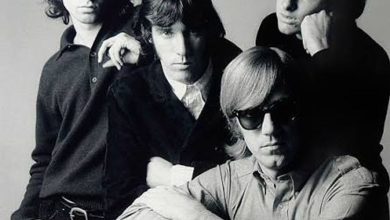
They formed in Los Angeles, a city of movie studios, neon signs, freeways, beach light and long shadows. Their early identity grew in clubs rather than open-air idealism. By 1966, Jim Morrison, Ray Manzarek, Robby Krieger and John Densmore had worked through long sets in places such as the London Fog and the Whisky a Go Go, learning how to stretch songs until they became scenes.
That training mattered.
The band did not sound like four musicians chasing the same idea. Manzarek brought jazz and classical instincts to keyboards. Densmore was a jazz-minded drummer. Krieger’s guitar could move from blues to flamenco-like colors. Morrison approached the microphone as a singer, but also as someone deeply interested in poetry, theater and psychological imagery.
The result was psychedelic rock with a darker center.
In January 1967, America finally heard the full shape of it.
January 4: A Debut Album That Already Sounded Fully Formed
The Doors’ self-titled debut album was released on January 4, 1967.
It opened with "Break on Through (To the Other Side)" and ended with the nearly twelve-minute "The End."
Between those two points were blues, theater, pop melody, organ improvisation and songs that seemed to move between seduction and unease.
The Library of Congress later described the group as an unusual combination of a jazz keyboardist, flamenco guitarist, jazz drummer and poet-vocalist. That description helps explain why the record still sounds difficult to place inside one category.
"Break on Through" begins with a bossa nova-influenced drum pattern and quickly becomes hard rock.
"Alabama Song (Whisky Bar)" came from the world of Bertolt Brecht and Kurt Weill.
"The End" moves from hypnotic quiet into Oedipal imagery and a long, ritual-like climax.
This was not a debut designed to introduce one simple commercial formula.
It sounded like a band arriving with an entire atmosphere already built.
The album eventually climbed to No. 2 on the Billboard 200.
But the record that pushed The Doors into the center of American popular culture was still waiting inside it.
"The End" Made the Debut Bigger Than a Collection of Pop Songs
The final track was one reason the album felt so unusual.
"The End" had begun as a shorter breakup song before The Doors expanded it during their club performances. By the time it was recorded, it had become an extended piece that moved through quiet guitar, shifting rhythm, spoken imagery and an increasingly disturbing dramatic sequence.
The Library of Congress later emphasized both its length and its Oedipal subject matter when selecting the album for the National Recording Registry.
That recognition captures what made the debut daring in 1967.
A band could place a song suitable for Top 40 radio on the same LP as a twelve-minute performance that seemed closer to theater, poetry and ritual than conventional pop.
Listeners who bought the album because of a hit were being invited somewhere much stranger.
The Doors were already testing a boundary that would become increasingly important in late-1960s rock: the difference between the single and the album.
The single could bring someone through the front door.
The album could lead them into rooms radio might never enter.
"Light My Fire" Turned Seven Minutes of Psychedelia Into a Pop Smash
Robby Krieger brought in the central idea for "Light My Fire," and the band expanded it into something far larger.
On the album, the song runs more than seven minutes. Ray Manzarek’s organ and Krieger’s guitar take long instrumental passages that owe as much to jazz improvisation as to conventional pop structure.
That was a problem for Top 40 radio, where three minutes was still close to the expected length of a single.
Elektra cut the song down to just under three minutes and released the edited version in April.
The compromise worked.
"Light My Fire" rose to No. 1 on the Billboard Hot 100 on July 29, 1967 and stayed there for three weeks.
A band whose debut album contained a twelve-minute psychological epic suddenly had the biggest single in America.
That tension became one of The Doors’ defining strengths.
They could be strange enough for the underground and direct enough for AM radio.
The same group could produce an extended organ-and-guitar improvisation and a chorus that teenagers could recognize within seconds.
The darkness had found a doorway into the mainstream.
The Summer of Love Had a Shadow
The timing made the success even more striking.
The summer of 1967 is remembered for idealism, psychedelic color and the belief that a new youth culture might remake the world.
The Doors belonged to that cultural moment, but they did not sound especially utopian.
Morrison’s lyrics were filled with doors, night, desire, isolation, death, escape and the possibility that freedom could become frightening once someone actually crossed the boundary.
That made the band a useful counterweight to the brighter mythology of the era.
"Light My Fire" was sensual.
"Break on Through" was restless.
"The End" was unsettling.
Later that year, "People Are Strange" would make alienation catchy enough for pop radio.
The Doors made music for the person at the party who was still aware that the room had shadows.
That emotional range helped psychedelic rock move beyond the image of colorful experimentation.
The music could also be anxious, erotic, theatrical and psychologically dark.
And in 1967, those qualities were no longer confined to a small Los Angeles club.
Jim Morrison Became a New Kind of American Rock Figure
The music carried The Doors upward, but television and photography turned Jim Morrison into one of the most recognizable faces of the era.
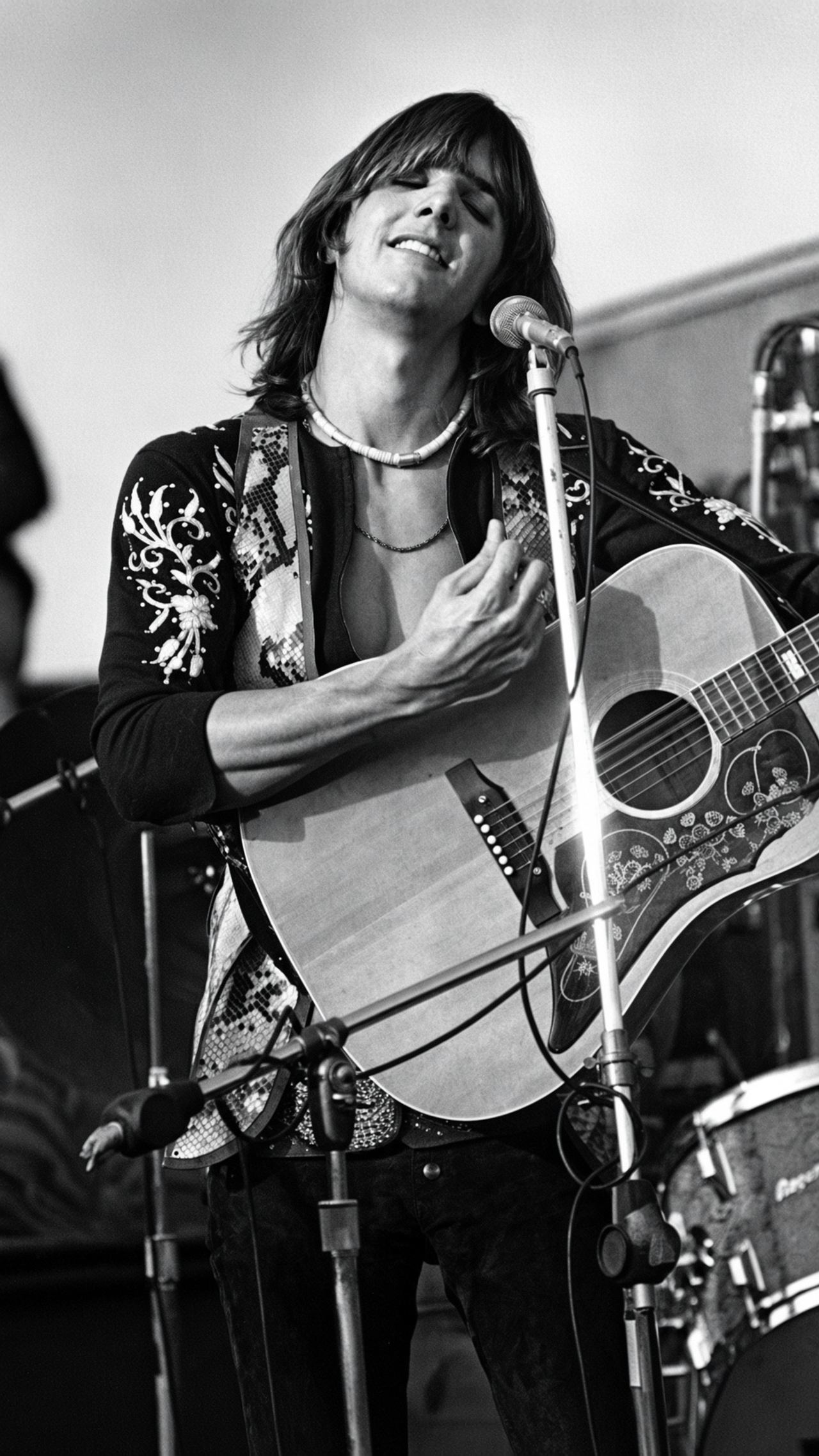
He did not present himself like the cheerful frontman of an earlier pop group.
His stage presence could be still and almost withdrawn, then suddenly physical. He often seemed less interested in reassuring an audience than in testing it.
The contrast was powerful.
Morrison looked like a movie star but wrote and performed material that resisted the normal behavior expected of one.
That tension made him magnetic to cameras.
Yet the mythology around Morrison can sometimes hide the band that made the music possible.
Without Manzarek’s organ, The Doors would lose much of their strange architecture.
Without Krieger’s guitar, "Light My Fire" would not exist in the form that became famous.
Without Densmore’s flexible drumming, songs such as "Break on Through" would lose the rhythmic detail that separated the group from heavier, more straightforward rock bands.
Morrison became the face.
The sound belonged to all four.
September 17: The Doors Brought Their Defiance to Ed Sullivan
By September, "Light My Fire" had already been No. 1, and The Doors had become famous enough to appear on The Ed Sullivan Show.
That meant entering one of the central living rooms of American mass culture.
Before the broadcast on September 17, the band was asked not to sing the word "higher" in "Light My Fire." According to The Doors’ official account, they decided to perform the song as written.
Morrison sang the original lyric.
The band was not invited back.
The incident became part of the Morrison legend, but its larger meaning is more interesting than the act of disobedience itself.
The Doors had moved from Sunset Strip clubs to one of television’s most respectable national stages without becoming noticeably more polite.
The performance put the contradiction of 1967 directly on screen.
The mainstream wanted the excitement of the new youth culture.
But it was less comfortable with the parts that could not be cleaned up.
The Doors understood that tension instinctively.
Their appeal depended partly on crossing the line and letting the audience decide whether to follow.
"Strange Days" Proved the First Album Was Not an Accident
The Doors could have spent the rest of 1967 living on the success of "Light My Fire."
Instead, they released another album.
Strange Days arrived on September 25.
It peaked at No. 3 on Billboard’s album chart and gave the band another set of songs that deepened the mood established by the debut.
"People Are Strange" turned loneliness into a compact pop song.
"Love Me Two Times" carried a harder blues pulse.
"When the Music’s Over" stretched past ten minutes and returned to the band’s taste for long, dramatic forms.
The title track also showed how quickly the group was experimenting with studio technology; the album used an eight-track recorder, and "Strange Days" included an early appearance of a Moog synthesizer in rock.
For a band that had released its first album only in January, the pace was remarkable.
Two major albums.
A No. 1 single.
National television.
Constant touring.
By the end of the year, The Doors were no longer an interesting new Los Angeles group.
They were part of the national vocabulary of rock.
Why The Doors Sounded So Different on American Radio
Part of their impact came from what they did not have.
The Doors did not use a permanent bass guitarist onstage. Manzarek often supplied bass lines with keyboards while also playing organ.
That unusual arrangement left open space in the sound.
Krieger did not attack the guitar exactly like the blues-rock players who would dominate the next few years. His phrasing could be economical, slippery and unexpectedly delicate.
Densmore did not pound every beat. His jazz background gave the music room to breathe.
Then there was Morrison’s baritone.
In an era filled with bright harmonies and high male voices, his low, dramatic delivery could sound like a voice coming from another room.
Those differences were easy to hear even through a small radio speaker.
The Doors were psychedelic, but they were not simply following the psychedelic template.
They were also blues.
Jazz.
European theater.
Poetry.
Pop.
The mixture was unfamiliar enough to feel dangerous and catchy enough to become commercially huge.
For Listeners in 1967, the Darkness Was Still New
Today, songs such as "Light My Fire" and "People Are Strange" arrive with decades of history attached.
In 1967, they were new records.
That difference matters.
A teenager could hear "Light My Fire" from an AM radio before knowing what Jim Morrison would become.
Someone could bring the first Doors LP home because of the hit single and then reach "The End" on side two without being prepared for twelve minutes of darkness.
A family might watch The Ed Sullivan Show and see Morrison sing the line he had been asked to change.
A record-store browser could watch a second Doors album appear only months after the first.
For people who lived through that year, The Doors were not yet symbols.
They were a disturbance in the normal sound of pop.
That is where nostalgia becomes most powerful.
A familiar song can return the listener to the moment before anyone knew it would become familiar.
The Year the Dark Side of Psychedelia Became Popular Culture
By the end of 1967, The Doors had achieved something that looked contradictory.
They had carried some of the strangest music on American rock radio into the mainstream without removing the strangeness.
Their debut album reached No. 2.
"Light My Fire" spent three weeks at No. 1.
Strange Days climbed to No. 3.
They appeared on Ed Sullivan, toured constantly and became one of the recognizable bands of the year.
Yet the records still contained long improvisations, unusual rhythms, poetry, psychological tension and songs that did not promise easy answers.
The Library of Congress later selected The Doors’ 1967 debut for the National Recording Registry, calling "Light My Fire" only the tip of a much deeper and darker album.
That is a useful way to remember the entire year.
The hit opened the door.
What American listeners found behind it was stranger than the hit suggested.
In the middle of a year remembered for flower power and psychedelic optimism, The Doors offered another vision of the counterculture – nocturnal, uncertain, sensual and sometimes frightening.
America listened anyway.
That was the breakthrough.
1967 was not simply the year The Doors became famous.
It was the year darkness learned how to live on the pop charts.
Listen Again
If this story brought back the glow of AM radio, a new LP turning on the record player, or the first time The Doors made psychedelic rock feel darker than the Summer of Love around it, take a moment to revisit two recordings that helped define their extraordinary 1967.
The Doors – "Light My Fire" (2017 Remaster, Rhino/Elektra)
The Doors – "People Are Strange" (Official Video)
Read more stories
- A Stranger at the Pool Asked My Grandson to Help Find His Lost Watch – 20 Minutes Later, Police Sealed off the Pool Area
- 3 Classmates Threw My Daughter’s Diary Into a School Dumpster – So I Organized a Parent-Teacher Meeting They’ll Never Forget
- My Neighbor Borrowed My Backyard for One Afternoon – The Next Morning, My Yard Had a Huge Hole and My Neighbor Was Gone
- My Stepdaughter Embarrassed Me in Church Because of My Old Coat – She Had No Idea What My Husband Had Sewn Inside It