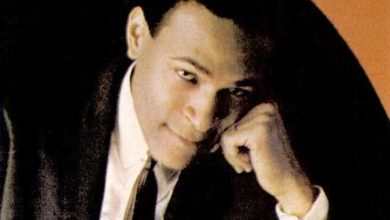
Manfred Mann, “Doo Wah Diddy Diddy,” and the Spark of the 1964 British Invasion

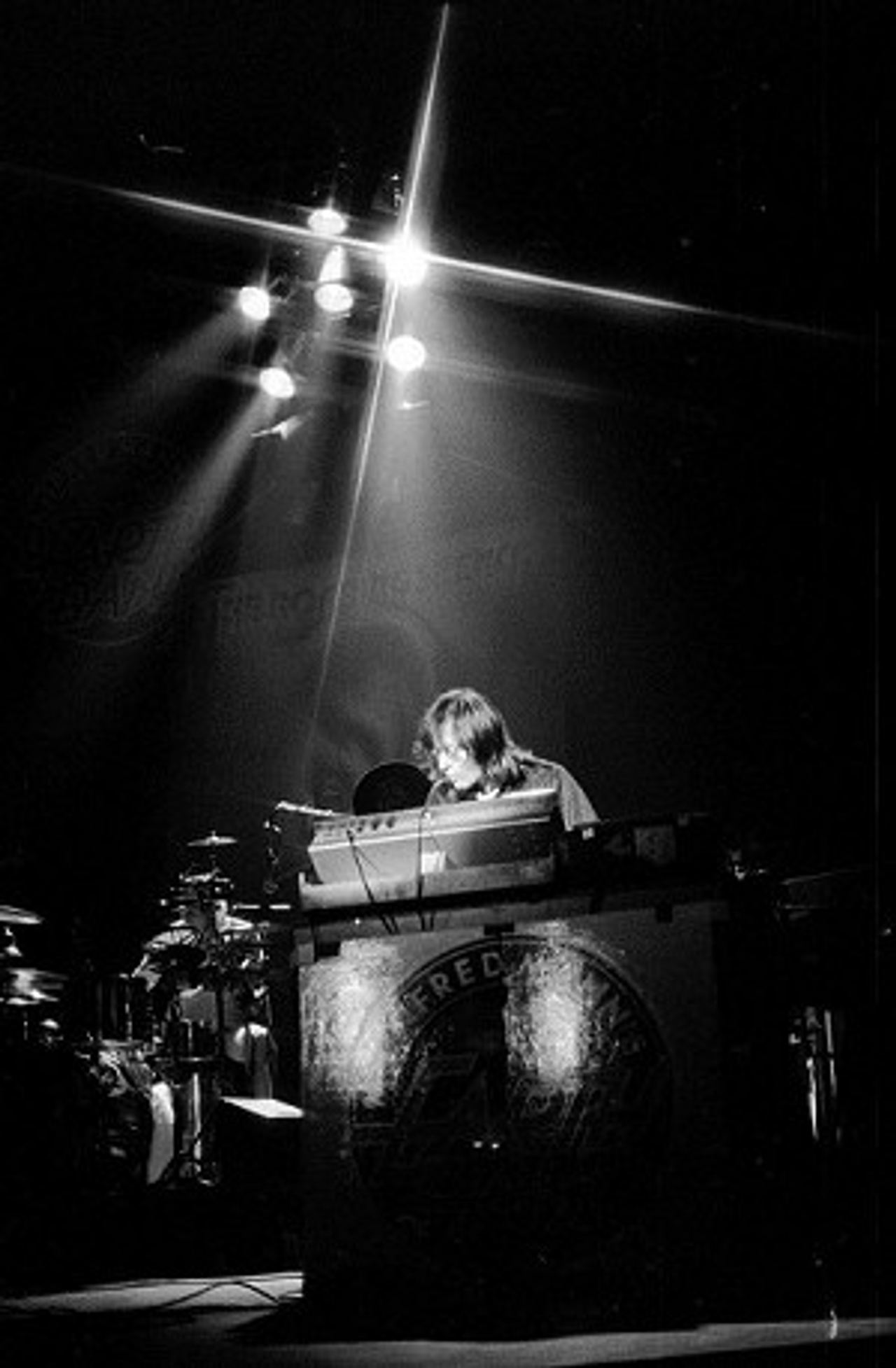
A pop song that arrived at exactly the right moment
When Manfred Mann released “Doo Wah Diddy Diddy” in 1964, the single landed in a musical climate already primed for upheaval. British groups were pouring into the American mainstream, bringing with them a sharper, punchier version of rhythm and blues-inflected pop. In that rush of new sounds and new faces, Manfred Mann found a song with an instant hook and enough personality to cut through the noise.
The track was not originally a British composition. It came from the prolific American songwriting team of Jeff Barry and Ellie Greenwich, whose gift for infectious, radio-ready pop was already well established. What Manfred Mann did was transform that material into something that felt freshly kinetic: a London group taking a U.S. song and sending it back across the Atlantic with extra bounce, polish, and flair.
It wasn’t just another hit single; it was a perfect transatlantic pop object, American in origin and unmistakably British in delivery.
How Manfred Mann gave the song its own identity
The brilliance of Manfred Mann’s version lies in its sense of movement. “Doo Wah Diddy Diddy” is built around repetition, but never sounds static. The vocal phrasing, handclap-ready rhythm, and bright instrumental attack make the record feel as if it is striding forward from the first bars, full of street-corner charm and dance-floor energy.
That exuberant, swinging rendition helped the song become far more than a clever cover. Manfred Mann’s recording leaned into the communal joy at the center of early-1960s pop: a chorus designed to be echoed, a beat designed to be felt immediately, and a title phrase so playful it practically demanded audience participation. The result was a performance that felt both tightly arranged and spontaneous, polished enough for radio but lively enough to suggest a band enjoying every second of the ride.
A defining anthem of the British Invasion
The British Invasion was never just one sound. It included raw rock bands, harmony-driven pop acts, and groups drawing heavily from American blues and soul. Manfred Mann occupied a compelling place within that spectrum, pairing musicianship with a pop instinct that made their records feel accessible without being anonymous. “Doo Wah Diddy Diddy” captured that balance beautifully.
Its success on both sides of the Atlantic underscored the larger story of 1964: British acts were no longer curiosities in the United States, but central players in popular music. For American listeners, records like this one offered a familiar foundation reframed through a fresh accent and style. For British fans, it was proof that local groups could compete at the highest commercial level using wit, energy, and a cosmopolitan grasp of pop craft.
From London to number one
Commercially, the song became a landmark. “Doo Wah Diddy Diddy” reached number one on both the UK Singles Chart and the Billboard Hot 100, an achievement that instantly elevated Manfred Mann’s standing. In an era crowded with major releases and fast-moving trends, topping both charts signaled more than popularity; it confirmed the group as one of the premier acts of the moment.
That chart performance also helps explain why the single still occupies such a secure place in British Invasion history. Plenty of records evoke the period, but fewer can claim to have so vividly participated in it. “Doo Wah Diddy Diddy” was not merely adjacent to the movement; it was one of the songs that gave the movement its feel—cheerful, direct, and impossible to ignore.
The songwriting machine behind the hit
Jeff Barry and Ellie Greenwich were among the great architects of 1960s pop, and “Doo Wah Diddy Diddy” bears their hallmark strengths: a title that sticks instantly, lyrics that move with conversational ease, and a structure that rewards repetition rather than wearing out from it. Their work often thrived on momentum, and this song is a prime example of how a simple phrase can become unforgettable in the right setting.
What makes the Manfred Mann version especially interesting is the way it highlights the era’s fluid exchange between American songwriters and British performers. The British Invasion is often remembered as a one-way export of UK talent, but songs like this reveal a more intertwined story. American pop writing and British band performance fed each other constantly, creating records that belonged to both scenes at once.
Why “Doo Wah Diddy Diddy” still matters
Decades later, the song remains instantly recognizable because it distills so many pleasures of mid-1960s pop into a compact, joyous package. It is catchy without seeming mechanical, upbeat without sounding frivolous, and polished without losing its human spark. That combination helps it endure not only as a period piece, but as a record that still communicates pure excitement.
For Manfred Mann, the single remains one of the clearest emblems of the group’s place in pop history. It captures a London-based band at the moment when British music was reshaping the global conversation, and it does so with a song that sounds effortless even though its impact was enormous. “Doo Wah Diddy Diddy” endures because it turned a clever composition into an event, and in 1964 that was exactly what the world wanted.
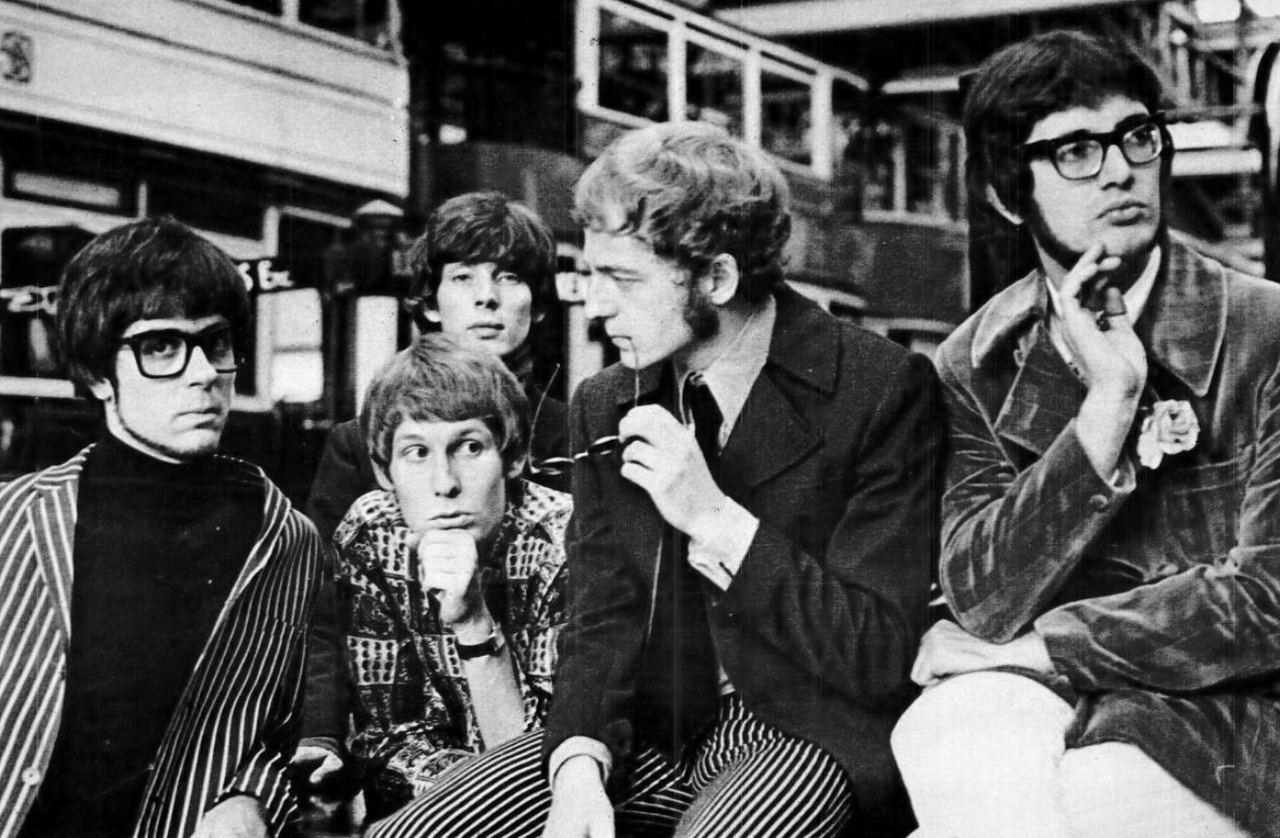

Quick Facts
- Song: “Doo Wah Diddy Diddy”
- Artist: Manfred Mann
- Release year: 1964
- Writers: Jeff Barry and Ellie Greenwich
- UK chart peak: No. 1 on the UK Singles Chart
- US chart peak: No. 1 on the Billboard Hot 100
Image credits: Helge Øverås / Wikimedia Commons / CC BY-SA 4.0; Mercury Records / Wikimedia Commons / Public domain; Ron Kroon for Anefo / Wikimedia Commons / CC BY-SA 3.0.