The Hit George Harrison Almost Gave Away
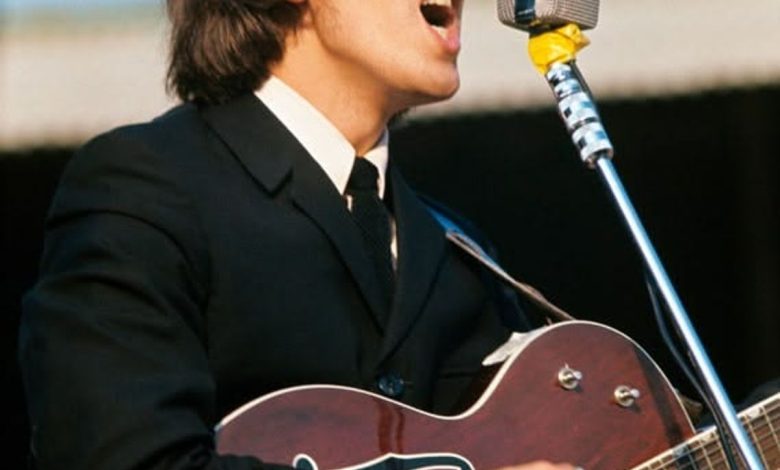
In 1969, George Harrison was driving through London on his way to Olympic Studios.
He was there to work on an album by his friend Billy Preston.
Somewhere along the journey, a melody appeared in Harrison’s head.
It came quickly — perhaps in fifteen minutes, perhaps half an hour.
There was no grand plan behind it. No long writing session. No attempt to create the next defining song of his career.
Harrison simply had an idea.
And he wrote it down.
The strange part was what happened next.
At the session, Preston was already immersed in his own funky musical world. Harrison later explained that it felt awkward to suddenly interrupt and announce that he had written a catchy pop song.
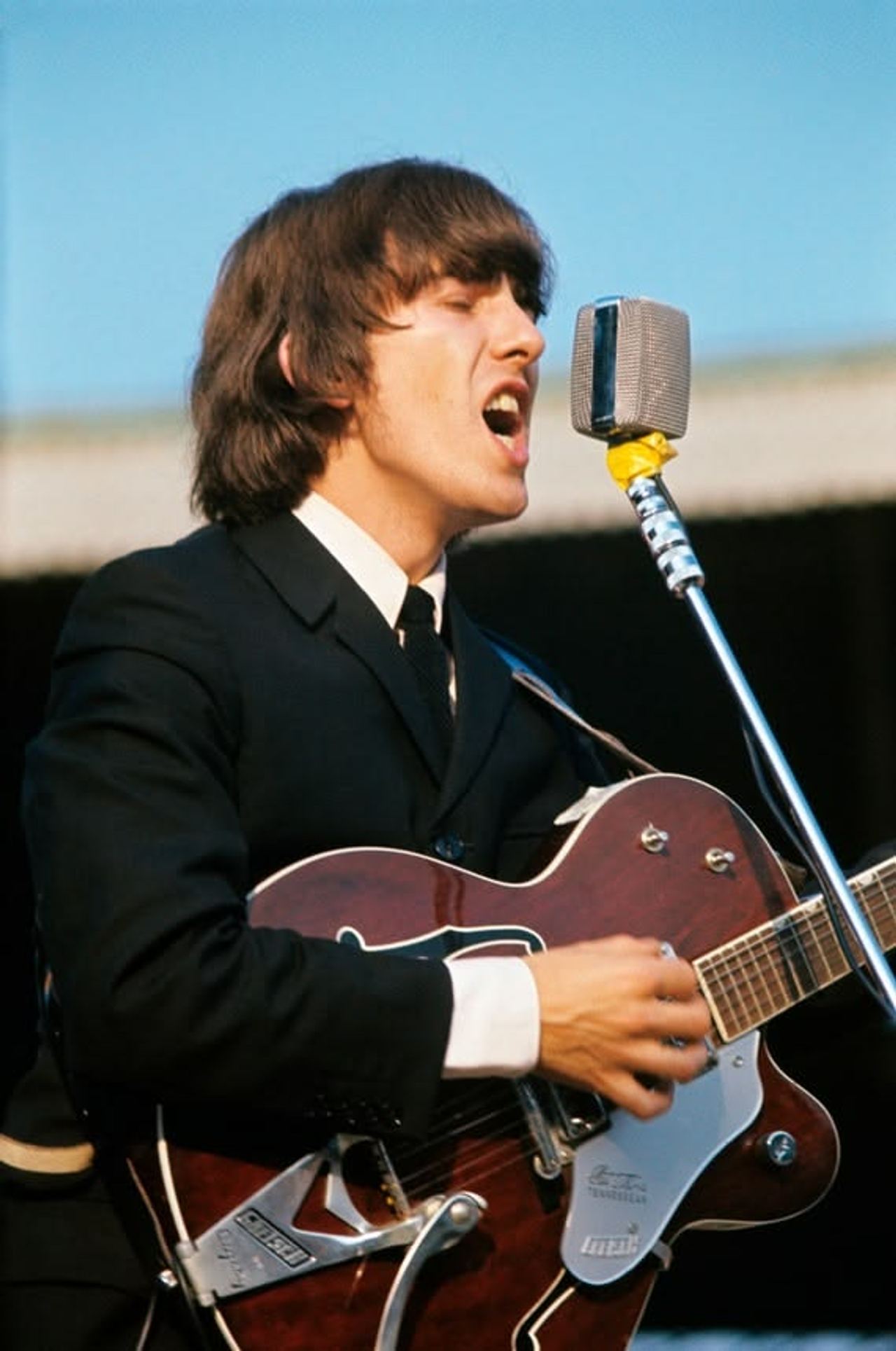
So he didn’t.
He put the song aside.
At that moment, Harrison apparently had no idea that the little piece of music he had just written would eventually become one of the defining songs of his solo career.
The timing would soon become extraordinary.
By 1970, The Beatles were falling apart, and Harrison was finally free to make the kind of record he had never been able to make inside the group.
He had accumulated songs during the Beatles years, including material that had never found enough space on their albums. Now, with the band effectively over, Harrison had an enormous backlog of music waiting to be heard.
Among those songs was the one he had nearly given away.
He brought it into the sessions for All Things Must Pass.
The recording quickly became something much bigger than the small idea Harrison had written while driving.
At Abbey Road, Harrison assembled an extraordinary group of musicians around him, including Eric Clapton, Billy Preston, Klaus Voormann and members of Badfinger. Phil Spector co-produced the sessions, while Harrison later continued much of the overdubbing work with engineer Ken Scott.
The transformation was remarkable.
The quiet little composition became a huge, driving production built around Harrison’s unmistakable fuzz-guitar riff. Bass, drums, horns, strings and layers of Harrison’s own backing vocals turned it into something energetic and almost overwhelming.
It sounded nothing like a song that had nearly been left behind.
And there was another layer to it.
Despite the philosophical question in its title, Harrison’s lyrics are deeply personal. At their center is the idea of what life becomes without the love of another person.
That ambiguity is part of the song’s lasting power. It can sound like a straightforward declaration of romantic love, while also fitting naturally into Harrison’s increasingly spiritual worldview. Modern scholarship has similarly described the song as occupying the space between earthly and divine love.
When All Things Must Pass arrived in November 1970, Harrison was no longer simply the quiet Beatle standing behind Lennon and McCartney.
He had stepped out on his own.
And the song he had once considered unsuitable for another artist became one of the album’s standout tracks.
It was later released as a single in the United States and reached the Top 10 on the Billboard Hot 100.
That is what makes its story so satisfying.
The song wasn’t born from a dramatic moment.
It wasn’t carefully designed to become a classic.
It was almost an afterthought — a melody Harrison wrote on the way to work and didn’t even feel comfortable presenting at the session.
Then The Beatles ended.
Harrison finally had the freedom to open the vault.
And suddenly, the song that might have belonged to somebody else became his.
More than half a century later, that opening guitar riff still arrives with the force of a song that knows exactly where it belongs.
Perhaps that is the real story behind it.
May you like
1985 – Dire Straits Made a Blockbuster for a Format Most Listeners Still…
Brothers in Arms was already built to sound immaculate. Its extraordinary success then tied one of the world's biggest rock bands…
1967 – Jefferson Airplane Changed One Voice Just Before San Francisco Ex…
Grace Slick entered a band that was already rising, bringing a different vocal force and crucial material just as the Summer of Lo…
1978 – Eddie Van Halen Thought It Was Just a Warm-Up. Why Did the Produc…
A brief guitar showcase almost stayed outside the album. Once it reached listeners, its strange technique became one of the most c…
Sometimes a song doesn’t fail because nobody notices it.
Sometimes it simply has to wait for the right moment.
Read more stories
- Un joven, una canción y un silencio total: la actuación que hizo llorar a Simon Cowell y conmovió a todo el auditorio
- Dream a Little Dream of Me: A Timeless Masterpiece That Captivates Across Generations
- Texas Sheet Cake Bundt Cake
- Hayden Panettiere’s Autopsy Results Are In – and a Neighbor Who Heard the ‘Commotion’ That Day Is Speaking Out – Details