1969 – Santana Had No Album in Stores When Woodstock Called. What Happened in the Next 45 Minutes Changed Their Future
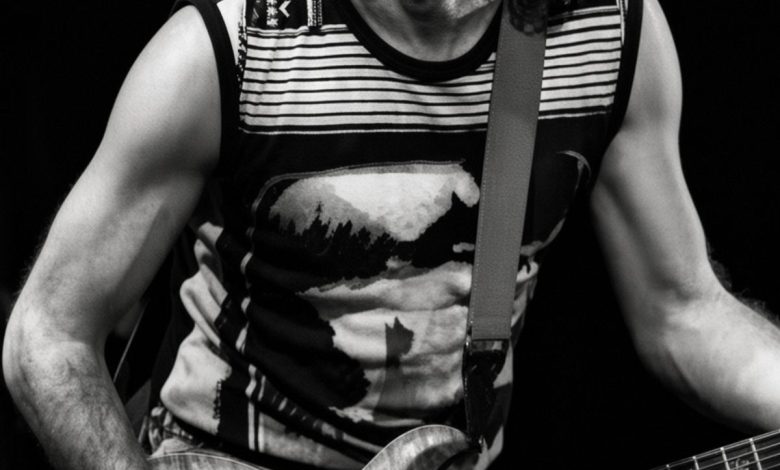
They were respected around San Francisco but virtually unknown to the wider world. Then a booking secured by Bill Graham put Santana in front of Woodstock before Columbia could even release the band’s debut album.
Saturday Afternoon, Before the World Knew the Name
On the afternoon of August 16, 1969, Woodstock was already becoming something larger than the festival its organizers had planned. Roads were jammed. Schedules were slipping. Hundreds of thousands of people covered Max Yasgur’s farm in Bethel, New York, and the idea of a carefully controlled rock concert had given way to something closer to a temporary city.
Into that scene walked Santana.
The band had no album in record stores. Outside the San Francisco music scene, most people had little reason to know what was coming. There was no national hit to recognize from the opening note, no famous record jacket to hold up from the crowd, no established mythology surrounding Carlos Santana’s guitar. What the audience heard first was simply a band whose musical language did not fit neatly into the categories dominating American rock.
Electric blues phrasing collided with Hammond organ, bass and drums, but the center of gravity was different. Congas, timbales and layered percussion did not decorate the rock rhythm; they helped drive it. Carlos Santana’s guitar could sing like blues and cut like acid rock, yet the pulse underneath kept pulling the music toward Latin and Afro-Caribbean rhythmic traditions.
For roughly 45 minutes, a group that had not yet released its first LP had the largest possible audition.
Before Woodstock, the Breakthrough Was Still Local
Santana’s sudden national emergence can make the years before Woodstock look shorter than they were. Carlos Santana had arrived in San Francisco as a teenager after growing up in Mexico, first learning violin from his father and then turning toward guitar. In the Bay Area he absorbed blues while living inside one of the most adventurous music communities in the country.
The Santana Blues Band took shape in 1966 around Carlos and keyboardist-vocalist Gregg Rolie. The lineup changed, but the idea kept sharpening: a rock band in which percussion would be structurally important, not an exotic color added after the fact.
By 1968, the band had won serious attention at Bill Graham’s Fillmore West. A strong reception there helped lead to a Columbia Records contract. Yet a contract was not the same thing as a public identity. The classic Woodstock-era lineup was still coming together in 1969, with David Brown on bass, Michael Carabello and Jose “Chepito” Areas on percussion, and the young Michael Shrieve on drums.
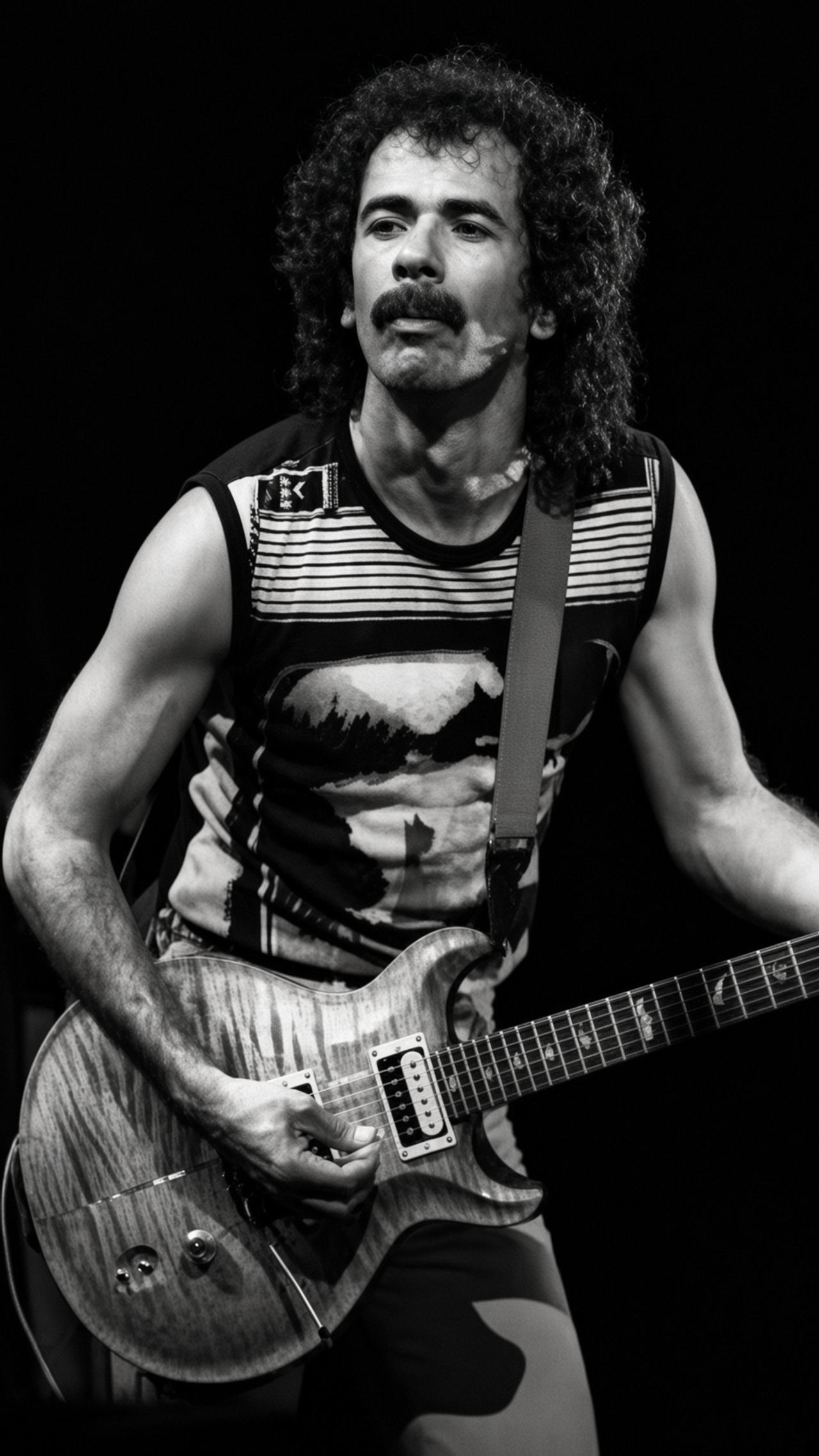
They began recording their debut album in May 1969 and completed the work quickly. The record existed. The public, for the most part, had not heard it.
That gap between readiness and recognition is what made Woodstock so important. Santana had already built the sound. They had not yet built the audience.
The Booking Came From Leverage, Not Fame
Santana did not arrive at Woodstock because they were one of the festival’s biggest attractions. Their place on the bill came through Bill Graham.
The Woodstock organizers wanted major San Francisco acts, including Jefferson Airplane and the Grateful Dead. Graham managed both, and according to the history preserved by Bethel Woods, he made Santana part of the deal. If Woodstock wanted those established names, the new band had to come too.
It was the sort of decision that can look obvious only after history has already happened.
At the time, it meant that a promoter who believed in a developing band used his influence to put them in a room – or, in this case, a field – they had not yet earned through record sales. That opportunity mattered because the festival audience was not segmented by radio format or record-bin label. Santana could be heard all at once by rock fans who might never have sought out a Latin-rooted band on their own.
The group also arrived under chaotic circumstances. The running order changed, and they were told to go on earlier than expected. There was little room for the kind of gradual psychological preparation a young band might have wanted before facing an ocean of people.
They went anyway.
A Performance Built on Rhythm Before Reputation
What made the set work was not simply Carlos Santana’s guitar, though his tone became one of the most identifiable guitar sounds of the era. The breakthrough came from the band’s architecture.
Gregg Rolie’s Hammond organ gave the music harmonic weight and a rough, bluesy voice. David Brown held the low end steady. Michael Shrieve’s drums did not merely keep time; they conversed with Carabello and Areas, turning the rhythm section into a web of interlocking accents. Over it, Santana’s guitar could stretch notes, bite into short phrases, or rise above the percussion without disconnecting from it.
That balance reached its most vivid point during “Soul Sacrifice.” The instrumental allowed the band’s core idea to be heard without explanation. Percussion and drums created forward motion, the organ thickened the groove, and the guitar moved between melody and attack. Shrieve, only 20, delivered the drum solo that would become one of the set’s defining images.
The song was not yet familiar to the mass audience. That was precisely why the moment mattered. The crowd could not be responding to nostalgia or a known hit. It was responding to the force of the performance in real time.
For a band without an album on sale, that was the purest kind of breakthrough.
The Album Arrived After the Reputation
Usually the record comes first. Radio exposure follows. Touring expands the audience. Santana’s 1969 story briefly ran in reverse.
Within days of Woodstock, Columbia released the self-titled debut album. By then the band was no longer just an unfamiliar name on a new LP. Word about the festival set had begun circulating, and the Woodstock performance would acquire even greater reach as the event entered American cultural memory.
The album climbed to No. 4 on the U.S. Billboard album chart, while “Evil Ways” became a Top 10 single. Those numbers mattered because they converted the excitement of a live breakthrough into a durable commercial audience.
But the more interesting change was not simply scale. Santana’s success widened the sound of mainstream rock. Their music placed Latin percussion at the center of an amplified band and made that rhythmic complexity feel natural beside blues guitar, organ and rock volume. It was fusion without sounding like a theory exercise.
That gave listeners a new point of entry. Someone who came for the guitar might discover the percussion. Someone drawn to the groove might find blues phrasing and psychedelic sustain. The band did not flatten those sources into one neutral pop style. The tension between them was the identity.
Why Woodstock Was the Perfect Stage for This Sound
Woodstock has often been remembered as a symbol of late-1960s idealism, but musically it was also a collision of audiences. Folk, blues, soul, hard rock, psychedelic music and emerging hybrids shared the same field. Santana benefited from that openness.
A conventional radio launch might have required the band to be categorized before it could be heard. Woodstock reversed the process. The crowd heard the music first and decided what it meant afterward.
That matters when thinking about Latin rock. Santana did not invent the idea that Latin rhythms and rock instruments could meet, nor were they working alone in a culturally diverse musical landscape. Their achievement was to make the combination visible on an enormous stage at exactly the moment American rock culture was looking for new forms.
The music could be muscular without losing rhythmic intricacy. It could be psychedelic without floating away from the groove. It could feature a guitar hero while still depending on a collective percussion engine.
For listeners who later encountered the performance through records, television footage, the Woodstock film or stories passed down by older siblings, the surprise is still audible. Santana did not sound like a band tentatively introducing an experiment. They sounded as if this musical world already existed and the audience was only now being invited into it.
From Surprise Set to Lasting Musical Language
Santana’s career would move through many phases after 1969, and the band would go on to bigger chart achievements. That later success can obscure what was unusual about the first breakthrough.
At Woodstock, the audience was not watching a star confirm his status. It was watching status being created.
The band left the stage with a story that a marketing campaign could not easily manufacture: they had walked into the defining festival of their generation before their debut LP was available and played with enough confidence to become one of its surprise sensations. Days later, the record arrived ready to catch the momentum.
The Rock & Roll Hall of Fame would later describe Santana’s lasting identity through the fusion of jazz, rock and Latin influences. That fusion became more than a signature for one group. It helped make room in mainstream rock for a broader rhythmic vocabulary and for Latin musical elements to be heard not as novelty, but as power.
For listeners who remember discovering Santana through an LP sleeve, an FM station, or grainy Woodstock footage on television, the performance can still feel like a door opening. The band on the screen does not know yet how famous it will become. The audience does not know it either.
That is the electricity of the moment.
Forty-Five Minutes Before the Future
The central paradox of Santana’s 1969 breakthrough is simple: the band became famous for music the public had barely had a chance to buy.
Woodstock did not create Santana’s sound. Years of playing, lineup changes, rehearsals and San Francisco shows had done that. Nor did one festival single-handedly create Latin rock. The history is larger and richer than any one performance.
What Woodstock did was collapse the distance between preparation and recognition.
Bill Graham’s leverage got Santana onto the bill. A schedule change pushed them onto the stage. A vast audience that mostly did not know the band heard a fully formed sound built from electric guitar, organ, drums and layered Latin percussion. Then the debut album arrived while the memory of that afternoon was still fresh.
That is why the set remains more than a famous festival clip. It captures one of popular music’s rarest transformations: the instant when a regional band steps into a national story before its first album has even reached the public.
They walked onto Woodstock unknown to most of the field.
They did not walk off that way.
Listen Again
To hear the breakthrough at the center of this story, start with the Woodstock performance that turned an unfamiliar band into one of the festival’s revelations, then return to the studio recording that helped carry the momentum onto American radio.
Santana – Soul Sacrifice (Live at The Woodstock Music & Art Fair, August 16, 1969) – Columbia/Legacy
Read more stories
- Classic Patty Melt Recipe
- Inside Hayden Panettiere’s Childhood Home Where She Grew Up with Her Brother — and the Nashville House Where She First Raised Her Daughter — Photos
- Hayden Panettiere’s Mom Breaks Down Why She Chose No Contact — Then Came a Facebook Post That Now Seems More Significant
- Creamy Chicken and Noodles