The Enduring Meaning Behind Marvin Gaye’s Signature Hit “What’s Going On?”
A song that sounded bigger than pop
When “What’s Going On” arrived in 1971, it did not feel like a routine hit single. Its gentle saxophone opening, layered vocals, and fluid groove created the sensation of overhearing a community in conversation rather than a singer delivering a performance. Marvin Gaye had already established himself as one of Motown’s defining voices, but this record announced a different scale of ambition: intimate in tone, sweeping in meaning.
Its impact was immediate. The song rose to the top of the R&B and pop charts, while the album of the same name became a major commercial success, selling more than two million copies and remaining on the charts for over a year. It would go on to stand as the best-selling album of Gaye’s career, proof that audiences were ready for a record that asked hard questions without sacrificing beauty.
The question at the center of the record
The title itself is deceptively simple. “What’s Going On” sounds casual, almost conversational, but that is exactly what gives it force. Gaye turns a common phrase into a moral inquiry, asking what has happened to the country, to neighborhoods, to families, and to the bonds between people. The song is not built around accusation alone; it is built around concern, confusion, and a longing to understand.
That emotional blend helps explain why the track has endured for decades. It speaks to social disorder and public pain, yet it does so in a voice of compassion rather than cynicism. Instead of shouting over the listener, Gaye invites them in, asking them to listen more closely to the world around them and to one another.
Mother, mother / There’s too many of you crying
A portrait of a troubled America
Part of the song’s power lies in how clearly it reflects the atmosphere of its time. Early-1970s America was marked by deep political division, unrest, and anguish over war and inequality. “What’s Going On” absorbs that tension, but it never sounds like a slogan. It feels lived in, as if the headlines have been translated into human voices, street corners, and family conversations.
That grounding in everyday feeling is crucial. Gaye’s performance suggests that national crises are never abstract; they are felt in grief, exhaustion, prayer, and doubt. The song links public conflict to private sorrow, making social commentary feel personal. In doing so, it transformed the possibilities of mainstream soul music, showing that a hit record could be reflective, spiritually searching, and politically aware all at once.
Why the music feels so compassionate
Even listeners who do not focus on the lyrics often sense the song’s tenderness immediately. The arrangement moves with unusual warmth: supple percussion, soft horns, and vocals that seem to surround the lead rather than merely support it. Gaye’s layered singing gives the song a communal texture, as though multiple selves are speaking, grieving, and hoping together.
That musical softness is not a contradiction of the subject matter; it is the method. The song’s empathy is carried in its sound. Where many protest songs rely on force or confrontation, “What’s Going On” advances through grace. It asks listeners to lower their defenses, to hear pain without turning away, and to imagine that care itself can be a radical response.
The centerpiece of a landmark album
The song’s meaning deepens when placed within the album that shares its name. “What’s Going On” is not an isolated statement but the opening of a larger emotional and thematic journey. The record moves through concerns about war, poverty, faith, environmental damage, and the search for peace, creating a unified work rather than a loose collection of singles.
That coherence helped make the album feel like an event. Its commercial success mattered not only because it sold extraordinarily well, but because it proved that audiences would embrace an album driven by conscience and continuity. The record’s staying power on the charts underscored its broader achievement: it connected serious subject matter with mainstream appeal in a way that still feels rare.
Why it still resonates
More than half a century later, the song remains startlingly current because its central concerns have never fully disappeared. Conflict, injustice, alienation, and the struggle to see one another clearly are not relics of 1971. Each new generation can hear the song and recognize its plea for decency and understanding.
That is the enduring meaning of “What’s Going On.” It is not only a document of one historical moment or even merely Marvin Gaye’s signature hit. It is a standing invitation to respond to turmoil with humanity. Its greatness lies in that rare combination of artistry and conscience: a record beautiful enough to draw people in, and honest enough to ask what kind of world they are willing to accept.
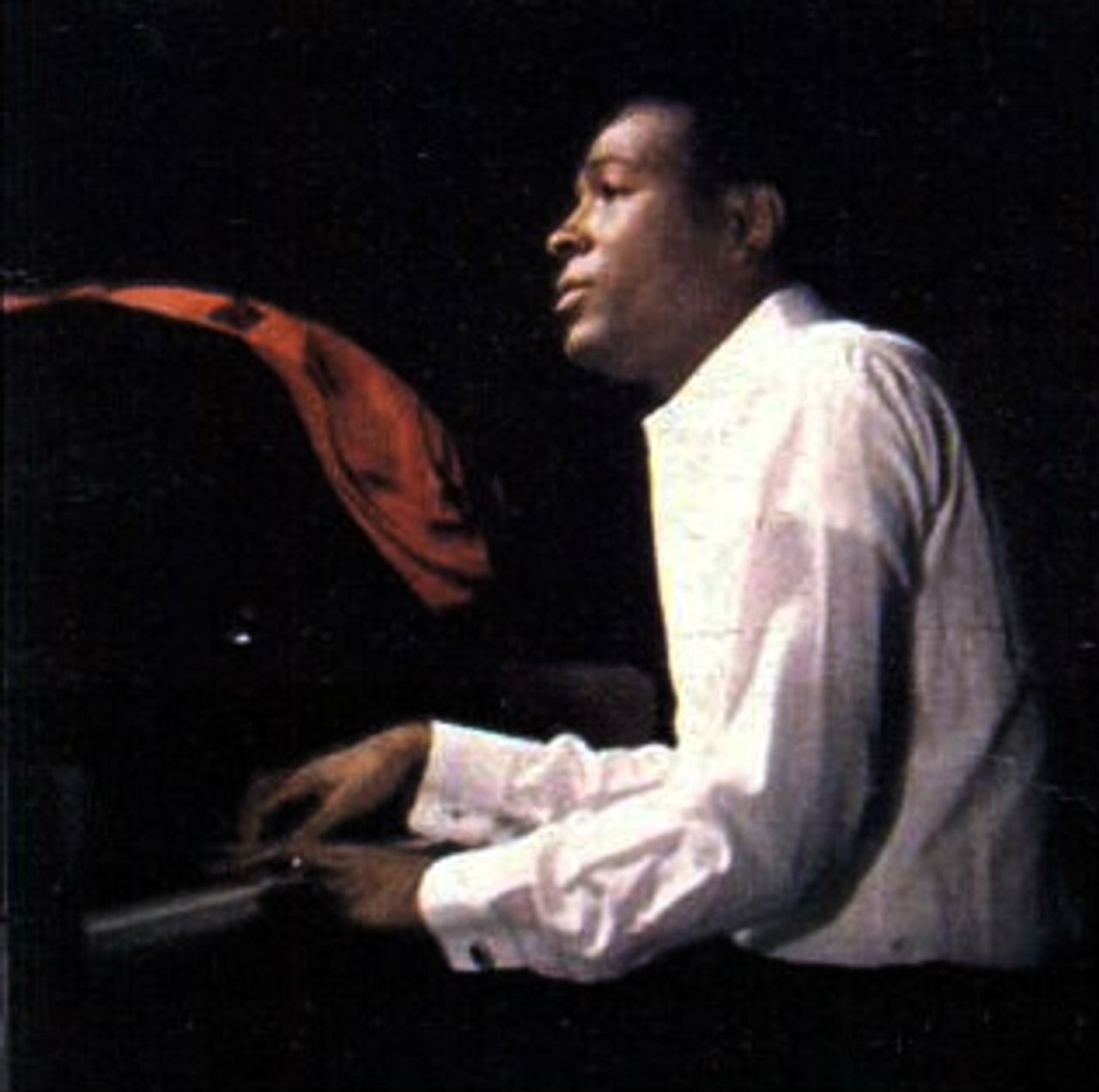
Quick Facts
- Artist: Marvin Gaye
- Song: “What’s Going On”
- Release year: 1971
- Album: What’s Going On
- Noted achievement: Best-selling album of Marvin Gaye’s career
- Commercial impact: Reached the top of the R&B and pop charts; album sold over two million copies and stayed on the charts for over a year
Image credits: Tamla / Wikimedia Commons / Public domain; Tamla / Wikimedia Commons / Public domain; Tamla Records / Wikimedia Commons / Public domain.