Marvin Gaye’s “What’s Going On”: The Soul Masterpiece That Changed His Career — and Motown
A song born from a fractured America
When Marvin Gaye released “What’s Going On” in January 1971, the United States was in turmoil. The Vietnam War raged on, cities were tense with the strain of racial injustice, and political distrust had become part of daily life. Into that atmosphere came a record that did not shout so much as ache: warm, questioning, wounded, and humane all at once.
The song’s origins are tied to Four Tops member Renaldo “Obie” Benson, who was shaken after witnessing police violence at an antiwar protest. That experience helped spark a composition that asked a simple but devastating question about the state of the nation. What made the finished recording extraordinary was Marvin Gaye’s ability to turn that question into something intimate. He sang not like a commentator observing events from a distance, but like a brother, neighbor, and veteran searching for compassion in a country losing its balance.
“Mother, mother / There’s too many of you crying.”
From romantic star to deeper artistic voice
Before “What’s Going On,” Marvin Gaye was already a major Motown star, celebrated for elegant love songs, duets, and a silky vocal style that could move from tenderness to urgency in a breath. But this single marked a turning point. It revealed an artist no longer content to stay within the expectations of hitmaking alone.
What changed was not simply the subject matter. Gaye’s performance carried a new emotional complexity, blending sorrow, faith, confusion, and resilience. He sounded conversational and almost prayerful, layering his voice in a way that made the record feel communal, as if one man were speaking for many. The result was a dramatic redefinition of his public identity: not just a gifted singer, but a serious artistic voice capable of confronting the moment.
Why the record sounded unlike anything else at Motown
Even among Motown’s remarkable run of singles, “What’s Going On” stood apart. Its groove was fluid rather than punchy, propelled by a supple rhythm that seemed to drift and sway while remaining deeply rooted. Jazz-inflected touches, rich orchestration, and the famous conversational atmosphere at the start gave the track an immediacy that felt both polished and spontaneous.
Just as important was its emotional tone. Motown had built an empire on precision, hookcraft, and crossover brilliance, but this record broadened the label’s vocabulary. It was sophisticated without losing accessibility, political without becoming didactic, and spiritually searching without sounding remote. Gaye and the musicians created a sonic world that invited listeners in rather than lecturing them, which helped explain why such a serious song could also become a major hit.
A struggle that changed Motown’s boundaries
The significance of “What’s Going On” lies not only in its sound but in what it represented inside Motown. The label had been famous for discipline, quality control, and a tightly managed approach to commercial success. Marvin Gaye’s insistence on releasing a socially conscious, artistically ambitious single tested those boundaries.
Its success helped prove that popular music could carry social commentary without sacrificing beauty or broad appeal. In that sense, the record did more than elevate Gaye’s career. It opened space within Motown for a different kind of artistic autonomy, one in which a major star could bring personal conviction and a wider social vision directly into the center of mainstream soul.
The power of a question, not a slogan
Part of the song’s lasting force comes from its restraint. “What’s Going On” does not offer easy answers or reduce a national crisis to a slogan. Instead, it speaks in the language of grief, empathy, and weary hope. Its appeal has endured because the question at its center remains painfully renewable across generations.
That openness is why the record still feels contemporary. Listeners hear not only the tensions of the early 1970s, but a timeless plea for understanding in divided times. The song’s genius is that it leaves room for multiple kinds of listening: as a political statement, as a spiritual meditation, as a family conversation, and as one of the most beautiful recordings in soul history.
The masterpiece that defined a legacy
Over time, “What’s Going On” came to be recognized as one of the defining achievements of Marvin Gaye’s career. It crystallized his gifts as singer, interpreter, and artist with a moral center, showing how deeply personal expression could meet public crisis. For many listeners, it remains the moment when Gaye’s talent reached a new level of purpose.
Its legacy also extends far beyond one performer or one label. The song stands as a reminder that mainstream music can be elegant and commercially powerful while still asking difficult questions. More than half a century later, “What’s Going On” endures because it transformed unrest into art without draining away the pain that inspired it. It remains, in every sense, a soul masterpiece.
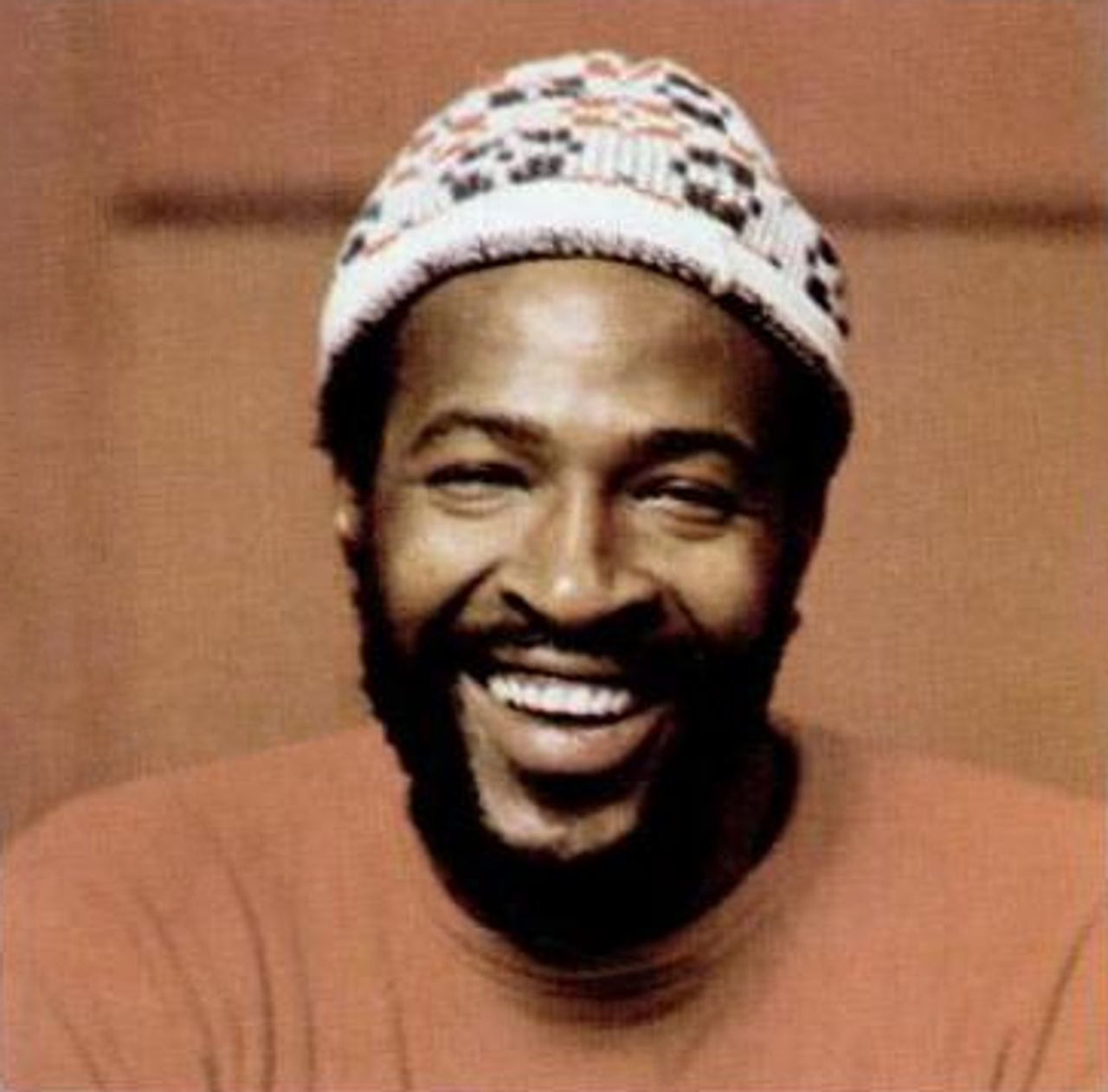
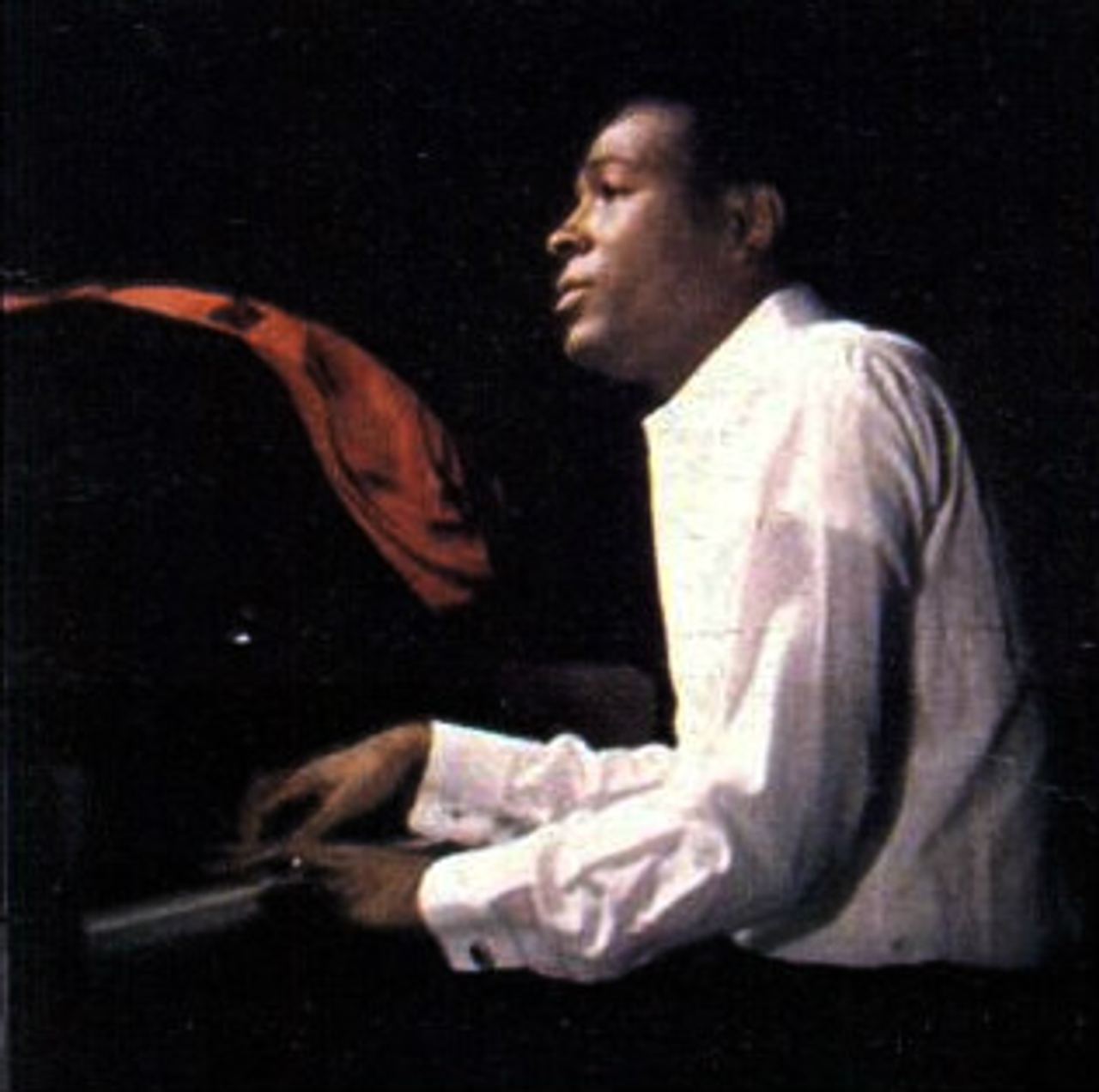
Quick Facts
- Song: “What’s Going On”
- Artist: Marvin Gaye
- Release: Single released in January 1971
- Origin: Inspired in part by Renaldo “Obie” Benson after witnessing police violence at an antiwar protest
- Themes: War, racial injustice, political unrest, compassion, social division
- Impact: Helped transform Marvin Gaye’s career and broaden Motown’s artistic boundaries
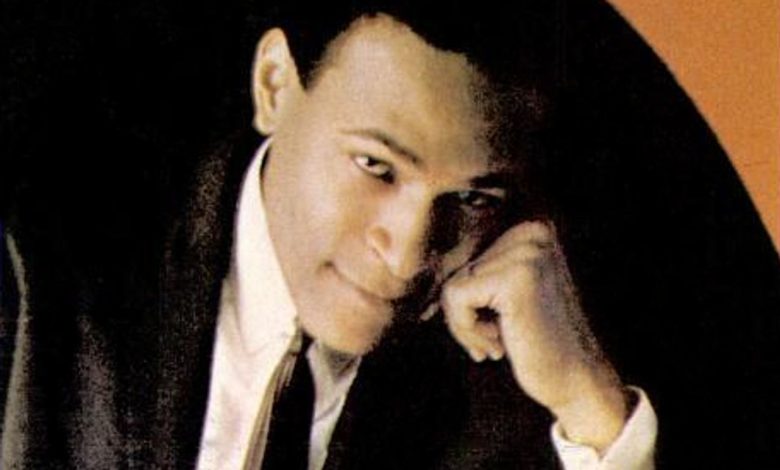
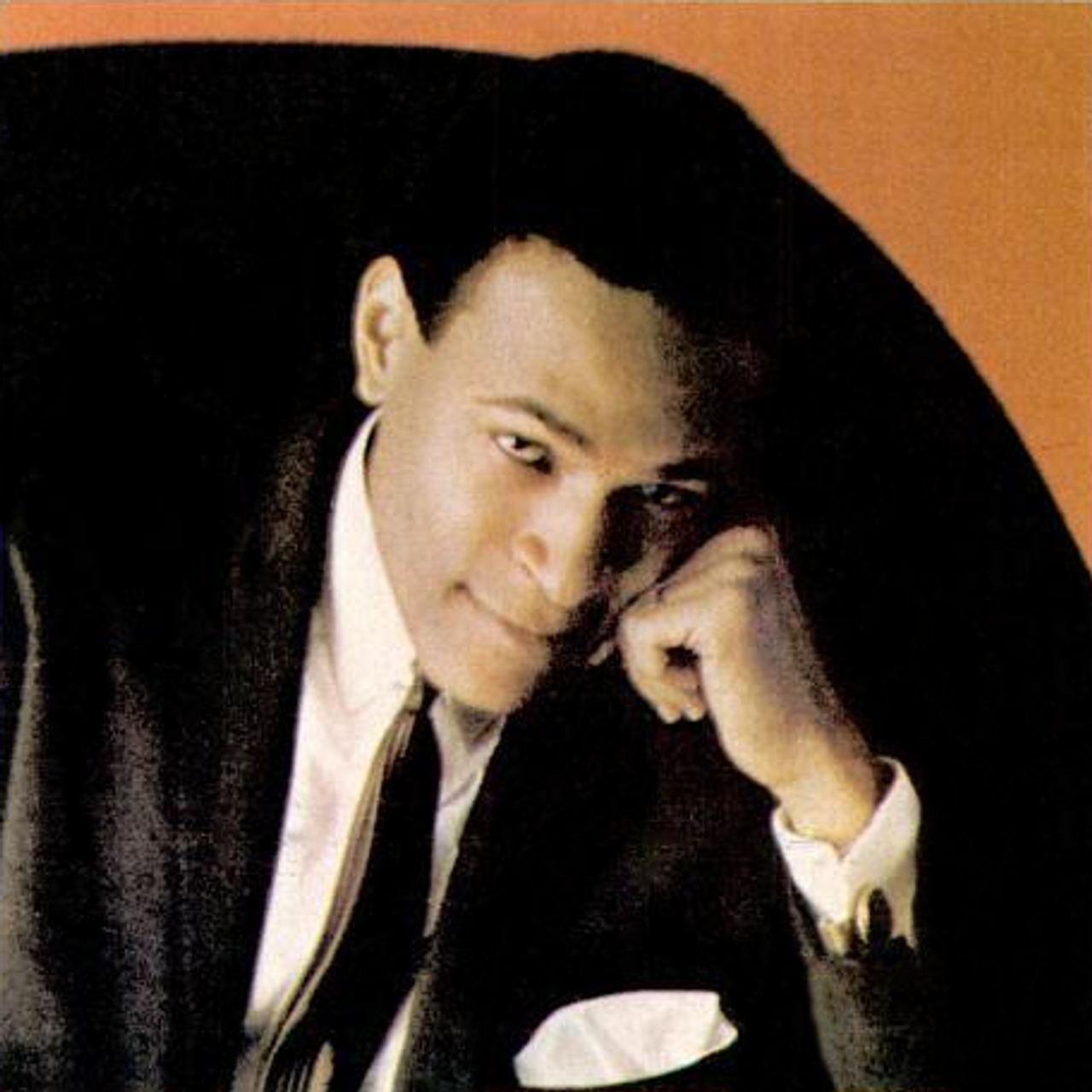
Image credits: Tamla / Wikimedia Commons / Public domain; Tamla / Wikimedia Commons / Public domain; Tamla Records / Wikimedia Commons / Public domain.