How Lee Marvin’s “Wandering Star” Became One of Pop’s Most Unlikely No. 1 Hits


An unlikely chart-topper in a changing pop era
By 1970, British pop was moving fast. Rock albums were growing more ambitious, studio production was becoming ever more refined, and the biggest names in music seemed to set the pace week after week. Then came a surprise from an altogether different corner of popular culture: Lee Marvin, the hard-bitten American film star, took “Wandering Star” to No. 1 on the UK Singles Chart.
paras
A song born in a Hollywood western
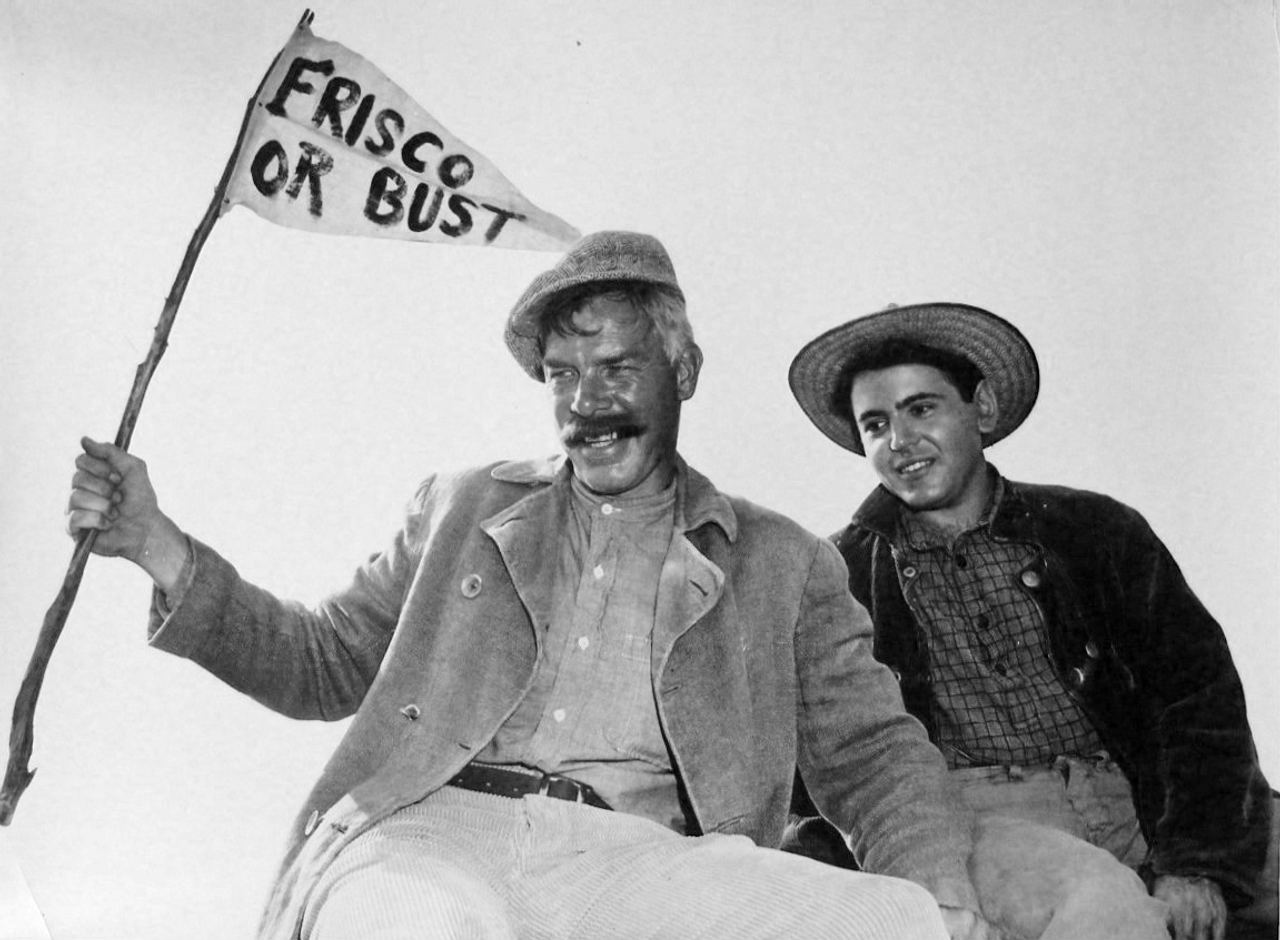
“Wandering Star” came from Paint Your Wagon, the big-screen musical western based on the stage show. The film itself was an unusual hybrid: part frontier spectacle, part musical, part star vehicle. Its songs carried the wide-open loneliness of the western myth, and none more so than “Wandering Star,” a slow, brooding lament about rootlessness and bad luck.
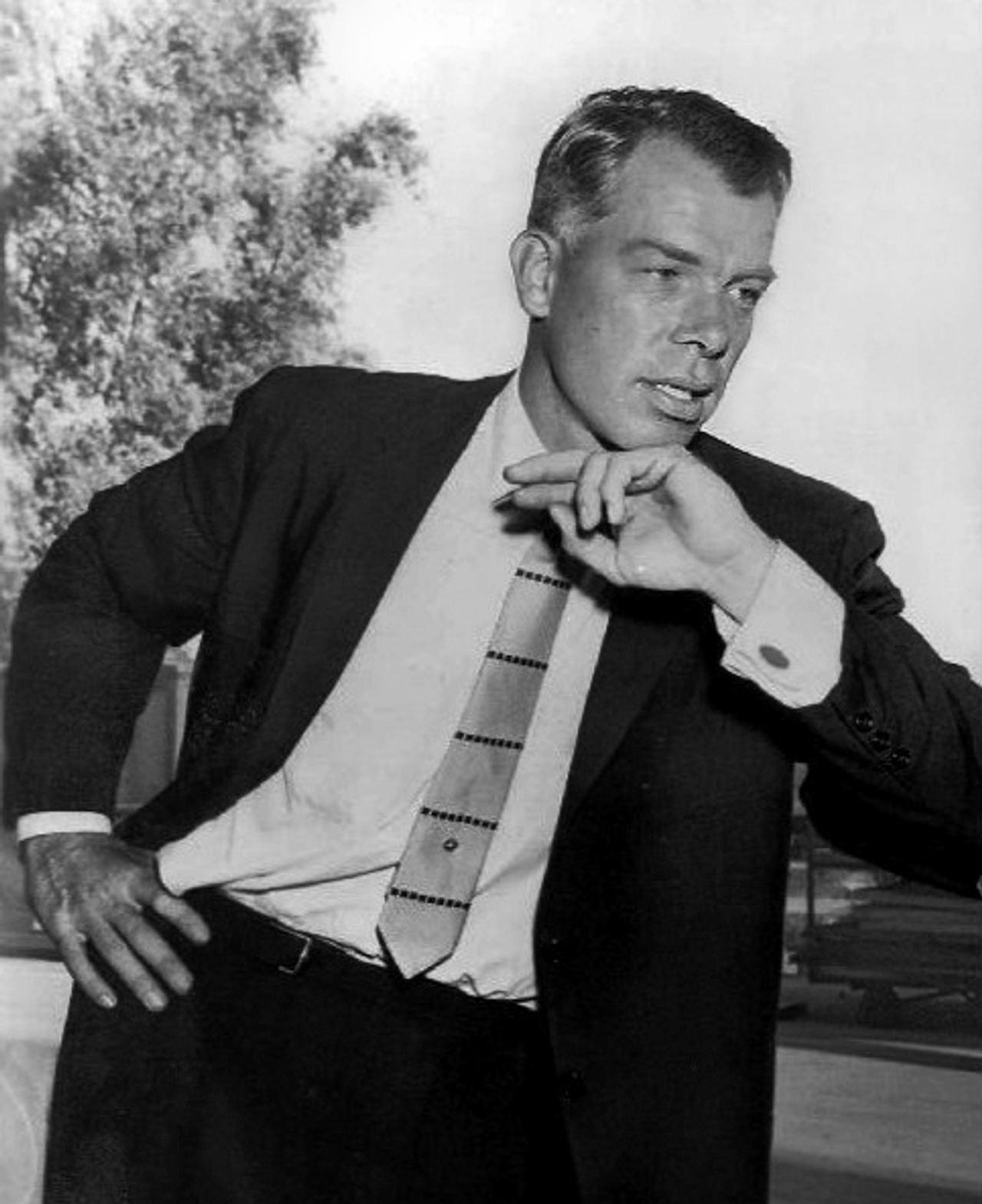
For Marvin, the number was a natural fit. He was not cast as a singer in the conventional sense; he was cast as Lee Marvin, bringing with him the weathered authority audiences already knew from war films, westerns, and tough-guy roles. In that context, “Wandering Star” did not need a smooth crooner. It needed a man who sounded as if he had spent years under open skies, with dust in his throat and regret in his bones.
What made the record work was not technical finesse but total believability.
Why the voice mattered more than technique
Marvin’s singing was famously untrained. He did not glide through the melody or decorate it with flourish. Instead, he leaned into the song’s plainness. His voice was low, cracked, and heavy, almost spoken in places, and that very roughness became the performance’s secret strength.
In another song, those limitations might have been fatal. Here, they felt inseparable from the material. “Wandering Star” is a song about drift, isolation, and a man seemingly marked by fate. A polished performance could easily have made it feel theatrical. Marvin’s version made it feel lived-in. Listeners did not hear a singer trying to impress them; they heard a character telling the truth as he knew it.
The shock of knocking “Let It Be” off the top
That the single reached No. 1 in the UK would have been surprising enough on its own. That it displaced The Beatles’ “Let It Be” made the feat instantly more memorable. The contrast between the two records was stark: one came from the most influential pop group of the era, the other from a Hollywood actor singing a somber western ballad in a voice that sounded almost defiantly unschooled.
Yet chart success has always depended on more than fashion alone. Novelty can help, but novelty by itself rarely explains why a record lasts in public memory. “Wandering Star” connected because it offered something distinct amid the ornate and the contemporary: a direct, unadorned performance with a strong narrative center. In the middle of a rapidly modernizing musical landscape, its old-fashioned plainness became an advantage rather than a weakness.
A mood of weariness, masculinity, and myth
Part of the record’s pull lay in its imagery. “Wandering Star” belongs to a long tradition of songs about restless men, hard country, and the uneasy romance of freedom. But Marvin’s reading undercut any easy glamour. His delivery suggested that wandering was less adventure than burden, less liberation than destiny. The performance carried exhaustion as much as bravado.
That tension gave the song unusual weight for a mainstream hit. It was cinematic, certainly, but it was also intimate in its own blunt way. Marvin made the frontier feel less like fantasy and more like an emotional condition: being unable to settle, unable to belong, and perhaps unable even to change. For listeners, that stripped-back honesty could be more affecting than virtuosity.
Why “Wandering Star” still stands out
More than half a century on, “Wandering Star” remains one of those chart stories that seems almost impossible until you hear the record. Then the logic becomes clearer. The appeal was never about range, elegance, or trendiness. It was about fit: song, singer, and persona locking together perfectly for three or four unforgettable minutes.
Its success also serves as a reminder that pop history is full of detours. Not every hit points forward; some cut across the grain. Lee Marvin’s triumph with “Wandering Star” did exactly that. In a moment dominated by sophisticated songwriting and evolving studio craft, he proved that a gravel voice, a strong story, and emotional truth could still stop the culture in its tracks.
Quick Facts
- Song: “Wandering Star”
- Performer: Lee Marvin
- Source: Paint Your Wagon
- UK chart achievement: Reached No. 1 in 1970
- Notable chart feat: Displaced The Beatles’ “Let It Be” from the top spot
- Signature quality: A gruff, untrained vocal delivery
Image credits: NBC Television Uploaded by We hope at en.wikipedia / Wikimedia Commons / Public domain; CBS / Wikimedia Commons / Public domain; NBC Television / Wikimedia Commons / Public domain.