A colonoscopy recording exposed the cruelty in the room
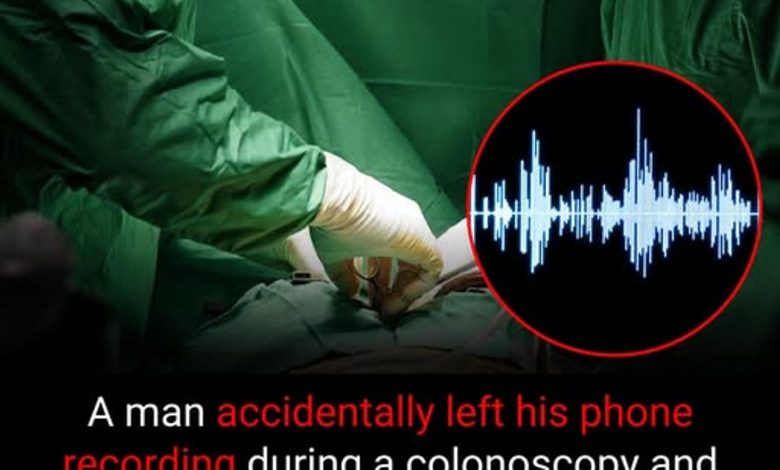
What began as an ordinary medical appointment in Reston, Virginia, turned into a case that would later echo far beyond the exam room. In April 2013, a man from Vienna identified in court records only as D.B. went in for a routine colonoscopy, the kind of procedure many patients try to get through with as little worry as possible. Wanting to remember the doctor’s instructions after the procedure, he did something simple and practical: he used his smartphone to record the conversation before it started.
He forgot to stop the recording before he was sedated. The phone kept capturing sound while he was unconscious, hidden in the flow of an otherwise ordinary day. D.B. had no reason to suspect anything was wrong as he left the medical facility and began the drive home. It was only then, listening back to the file, that he realized the recording had preserved something far more disturbing than discharge instructions.
Instead of reassurance, he heard ridicule. The audio captured anesthesiologist Dr. Tiffany Ingham and other medical staff mocking and insulting him during the procedure. According to the court record, Dr. Ingham said that after speaking with him before the operation, she wanted to punch him in the face. She also used insulting names. For a patient who had placed his trust in the room, the comments were not just unprofessional; they were deeply humiliating.
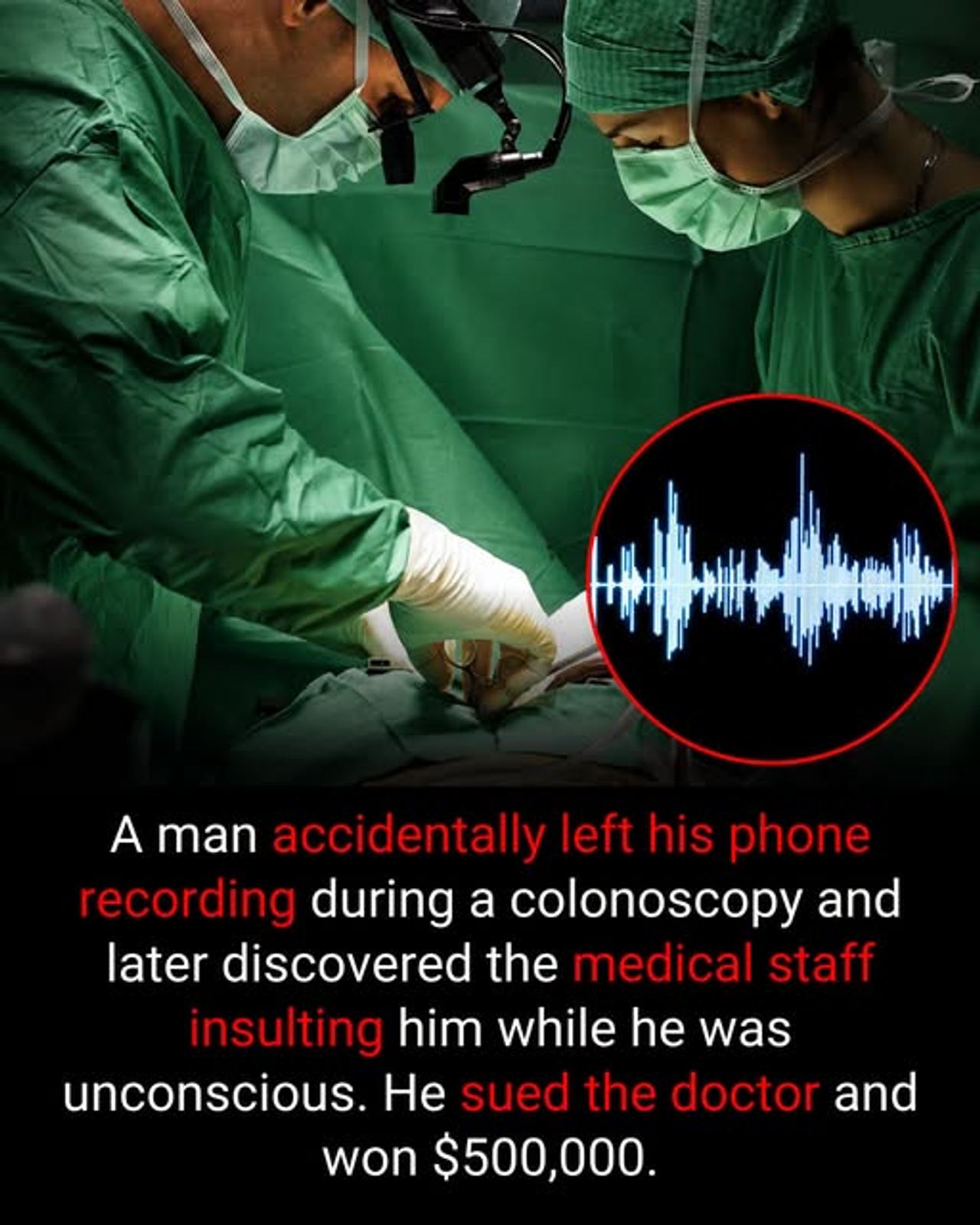
D.B. sued Dr. Ingham, her medical practice Aisthesis, and gastroenterologist Dr. Solomon Shah. Dr. Shah was later dismissed from the case, leaving the recording and the conduct it captured at the center of the legal fight. The question was not only what had been said, but whether the evidence could be used at all. In Virginia, a one-party consent state, the court determined that D.B. did not need Dr. Ingham’s permission to record the exchange, which meant the audio was allowed.
In June 2015, a Fairfax County jury reached a verdict that spoke plainly. D.B. was awarded $500,000 in total: $100,000 for defamation, $200,000 for medical malpractice, and $200,000 in punitive damages. Aisthesis was ordered to pay $50,000 of the punitive damages.
The case stood out because it revealed how a private moment inside a medical setting could become a public reckoning. Dr. Ingham later left the practice and reportedly moved to Florida. For D.B., the recording preserved more than a medical appointment. It exposed a breach of trust, and it showed how a voice meant for care can sometimes reveal the opposite.
Read more stories
- Bernie Kopell’s long voyage from rejected actor to TV favorite
- KSI Freaks Out as a Britain’s Got Talent Performance Pushes the Limits
- The McCoys’ “Hang On Sloopy” Rockets to No. 1 and Grows into Ohio’s Unofficial Anthem in 1965
- Jackie DeShannon’s Timeless Classic “What the World Needs Now Is Love” Still Uplifts and Inspires Generations