A Hidden Hero in Manila’s Darkest Days of War
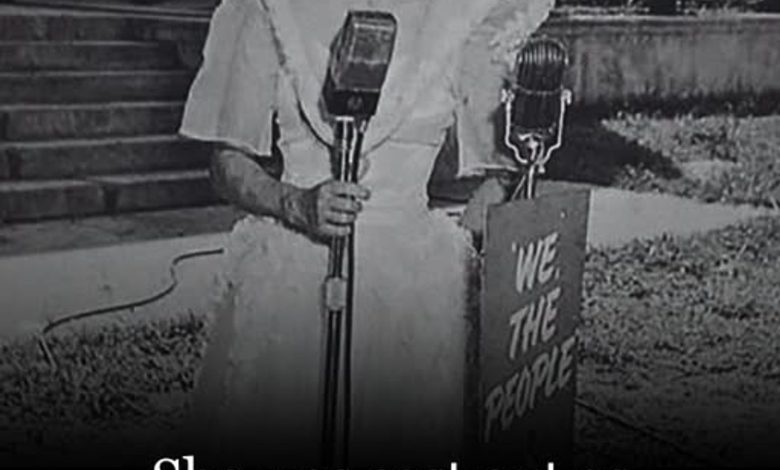
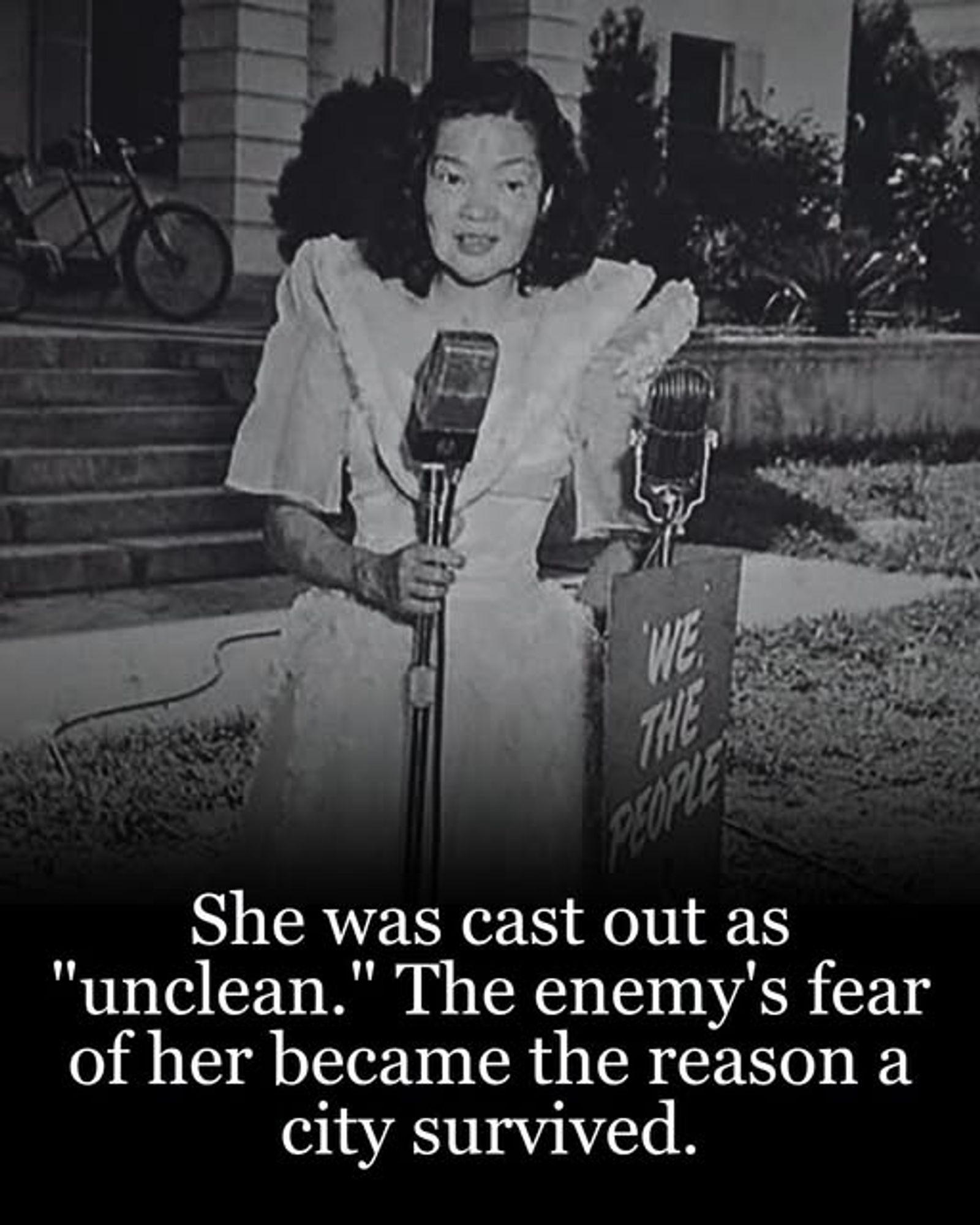
In the vibrant heart of Manila in 1941, Josefina Guerrero led what many would consider a typical life. She was a devoted wife and a loving mother to her two-year-old daughter, navigating the everyday rhythms of family life. But in an instant, her world shattered as a doctor delivered the devastating diagnosis: leprosy. The illness became not just a physical ailment but a shattering stigma. Her husband, unable to cope with the disease, walked away from their life together, and social customs snatched her daughter from her arms, marking her as ‘unclean.’ This label relegated her to a life of isolation, forcing her to ring a bell as she trudged through the streets, a haunting sound that echoed her newfound reality.
As the Japanese occupation tightened its grip on Manila, a peculiar shift began to unfold. Josefina found that the very thing that had marked her as an outcast had also rendered her invisible to the soldiers occupying her city. The Japanese troops, bound by their fears of contagion, avoided her like the plague, offering her a strange sort of protection. In a time when fear ruled the streets, Josefina embraced her invisibility as a powerful tool. She began to navigate the perilous landscape, carrying messages for the Filipino resistance, slipping through the cracks of a city marked by war and despair.
With each step she took, she transformed from a pariah into a clandestine hero. Josefina meticulously observed the Japanese fortifications and gun placements, her keen eye gathering vital intelligence that would ultimately contribute to a bombing raid on enemy positions along Manila Bay. The soldiers who feared her presence kept their distance, allowing her to operate with a freedom that many could only dream of amidst the chaos of conflict.
The pinnacle of her courage and resilience came in early 1945. With American troops poised to advance toward Manila, a treacherous road lay ahead, riddled with landmines that could obliterate an entire column of soldiers. The only detailed map of these deadly traps rested in her hands, and she understood the stakes. Determined to deliver the map to American headquarters over 30 miles away, she set off into the unknown territory, where danger lurked at every turn.
Josefina’s journey was fraught with peril. She traversed a landscape teeming with enemy soldiers, dodged skirmishes, and even navigated a river while eluding river pirates. Despite the fatigue and the relentless headaches brought on by her illness, she pushed forward with an unwavering spirit. After what felt like an eternity of walking, she finally arrived at a town only to discover that the Americans had moved on. Refusing to yield to exhaustion, she pressed on, her heart filled with a fierce determination. Ultimately, she found the American forces and delivered the crucial map that would alter the course of their advance.
Her bravery bore fruit; the advance on Manila continued, leading to the city’s liberation in early March 1945. Josefina’s story did not end with the war. In 1948, her remarkable service was recognized when she was awarded the Medal of Freedom with Silver Palm, becoming the first foreign national with leprosy allowed to enter the United States. Through her trials and triumphs, Josefina Guerrero emerged not just as a survivor but as a beacon of hope, a testament to the strength of the human spirit even in the darkest of times.