A Song Too Dangerous for Its Time: How Billie Holiday Turned “Strange Fruit” Into One of Music’s Most Haunting Protest Recordings
The song that refused to soothe
Some songs slip easily into the culture, carried by melody, romance, or escapism. “Strange Fruit” did the opposite. From its opening image, it confronts the listener with terror made plain: Black bodies hanging from Southern trees, rendered in language so poetic and so brutal that the effect is almost unbearable.
That refusal to comfort is precisely what gives the song its enduring force. Long before protest music became an established category, “Strange Fruit” exposed racial violence not as an abstraction, but as a public ritual the country preferred not to face. It did not ask for distance. It demanded witness.
“Strange Fruit” does not merely remember history; it stages a reckoning with it.
Abel Meeropol’s poem of outrage
The lyrics began as a poem by Abel Meeropol, a Jewish teacher from the Bronx who wrote under the name Lewis Allan. Deeply shaken by photographs of a lynching, he channeled his horror into verses that replaced euphemism with searing metaphor. The “fruit” in the song is not symbolic in any soft or decorative sense; it is an accusation.
Meeropol later set the poem to music, and the piece circulated before reaching Billie Holiday. Its origins matter. This was not a Tin Pan Alley confection or a studio-manufactured statement. It came from moral revulsion, from one man’s inability to look away from racist atrocity and then pretend it belonged to some distant, untouchable past.
Why Billie Holiday was the artist who could carry it
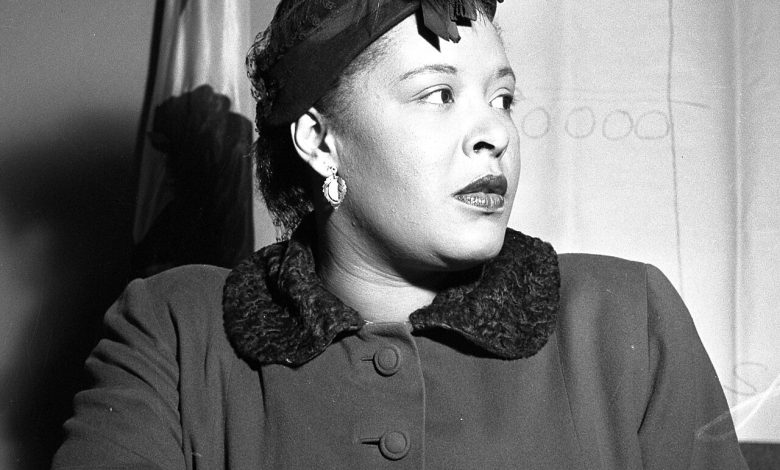
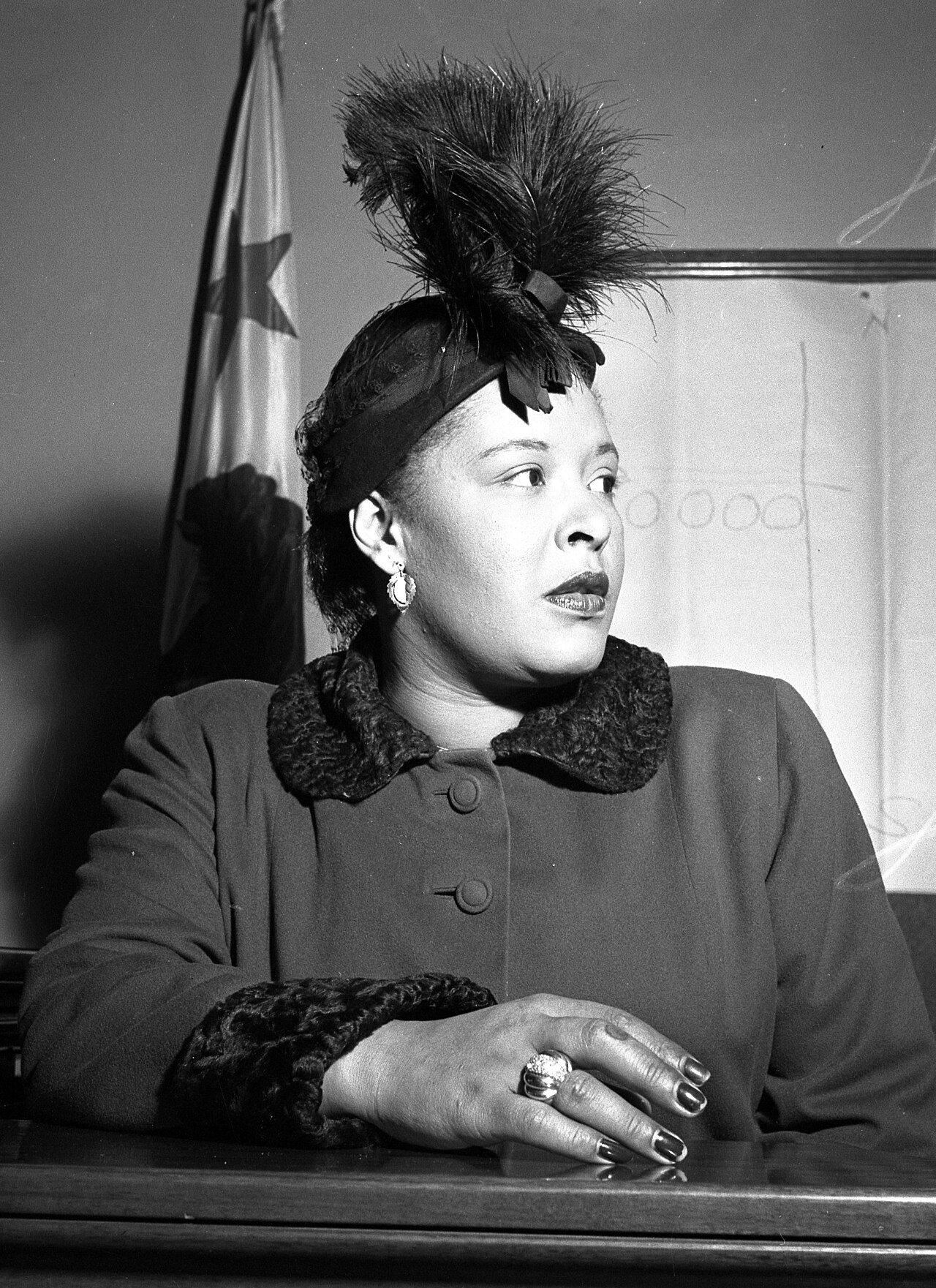
Billie Holiday did not write “Strange Fruit,” but she gave it a body, a pulse, and a human cost. Her singing style was already unlike anyone else’s: intimate, behind the beat, emotionally exact without theatrical excess. She could make a line sound bruised, weary, or devastatingly calm, and that control made the song more frightening than any shouted declaration might have.
When Holiday performed it, the song ceased to be simply a poem about racial terror and became a live act of confrontation. Her voice did not sentimentalize the lyrics. It let them hang in the air. That restraint is part of the recording’s power. She sounds as if she understands that any embellishment would only weaken the truth.
A nightclub performance turned into ritual
The song became closely associated with Holiday’s appearances at Café Society, the New York nightclub remembered for presenting integrated audiences and politically conscious material. There, “Strange Fruit” was not treated like just another number in a set. It was staged with gravity, often presented at the end of the evening in conditions designed to focus the room’s attention entirely on the performance.
That theatrical framing helped turn the song into an event. Audiences were denied the usual distractions of nightlife and pushed instead toward silence, unease, and reflection. In a culture skilled at converting pain into entertainment, that mattered. The performance insisted that this was not background music. It was testimony.
Why the recording felt dangerous
To call “Strange Fruit” controversial is almost too mild. The song named, in unmistakable imagery, a system of racial murder that many institutions tolerated, minimized, or refused to discuss openly. For a Black woman to sing it publicly in that era was itself an act of risk. The danger was not only commercial. It was social and political.
Its power lies partly in how little it softens. There is no redemptive ending, no promise that justice is just around the corner, no lyrical release. Instead, the listener is left with contrast: pastoral Southern imagery poisoned by blood and death. That contrast makes the song feel modern even now, because it exposes how beauty, myth, and violence can coexist inside a national story.
The legacy of a protest recording that still unsettles
Decades later, “Strange Fruit” remains one of the defining examples of protest music because it never sounds safe. Many songs with political themes are absorbed into nostalgia over time; this one resists easy domestication. Even listeners who know its history can feel newly jolted by its imagery and by Holiday’s cool, haunted delivery.
Its influence stretches beyond jazz, beyond the nightclub, beyond its original moment. It set a standard for what protest art could do when it rejected slogan and chose precision instead. More than a historical artifact, “Strange Fruit” survives as a moral document: a song that asks whether a nation can truly hear the truth about itself and still keep listening.
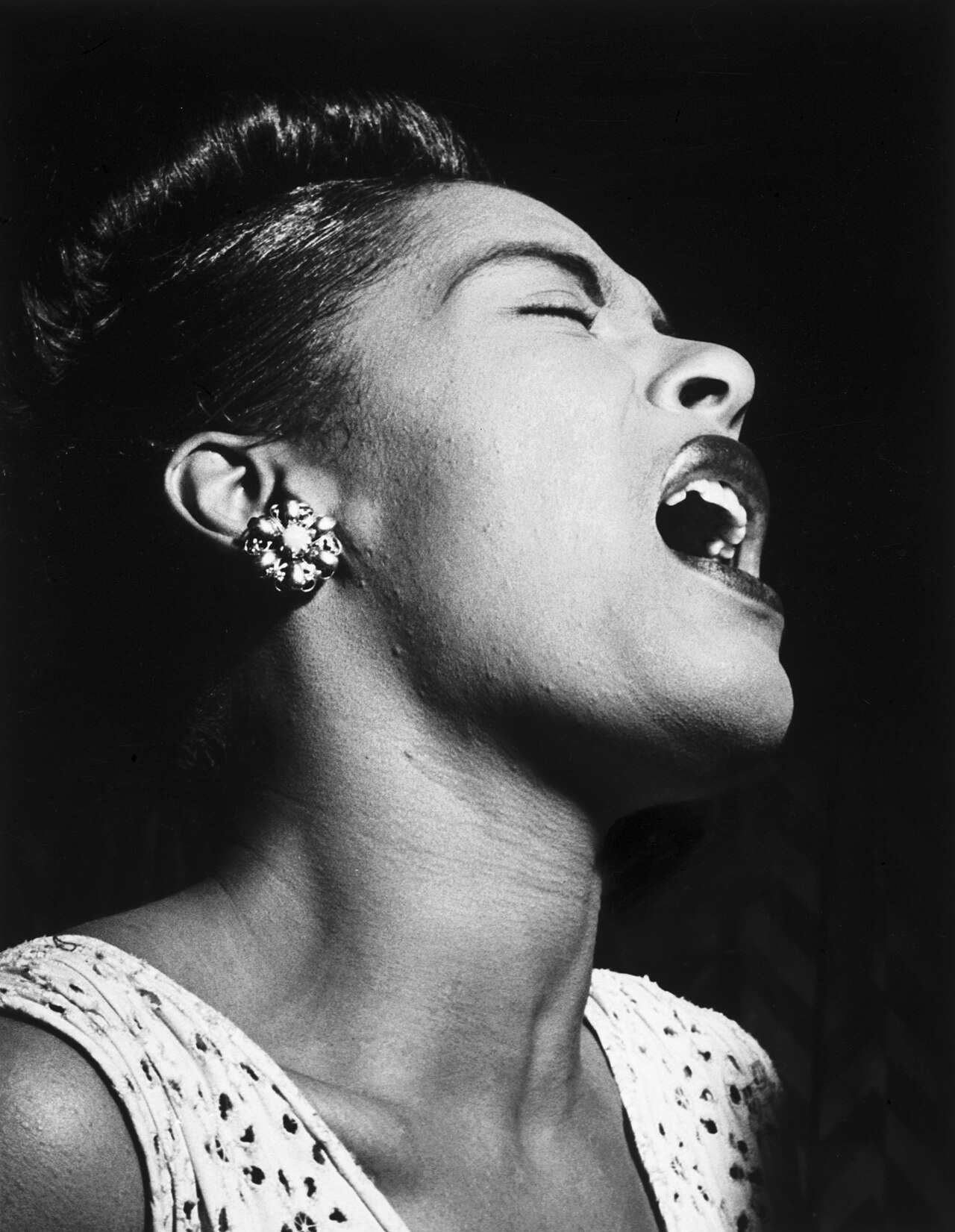

Quick Facts
- Song: “Strange Fruit”
- Performer most associated with it: Billie Holiday
- Lyricist: Abel Meeropol
- Meeropol’s pen name: Lewis Allan
- Central subject: Racist lynching in the United States
- Known early performance venue: Café Society in New York
Image credits: Los Angeles Daily News / Wikimedia Commons / CC BY 4.0; William P. Gottlieb / Wikimedia Commons / Public domain; William P. Gottlieb / Wikimedia Commons / Public domain.