At sixteen, Miranda Lambert burst into tears in a Nashville recording studio and turned her back on the music business before her career had even begun.
Just two weeks after starting a teenage job at a department store in East Texas, Miranda Lambert took one look at her $120 paycheck and told her father she could make more than that in a single evening singing in bars.
By the age of seventeen, she was already earning between $300 and $500 per show as the lead singer of her own band, Texas Pride, while also fronting the house band at the Reo Palm Isle in Longview, the legendary dance hall where Elvis Presley had once performed and where Brooks & Dunn first got their footing.
That education in barrooms came immediately after an early letdown in Tennessee. In 2000, after performing at the Johnnie High Country Music Revue in Arlington, sixteen-year-old Lambert traveled to Music City for professional demo sessions. Her parents, Rick and Beverly Lambert, had lost their home to bankruptcy during the 1990s while operating a private investigation business, and they pieced together what little savings they had to get her there.
When Nashville producers put glossy pop-country songs in front of her that sounded nothing like the Merle Haggard, Guy Clark, and Emmylou Harris records she had grown up listening to in her father’s truck, she started crying in the studio. Rick gathered their things and drove her back home to Lindale.
Determined never again to let industry executives choose her songs for her, Lambert asked her father, a former undercover narcotics officer in Dallas and a guitarist, to teach her how to play. Beginning with simple G, C, and D chords in the living room, she wrote her first song that very day and kept practicing in her bedroom until the steel strings raised blisters on her fingertips.
Just one month into her senior year at Lindale High School, she signed up for a self-paced Operation Graduation program, completed all of her remaining coursework in ten days, and left so she could work the Texas circuit full-time. Since she was still underage, Beverly went with her as both legal guardian and early manager, setting up CD tables in smoke-filled honky-tonks.
When local radio DJs began requesting copies of her music, the family pulled together $2,000 to record a ten-song, self-titled independent album in a day and a half. Released in 2001, the record featured early originals such as “Somebody Else,” “Lyin’ Here,” and “Texas as Hell,” and it placed two singles on the regional Texas charts.
In late 2002, a family friend phoned Beverly about auditions for a new USA Network television competition called Nashville Star. At first, Lambert wanted no part of a reality show.
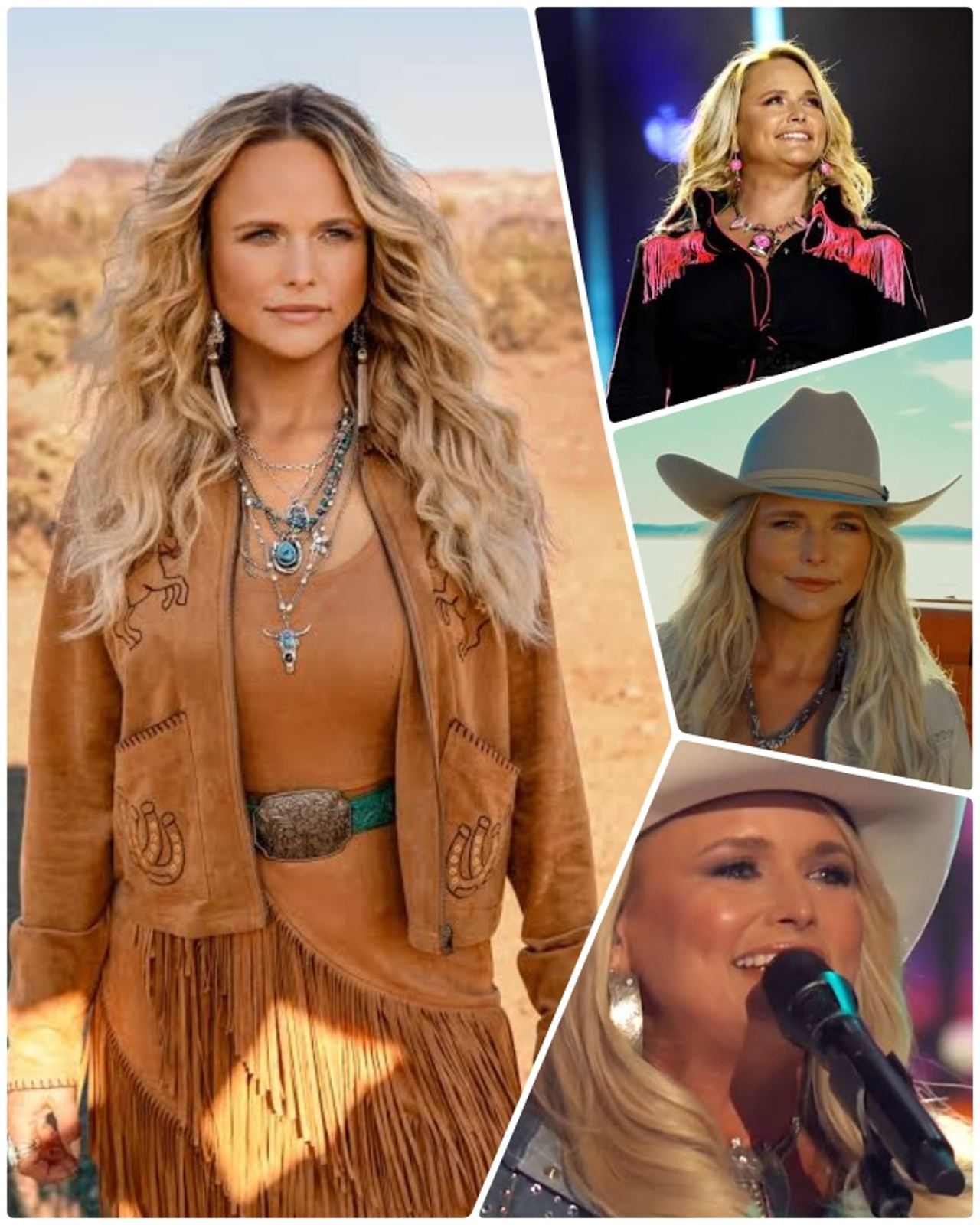
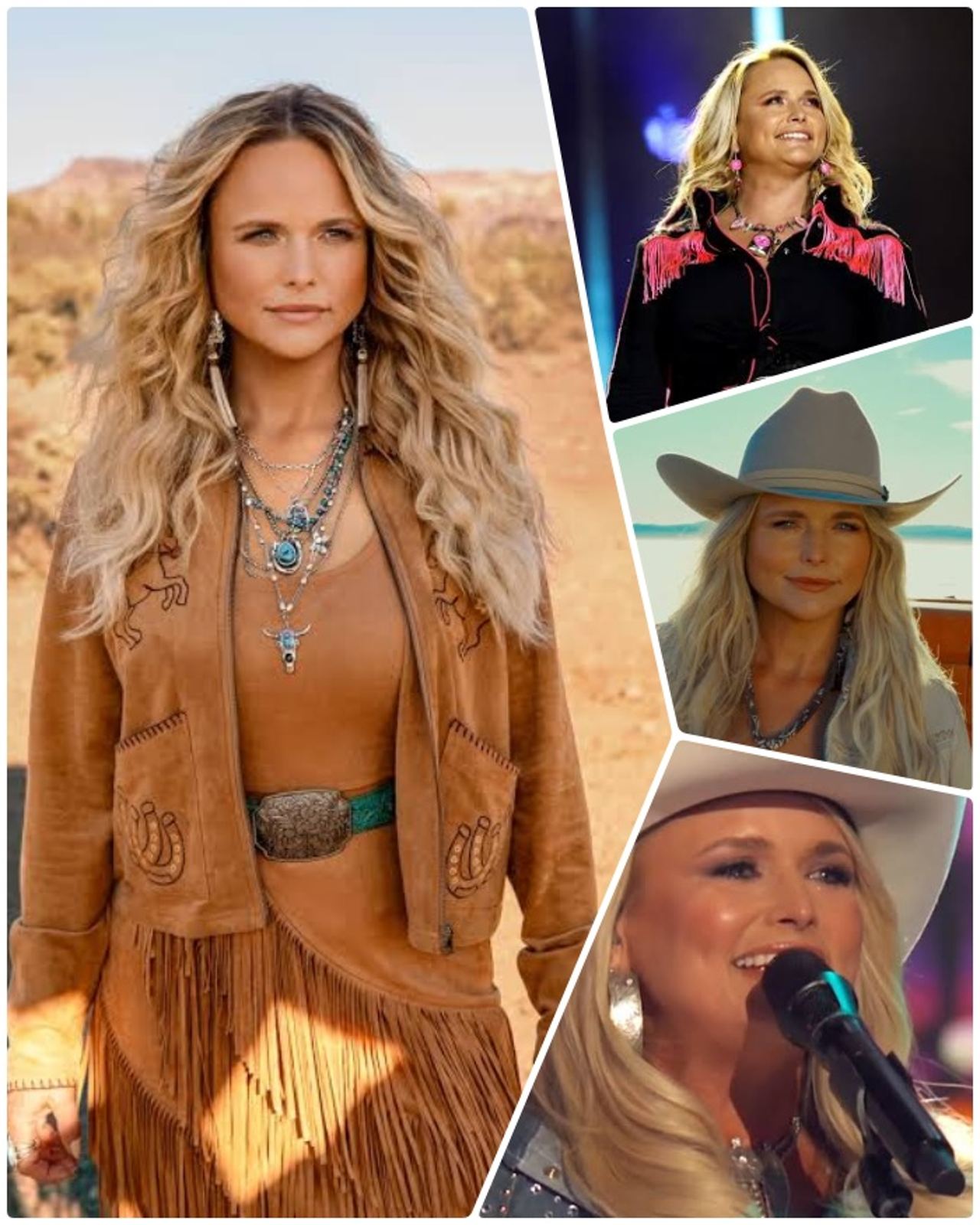
When she eventually auditioned in Dallas with 250 other hopefuls, she sang Shania Twain’s “You’re Still the One” and did not even make the top thirty. Realizing she had made the same old mistake of singing against her own style, she drove to the Houston regional audition, performed Patsy Cline’s “Crazy” along with “Lyin’ Here” and “Somebody Else,” and took first place.
Back in Tennessee for the nine-week broadcast in the spring of 2003, nineteen-year-old Lambert stood onstage with her guitar and performed originals including “Greyhound Bound for Nowhere,” which she had written with her father. Behind the scenes, she quietly hoped she would not finish in first place, fearing the winner’s contract would require her to record outside material.
She came in third behind Buddy Jewell and John Arthur Martinez, but she caught the attention of show judge and Sony Music executive Tracy Gershon. During label meetings, Rick and Beverly conducted what Gershon described as a reverse interview, pressing executives on how they intended to handle their daughter’s songwriting.
After a leadership shake-up at Sony brought in new label head John Grady and executive Mark Wright, Gershon flew them directly to Texas to see Lambert command an actual bar crowd. Just before taking the stage, Lambert leaned over and told Gershon they were about to witness something they had never seen on television.
Grady signed her on September 15, 2003, with the understanding that she could write her own material. Her 2005 major-label debut, Kerosene, entered the Billboard country chart at number one, with eleven of its twelve tracks written or co-written by the young woman who had once walked out of a Nashville studio in tears and gone home to learn three chords.