Bill Medley Heard the Demo and Knew It Was Special — Then “You’ve Lost That Lovin’ Feelin’” Became a Soul Classic
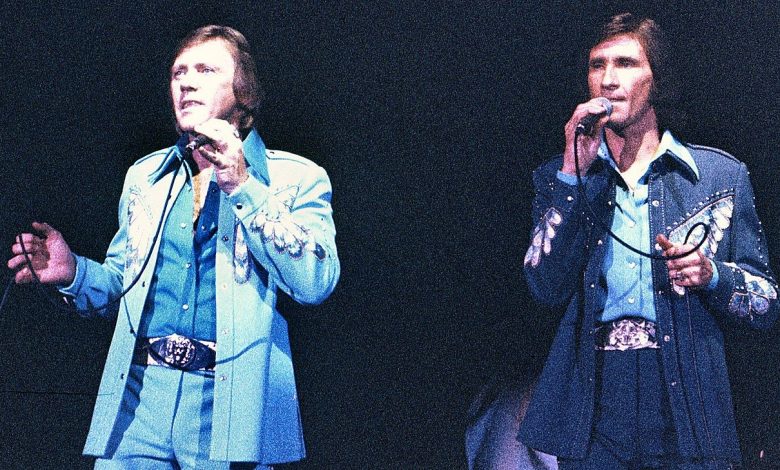
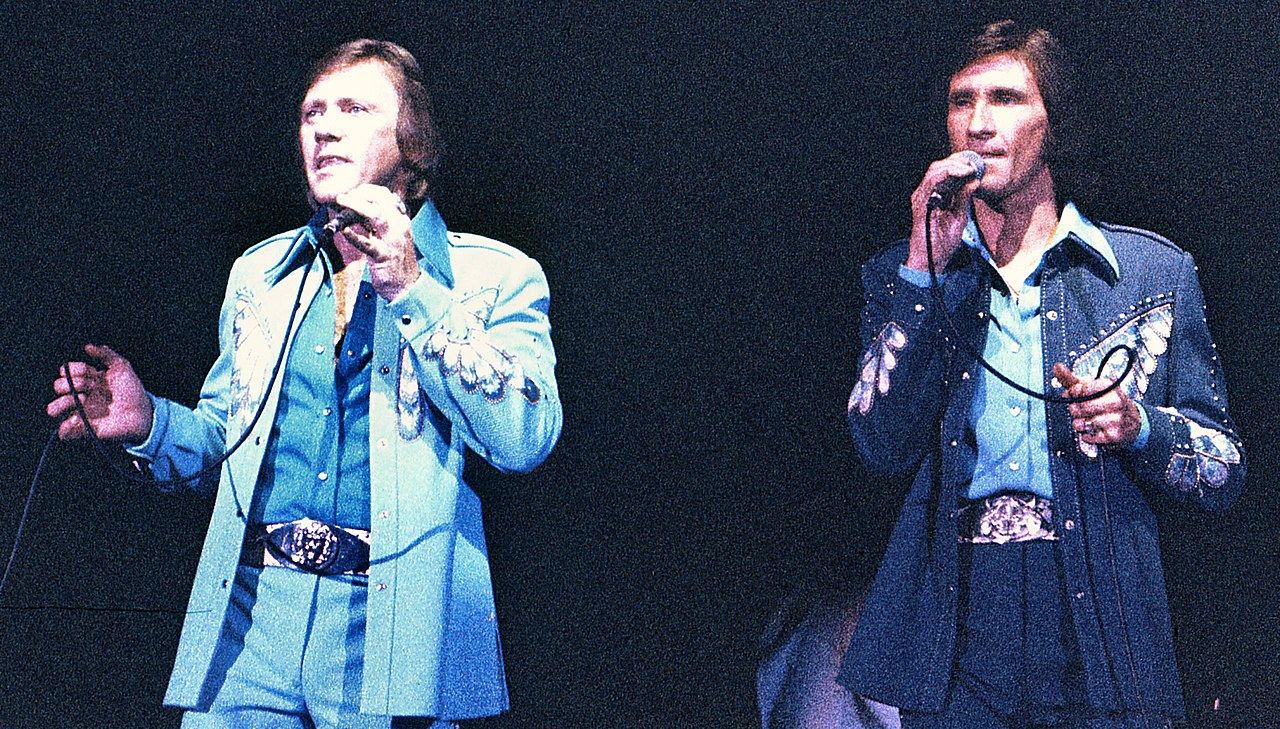
A song tailored to two unmistakable voices
By 1964, the Righteous Brothers were no longer just promising newcomers. Bill Medley and Bobby Hatfield had already developed a signature built on contrast: Medley’s dark, grounded baritone against Hatfield’s open, high-flying tenor. It was a combination that could sound intimate one moment and overwhelming the next, and it gave the duo a dramatic edge that set them apart from other vocal acts of the era.
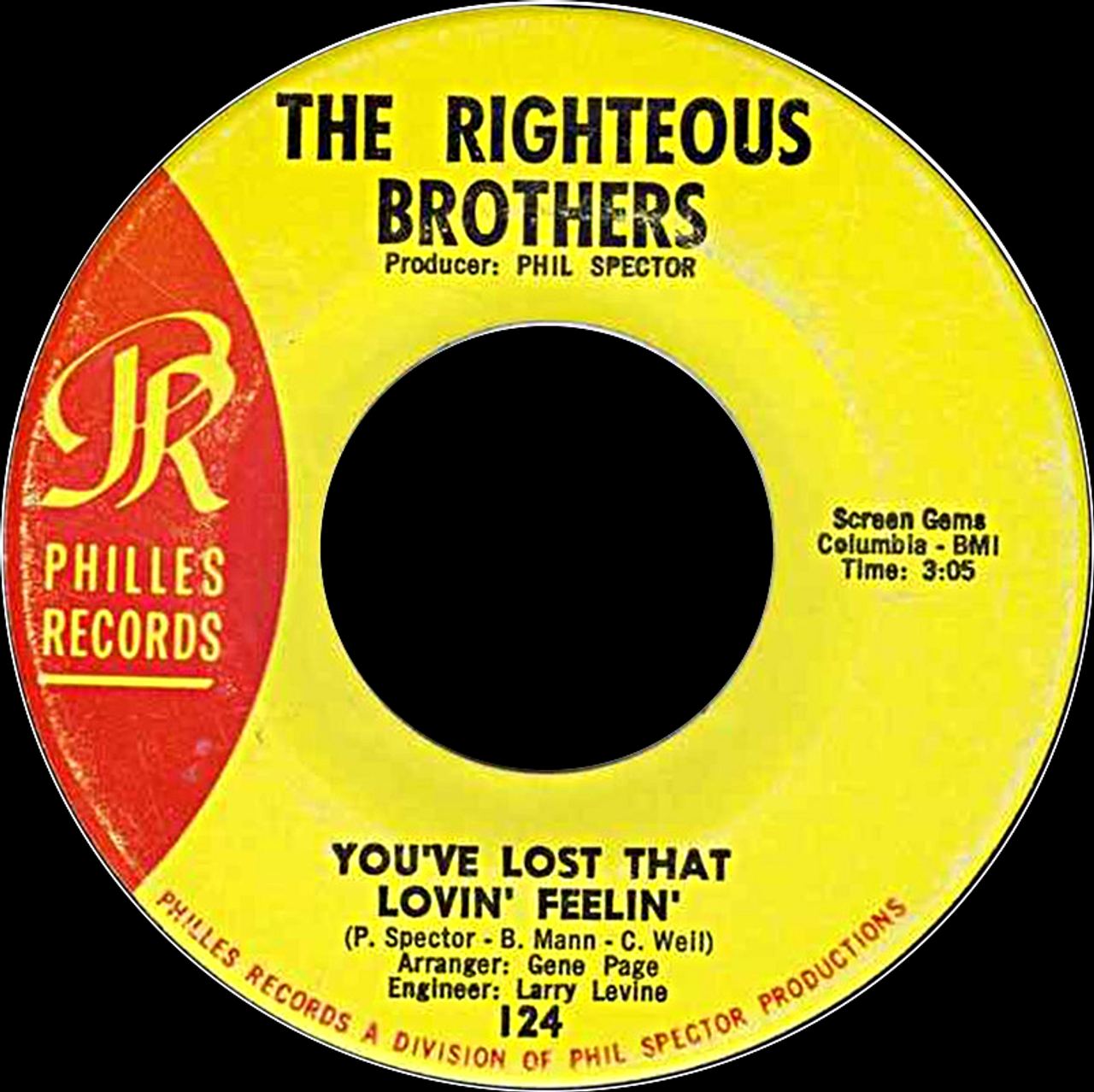
When producer Phil Spector brought them a new composition by Barry Mann and Cynthia Weil, the fit was immediate. “You’ve Lost That Lovin’ Feelin’” was not simply another strong song; it was designed to exploit exactly what made the pair special. The writing leaned into tension and release, with Medley’s voice drawing the listener in before Hatfield raised the emotional temperature, turning private doubt into full-scale anguish.
Bill Medley’s opening changed the mood of the record
The record’s first moments remain among the most recognizable in pop and soul-adjacent music: Bill Medley begins in a low, nearly conversational register, sounding less like a polished pop singer than a man trying to hold himself together while saying something painful. That entrance gives the song its gravity. Instead of rushing toward melodrama, it starts with suspicion, fatigue, and hurt.
That choice mattered. Medley’s baritone does more than introduce the lyric; it establishes the emotional stakes. When Bobby Hatfield enters, the shift feels earned. His tenor does not replace Medley’s mood so much as intensify it, lifting the performance from brooding resignation into pleading desperation. The structure lets listeners feel the relationship cracking in real time.
The genius of the performance is in the handoff: Medley sounds like the moment love turns uncertain, and Hatfield sounds like the fear of losing it completely.
Phil Spector wrapped heartbreak in grandeur
Spector’s production gave the song its monumental scale. Known for the dense, echoing approach often called the Wall of Sound, he surrounded the lead vocals with layers of instruments that made the recording feel both intimate and enormous. On “You’ve Lost That Lovin’ Feelin’,” that technique turned a troubled conversation into a kind of emotional weather system.
Yet the production works because it never overwhelms the central drama. The swelling arrangement amplifies the singers’ contrast instead of obscuring it. Medley’s low lead stays anchored at the center, while Hatfield’s higher lines cut through the orchestral mass like flashes of exposed feeling. The result is a recording that feels meticulously built but emotionally raw.
A heartbreak song with unusual dramatic shape
Part of the song’s endurance comes from its storytelling. Many love songs announce their pain immediately and stay there. “You’ve Lost That Lovin’ Feelin’” unfolds more carefully. It begins with observation and unease, as if the singer is trying to confirm what he already suspects, then slowly escalates into direct confrontation and open pleading.
That arc mirrors the experience of a relationship slipping away. The listener hears distance before hearing despair. Medley’s restraint makes Hatfield’s surges more powerful, and the whole record gains momentum from that design. It is a master class in vocal arrangement: two singers inhabiting different emotional registers while serving the same story.
Why the record became a soul classic
Although the Righteous Brothers were often placed in the pop world, “You’ve Lost That Lovin’ Feelin’” carried a depth of feeling and vocal intensity that helped it transcend categories. Its emotional directness, call-and-response dynamic, and gospel-inflected rise from quiet confession to near-testimony gave it a soul power that listeners instantly understood.
The song also captured something timeless: the terror of sensing love disappear before it is actually gone. That fear, delivered through two radically different but perfectly matched voices, made the record feel personal even at its most grandiose. It was big enough for radio, but close enough to feel like a private wound.
The performance that defines the Righteous Brothers’ legacy
For Bill Medley, the song remains inseparable from the qualities that made the Righteous Brothers exceptional. His instinct on hearing the demo—that it was special—was borne out in the performance itself. The arrangement trusted his low voice to carry the opening, a bold move in an era when many hit records aimed immediately for brightness and lift. Instead, darkness and weight became the hook.
Alongside Hatfield, Medley helped create a record that still stands as the duo’s most famous showcase. It distilled their appeal into a few unforgettable minutes: vulnerability, force, dramatic pacing, and the thrilling contrast between two singers who could sound utterly different yet emotionally inseparable. That is why “You’ve Lost That Lovin’ Feelin’” still lands with such force: it does not merely describe heartbreak, it stages it.
Quick Facts
- Song: “You’ve Lost That Lovin’ Feelin’”
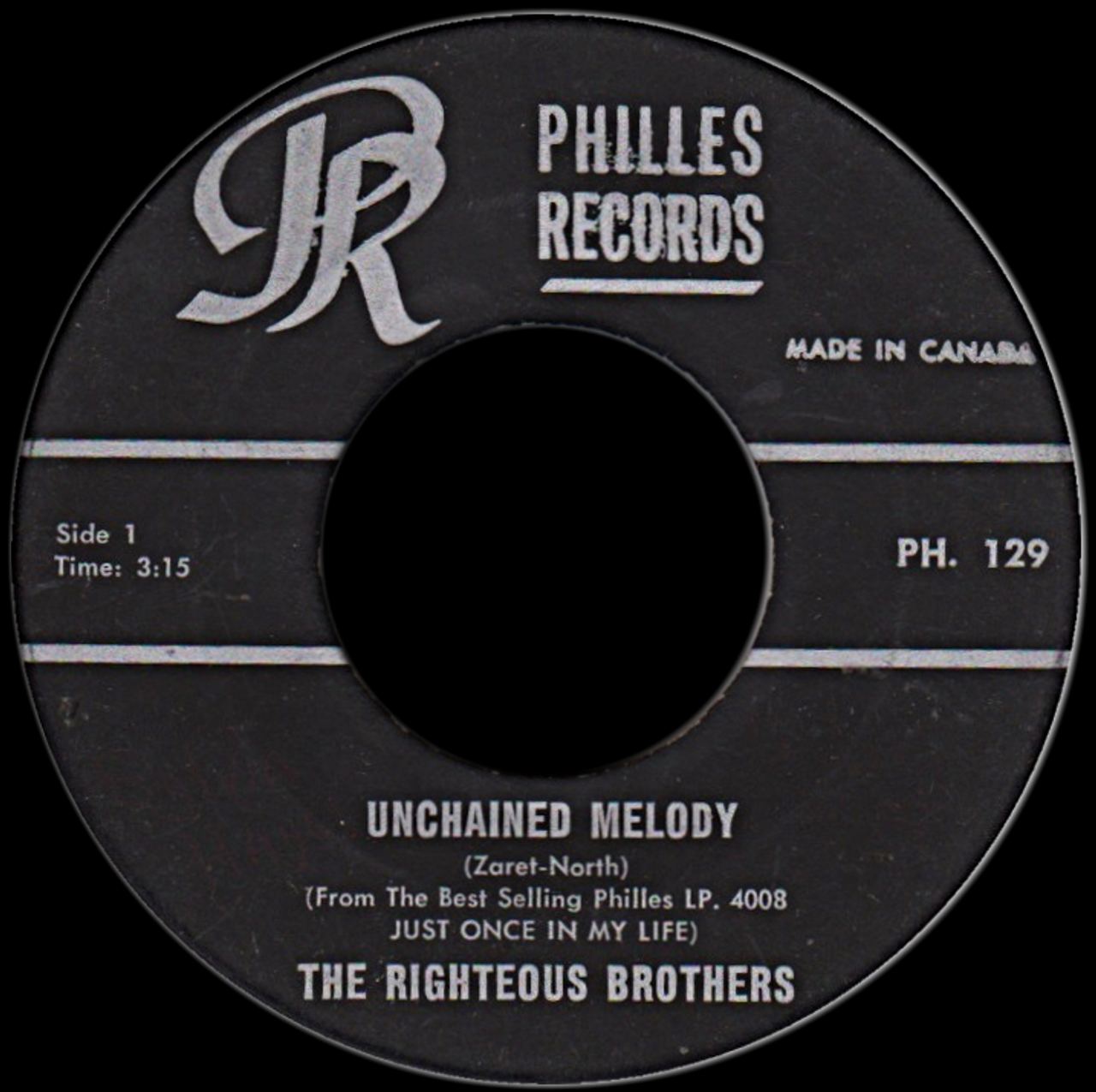
- Artists: The Righteous Brothers
- Key vocal contrast: Bill Medley’s baritone and Bobby Hatfield’s tenor
- Songwriters: Barry Mann and Cynthia Weil
- Producer: Phil Spector
- Era in article: 1964
Image credits: Author unknown; Photo courtesy Orange County Archives / Wikimedia Commons / No restrictions; Philles Records / Wikimedia Commons / Public domain; Philles Records / Wikimedia Commons / Public domain.