Carter Stanley and “Man of Constant Sorrow”: The Old Mountain Song the Stanley Brothers Helped Carry Into Bluegrass History
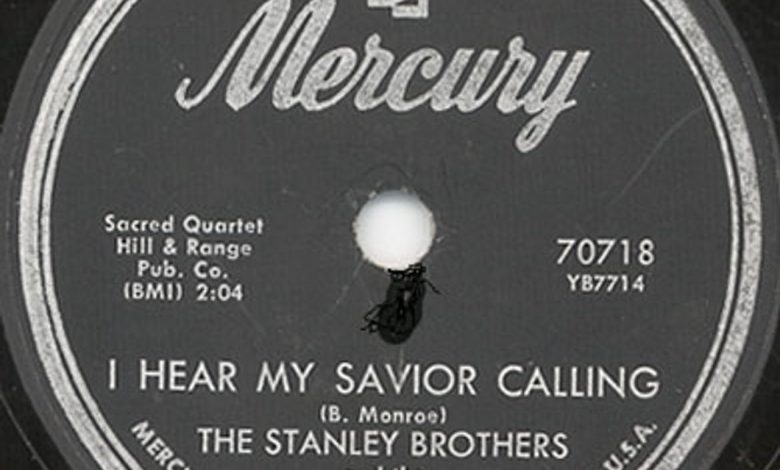
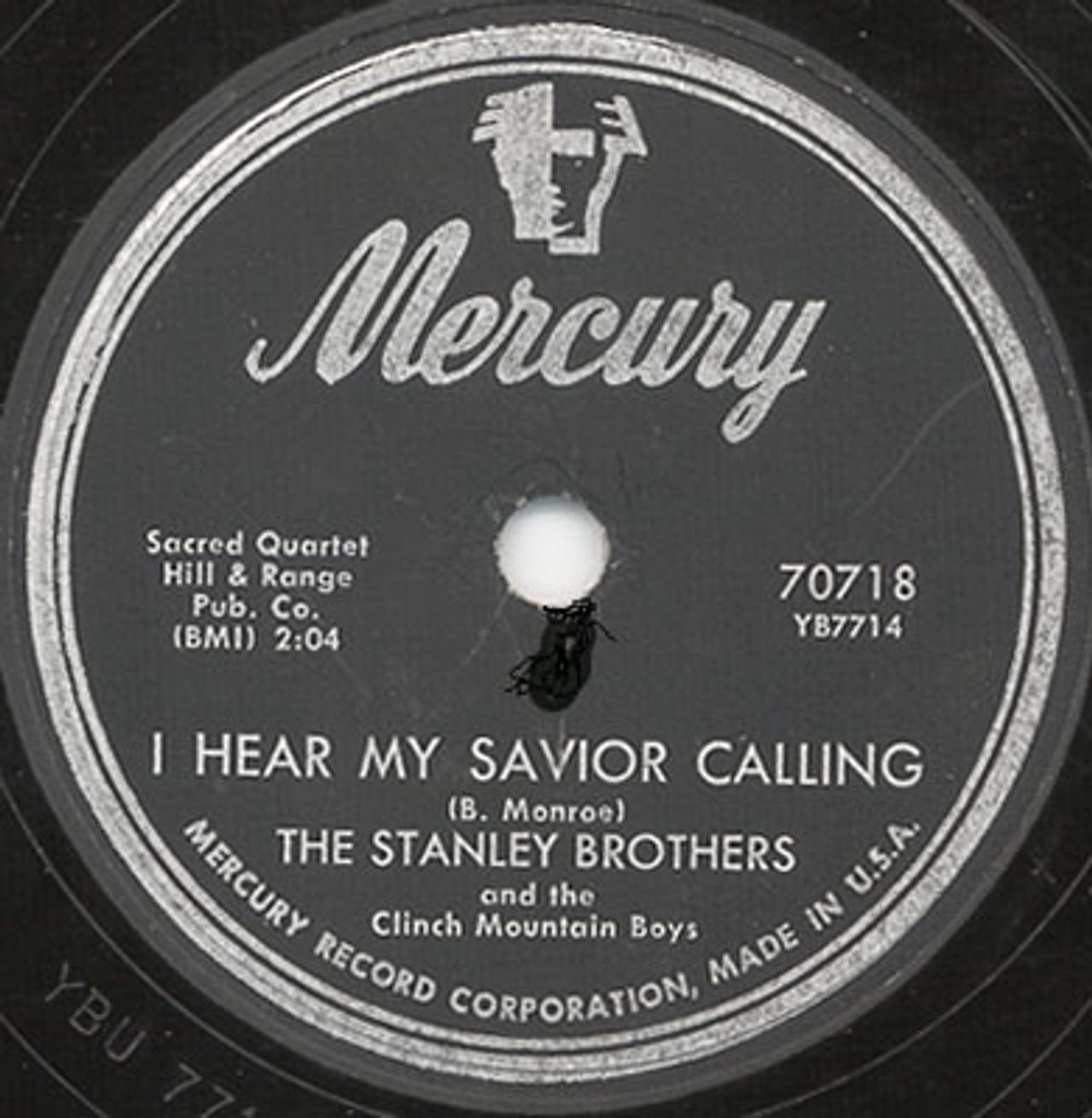
An old song with a long mountain shadow
Few songs in the Appalachian canon feel as weathered and durable as “Man of Constant Sorrow.” Its power lies in its plainness: a first-person lament, spare and sorrowful, carrying the sound of hardship without ornament. Long before it became widely recognized beyond mountain music circles, it moved through oral tradition and early print culture as one of those songs that seemed to belong everywhere and nowhere at once.
By the time the Stanley Brothers brought it into their repertoire, the song already carried the feel of something inherited rather than newly written. That matters to its history. “Man of Constant Sorrow” did not arrive in bluegrass as a polished modern composition; it came in as an older mountain song, the kind of material that could be reshaped by voice, timing and accompaniment without losing its haunted center.
Why Carter Stanley’s name stays attached to it
Carter Stanley remains closely associated with “Man of Constant Sorrow” because he was central to the Stanley Brothers’ sound and to the way the duo framed old material for a postwar audience. His singing, songwriting and instinct for repertoire helped define the group’s identity. When listeners and writers trace the song’s place in bluegrass history, Carter’s name naturally appears because the Stanley Brothers helped turn a traditional lament into a signature performance piece within the genre.
But one clarification is essential. On the Stanley Brothers’ famous 1950 Columbia recording of “I’m a Man of Constant Sorrow,” the lead vocal was sung by Ralph Stanley, not Carter. That detail is more than a footnote. Ralph’s high, piercing delivery is one of the reasons the recording sounds so indelible, and any accurate retelling of the song’s journey has to acknowledge his lead role on that track.
On the Stanley Brothers’ 1950 Columbia recording, the lead vocal on “I’m a Man of Constant Sorrow” was sung by Ralph Stanley.
The Stanley Brothers’ 1950 recording as a turning point
What made the 1950 recording so important was not that it invented the song, but that it translated it. The Stanley Brothers presented “Man of Constant Sorrow” in a form that connected older mountain repertoire to the emerging bluegrass language of close duet harmony, string-band drive and emotional directness. Their version did not smooth away the song’s age; it gave that age a sharper edge.
That made the record a crucial link. It stood between an older Appalachian folk inheritance and a newer commercial bluegrass sound developing in the years after World War II. In that sense, the recording belongs to a pivotal moment in American roots music, when songs passed down through local traditions were being recast for radio, records and touring acts without entirely severing their older roots.
Ralph’s lead, Carter’s presence, and the Stanley sound
The Stanley Brothers’ genius often lay in the tension between individual voices and shared identity. Ralph Stanley’s lead on “I’m a Man of Constant Sorrow” gives the performance its keen, lonesome profile, while Carter Stanley’s presence is felt in the arrangement, the brother-duet sensibility and the larger emotional world the group created. Together, they made old songs feel intimate and archetypal at the same time.
That blend helps explain why the recording endured. The performance is not flashy. It does not depend on novelty. Instead, it offers a stripped, deeply felt reading in which the ache of the lyric is carried by timbre and phrasing. In bluegrass history, those are often the recordings that last longest: not the most elaborate ones, but the ones that sound as if they have always existed.
From bluegrass standard to folk revival touchstone
The afterlife of “Man of Constant Sorrow” owes much to the way the Stanley Brothers positioned it for later listeners. Their recording became part of the pathway by which older Appalachian material reached revival-minded singers, collectors and audiences outside the mountains. As interest in traditional American music widened, the song was ready to travel because artists like the Stanleys had already carried it into a recorded, recognizable form.
That is why the 1950 version matters beyond bluegrass alone. It helped preserve not just a lyric and melody, but a mood and a style of delivery. The folk revival would embrace songs like this precisely because they seemed to offer an unvarnished connection to older American experience. The Stanley Brothers did not create that authenticity, but they helped transmit it.
A song bigger than any one version
Today, “Man of Constant Sorrow” can seem almost too familiar, a standard so embedded in American roots music that its path into prominence gets blurred. Looking back at the Stanley Brothers’ role restores that sense of motion. Their recording was neither the beginning nor the end of the story. It was the hinge: a moment when an old mountain lament entered bluegrass history in a form strong enough to echo far beyond its original setting.
And within that story, accuracy matters. Carter Stanley’s connection to the song is real and significant, but so is the fact that Ralph Stanley sang lead on the best-known Stanley Brothers recording. Together, the brothers helped carry “Man of Constant Sorrow” forward. Their version remains a reminder that traditional music survives not by standing still, but by passing through distinct voices that know how to honor what came before while making it newly unforgettable.


Quick Facts
- Song: “I’m a Man of Constant Sorrow”
- Key act: The Stanley Brothers
- Important recording: 1950 Columbia recording
- Lead vocal on that recording: Ralph Stanley
- Carter Stanley’s significance: Closely associated with the arrangement, repertoire and the Stanley Brothers’ enduring version
- Historical importance: A bridge between older Appalachian folk tradition, postwar bluegrass and the later folk revival
Image credits: author is unknown / Wikimedia Commons / Public domain; The Stanley Brothers / Wikimedia Commons / Public domain; A. Brothers (photographer) / Wikimedia Commons / Public domain.