Elvis Presley’s ‘Don’t Be Cruel’: The 1956 No. 1 Smash That Helped Define His Breakthrough Year
A record that arrived at exactly the right moment
In 1956, Elvis Presley was no longer just a rising Southern singer with a startling voice and a rebellious image. He was becoming a national event. Television appearances, headline-making performances and a rapid run of hit records pushed him into the center of American popular culture, where every new release felt like a test of how big rock and roll could become.
“Don’t Be Cruel” landed in that atmosphere and immediately sounded sure of itself. It was punchy without being chaotic, playful without losing its edge, and polished enough to work on mainstream radio while still carrying the loose, physical energy that made Elvis so exciting. The song helped define his breakthrough year because it condensed so much of what audiences were responding to: swagger, rhythm, charm and a sense that pop music had suddenly started moving differently.
“Don’t Be Cruel” sounds effortless, but its ease is part of its genius: the record glides, swings and snaps all at once.
Otis Blackwell’s songwriting spark
At the heart of the song was Otis Blackwell, one of the great architects of early rock and roll. Blackwell had a gift for writing songs that were compact, catchy and built around irresistible rhythmic hooks. His demos were famously strong, and “Don’t Be Cruel” already had the bones of a hit before Elvis ever touched it.
What made Blackwell’s writing so valuable in the 1950s was its flexibility. His songs could be dressed up for different singers, but they always carried a strong internal pulse. “Don’t Be Cruel” had exactly that quality: a lyric simple enough to feel immediate, and a melodic structure that left room for a performer with real personality. Elvis did not need to overpower the song. He needed to slip into it, and that turned out to be the perfect match.
The RCA session in New York
When Elvis recorded for RCA in New York, the label was trying to capture lightning in a bottle without smoothing away what made him distinctive. The studio environment was more formal than the rougher spaces associated with his earliest work, but that polish could also sharpen his strengths. “Don’t Be Cruel” benefited from that balance. The recording is tidy and controlled, yet it never feels stiff.
The arrangement is one reason the record lasts. Instead of leaning on sheer volume or novelty, it builds momentum through groove. The beat is crisp, the backing parts are economical, and the vocal phrasing stays front and center. The performance feels conversational, almost tossed off, but underneath it is a highly disciplined pop construction. That tension between looseness and precision is what gives the track its staying power.
Why Elvis sounds so natural on it
Elvis Presley’s great gift was not simply vocal power. It was instinct. On “Don’t Be Cruel,” he understands that the song does not need grandstanding. He rides the rhythm with relaxed confidence, nudging lines forward, leaning into the beat and letting the melody bounce rather than belting it flat. The result is seductive and friendly at the same time.
That rhythmic ease mattered enormously in 1956. Early rock and roll was often described in terms of shock or scandal, but records like this reveal something subtler. Elvis was translating Black musical styles and country inflections into a form that reached an enormous crossover audience, and he did it through feel as much as sound. “Don’t Be Cruel” is not just catchy; it is bodily music. You can hear why listeners wanted to move to it.
The biggest-selling single of his career
For all its musical finesse, “Don’t Be Cruel” was also a commercial juggernaut. It became the biggest-selling single record of Elvis Presley’s career, a remarkable achievement given the scale of his fame and the number of era-defining songs that followed. That fact alone helps explain why the record still looms so large in any discussion of his catalog.
Its success also showed that Elvis could thrive beyond the initial burst of controversy that made him famous. He was not only a phenomenon of headlines and television appearances; he was a record-making machine capable of delivering songs with lasting popular appeal. “Don’t Be Cruel” was central to that transformation. It helped turn a sensational new star into a dominant recording artist.
A defining early rock and roll hit
Listening now, “Don’t Be Cruel” still feels foundational because it captures rock and roll before the style hardened into cliché. The song is lean, mobile and emotionally direct. It has the teenage urgency that powered the genre’s first wave, but it also has the craft of great pop. That combination is why it continues to sound alive rather than merely historic.
The record remains one of the defining hits of Elvis’s early career because it shows him at a crucial intersection: commercially explosive, artistically agile and fully in command of the medium of the three-minute single. In 1956, that mattered more than almost anything. “Don’t Be Cruel” was not just another hit in a breakthrough year. It was one of the records that made the year feel like a turning point in American music.
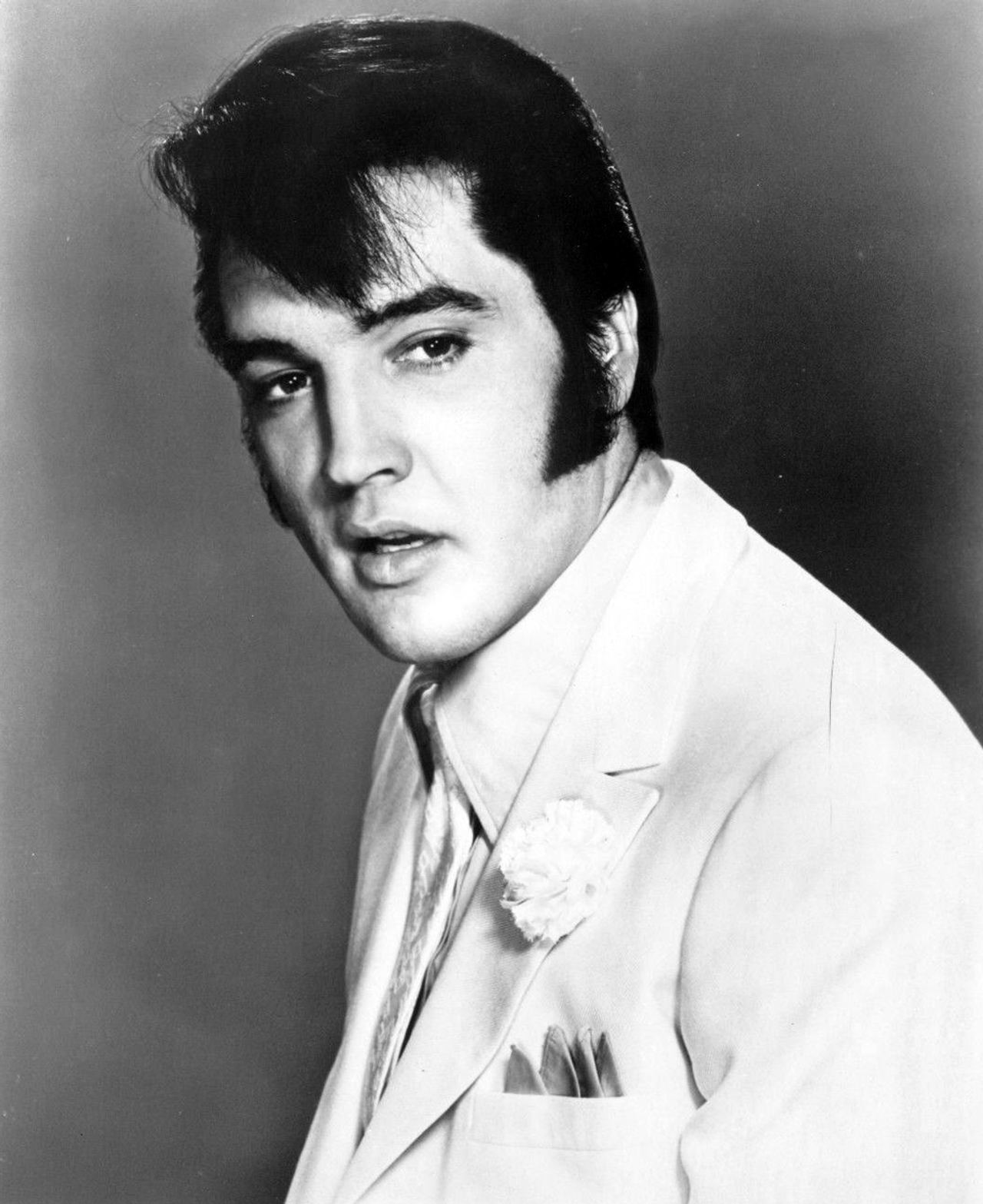
Quick Facts
- Song: “Don’t Be Cruel”
- Artist: Elvis Presley
- Songwriter: Otis Blackwell
- Label: RCA
- Why it matters: A 1956 No. 1 hit that helped define Elvis Presley’s breakthrough year
- Legacy: Widely regarded as one of early rock and roll’s defining hits
Image credits: Ollie Atkins, chief White House photographer at the time. See ARC record. / Wikimedia Commons / Public domain; Ollie Atkins, chief White House photographer at the time. See ARC / Wikimedia Commons / Public domain; MGM / Wikimedia Commons / Public domain.