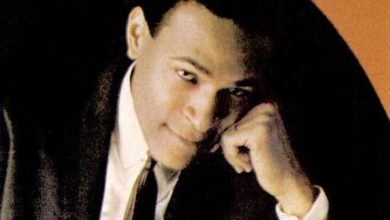
Hank Williams Wrote “I’m So Lonesome I Could Cry” — And Made Loneliness Sound Beautiful


A song built from silence, distance, and feeling
In 1949, as Hank Williams was emerging as one of the defining voices in country music, he recorded “I’m So Lonesome I Could Cry,” a song that remains one of the clearest expressions of loneliness ever put on record. It did not rely on a twisty plot or grand declaration. Instead, it moved through a series of simple, aching images: a train in the distance, a moon hidden by clouds, birds and night sounds that seem to echo a private sorrow.
That simplicity is the song’s power. Williams did not overexplain the emotion or decorate it with sentimentality. He let the setting carry the weight. The result is a performance that feels almost conversational, as if the listener has stepped into the middle of a solitary thought and found it set to music.
Instead of explaining loneliness, Hank Williams surrounded it with images so vivid and spare that the feeling seemed to arise on its own.
Why the song sounds so personal
Williams’ voice made the difference. Fragile, high, and unmistakably human, it gave the song a rawness that still cuts through decades later. He sang as though he were not presenting a composition to an audience, but confessing something he had barely found the words for himself.
That intimate quality is central to the song’s lasting force. There is no theatrical excess in the performance, no sense of pushing for effect. The ache is already there, carried in the phrasing and tone. Even listeners who know nothing of Williams’ life can hear the vulnerability in the recording and recognize it immediately.
The poetry of ordinary things
One reason “I’m So Lonesome I Could Cry” endures is that its imagery is so familiar. Williams reached for ordinary elements of the night world and let them become emotional symbols. The train is not just a train; it becomes a marker of distance and isolation. The nighttime setting is not just a backdrop; it becomes the atmosphere of abandonment itself.
This approach gave the song an unusual elegance. It feels poetic without seeming literary, plain without being simplistic. That balance has always been central to great country songwriting: the ability to make common language carry uncommon depth. Williams understood that a lonely landscape can say what direct explanation often cannot.
A turning point in country music’s emotional language
By the time he recorded the song, Williams was already becoming a major figure in country music, and “I’m So Lonesome I Could Cry” helped define what made him so important. He showed that a country song could be modest in scale yet emotionally enormous. Rather than entertaining the listener with cleverness or spectacle, he offered recognition—the unsettling comfort of hearing sadness rendered truthfully.
That mattered not just for his own legacy, but for the music that followed. Countless country and roots performers would build on the emotional directness Williams brought to his work. His songs proved that restraint could be devastating, and that the most lasting records are often the ones that leave space for the listener’s own memories and losses.
Why it still resonates
Many classic songs survive because they are attached to a famous era or a legendary name. “I’m So Lonesome I Could Cry” survives for a more intimate reason: it still feels accurate. Loneliness has changed its setting over the years, but not its emotional texture. Williams captured that texture with such clarity that the song continues to sound current, even to listeners far removed from the world in which it was made.
Its endurance also comes from its openness. The song does not pin sadness to one event or one kind of heartbreak. It leaves room for grief, absence, longing, and exhaustion. That emotional breadth is what allows each new listener to hear something personal inside it.
The beauty in the ache
There is a quiet paradox at the center of the song: it is deeply sad, yet undeniably beautiful. Williams did not soften loneliness, but he did transform it. Through melody, imagery, and voice, he made solitude sound almost luminous, as if sorrow itself could be observed with tenderness.
That is why “I’m So Lonesome I Could Cry” remains more than a standard or a milestone. It is a reminder of what great songwriting can do at its most elemental. With a handful of words and a wounded voice, Hank Williams made one private feeling seem universal—and in doing so, gave loneliness a sound people still recognize instantly.

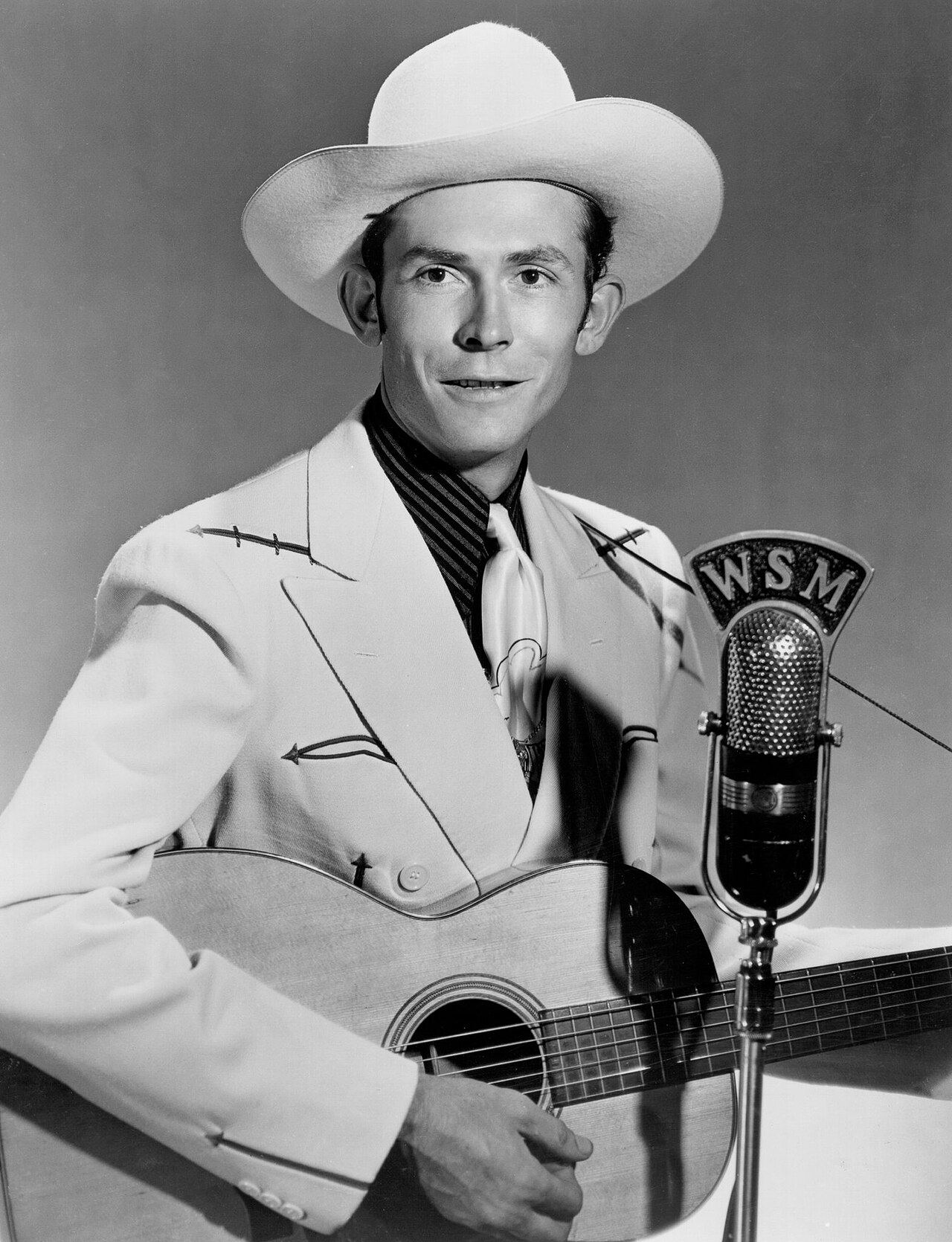
Quick Facts
- Song: “I’m So Lonesome I Could Cry”
- Writer: Hank Williams
- Recorded: 1949
- Known for: Spare imagery and a haunting expression of loneliness
- Legacy: Widely regarded as one of Hank Williams’ most enduring songs
Image credits: Andrea Klein / Wikimedia Commons / CC BY 2.0; Adambroachphoto / Wikimedia Commons / CC BY-SA 3.0; WSM radio / Wikimedia Commons / Public domain.