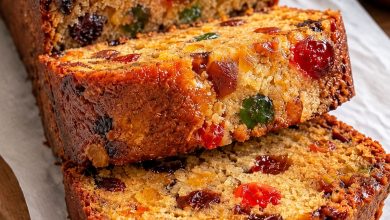
Homemade Pound Cake
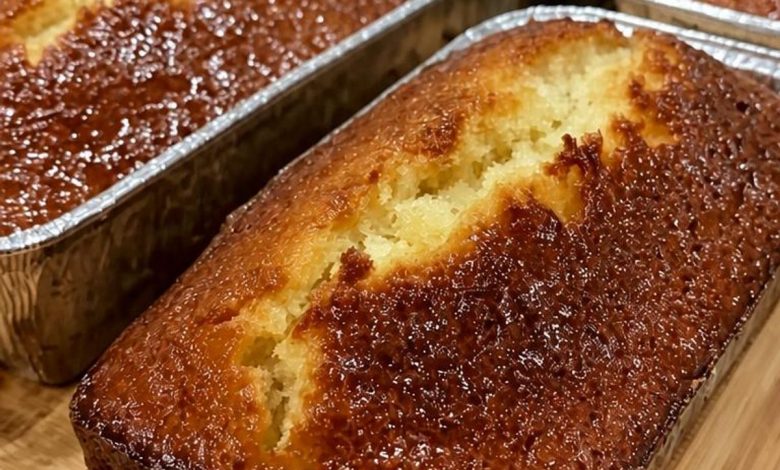
Homemade Pound Cake is a classic buttery loaf with a fine, tender crumb, golden crust, and rich vanilla flavor. It’s simple enough to enjoy with a cup of coffee but elegant enough to dress up with whipped cream, fresh fruit, or a spoonful of fruit compote.
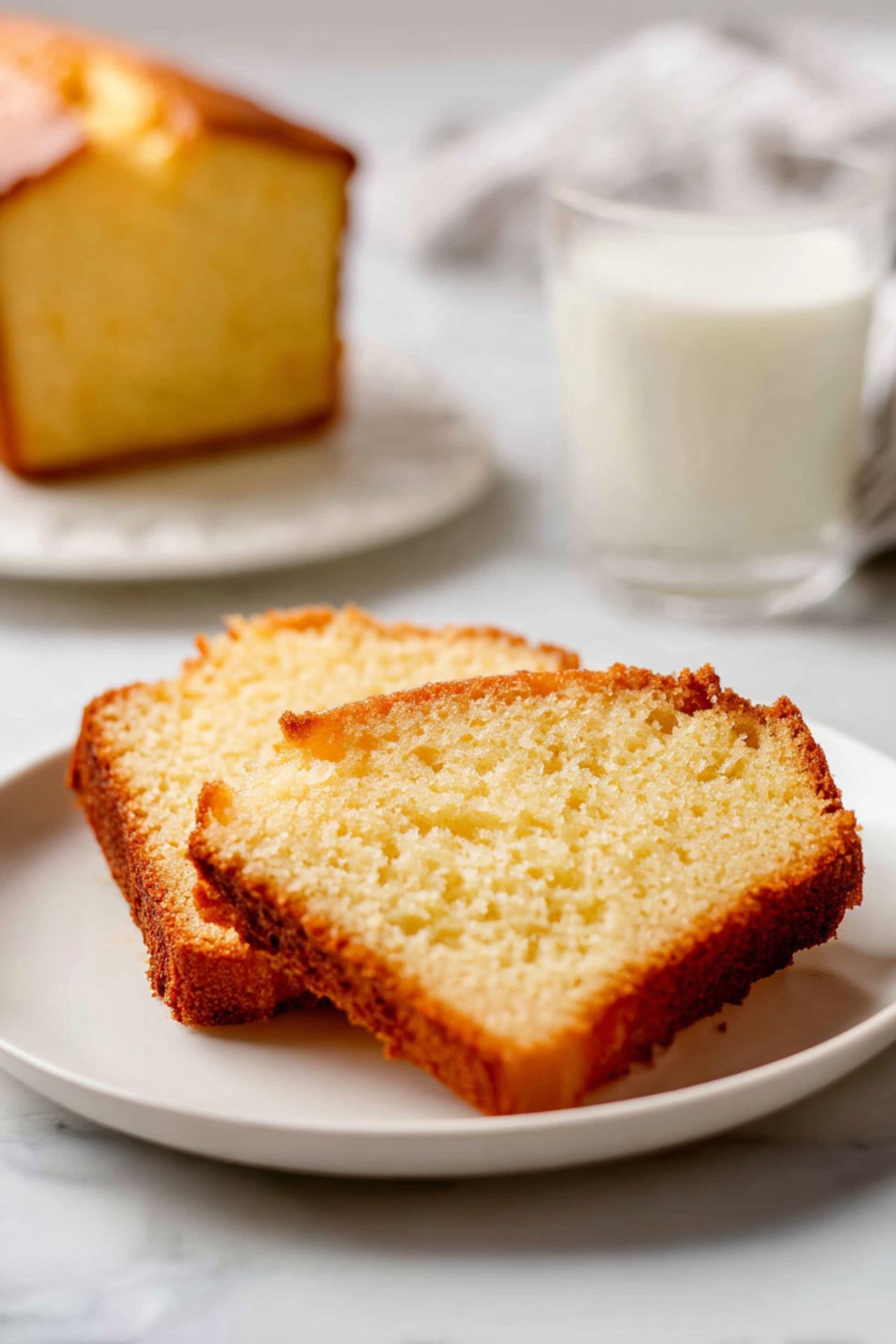
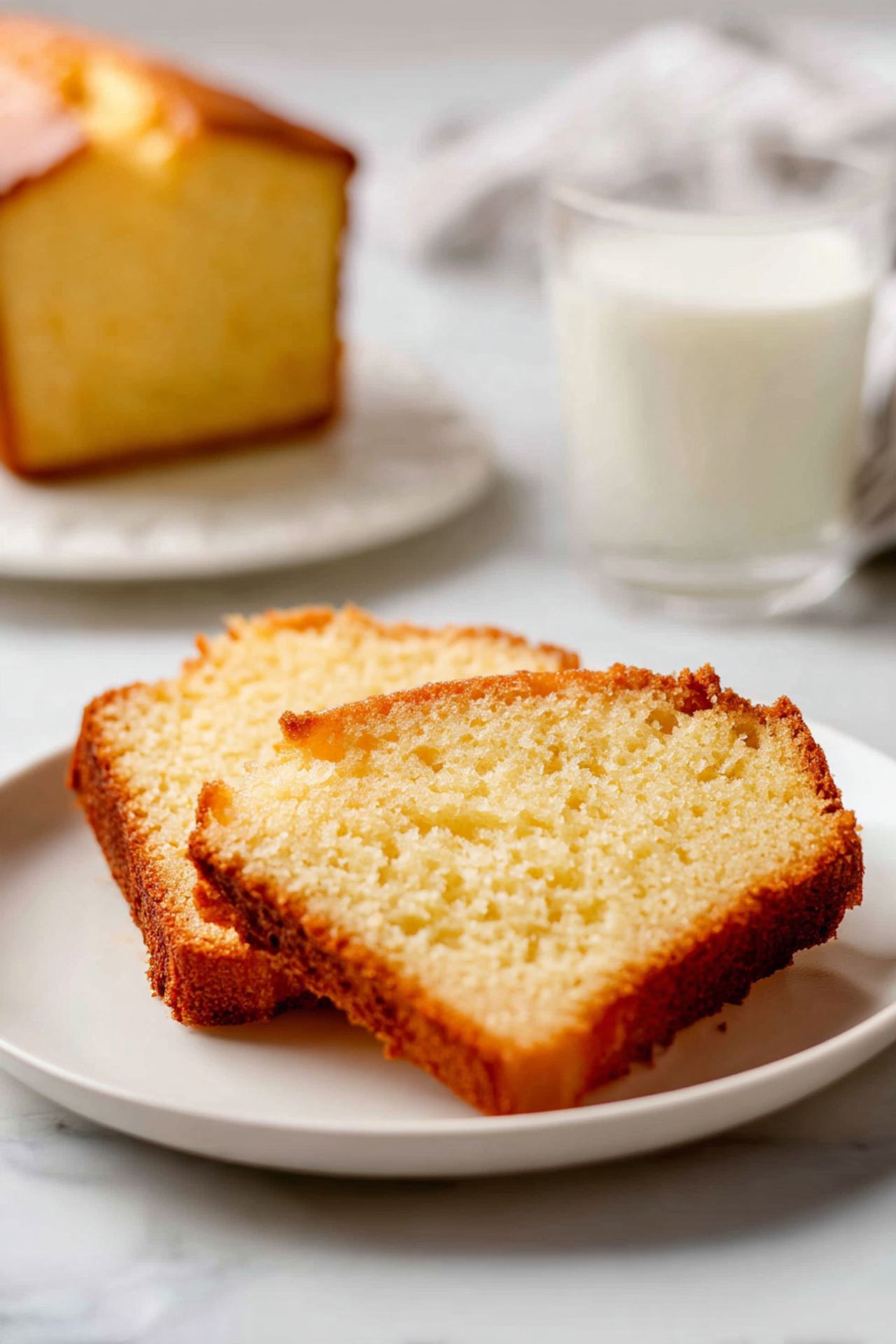
This version uses cake flour for a softer, more delicate texture than you’d get from all-purpose flour. The combination of room-temperature eggs, milk, and properly softened butter helps create an even crumb that feels rich without being overly dense.
Why You’ll Love This Recipe This pound cake has a wonderfully fine crumb with plenty of butter and vanilla flavor. It’s rich and satisfying without needing frosting or a complicated topping.
The loaf is also incredibly versatile. Serve it plain, spread slices with butter and honey, or turn it into a more elaborate dessert with fruit and whipped cream.
It keeps well too. The buttery crumb stays moist after cooling, making this an excellent cake to bake a day ahead.
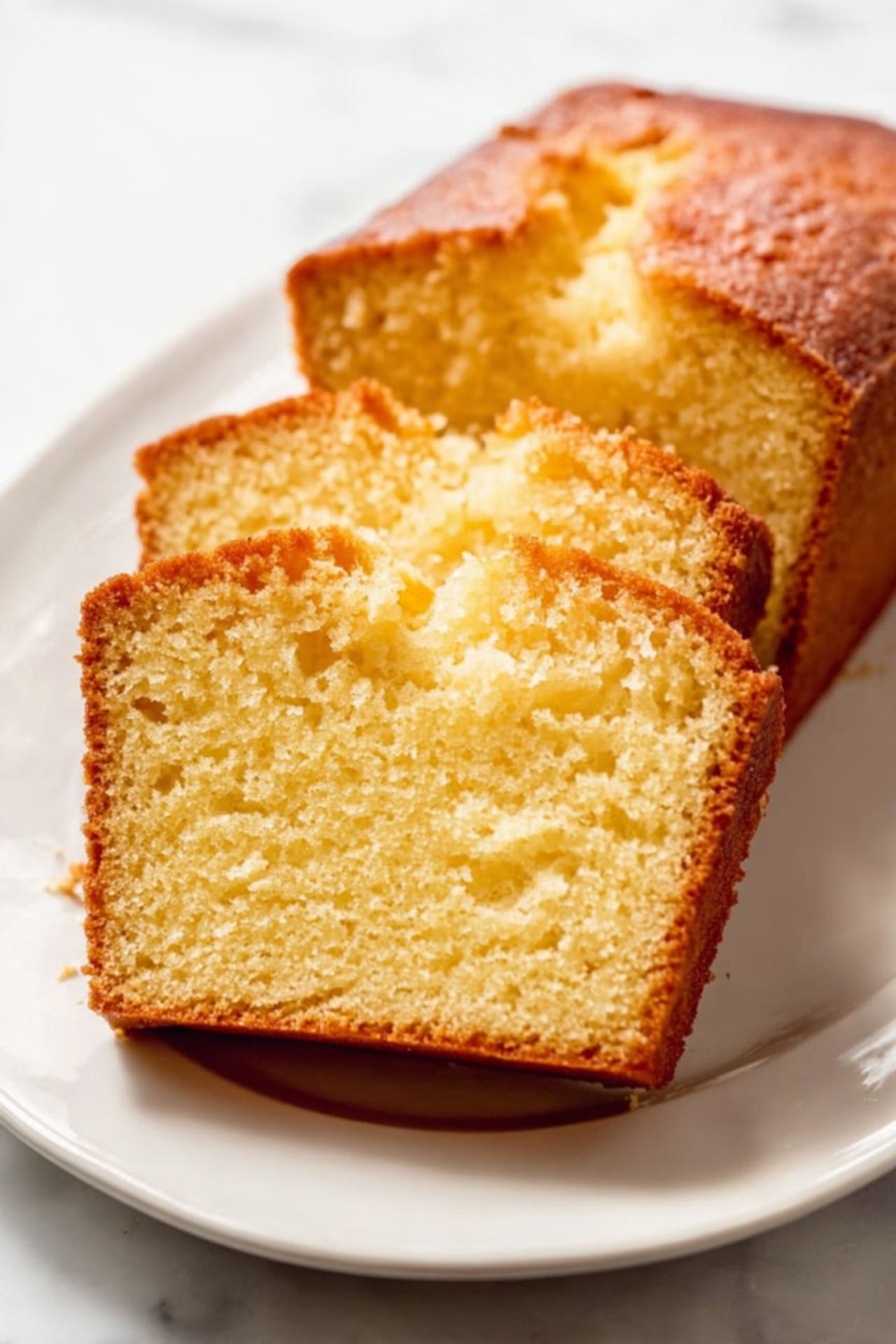
The mixing method is a little different from traditional creaming. The butter is beaten directly into the dry ingredients along with part of the egg mixture, then the remaining liquid is gradually incorporated. This helps create that close, velvety pound cake texture.
Give the finished loaf time to cool completely before slicing. Once settled, it cuts into beautiful thick slices with a moist, buttery interior.
Ingredients You’ll Need
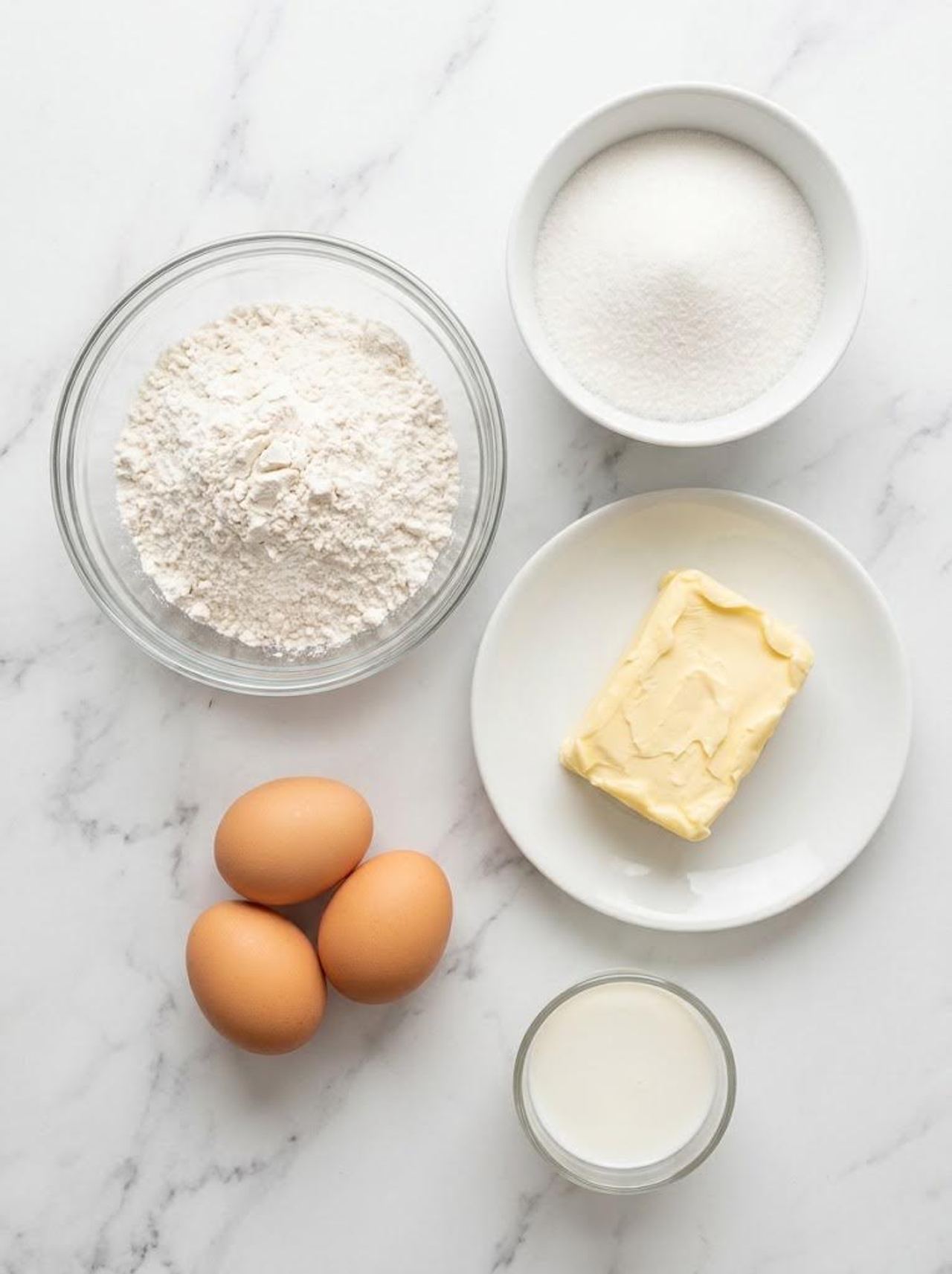
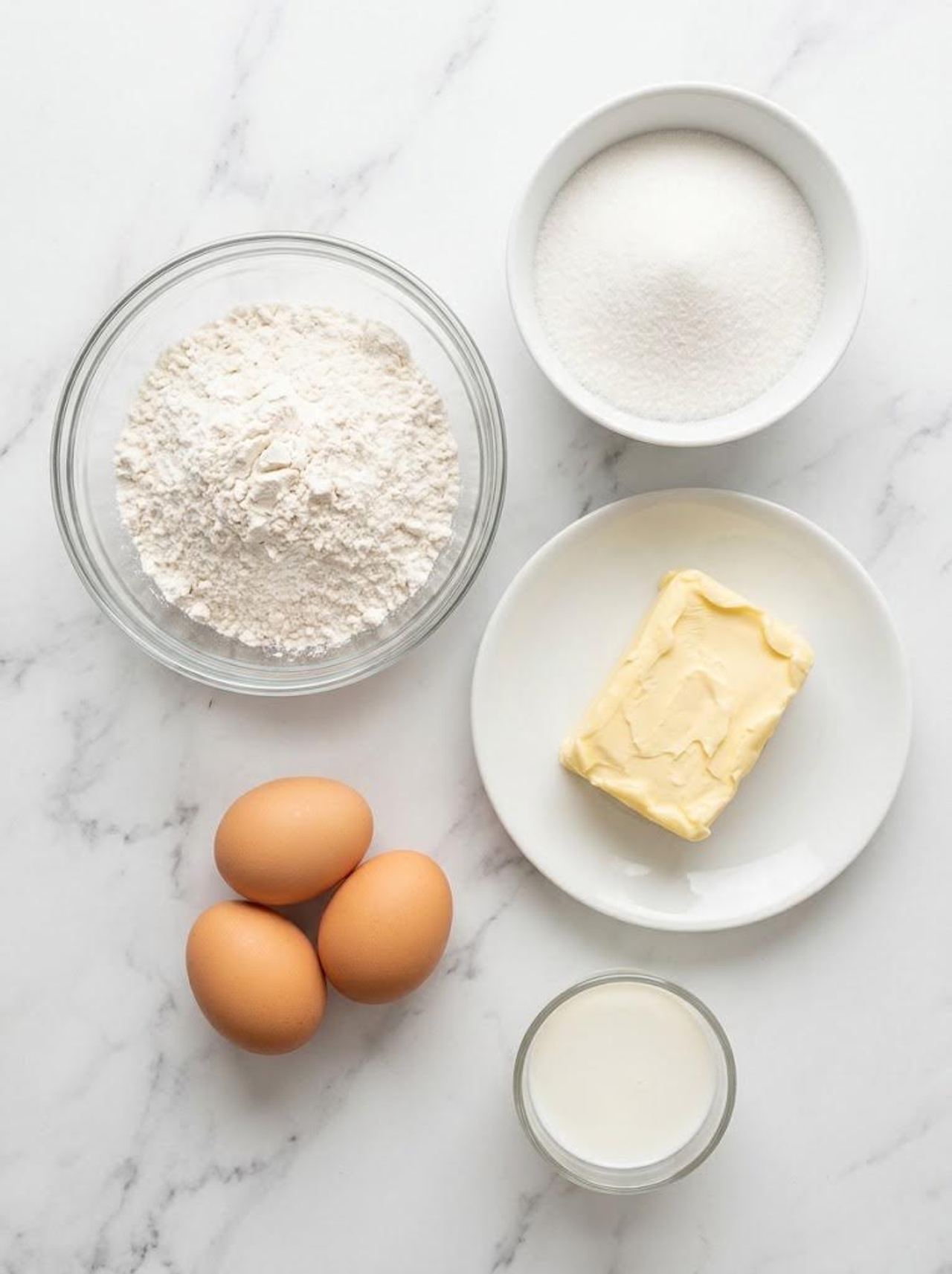
You’ll need a short list of classic baking ingredients:
- Whole milk
- Eggs
- Vanilla extract
- Cake flour
- Caster sugar
- Baking powder
- Salt
- Unsalted butter
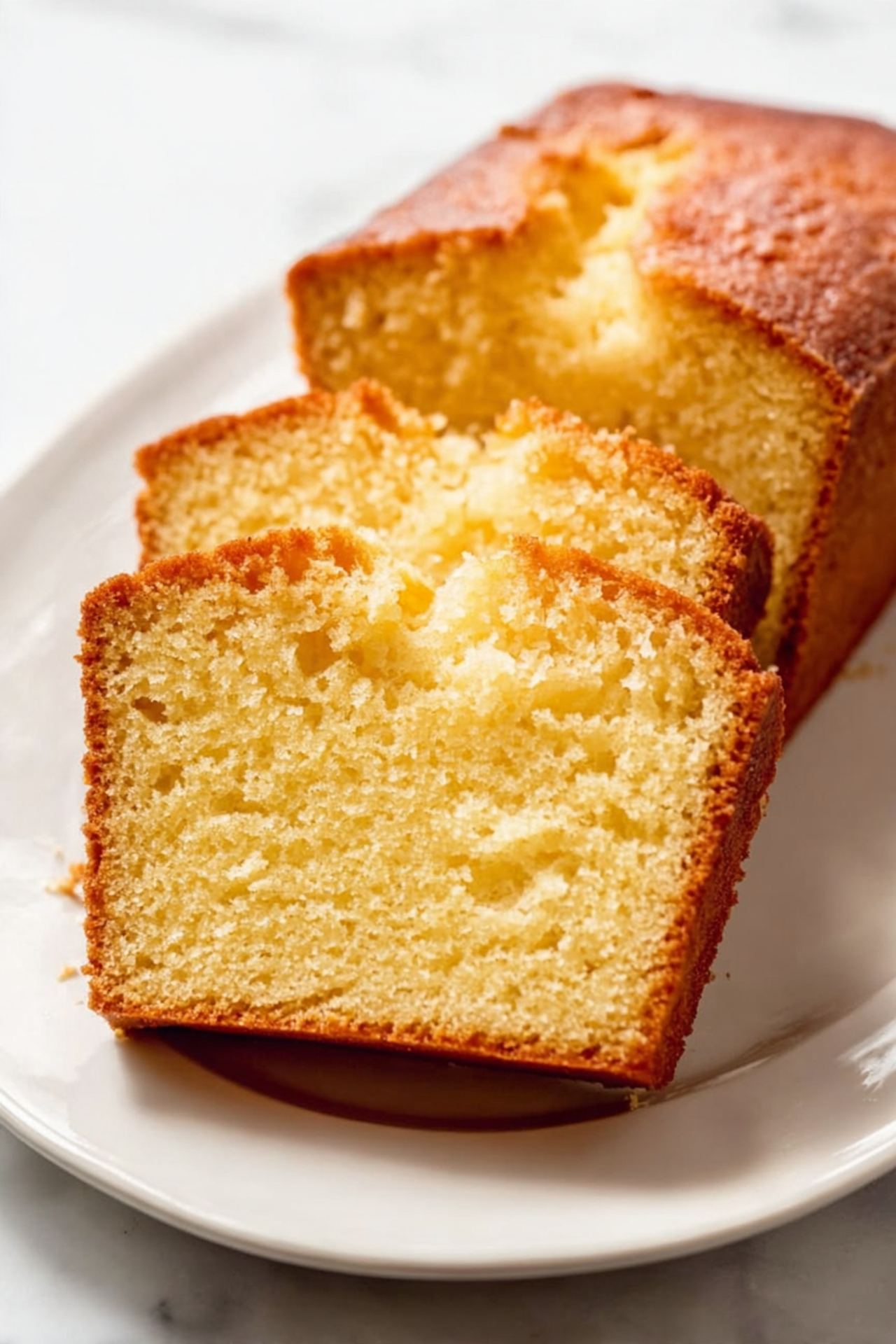
How To Make Homemade Pound Cake
Step 1: Preheat the oven to 350°F (180°C), or 165°C for a fan oven. Position the oven rack so the loaf will bake in the center.
Step 2: Grease an 8½ × 4-inch loaf pan thoroughly with unsalted butter. Dust the inside lightly with flour, then tap out the excess.
Step 3: In a medium bowl, lightly whisk together the room-temperature milk, eggs, and vanilla extract. Set the mixture aside.
Step 4: Add the sifted cake flour, caster sugar, baking powder, and salt to a large mixing bowl or stand mixer. Mix on low speed for about 30 seconds.
Step 5: Add the softened butter along with half of the egg mixture. Beat on low for about 30–40 seconds, until everything comes together into a thick batter.
Step 6: Increase the mixer to high speed and beat for 1 minute.
Step 7: Scrape down the sides and bottom of the bowl. Add half of the remaining egg mixture and beat on high for about 20 seconds.
Step 8: Scrape down the bowl again, add all of the remaining egg mixture, and beat for another 20 seconds.
Step 9: Transfer the batter to the prepared loaf pan and smooth the surface evenly.
Step 10: Bake for 30 minutes, until the surface is set and beginning to develop its characteristic split.
Step 11: If desired, quickly open the oven and make a shallow 6-inch cut along the developing center split with a small sharp knife. Don’t remove the pan, and work quickly so the oven doesn’t lose too much heat.
Step 12: Continue baking for another 20–25 minutes, until a skewer inserted into the center comes out clean. Loosely cover the loaf with foil toward the end if the surface is becoming too dark.
Step 13: Let the cake cool in the pan for 10 minutes, then carefully turn it out onto a wire rack and cool completely.
Homemade Pound Cake Variations
Lemon Pound Cake
Add finely grated lemon zest to the batter for a bright citrus flavor without significantly changing the texture.
Almond Pound Cake
Replace a small portion of the vanilla with almond extract for a subtle nutty aroma.
Orange Pound Cake
Add finely grated orange zest for a sweeter citrus variation.
Chocolate Chip Pound Cake
Fold a small amount of miniature chocolate chips into the finished batter before transferring it to the loaf pan.
Vanilla Bean Pound Cake
Add vanilla bean paste alongside the vanilla extract for a more pronounced vanilla flavor.

Storing Homemade Pound Cake
Let the loaf cool completely before wrapping it tightly or placing it in an airtight container. Keep it at room temperature for about 3–4 days.
FAQ
Why Use Cake Flour?
Cake flour has a lower protein content than standard all-purpose flour, helping create the fine, tender crumb that works particularly well in this pound cake.

Why Should The Eggs And Milk Be At Room Temperature?
Room-temperature ingredients combine more evenly with softened butter, helping create a smoother batter and more consistent crumb.
How Soft Should The Butter Be?
The butter should be softened to around 64°F (18°C). It should give slightly when pressed but shouldn’t look melted, greasy, or extremely soft.
Why Does Pound Cake Split On Top?

A center split is completely normal. The outside of the loaf sets while the center continues rising, naturally creating a crack across the surface.
Do I Have To Cut The Center Split?
No. It’s optional. Making a quick shallow cut simply encourages the loaf to develop a more controlled, attractive split.
How Do I Know The Pound Cake Is Done?
Insert a skewer into the center. It should come out clean when the loaf is properly baked. If the surface becomes too dark before the center is ready, loosely cover it with foil.

For longer storage, freeze individual slices or the entire loaf tightly wrapped in a freezer-safe container. Let it thaw at room temperature before serving.
What To Serve With Homemade Pound Cake
Whipped cream and fruit: Soft whipped cream and fresh berries make a simple, traditional-style dessert.
Butter and honey: Spread a thick slice with butter and drizzle with honey for a rich, simple treat.
Fruit compote: Warm berries, cherries, or stone fruit add sweetness and moisture to each slice.

Mascarpone: A spoonful of mascarpone adds creamy richness without overwhelming the buttery cake.
Thick yogurt and nuts: Serve with thick yogurt and crushed pistachios or other nuts for a creamy, crunchy contrast.
Fresh berries: Strawberries, raspberries, or blueberries add freshness and acidity alongside the rich loaf.
Pay attention to the temperature of the butter. Properly softened butter is important for creating a smooth batter and fine crumb; melted or overly warm butter can noticeably change the cake’s texture.
And measure the cake flour after sifting when using cup measurements. Too much flour can make a pound cake dry and heavy, so accurate measuring matters in a recipe with such a tight, delicate crumb.

This Homemade Pound Cake is rich, buttery, and wonderfully moist with a soft, tender crumb and a golden crust. Perfect for breakfast, afternoon coffee, or dessert, this classic cake is simple to make and delicious in every slice.
Prep Time: 20 minutes
Cook Time: 55 minutes
Total Time: 2 hours 15 minutes
Servings: 10
Calories: 50 kcal
Ingredients
- 3 tablespoons whole milk, at room temperature
- 3 large eggs, at room temperature
- 1½ teaspoons vanilla extract
- 1 cup cake flour, sifted and measured after sifting
- ¾ cup caster sugar, superfine sugar
- ¾ teaspoon baking powder
- ¼ teaspoon salt
- 13 tablespoons 185 grams unsalted butter, softened to about 64°F (18°C)
Instructions
- Preheat the oven to 350°F (180°C), or 165°C fan.
- Grease an 8½ × 4-inch loaf pan with butter, dust with flour, and knock out the excess.
- Lightly whisk together the milk, eggs, and vanilla.
- Combine the cake flour, sugar, baking powder, and salt in a large mixing bowl. Mix on low for 30 seconds.
- Add the softened butter and half of the egg mixture. Beat on low for 30–40 seconds.
- Increase to high speed and beat for 1 minute.
- Scrape down the bowl and add half of the remaining egg mixture. Beat for 20 seconds.
- Scrape down the bowl again and add the remaining egg mixture. Beat for another 20 seconds.
- Spread the batter evenly in the prepared loaf pan.
- Bake for 30 minutes.
- If desired, quickly make a shallow 6-inch cut along the developing center split without removing the pan from the oven.
- Bake for another 20–25 minutes, loosely covering with foil if the top becomes too dark.
- Remove when a skewer inserted into the center comes out clean.
- Cool in the pan for 10 minutes, then transfer to a wire rack and cool completely before slicing.
Nutrition
Serving: 1 g | Calories: 50 kcal | Carbohydrates: 9 g | Protein: 2 g | Fat: 0.4 g | Saturated Fat: 0.1 g | Polyunsaturated Fat: 0.1 g | Monounsaturated Fat: 0.05 g | Cholesterol: 1 mg | Sodium: 92 mg | Potassium: 20 mg | Fiber: 0.3 g | Sugar: 0.3 g | Vitamin A: 8 IU | Calcium: 25 mg | Iron: 0.1 mg
Read more stories
- This ’90s Heartthrob Once Became Homeless and Hid His Sexuality – Where Is He Now?
- I Wanted to Divorce My Wife of 20 Years Because I Was No Longer Attracted to Her – Then My Father Said One Sentence That Stopped Me
- My Wife Accused Me of Cheating in Front of the Whole Town, but I Had No Idea What She Was Talking About — Story of the Day
- My Neighbor Constantly Borrowed My Appliances – When She Returned My Mixer Dirty and Broken, I Taught Her a Lesson