How a Doctor’s Orders Sparked the Creation of a Literary Classic
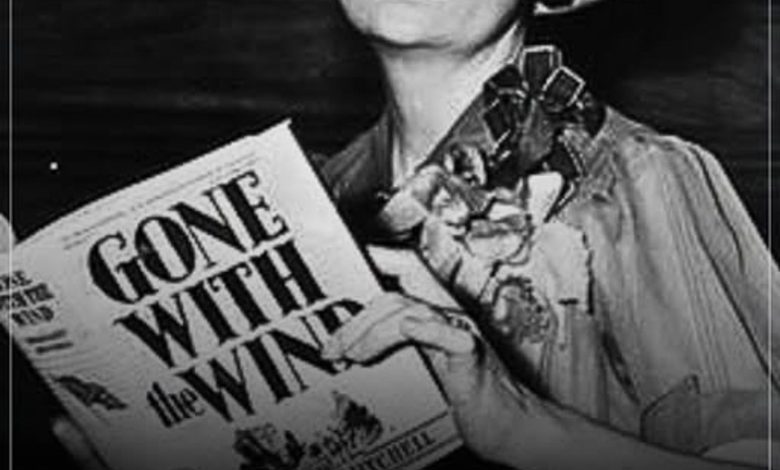
In the summer of 1926, the bustling streets of Atlanta were alive with the sounds of life. But in a small apartment, a young writer named Margaret Mitchell felt anything but lively. A sharp, driven reporter for the Atlanta Journal, Margaret had always thrived on the energy around her. Yet now, a series of injuries to her ankle, culminating from a riding accident, had left her in excruciating pain. Her doctor’s orders were clear: she needed to rest. For someone as vibrant and active as Margaret, this restriction felt like imprisonment.
Confined to her home with her second husband, John, Margaret found herself grappling with an all-consuming boredom. The walls of her apartment began to close in, and the days stretched endlessly before her. John, ever supportive yet playful, tried to lighten her mood. One day, he brought home a secondhand typewriter, a gesture that was both practical and poignant. With a twinkle in his eye, he suggested that her enforced rest might be the perfect opportunity to write a book. It was a seemingly simple recommendation, but it ignited a spark in Margaret.
Taking John’s advice to heart, Margaret began to write — not merely as a distraction from her pain, but as a form of devotion that would span nearly a decade. Her mind, a treasure trove of stories passed down through generations, began to weave a narrative that was as much about loss and resilience as it was about the grappling complexities of human nature. She crafted a tale centered on a headstrong young woman navigating the tumultuous aftermath of a world on the brink of change. The process was chaotic; she wrote scenes out of order, and chapters found their way into mismatched envelopes, buried beneath sofa cushions and lost in closets, a testament to her tenacity and her fear.
The act of writing became both a source of solace and an internal struggle. Margaret rarely shared her work with anyone, held back by a haunting fear that her own vulnerabilities, her doubts, and her imperfections would be laid bare for judgment. For nearly ten years, her manuscript remained hidden, a private refuge that she questioned but couldn’t abandon.
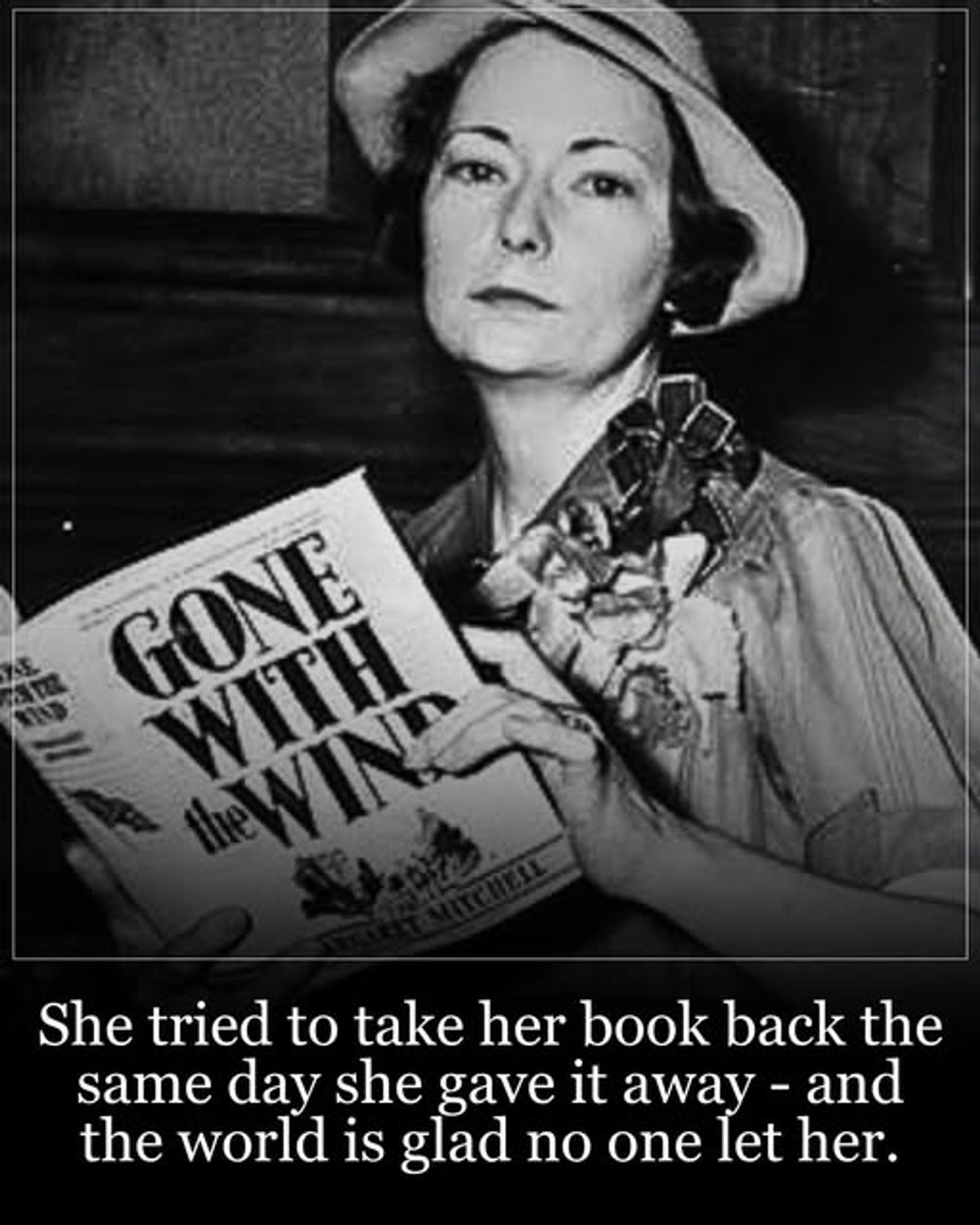
Then, in 1935, fate intervened in the form of Harold Latham, a visiting editor on the hunt for new talent. With a nudge from a friend, Margaret found herself in the precarious position of considering to share her secret. It was a moment of both fear and exhilaration. In an impulsive flurry, she gathered her disorganized pages and drove to Latham’s hotel, her heart racing. She handed over the collection, and as soon as she left, regret set in. Panic washed over her, flooding her thoughts with self-doubt; was it too raw, too unfinished? The manuscript felt like a fragile piece of her soul laid bare.
In a frantic attempt to reclaim her work, Margaret sent Latham a telegram, pleading for its return before he could form an opinion. But Latham was already engrossed in her pages, captivated by the voice that echoed with authenticity and emotion. What began as an act of defiance against the confines of her life transformed into a journey that would not only change her own destiny but also leave an indelible mark on American literature. Margaret Mitchell’s leap of faith turned into a legacy, a testament to the power of storytelling born from the depths of pain, reflection, and unyielding spirit.
Read more stories
- Released in 1971, this cheerful pop hit sounded bright and carefree on the surface… But hidden inside the lyrics was a surprisingly sad story most listeners never noticed.
- Shelley Winters: A Voice That Refused to Be Silenced
- Ed Harris’s Journey from Frustration to Acceptance in Dutton Ranch
- The Last Ride: John Wayne’s Moving Farewell in The Shootist