How a Storm Unleashed a Swarm of Bath Toys on Ocean Currents
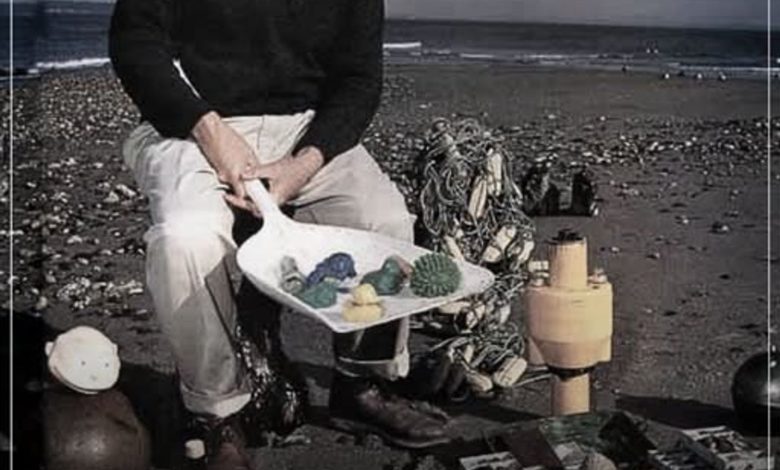
It began in the depths of winter, on a bitterly cold January night in 1992, when a cargo ship traversed the vast North Pacific. Journeying from Hong Kong to Tacoma, Washington, it faced an unexpected tempest near the International Date Line. The storm unleashed its fury, sending towering waves crashing against the vessel. In a brutal twist of fate, twelve shipping containers were dislodged, spilling their contents into the roiling sea. Most of them sank beneath the waves, never to be seen again. But one container shattered just upon hitting the water, releasing a vibrant trove of 28,800 plastic bath toys into the ocean’s embrace.
These were not just any toys—they were a kaleidoscope of colors, featuring red beavers, green frogs, and cheerful blue turtles, all crafted for children’s bathtubs. As the toys floated freely, their sealed nature became an unforeseen twist in the tale. Unlike other debris that succumbed to the elements, these toys remained buoyant, drifting across the ocean, seemingly invincible. It was a minor shipping mishap that could have easily faded into obscurity, yet this incident was ushering in something extraordinary.
The story of the wayward toys eventually found its way to two oceanographers in Seattle: Curtis Ebbesmeyer and James Ingraham. To casual onlookers, the sight of plastic litter washing ashore might have seemed trivial, but to these scientists, it presented a rare and remarkable opportunity. With nearly 29,000 identical, trackable objects released at a specific location and time, they recognized it as a unique chance to study ocean currents in a way never before possible.
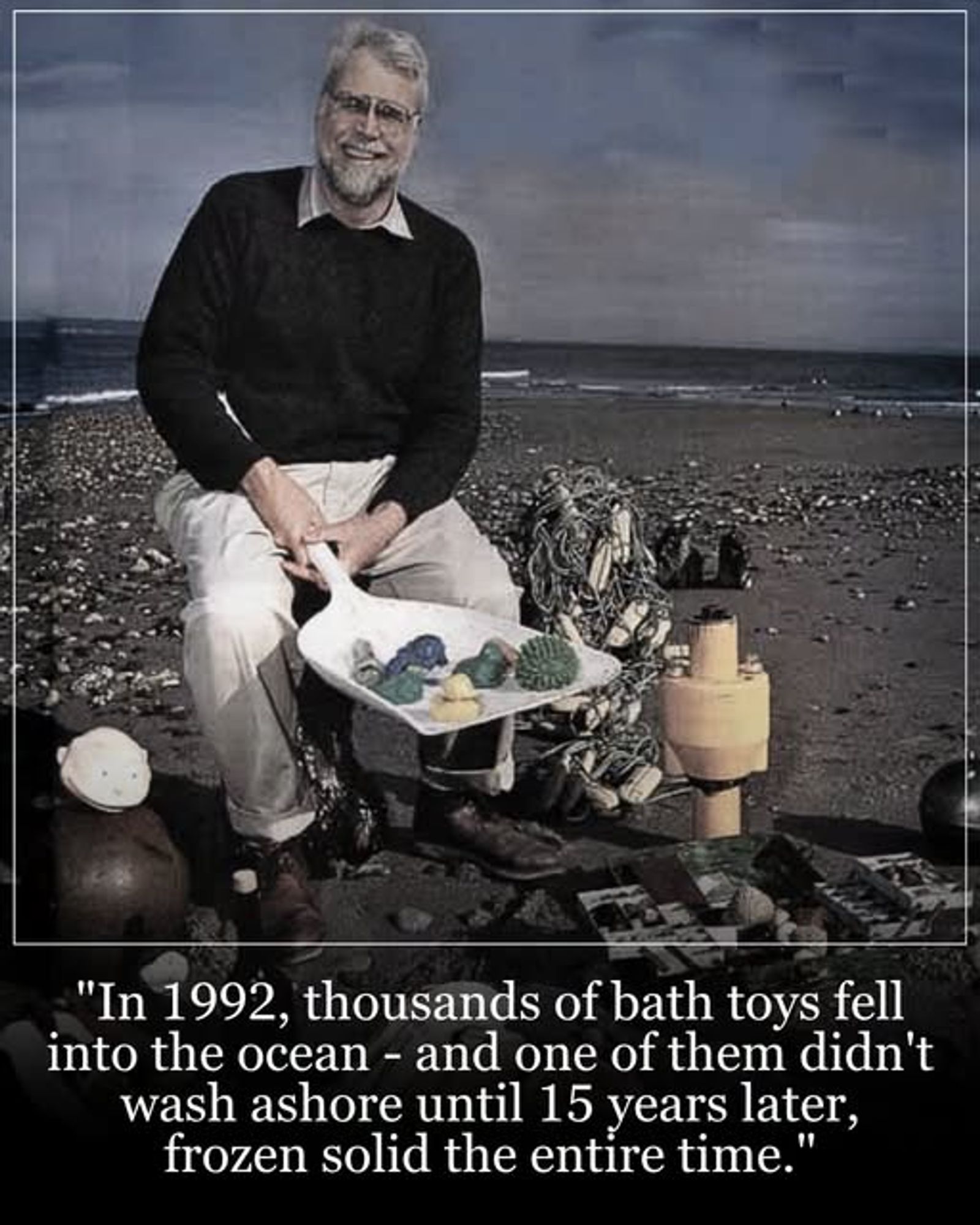
Ebbesmeyer and Ingraham devised a computer model to map these currents. The call went out to the public, inviting avid beachcombers from Alaska to Hawaii to report any sightings of the colorful toys. What followed was nothing short of remarkable. Each report—of a faded blue turtle here or a sun-bleached duck there—built a growing dataset, enhancing the scientists’ understanding of the ocean’s intricate dance.
As the years passed, the toys continued on their journey, some venturing northward toward the icy Bering Strait, where they met the encroaching Arctic ice. For years, these playful figures became prisoners of the ice, drifting above the Arctic landscape, forgotten by all but the elements. Their existence was a curious paradox—these toys, designed for laughter and joy, now floated silently in an unforgiving realm, encased in ice.
It would take nearly a decade for the polar ice to break apart into warmer waters in the Greenland Sea, eventually liberating the frozen toys. As they reemerged, each toy carried with it a story of endurance, serendipity, and unexpected scientific discovery. From their journey, a new understanding of ocean currents emerged, revealing secrets of the seas that had long remained hidden.
In the end, the adventure of the bath toys became a testament to nature’s unpredictable beauty and the serendipitous intersections between human life and the natural world. It showed us that sometimes, even the simplest events can lead to profound discoveries, uniting communities in curiosity and wonder over the whims of the ocean. Just as those toys finally found their way back to the warmth of the sunlight, they remind us of the joy in unexpected journeys.