How Linda Ronstadt Accidentally Helped Create the Eagles
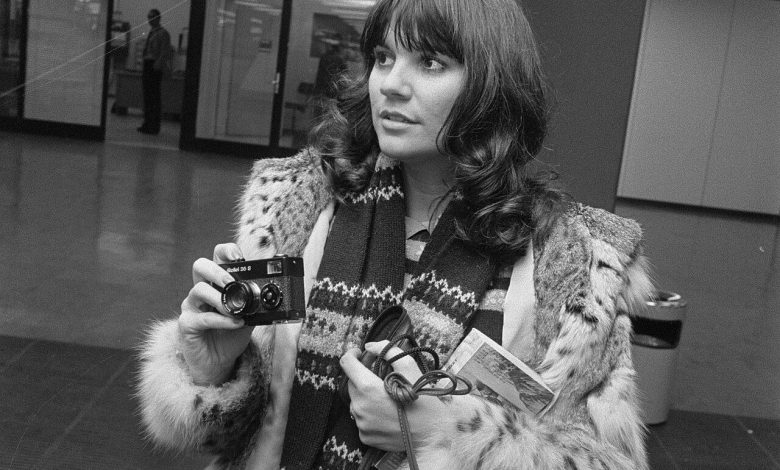
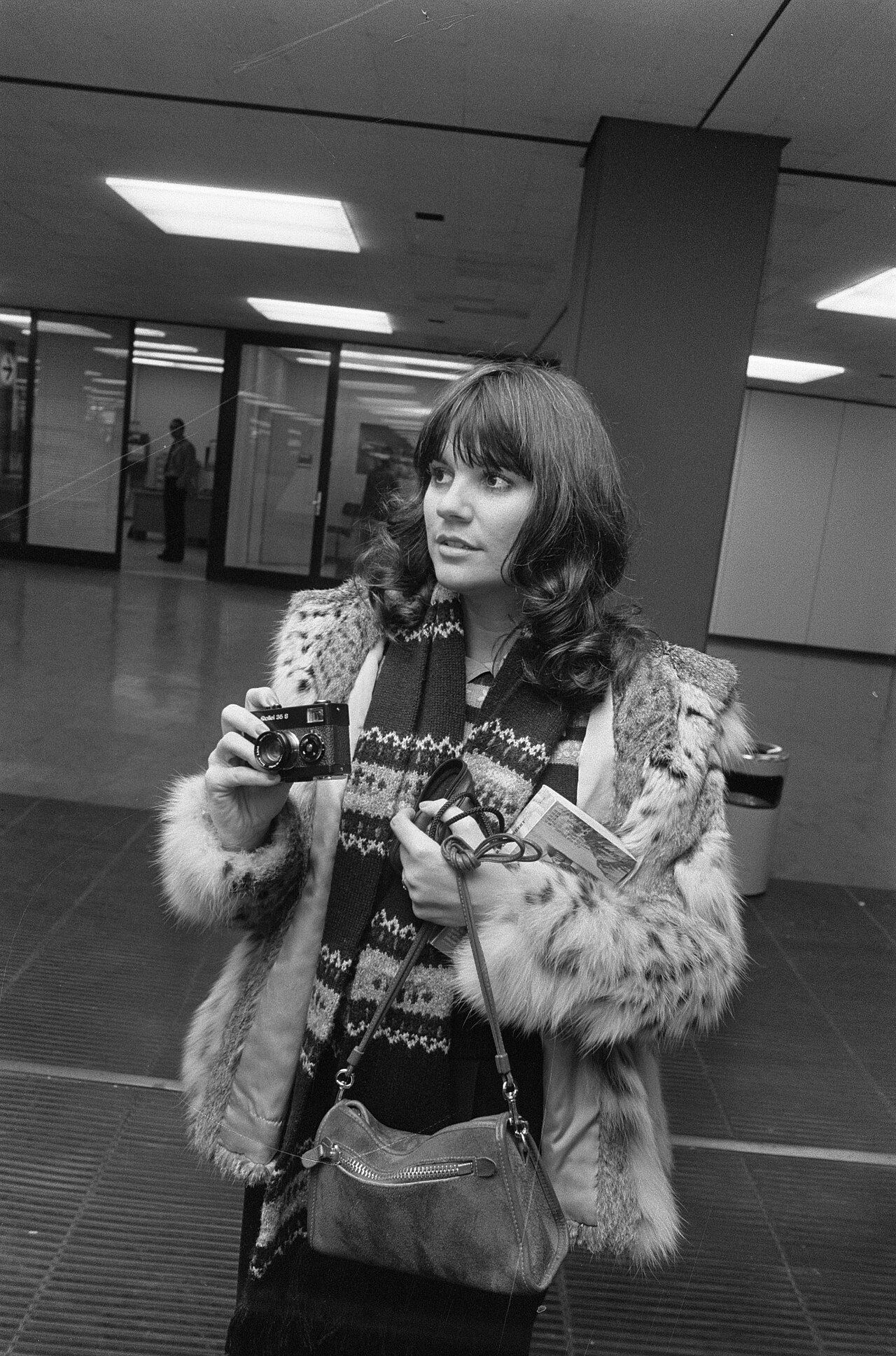
A chance alignment in Laurel Canyon
In the early 1970s, Los Angeles was a hotbed of country-rock, folk confessionals, and studio ambition. The city’s clubs, canyons, and recording rooms were full of gifted young musicians moving between gigs, writing sessions, and backup work, all of them chasing the next break. Into that scene stepped Linda Ronstadt, already a rising force with a voice that could sound both intimate and huge, wounded and defiant.
When Ronstadt needed musicians for live work around the release of her early solo material, she drew from the same interconnected West Coast talent pool that fueled so much of the era’s music. What looked like a practical hiring decision turned into something much larger. The players gathered around her would soon form a band whose harmonies, songcraft, and polished California mystique would define a generation of American rock.
“I’m not sure the Eagles would have happened in quite the same way without Linda Ronstadt bringing those musicians into the same orbit.”
The musicians who found each other behind her
The core story is now one of rock’s best-known origin tales. Ronstadt worked with Glenn Frey, Don Henley, Bernie Leadon, and Randy Meisner, four musicians whose backgrounds were different but complementary. Frey had sharp instincts for songwriting and structure. Henley brought a drummer’s discipline and a singer’s emotional bite. Leadon added deep country credibility and instrumental finesse. Meisner contributed high harmonies and a melodic bassist’s touch.
They were not unknown to the wider music world forever, but at that moment they were still building their identities. Backing Ronstadt put them in close creative proximity. Night after night, they played together, listened to one another’s phrasing, and began to recognize the unusual chemistry taking shape. The blend was unmistakable: country roots, rock momentum, and harmonies that felt both effortless and meticulously crafted.
Linda Ronstadt’s overlooked role as a catalyst
Ronstadt is sometimes treated in this story as a stepping stone in somebody else’s rise, but that framing misses the point. She was already a central artist in the Southern California scene, respected not just for her commercial appeal but for her musicianship and taste. Her bands were not accidental collections of players; they reflected a discerning ear and a willingness to work with exceptional talent before the rest of the industry fully caught up.
That matters because scenes do not produce history by magic. They do it through artists who convene the right people at the right moment. Ronstadt’s role was catalytic. By hiring musicians who could support her and complement her sound, she also created a live laboratory for a new band identity to emerge. Her influence was not merely incidental; it was structural, even if the resulting group quickly developed a personality all its own.
From backup unit to independent force
The transition from sidemen to self-contained band happened quickly. Once the musicians realized what they had together, the logic was hard to ignore. Their shared sensibility fit the moment perfectly: reflective but radio-friendly, rooted in country and folk yet polished enough for rock audiences. They were able to write songs that sounded distinctly American without feeling provincial, and personal without losing broad appeal.
That new group became the Eagles, and their rise soon reshaped the commercial and aesthetic landscape of the 1970s. The band’s appeal lay partly in how seamless everything sounded. Beneath that smoothness, however, was a convergence of serious musical backgrounds, sharpened by the apprenticeship of playing behind a commanding lead singer. The discipline required to support Ronstadt helped prepare them for the precision that would later become one of their signatures.
Why the story still endures
People return to this origin story because it captures how music history often works in real life. Landmark bands are not always born from grand manifestos. Sometimes they emerge from employment, timing, geography, and a practical gig that becomes a revelation. The mythology of rock loves dramatic beginnings, but the Ronstadt-Eagles connection is compelling precisely because it feels plausible and human.
It also reveals how easily women’s roles in rock history can be narrowed or softened in the retelling. Ronstadt was not just a famous singer who happened to pass through the story. She was one of the scene’s major creative centers. To understand the Eagles’ formation clearly is to see her not as a footnote, but as an essential part of the chain reaction that made their ascent possible.
A ripple effect across American rock
The larger significance of the episode goes beyond one band. It speaks to the collaborative ecology of Los Angeles in that era, where solo artists, songwriters, session players, and future stars constantly intersected. One tour slot, one rehearsal room, one recommendation could alter the course of popular music. Ronstadt’s decision to bring those musicians into her orbit is one of the clearest examples of that phenomenon.
In retrospect, the moment feels almost impossibly loaded with consequence: an acclaimed singer assembling a support unit, four players discovering a collective identity, and a sound taking shape that would soon dominate American radio. What looked ordinary at first glance became historic. That is why the story remains so durable. It is not just about accidental genius, but about how talent recognizes talent before the rest of the world does.
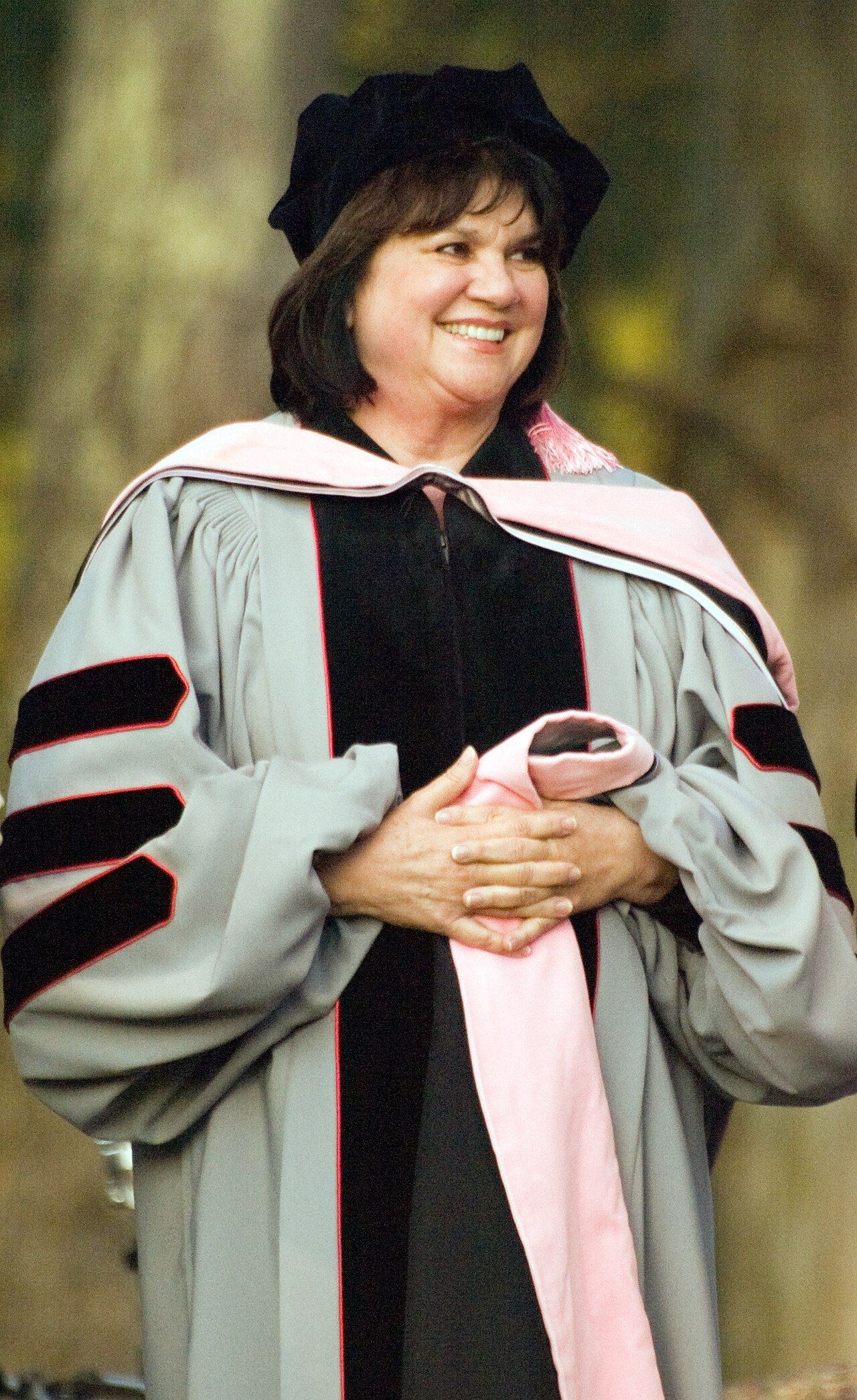
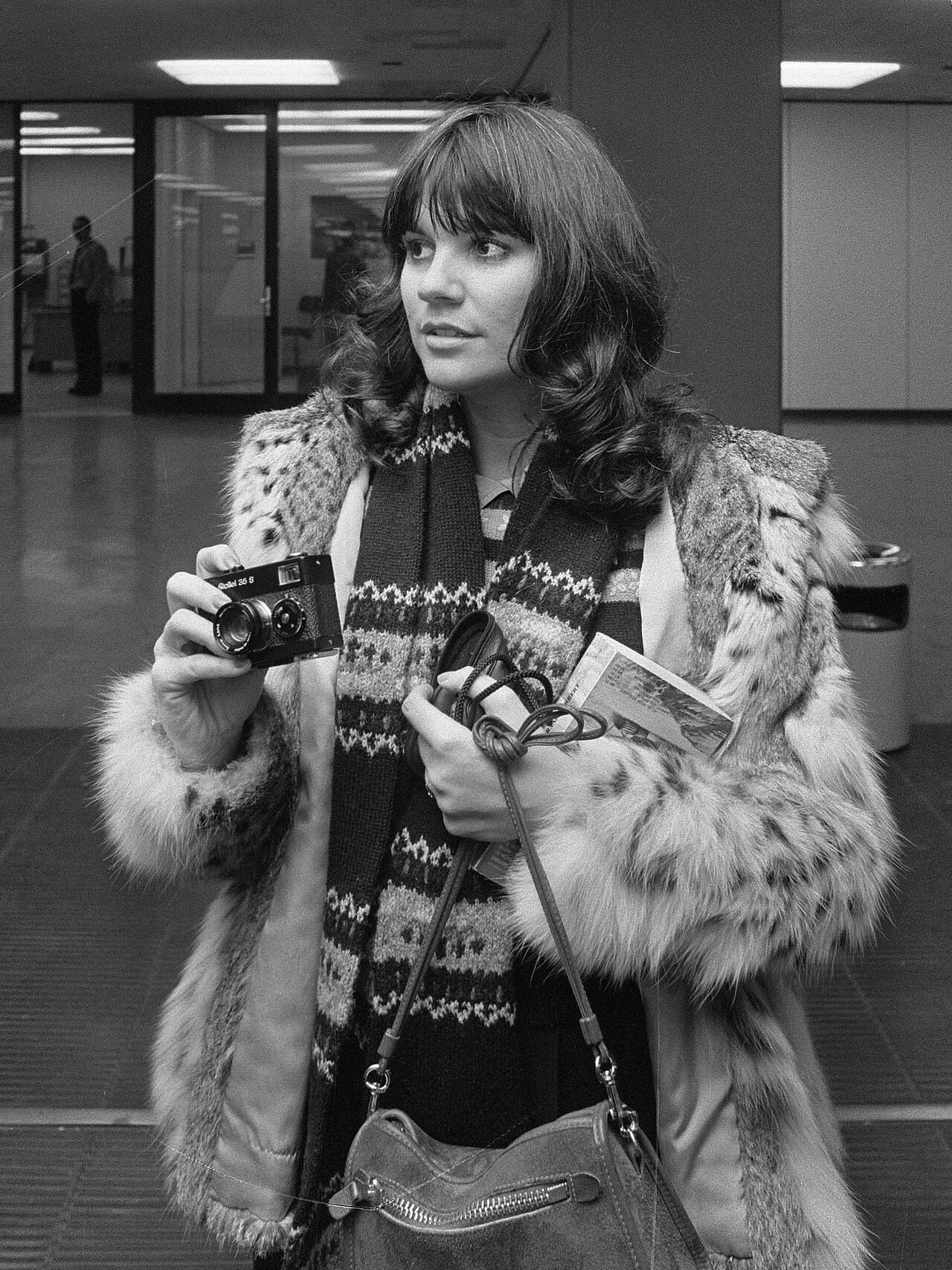
Quick Facts
- Key figure: Linda Ronstadt
- Band formed from her backing musicians: Eagles
- Scene: Early-1970s Los Angeles country-rock
- Associated musicians: Glenn Frey, Don Henley, Bernie Leadon, Randy Meisner
- Why it matters: Ronstadt’s touring band helped bring together the core lineup that became the Eagles
Image credits: Rob Bogaerts / Anefo / Wikimedia Commons / CC0; Eric Frommer / Wikimedia Commons / CC BY-SA 2.0; Rob Bogaerts for Anefo / Wikimedia Commons / CC0.